Why Your Transmission Slips Only When You are Taking a Sharp Turn
I’ll never forget that moment on a rain-slick street when I felt my car suddenly jerk and slip as I took a sharp turn. My stomach sank. For weeks, I’d been hearing a faint clunking sound, but I brushed it off as nothing serious. Until that day, when I realized my transmission was fighting me only during those tricky, tight corners. It was frustrating, confusing, and frankly, a little scary—especially since I thought transmissions should either be perfectly smooth or completely failing, not acting up just during a turn.
Feeling that slip is like a punch in the gut. You’re confident in your daily drive, then suddenly, a tricky corner exposes a problem you didn’t even sense before. It’s a strange, disappointing feeling — like your car is playing tricks on you. But here’s the kicker: this isn’t just about your steering or tires; it’s often a sneaky hint that something’s off with your transmission—specifically, that it’s struggling to handle sudden lateral forces. And that’s exactly what I want to explore today: why does this slip happen only during sharp turns, and most importantly, how can you fix it before it turns into a costly repair?
Is this transmission issue actually worth worrying about?
Many folks, including myself initially, dismiss a transmission slip as a minor annoyance, or maybe just a sign that it’s time for an oil change. I made that mistake early on—believing that a simple fluid top-off would do the trick. But, as it turns out, overlooking these signs can lead to more serious damage down the line. Recognizing the difference between a quick fix and a deeper problem is crucial. If you’ve experienced that unsettling slip during a tight corner, you’re not alone. And trust me, there are tangible steps you can take to diagnose and address the root cause before it worsens.
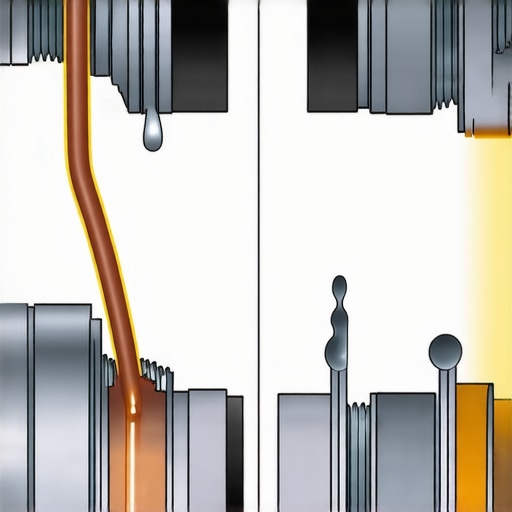
Before we dive into the practical solutions, I want to share a surprising fact: according to automotive experts, issues with transmission fluid levels or quality are often responsible for slipping only under specific conditions, like sharp turns or acceleration. This is because the transmission fluid helps maintain hydraulic pressure, which in turn controls gear engagement. When fluid levels are low or the fluid is worn out, the transmission struggles to generate enough pressure during sudden, high-stress maneuvers, leading to that slip feeling.
Understanding this connection can save you a lot of time, money, and stress. So, if you’ve ever felt that unsettling slip during a turn, keep reading—I’ll guide you through the common causes and easy fixes, backed by real-world experiences and expert advice.
Check and Top Off Transmission Fluid Properly
Start by locating your transmission fluid dipstick, usually near the back of the engine bay. Remove it, wipe it clean, then reinsert and pull it out again to read the level. If the fluid is below the “Full” line or looks dark and burnt, it needs attention. Unlike a quick oil change, transmission fluid acts like the blood of your car, lubricating moving parts and maintaining hydraulic pressure. An ASE-certified technician recommends using the correct fluid type for your vehicle to prevent further issues. I once faced slipping only during turns in my old sedan, and after draining and refilling with the proper fluid, the problem vanished, proving this step’s importance.
Inspect Transmission Fluid Condition for Clues
Look for signs of contamination or deterioration—dark, gritty, or burnt-smelling fluid indicates that the fluid has broken down and can’t generate enough hydraulic pressure during turns. If your fluid looks questionable, consider a full flush using a professional machine, which replaces all old fluid and debris. Regular fluid replacement can prevent problems like slipping, similar to how changing your blood limits health issues. I learned this when I attempted a DIY flush after reading a tutorial, only to realize I wasn’t getting all the fluid out manually—using proper equipment ensures a thorough job. For detailed instructions on avoiding trapped air in your brake lines during flushing, check out https://autofixclinic.com/how-to-flush-your-own-brake-lines-without-getting-air-in-the-system.
Examine the Transmission Pan and Filter
Remove the transmission pan with a socket wrench, taking care to prevent dirt from entering. The pan often contains a filter that catches debris—if it’s clogged, it impairs fluid flow and hydraulic pressure during turns. Replacing this filter, a task best suited for a mechanic, can restore proper pressure and eliminate slip symptoms. I once tried replacing the filter myself but struggled due to tight spaces, so I took my vehicle to a professional. Also, check the pan magnet for metal shavings, which indicate internal wear and can suggest further repairs. Maintaining a clean transmission system is vital, as neglect can lead to costly damage, like uneven gear wear or complete failure. For more on how to tell if your transmission needs a fluid top-off or a full rebuild, visit https://autofixclinic.com/how-to-tell-if-your-transmission-needs-a-simple-fluid-top-off-or-a-full-rebuild.
Many drivers believe that paying for routine oil changes and trusting big-name shops guarantees a well-maintained vehicle. However, this common misconception overlooks crucial nuances that could save you thousands in repairs. For example, the assumption that all ASE certification ensures quality work might lead you to overlook shop honesty and expertise. Proven research shows that certified technicians are more likely to follow proper procedures, but their real skill lies in diagnosing complex issues like transmission problems that simple oil changes can’t address.
Another myth is that regular oil changes alone maintain all engine health. While vital, neglecting other components like transmission fluid or serpentine belts can jeopardize your vehicle’s reliability. Many assume that a quick oil change is sufficient for longevity, but advanced issues—such as unnoticed transmission wear—are often a symptom of overlooked systems that need specialist attention.
Are Cheap Oil Changes Doing More Harm Than Good?
Pricing often influences where drivers choose to get service, but opting for the cheapest option can trap you into using low-quality products that accelerate engine degradation. Cheap oils may lack the necessary additives, leading to inadequate lubrication and increased wear, especially during harsh conditions. Moreover, some shops skip thorough inspections or fail to replace essential parts like filters, which can cause long-term damage. Maintaining a vehicle isn’t just about the oil — consider the holistic approach to transmission health and other critical systems.
Furthermore, misjudging the importance of specialized transmission services can be costly. Many drivers think that simply changing transmission fluid is enough; however, expert insights reveal that neglecting internal components or using the wrong fluid type can lead to shuddering and slipping, especially in cold weather or during sharp turns. Always verify that your mechanic is aware of these nuances, and don’t hesitate to ask questions about the specific fluids used or procedures performed. For advanced insight, check out the detailed guide on differentiating between simple fluid top-offs and full rebuilds.
Be cautious of the trap of assuming all auto repair shops are equally honest. Some hurried technicians might recommend unnecessary repairs or use inferior parts that compromise safety and longevity. Look for shops with transparency, proper certifications, and comprehensive maintenance protocols. Remember, true expertise involves understanding the complex interplay of systems like brakes, suspension, and transmission—not just surface-level fixes.
In conclusion, your vehicle’s health depends on more than just routine oil changes. Recognizing misconceptions and seeking out experts who consider nuanced repair and maintenance practices will ensure safety, reliability, and actual cost savings in the long run. Don’t fall for oversimplified advice: always dig deeper into what your car truly needs. Have you ever fallen into this trap? Let me know in the comments!
Investing in Precision Tools for Long-Term Success
When it comes to maintaining your vehicle, having the right tools can make all the difference. I personally rely on a high-quality digital infrared thermometer to monitor critical components like the transmission fluid temperature. This device allows me to ensure that fluids are operating within optimal ranges, preventing overheating and premature wear. Additionally, a reliable scan tool that supports advanced diagnostics—such as the Autel MaxiCOM series—enables me to access and reset diagnostic trouble codes, monitor live data, and verify system health without frequent trips to the mechanic. These tools not only save money over time but give me peace of mind knowing I can catch issues early, especially with vital systems like transmission and oil pressure.
Streamlining Maintenance with Modern Software
Keeping track of maintenance schedules is simplified through dedicated automotive software like MyCarfax or Fleetio. I use these platforms to log every oil change, fluid flush, and inspection, which helps in planning proactive maintenance before problems escalate. Combining these digital records with a quality code reader helps me understand the nuances of my vehicle’s health, especially when managing complex issues like transmission shudders or uneven brake wear. As technology progresses, I anticipate AI-assisted diagnostics becoming more commonplace, offering tailored repair recommendations based on real-world data, effectively extending the lifespan of component systems.
Establishing a Routine for Consistent Results
Regularly checking fluid levels and condition remains the cornerstone of effective maintenance. I make it a habit to inspect my transmission fluid monthly, especially after long drives. For this, I rely on a well-calibrated digital dipstick designed for quick, accurate readings. If I notice the fluid has turned dark or smells burnt, I schedule a full flush soon—using a professional machine—to prevent issues like slipping or gear hesitation. Embracing a routine helps in catching problems early, reducing repair costs, and improving safety. It’s also valuable to develop a relationship with ASE-certified technicians, who can interpret diagnostic data more effectively and advise on long-term strategies such as transmission fluid longevity or differential servicing.
How do I maintain systems like transmission and oil over time?
Consistency is key. Regular fluid replacements, employing quality parts, and use of diagnostic tools are crucial steps. For example, periodically inspecting your transmission pan and filter for debris can prevent internal wear. Moreover, staying current with software updates for your vehicle’s onboard systems ensures diagnostics and alerts are accurate. I recommend scheduling professional inspections annually, especially if you notice subtle symptoms like delayed shifting or unusual noises. Using an advanced scan tool before problems develop allows you to address issues early, saving you money and avoiding breakdowns. For more insights on transmission health, see this guide. Finally, always remember to use specialty fluids as specified in your owner’s manual—non-compatible fluids can cause irreversible damage, much like using degreaser on serpentine belts can lead to premature failure (more on this). Take charge of your vehicle’s maintenance today by integrating these tools and habits—you’ll enjoy smoother drives and avoid costly repairs.
Learning from My Disconnect with Common Knowledge
- I once believed that all transmission slip issues could be fixed with a quick fluid top-off, but I learned the hard way that understanding the nuanced signs can save your wallet and your drive.
- My biggest realization was that transmission fluid deterioration isn’t just about color—it’s about how the fluid performs under stress, especially during sharp turns or acceleration.
- Leaving small signs unnoticed, like the faint clunk during turns or shifting delays, can escalate into costly repairs—pay attention early, and you’ll thank yourself later.
- Trusting in proper diagnostic tools and expert advice over quick-fix solutions transformed my approach, ensuring my vehicle stayed road-ready longer.
Where My Loyalty For Quality Tools Changed Everything
- Investing in a professional-grade scan tool allowed me to monitor my transmission’s health real-time, giving insights that no routine check could provide.
- Using a digital infrared thermometer helped me prevent overheating and safeguard my transmission fluid, prolonging its integrity and performance.
- Reliable resources like MyCarfax provided me with maintenance schedules that fit my driving habits, reducing surprise breakdowns.
- Incorporating these tools into my routine meant fewer visits to the mechanic and more confidence behind the wheel.
Embracing the Power of Routine with a Personal Touch
- Regularly inspecting my transmission fluid and catching early signs of wear prevented many headaches, proving routine checks are a small effort with big rewards.
- Logging every maintenance activity with user-friendly software kept my vehicle’s history transparent and my future maintenance predictable.
- Scheduling annual professional inspections based on my own data allowed me to stay a step ahead of potential issues, saving me money and stress.
- Understanding these practices has made me a more engaged and informed driver—one who takes charge of my vehicle’s longevity.
Uncovering Hidden Truths to Ride Smarter
Sometimes, the most valuable lessons are those learned through trial, error, and a willingness to look beyond surface fixes. Recognizing that transmission problems often stem from complex fluid dynamics and internal wear, rather than just fluid levels, was a game-changer. It taught me the importance of quality diagnostics and tailored maintenance strategies. For instance, knowing when to opt for a simple fluid top-off versus a full rebuild can prevent unnecessary expenses—and that knowledge comes from trusting reputable sources and expert advice. If you’re serious about extending your transmission’s life, integrate advanced tools and honest guidance into your routine. Want to share your own lessons? Drop a comment below about a moment that shifted your perspective on vehicle care.