Why Your Car Stalls Only When You Stop at Red Lights
I vividly remember pulling up to a red light one dreary afternoon, only for my car to sputter and stall just as I shifted into neutral. Frustration washed over me—why did my car behave perfectly fine all day yet throw a tantrum right when I stopped? That light seemed like a personal challenge, and honestly, I was ready to give up on the dream of a smooth drive.
Spotting the Pattern: It’s Not Just Annoying, It Might Be a Sign
The truth is, this isn’t just an occasional nuisance. For many drivers, experiencing stalls solely at stoplights can be a telltale sign of underlying issues that, if left ignored, could escalate into major repairs. That sudden quit when idling at a stop isn’t random; it’s a clue from your car’s systems warning you of something amiss.
What’s worse, early in my troubleshooting, I made a common mistake—assuming it was just dirty fuel or a temporary glitch. Turns out, these stalls often point to more subtle problems like a faulty idle air control valve or transmission issues. Recognizing the pattern before it worsens can save you a lot of money and stress.
So, are you tired of your car acting up only when you’re just about to relax? Stick around. We’re about to dissect the real reasons behind these stalls and show you how to nip the problem in the bud.
Is Car Stalling at Red Lights Actually Repairable Without Breaking the Bank?
Many skeptics think that a stall here and there is just part of aging or a quirky fault that fixes itself. I used to believe that until I ran into the hefty bills for unnecessary part replacements. The good news? Often, the fix is straightforward—if you know what to look for.
Early on, I overlooked the importance of proper diagnostics, which led me down the rabbit hole of replacing parts that weren’t even the root cause. According to automotive experts, diagnosing the exact cause requires understanding the vehicle’s idle system and transmission behavior, which can be surprisingly nuanced. For example, a compromised vacuum hose or a worn-out mass airflow sensor might be the culprits instead of the expected faulty components.
If you’re wondering whether your stall issues are fixable without hefty expenses, I’ve got good news. Many of these problems are manageable with the right approach. Next, I’ll walk you through the common causes and simple steps to troubleshoot and resolve this frustrating problem.
Check and Replace Your Idle Air Control Valve
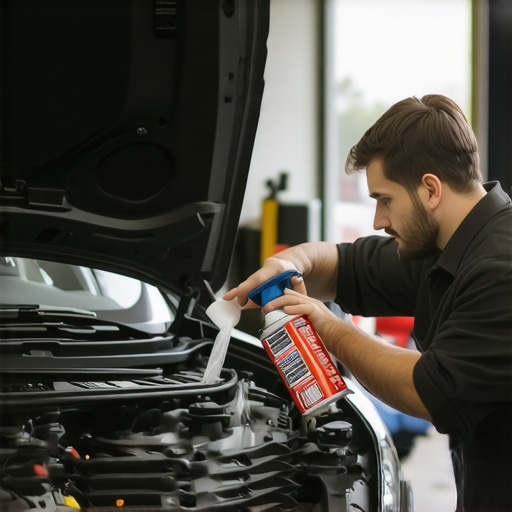
From my own experience, I once found myself stranded at a traffic stop after ignoring a rough idle warning. To fix this, I first located the idle air control (IAC) valve—often near the throttle body—by consulting my vehicle’s repair manual or online guides. I disconnected the electrical connector, then removed the valve using appropriate tools. After inspecting for carbon buildup or damage, I cleaned it with a carburetor cleaner—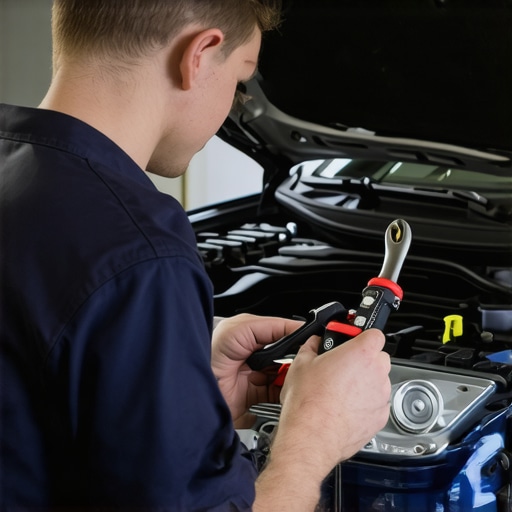 —ensuring to avoid splashing on sensitive parts. If cleaning didn’t improve performance, I replaced it with a new one, available at most auto parts stores. Reinstalling everything and starting the engine showed immediate smoother idling. Replacing an IAC valve can restore your engine’s proper idle behavior, especially if it’s causing stalls at stoplights.
Inspect and Service Your Transmission System
Next, I turned my attention to the transmission, understanding that slippage or shuddering can lead to stall issues. I checked the transmission fluid level using the dipstick—making sure the engine was warm and the car was on level ground. If the fluid looked dark or smelled burnt, I scheduled a transmission fluid exchange—preferably at a certified shop—since old fluid reduces lubrication and causes shifting problems. For manual transmission vehicles, I checked clutch operation and linkage. If the fluid was low or contaminated, topping up or replacing it with manufacturer-recommended transmission fluid made a noticeable difference. This step is crucial because a well-maintained transmission promotes smooth gear changes and prevents stalls related to gear engagement issues.
Evaluate Air Intake and Fuel Delivery
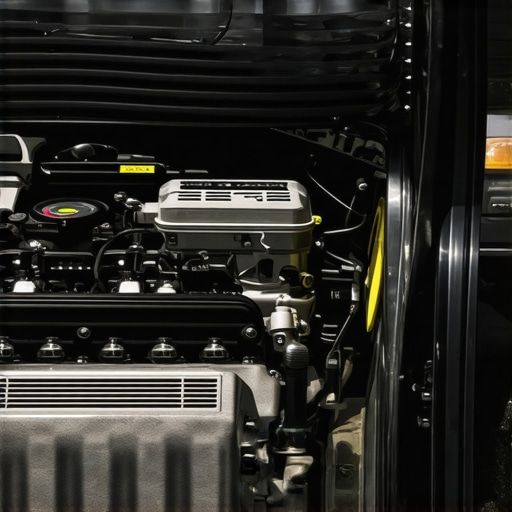
During my troubleshooting, I realized that clogged air filters and dirty fuel filters often mimic more complex issues. I removed the engine cover to access the air filter housing—similar to cleaning a barrier that restricts airflow, much like clearing a blocked nose facilitates breathing. A dirty filter restricts air, causing the engine to stall at idle. Replacing it is simple: just pull out the old filter and insert a new, OEM-quality one. Similarly, I checked the fuel filter—consulting my owner’s manual for its location—and replaced it if clogged, which improved fuel delivery consistency. Clean air and fuel are fundamental for stable engine operation, especially when idling at stops.
Verify Sensor Connections and Clear Error Codes
I then scanned my vehicle with an OBD-II scanner, which revealed a faulty mass airflow sensor. Such sensors inform the engine control unit (ECU) about incoming air—acting like a thermostat for the engine’s breathing. I disconnected the sensor connector carefully, cleaned the contacts with electronic contact cleaner, and reconnected it—. If the sensor was faulty after cleaning, replacing it restored proper air-fuel mixture control. Additionally, I cleared any stored error codes, which prevented the engine from misfiring during stops. Regular diagnostics prevent small issues from escalating into stalls and keep your vehicle running reliably.
Practice Routine Maintenance and Professional Diagnostics
Lastly, I established a maintenance schedule, including regular oil changes, vacuum hose inspections, and coolant checks—serving as the foundation for engine health. For complex problems or persistent stalls, I visited a certified mechanic with ASE certification—like a doctor specializing in your car’s health. They performed comprehensive diagnostics, including testing for vacuum leaks, limp mode triggers, or transmission faults. This proactive approach ensured that potential issues were caught early, saving money and preventing breakdowns at inconvenient times.
When it comes to car maintenance, there’s a lot of misinformation swirling around, especially regarding oil changes, transmission care, and the value of ASE certification. Many enthusiasts believe that simply sticking to the manufacturer’s recommended intervals guarantees longevity, but the real picture is far more nuanced. For example, relying solely on mileage markers without considering driving habits or environmental factors can lead to suboptimal maintenance schedules. A study by the Automotive Service Association highlights that personalized service, tailored to your vehicle’s unique usage, prevents many issues from escalating.
One common misconception is that all oil changes are alike. In reality, high-mileage or synthetic oils offer different benefits and require specific handling, especially as engines age. Skipping or delaying oil changes, thinking they are unnecessary if the engine seems quiet, can cause sludge buildup or worn piston rings, leading to decreased performance. Additionally, installing the wrong oil filter or using cheaper, non-OEM parts during a service can inadvertently cause more harm than good.
Transitioning to transmissions, many drivers underestimate the importance of fluid quality. A shudder when shifting gears, especially on uphill climbs, often points to degraded transmission fluid or neglected filter changes. Proper flushing, as opposed to simple drains, can extend the lifespan of your gearbox. For those concerned about performance, avoiding a full transmission rebuild by opting for targeted fixes—like replacing clutch packs or valves—can be both cost-effective and reliable. Learn more about how to troubleshoot transmission shuddering without a costly overhaul by visiting [this guide](https://autofixclinic.com/how-to-stop-your-transmission-shuddering-without-a-full-rebuild).
Furthermore, there’s a myth that ASE certification alone guarantees a mechanic’s competence. While ASE certification indicates a certain level of knowledge, it doesn’t automatically equate to quality service. Many skilled technicians lack formal certifications but possess extensive hands-on experience. The key lies in ongoing education and practical expertise. When searching for trustworthy service, verifying ASE certifications online can help, but inspecting customer reviews and asking questions about diagnostics ensures you’re not falling for common shop tricks, like unnecessary part replacements or upselling.
Advanced vehicle diagnostics have revealed that some issues, such as intermittent check engine lights, are caused by minor sensor faults or wiring problems—a nuance that untrained eyes might overlook. Staying informed about these complexities allows you to engage more effectively with your mechanic.
In conclusion, the depth of nuance in car maintenance goes beyond simple routines and myths. Understanding these intricacies enables you to make smarter decisions, potentially saving money and avoiding preventable breakdowns. Have you ever fallen into this trap? Let me know in the comments.Maintaining your vehicle is like tending a garden; it requires the right tools, consistent care, and the knowledge to recognize early signs of trouble. Over the years, I’ve refined a toolkit that combines professional-grade diagnostics with simple yet effective maintenance equipment. For instance, investing in a high-quality OBD-II scanner, such as the Autel AutoLink AL519, has been a game changer. It provides real-time data and comprehensive code reading, helping me quickly identify issues like a misfiring cylinder or transmission problems—even before the check engine light flashes. This proactive approach aligns with trends pointing toward smart diagnostics, where integration with smartphone apps offers even deeper insights into vehicle health.
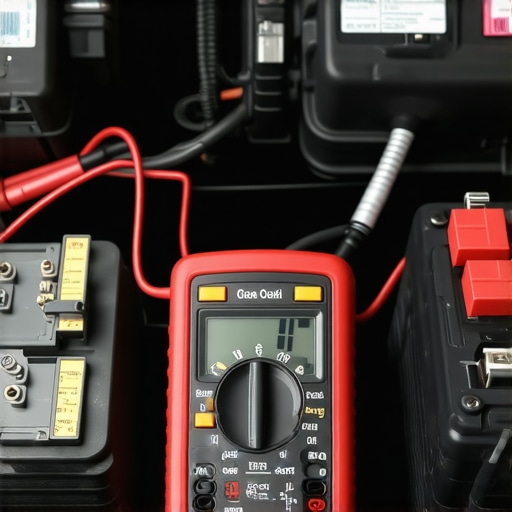
One of my favorite tools is a digital multimeter, crucial for verifying sensor signals and electrical connections, especially when diagnosing subtle faults like a failing ABS sensor or a weak alternator. The key is precision; I prefer a multimeter with auto-ranging capabilities and high accuracy, such as the Fluke 115. It saves time and minimizes guesswork during troubleshooting.
For long-term results, I emphasize regular software updates for diagnostic tools and vehicle ecu recalibration. These updates often contain critical fixes and compatibility improvements, which can make the difference between catching an issue early or facing costly repairs down the line. Nowadays, many ASE-certified technicians recommend using manufacturer-specific diagnostic software, like Toyota Techstream or BMW ISTA, which are tailored for deep system diagnostics — essential for modern vehicles with complex control modules.
When it comes to maintenance, DIYers should consider adding a vacuum gauge to their toolkit. A steady reading indicates good vacuum integrity, whereas fluctuations can signal leaks or worn piston rings, problems that can compromise engine performance over time. Using a vacuum gauge routinely, especially after repairs, ensures your engine breathes efficiently and reduces unnecessary wear.
Looking toward the future, vehicle diagnostics will continue evolving with AI integration, enabling predictive maintenance based on data trends rather than just reactive repairs. This shift will empower even hobbyists to perform more accurate diagnostics with minimal cost.
How do I maintain my car over time to prevent major issues?
A practical tip I recommend is committing to scheduled fluid analysis. Sending a small sample of your engine oil to specialized labs can reveal metal particle concentration, dirt levels, and additive depletion. This insight enables preemptive planning—say, scheduling an oil change before any damage occurs—saving money and avoiding breakdowns. For instance, high levels of ferrous metal particles in oil can forecast imminent bearing wear. Embracing this advanced approach might seem complex, but it builds on familiar oil change routines, making maintenance both smarter and more effective.
If you’re serious about long-term durability, I encourage trying out a professional-grade oil analysis or investing in a navigation-quality vacuum gauge for engine health checks. These tools elevate your maintenance game from reactive to predictive, giving you peace of mind on the road. Want to see how a simple tool can make your maintenance smarter? Check out online resources or your local auto parts store, and start integrating these techniques today.
Lessons Only the Experienced Driver Reveals About Oil Changes and Transmission Care
One lesson I rarely saw mentioned but quickly understood through my own missteps was the danger of neglecting subtle signs of wear—like a slightly off throttle or uneven shifting—which often indicate deeper issues than just routine maintenance. Overconfidence in quick fixes can make problems worse; patience and thorough diagnostics are your best allies.
Another insight is that ASE certification, while a mark of competence, isn’t a magic shield against all problems. It’s essential to combine certified expertise with your own ongoing education—reading about common pitfalls and staying curious keeps your vehicle healthier longer.
The toughest lesson? That ignoring warning signs like minor fluid leaks or unusual vibrations—thinking they were harmless—can lead to costly repairs. Recognize these signals early and act swiftly; solving small issues prevents big breakdowns down the road.
Lastly, I learned that investing in quality tools and reliable sources influences your car’s longevity far more than just following generic advice. From testing your transmission fluid to verifying sensor connections, having the right gear empowers you to take better control over your vehicle’s health.