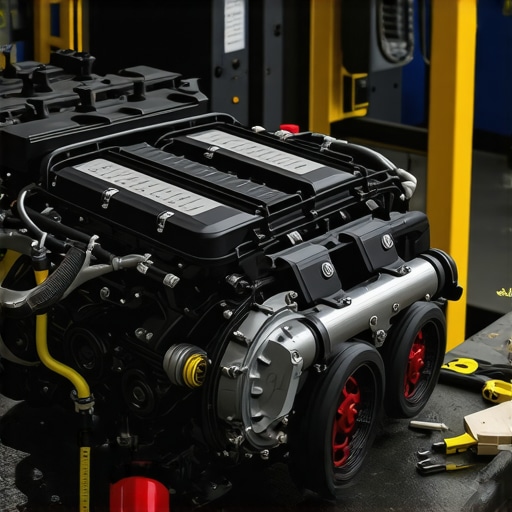
What an ASE Certification Actually Guarantees for Your Engine
I remember the moment clearly—sitting in my driveway with my engine making a strange, unsettling noise, and a flicker of doubt creeping in. I had just taken my car to a shop claiming their mechanic was ASE certified, which I assumed guaranteed quality and expertise. But as I listened to that weird ticking, I wondered: Does an ASE certification really mean my engine’s going to stay healthy? Or is it just a badge that sounds impressive?
Decoding the ASE Badge: What Does It Actually Guarantee?
For years, I trusted that if a mechanic was ASE certified, my engine was in safe hands. The ASE (National Institute for Automotive Service Excellence) certification is often considered a mark of professionalism and skill. But over time, I learned there’s more to the story. Certification sets a baseline for knowledge, but it doesn’t necessarily ensure that your engine will be protected from future issues. It’s a good starting point, but not a silver bullet.
Many car owners assume that an ASE badge means the mechanic can diagnose and fix every engine problem perfectly. However, I made the mistake early on of thinking that certification equaled infallibility. The reality is, a mechanic’s experience, the shop’s equipment, and ongoing training play vital roles too. So, what does ASE certification truly guarantee? According to industry experts, it primarily assures that the mechanic has passed certain exams and has a minimum amount of experience—think of it as a fundamental qualification rather than a guarantee of flawless service.
But here’s the catch: certification doesn’t automatically mean your engine is free from underlying issues or that the mechanic will catch every subtle sign of trouble. For example, I once took my car for an oil change where they claimed to be ASE certified. I didn’t realize at the time that I should also verify whether the service included checking for sludge buildup, a common problem overlooked by many shops. You can learn more about signs your 2026 oil change interval might be too short [here](https://autofixclinic.com/3-specific-signs-your-2026-oil-change-interval-is-too-short-2). That experience taught me an important lesson—certification is just one piece of the puzzle.
So, what can you realistically expect from an ASE-certified mechanic? They should have a solid foundational knowledge and follow industry-standard procedures. But ultimately, it’s up to you to understand what questions to ask and what signs of trouble to look for. As someone who’s been there, I can tell you that relying solely on a badge can sometimes lull you into a false sense of security.
Have you ever faced a situation where your trusted ASE-certified mechanic missed something a little more subtle? If so, you’re not alone. The key lies in being an informed car owner—knowing what to look for and how to verify the quality of service.
Test Your Mechanic’s Knowledge Directly
Instead of relying solely on the ASE certification, ask your mechanic specific questions about your vehicle’s issues. For example, if you notice a strange noise, inquire whether they’ve checked for common causes like worn transmission fluid or engine sludge. I once visited a shop for a slapping noise during acceleration, and by asking, I learned they hadn’t inspected the transmission fluid condition, which I later confirmed was overdue for a change. This proactive approach prevents overlooked problems.
Verify Certifications and Experience
Always verify that an ASE certification is current and valid. Use the online verification tool at this link. Many shops display fake patches, and a quick check can save you from subpar service. Additionally, ask about the mechanic’s experience with your specific make and model. For instance, when my friend’s Subaru started shuddering, the technician’s familiarity with CVT transmissions made a big difference, highlighting the value of experience.
Request Specific Service Checks
When getting an oil change, request that the mechanic checks for signs of sludge or contaminants, such as a thick, dark oil or metal flakes in the oil pan. I once asked my mechanic explicitly to inspect the sludge trap during an oil change. The result: they found significant buildup that could have led to engine damage if left unchecked. Being explicit about what to inspect ensures comprehensive care.
Learn to Recognize Early Warning Signs
Educate yourself on symptoms that indicate underlying issues, like the violent lurching when shifting into park (see here) or the burnt-toast smell under the hood (here). Being aware of these clues allows you to prompt a detailed inspection. For example, I noticed my car had a slight delay when shifting into reverse, which turned out to be worn transmission fluid, easily fixed when addressed early.
Ask About Service History and Completion
Always request proof that the work was done thoroughly. For oil changes, ask to see the used oil filter and confirm it was replaced, not just wiped clean (how to verify here). For transmission work, confirm that the fluid was drained and replaced properly, rather than a simple top-off. Good shops can demonstrate that they’ve followed proper procedures, giving you confidence in their work.
Practice Visual and Sensory Checks
Play an active role in your car’s maintenance by visually inspecting critical parts during every service. For instance, look for signs of leaking transmission fluid—red or brown stains—or check the tire wear pattern during a ride. I recently noticed my steering wheel vibrated slightly at high speeds, prompting me to ask a mechanic to check wheel balancing and suspension components, which prevented further issues.
Keep Learning About Your Vehicle
Stay informed about your car’s maintenance schedules and common failure signs. For example, understand when your 2026 oil change interval might be too short (see signs here) or when your transmission needs fluid replacement (details here). This knowledge empowers you to question and verify the work done, ensuring your vehicle remains in optimal condition.Many car owners operate under misconceptions about essential vehicle maintenance, particularly regarding transmissions, oil changes, and the significance of ASE certification. One common trap is believing that an ASE badge guarantees a mechanic’s infallibility. In reality, the certification primarily confirms a baseline knowledge and experience, but it doesn’t ensure ongoing training or specific expertise in advanced diagnostics. Relying solely on this badge can lead to overlooked subtle issues, like early signs of transmission wear or improper fluid levels.
Some assume that sticking rigidly to manufacturer’s recommended oil change intervals is always optimal. This can be misleading. For example, blindly following dashboard alerts without considering driving conditions or vehicle age might result in unnecessary or, conversely, insufficient maintenance. According to specialist insights, such as those from industry experts, staying informed about signs like accelerated oil deterioration or sludge buildup is crucial. Regular visual inspections and understanding symptom cues can prevent costly repairs.
An advanced question many enthusiasts ponder is,
“Should I trust the digital readouts entirely or perform manual checks for transmission fluid health?”
While digital sensors provide convenient data, they aren’t infallible. Fluids can degrade without changing levels significantly, and sensors may misreport due to calibration errors or sensor failures. Therefore, complementing digital readings with manual inspections—like checking for metallic flakes or burnt smell—offers a more comprehensive assessment. Studies highlight that proactive visual and sensory evaluations can detect issues earlier, saving time and money.
A common myth is that transmission fluid lasts forever once a lifetime fill. However, research and expert advice suggest that transmissions, especially modern CVTs, require periodic fluid changes to maintain optimal operation and prevent shuddering or slipping. Neglecting this can lead to severe damage, as detailed in technical analyses from transmission specialists.
In essence, understanding these nuances is vital. Relying solely on certifications or dashboard alerts without deeper knowledge can jeopardize your vehicle’s longevity. Instead, adopt a proactive, informed approach: verify certifications, ask specific questions during service, and employ visual and sensory checks regularly. Your engine and transmission will thank you.
Have you ever fallen into this trap? Let me know in the comments.
Maintaining your vehicle’s longevity requires more than just basic knowledge; it demands the right tools and methods that allow for accurate diagnostics and effective servicing. Personally, I rely on a combination of advanced diagnostic equipment and specialized software to ensure my car operates smoothly over the years. These tools help pinpoint issues before they become costly repairs, saving both time and money.
Investing in Quality Diagnostic Scanners
One of my essential tools is a professional-grade OBD-II scanner. Unlike generic code readers, my preferred device offers real-time data streaming, allows for custom parameter monitoring, and compatibility with manufacturer-specific protocols. This granularity helps me identify issues like transmission slip or oil sensor inaccuracies early. For example, using a tool like the advanced transmission diagnostic scanner, I regularly check for subtle shifts in gear engagement, ensuring my transmission fluid levels and quality are optimal.
Applying Precise Maintenance Methods
Beyond diagnostics, I focus on precise maintenance procedures. When performing oil changes, I use synthetic oils like Mobil 1, which resist breakdown at high temperatures and don’t evaporate prematurely, helping prevent issues like oil dilution in hybrids (verify ASE tech credentials to ensure quality service). I also employ a mechanical oil pressure tester to confirm oil circulation and pressure, especially in older engines, rather than relying solely on dashboard indicators. These detailed approaches help maintain optimal oil flow, which is critical for transmission, piston, and valve longevity.
Tools for Long-Term Performance and Scaling
Looking ahead, I predict that vehicle maintenance will become increasingly data-driven, with tools like mobile apps integrated with vehicle sensors providing predictive insights. Scaling this approach means investing in onboard diagnostics and telematics that monitor performance over time. For instance, GPS-enabled oil monitoring sensors can alert you to excessive consumption or contamination, making preventative maintenance easier. As vehicle electronics evolve, the ability to interpret this data correctly becomes vital—something I continually refine by staying updated through technical resources and training.
How do I keep transmission health reliable over years?
Consistent fluid management is key. I recommend periodically checking transmission fluid with a dedicated dipstick or sensor and replacing it at manufacturer-recommended intervals. Using a quality synthetic transmission fluid prescribed specifically for your vehicle model, along with a digital fluid tester, can enhance transmission lifespan. Regularly scheduling professional flushes and inspections ensures that contaminants don’t accumulate, preserving smooth shifting and preventing costly repairs down the line. Remember, early detection of fluid degradation or unusual noises through precise tools is the best way to avoid surprises on the road.
If you haven’t invested in a good diagnostic scanner yet, I encourage you to do so. It transformed how I maintain my vehicles, giving me confidence in my DIY efforts and making my mechanic visits more productive. Harnessing the right tools today sets the stage for reliable, long-term performance tomorrow.