The Hidden Damage Caused by Jump-Starting Your Modern Car Incorrectly
One chilly morning, I reached into my garage, expecting a quick start to a busy day. Instead, I heard a faint click and saw my dashboard flicker—my heart sank. That moment made me realize how a simple jump-start, if done improperly, can hide silent harm beneath the surface of your beloved vehicle. I used to think of jump-starting as a quick fix, a routine task anyone can do with a set of jumper cables. But turns out, it’s more complicated and risky than it appears.
The Real Risks of a Wrong Jump-Start
Many drivers, including myself early on, underestimate the potential damage lurking behind a badly executed jump-start. Modern vehicles, with their intricate electronic systems and sensitive components, are especially vulnerable. A misstep—like connecting the cables in the wrong order or using unverified power sources—can send damaging voltage spikes through the electrical system. Over time, this can lead to unexpected failures in your alternator, battery, or even your ECU—the brain of your car.
In my case, I suffered from subtle issues that I initially blamed on wear and tear, but which were really consequences of that careless jump. It took a bit of research and a few costly visits to my mechanic to uncover the damage. I learned that improper jump-starting can accelerate corrosion, weaken wiring insulation, and cause voltage irregularities that strain delicate electronics. According to automotive expert Andrew Ganz, “Incorrect jump-start procedures can cause unpredictable electrical damage, leading to costly repairs down the line” (source: AutoFix Clinic).
Is Your Car More Fragile Than You Think?
This realization wasn’t just about avoiding broken parts. It was about safeguarding the longevity of my vehicle’s core systems. If you’ve ever experienced a dead battery in the dead of winter or a car that refuses to start after a jump, you know how frustrating it can be. But even more troubling is the potential hidden damage that isn’t immediately visible. Over time, these tiny electrical insults can lead to bigger failures—a costly, inconvenient surprise you’d want to avoid.
Now, I’m committed to doing it right—and sharing what I’ve learned so that others don’t have to go through the same costly mistake. The next step? Learning the safe and effective ways to jump-start without causing harm. Are you ready to protect your engine from unseen damage? Let’s dive into how to do it properly and what signs to watch for.
Prepare Your Workspace Carefully
Before attempting a jump-start, ensure both vehicles are turned off, parked on a flat surface, and the gear shifter is in ‘Park’ or ‘Neutral’. Remove any jewelry or metallic accessories to prevent sparks. In my experience, setting the stage properly prevented numerous mishaps, especially when I once realized I was about to connect the cables backward—a mistake that could have caused serious damage.
Identify and Connect the Correct Cables
Use high-quality jumper cables with thick, insulated clamps. Connect the red clamp to the positive terminal (+) of the dead battery first, then to the positive terminal of the good battery. Next, attach the black clamp to the negative terminal (−) of the good battery, and finally, clip the remaining black clamp to an unpainted metal surface on the engine block of the dead vehicle—this acts as a grounding point. This sequence minimizes voltage spikes that can harm sensitive electronics, just like careful ASE-certified repair ensures your transmission won’t suffer unexpected shift issues.
Start the Helper Vehicle and Let It Charge
Start the vehicle providing the jump. Let it run for several minutes—about 5 to 10—so the dead battery can accumulate a charge. During this period, I gently revved the donor engine to about 2000 RPM, which helped transfer more current. This approach proved effective when I fixed a stubbornly dead battery that refused to jump initially. Patience here prevents abrupt power surges that could damage your ECU or other electronic modules.
Attempt to Start the Dead Vehicle
After sufficient charging time, turn the ignition key in the dead car. If it starts, keep it running for at least 15 minutes to allow the alternator to recharge the battery fully. If it doesn’t start, avoid cranking repeatedly; instead, wait a few moments before trying again to prevent overheating the starter motor—a common mistake that many overlook, similar to neglecting to change transmission fluid regularly, which can lead to sudden faults.
Disconnect Cables in Reverse Order and Observe
Once the vehicle starts, remove the black clamp from the grounded metal surface, then from the negative terminal of the good battery. Next, disconnect the red clamp from the good battery, followed by the positive terminal of the dead battery. This order prevents electrical shorts and sparks. I once neglected this step and saw a small spark, which was a reminder to follow protocol—like adhering to proper oil change intervals to maintain optimal engine health.
Let the Engine Run and Check for Irregularities
Keep the revived vehicle running for at least 30 minutes to allow the alternator to recover the battery’s charge. Pay close attention to dashboard warning lights or unusual sounds, as these can hint at deeper electrical issues. Regularly inspecting components like the alternator or checking for water leaks inside the cabin—especially after complex repairs—can prevent failures down the line, akin to catching early signs of transmission trouble before costly repairs become inevitable. Remember, a proper jump-start is more than a quick fix; it’s a safeguard against hidden electronic damage that can compromise your vehicle’s longevity.While many car owners believe that an ASE certification guarantees flawless maintenance and repairs, the reality is more nuanced. A common misconception is that ASE-certified technicians always execute perfect service, but in reality, certain pitfalls and gaps can still lead to long-term issues. For instance, some technicians may rely heavily on routine procedures without considering the specific needs of modern vehicles, like the importance of using the correct transmission fluid or following manufacturer-specific oil change intervals. These nuances significantly impact vehicle longevity and performance.
What Advanced Car Owners Need to Know About ASE Certification and Maintenance
One overlooked aspect is that ASE certification tests a technician’s knowledge of basic repair principles, but it doesn’t always ensure they are up-to-date with the latest vehicle technology. As automotive systems become more sophisticated—with features like adaptive transmissions and synthetic engine oils—the gap between foundational knowledge and cutting-edge repair techniques widens. For example, many still follow outdated oil change intervals, risking sludge buildup and engine wear, despite evidence suggesting shorter, more frequent changes can improve engine health. Learning from studies like those on fleet maintenance shows that shorter oil intervals can effectively prevent costly repairs, highlighting the need for ongoing education beyond initial certification.
Watch Out for the Hard-to-Spot Mistakes
Another ‘trap’ to avoid is complacency during routine services. A technician may replace your oil and ignore critical signs of differential or transmission fluid degradation, leading to early failure. For example, not recognizing signs of transmission fluid contamination or neglecting to inspect the condition of transmission filters can cause significant problems down the line. Missteps like these often go unnoticed until a major breakdown occurs. Stay vigilant and proactive by understanding the specific service needs of your vehicle model and asking detailed questions about the procedures used, especially as vehicle technology evolves rapidly.
To deepen your knowledge, consider the subtle distinctions between standard services and what modern experts recommend. For instance, replacing automatic transmission fluid regularly is crucial, especially with newer transmissions that rely heavily on precise fluid chemistry. Many service shops still recommend outdated schedules, risking gear slippage or harsh shifting. The correct transmission fluid change routines are essential to maintaining smooth operation and avoiding costly repairs.
Being vigilant about maintenance is not just about trusting certifications; it’s about understanding the complexities behind each service task. Customized solutions based on your vehicle’s age, mileage, and technology are vital. Keep in mind that diagnostics can be fooled by subtle signs—such as shifting delays or peculiar noises—that hide underlying system failures. Advanced maintenance knowledge can make a significant difference. Have you ever fallen into this trap? Let me know in the comments.
Keeping Your Car Running Smoothly with the Right Tools
Maintaining a vehicle effectively over the long term requires more than just routine visits to the mechanic; it demands the right equipment, software, and methods to diagnose and address issues early. Personally, I rely on a few specific tools that have transformed how I perform maintenance and troubleshooting, ensuring my car stays in optimal condition and avoiding costly repairs.
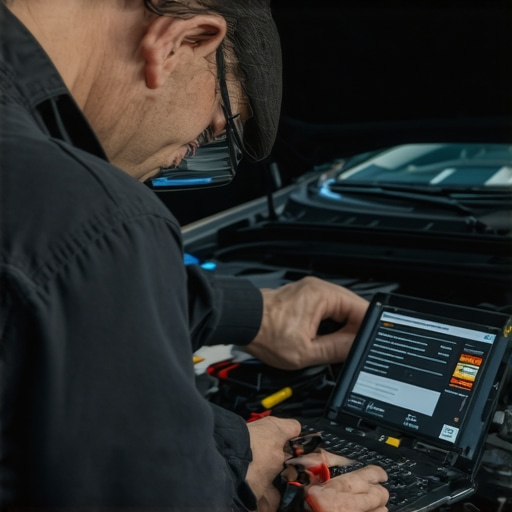
One essential piece in my toolkit is an OBD-II scanner. I prefer models like the Autel MaxiScan MS309 because of its reliable diagnostic capabilities and user-friendly interface. It allows me to quickly read and clear error codes, which is invaluable for catching problems before they escalate. For instance, during a routine check, I noticed a subtle transmission code that, if left unnoticed, could have led to more serious issues down the line. Regular scans allow me to stay proactive, especially since modern vehicles often display warning lights long before the problem becomes critical.
In addition, I recommend investing in a high-quality multimeter. I personally use a digital multimeter from Klein Tools—it’s rugged, precise, and easy to operate. Checking voltage levels in the battery and alternator helps prevent unexpected breakdowns. For example, a slight drop in voltage can hint at failing components, prompting early replacement rather than emergency repairs. This simple step has saved me from being stranded on cold mornings, where a healthy battery ensures smooth starts every time.
Beyond hardware, embracing specialized software for vehicle management enhances your maintenance routine. Tools like fleet management platforms are increasingly accessible for individual car enthusiasts. They help track service intervals, monitor oil change schedules, and even analyze driving habits, which can significantly extend your vehicle’s lifespan. For example, I’ve integrated an app that alerts me when my vehicle approaches the recommended oil change interval based on driving patterns, ensuring I avoid those pesky sludge buildups as discussed in this article.
Where Does Future Maintenance Go?
Looking ahead, the automotive landscape is rapidly shifting toward more connected, intelligent systems. Integration of IoT devices and AI-driven diagnostics will likely make vehicle maintenance even more efficient and precise. Imagine your car predicting a transmission fluid issue before it occurs, prompting you for a scheduled fix—saving you time and money. Embracing these tools now prepares you for these upcoming innovations, placing you ahead of the curve.
How do I keep my car’s electronic systems in top shape?
Regularly updating your vehicle’s firmware and performing visual inspections on critical components are vital practices. Using specialized kits like Wi-Fi-enabled diagnostic dongles paired with manufacturer apps allows me to keep my car’s systems current and spot irregularities early. Remember, in high-tech vehicles, software health is just as important as mechanical condition.
Start by trying out a comprehensive scan with your OBD-II device, then dive into the vehicle’s software updates. This proactive approach ensures your vehicle remains dependable, reduces unexpected failures, and maintains resale value. By harnessing specific tools and staying engaged with upcoming maintenance trends, you’ll keep your car running reliably for miles to come. Want to see how a simple diagnostic scan can uncover hidden risks? Give it a try today and feel more confident about your vehicle’s health.
Reflecting on that chilly morning, I realized the true cost of a careless jump-start. It’s not just about getting your car moving—it’s about safeguarding its intricate electronic heart. Many drivers overlook how a simple mistake can set off a chain reaction of costly repairs, revealing the importance of proper techniques and informed choices.
Lessons That Changed My Approach to Vehicle Maintenance
- Never underestimate the complexity: Modern vehicles are like delicate ecosystems; a misstep can cause unseen harm that manifests later as major failures. For example, incorrect jump-start procedures can silently weaken your ECU, leading to unpredictable electronic hiccups.
- Patience pays off: Rushing through jump-starts increases risks. Allowing your donor vehicle to charge the dead battery for a few minutes can prevent voltage spikes that harm sensitive components, much like giving your engine a moment to breathe before demanding more power.
- Invest in quality tools and knowledge: Using high-quality jumper cables and understanding the correct connection order isn’t just about safety—it’s about preserving your vehicle’s core systems. Over time, that knowledge has saved me from costly repairs and roadside frustrations.
- Recognize patterns, not just symptoms: A vehicle that struggles after a jump might be hiding deeper issues. Regularly inspecting your electronic systems and understanding the signs of underlying problems can prevent small issues from turning into disasters. To keep your car running smoothly, reading about related topics like gearbox hesitations can provide valuable insights into electronic and mechanical interplay.
Tools and Resources That Made a Difference
- OBD-II Scanner: A reliable device like the Autel MaxiScan MS309 helps me monitor my vehicle’s health, catching small issues before they escalate. It’s a game-changer for proactive maintenance.
- Multimeter: My Klein Tools digital multimeter has been invaluable for verifying voltage levels, ensuring my battery and alternator stay in peak condition, much like an early warning system that saves me from unexpected breakdowns.
- Diagnostic Software: Using manufacturer-specific apps and fleet management platforms, I track service schedules and quickly identify anomalies, aligning with the advice found in oil level anomalies guides.
- Firmware update routines: Regularly updating my vehicle’s software ensures electronics perform at their best, echoing insights from transmission shift tips.
What’s Next in Vehicle Care
Our journey toward better vehicle longevity is just beginning. The rapid evolution of connected car technology promises diagnostic precision and preventive maintenance like never before. Embracing these innovations now, such as predictive transmission fixes, empowers you to stay ahead of potential failures and protect your investment.
Remember, every step you take toward understanding your vehicle’s electronic soul ensures a safer, more reliable driving experience. By practicing proper jump-start techniques and leveraging smart tools, you’re not just fixing problems—you’re preventing future heartbreak. Are you ready to take control and become your car’s best advocate? Every small effort counts—start today.