Why Your Car Pulls to One Side Even After New Tires
It was a frustrating weekend for me. After spending a good chunk of my Saturday replacing those worn-out tires on my car, I expected smooth sailing. Instead, I got a constant pull to the left that made steering feel off and frustrating. I honestly felt like I’d wasted my time — or worse, perpetuated the problem I was trying to fix. Ever been there? That lightbulb moment when you realize new tires aren’t always the fix? Well, you’re not alone, and there are real reasons behind this sneaky issue.
Spotting the Real Cause of Your Pulled-Over Car
The truth is, if your car still pulls to one side after a tire change, there’s a good chance the problem isn’t just the tires themselves. It could be a misaligned suspension, uneven brake wear, or even a problem with the steering rack. Perhaps you’re dismissing subtle signs that something deeper is wrong, like a slightly crooked steering wheel or uneven tire wear patterns. As I learned early on, a common mistake is assuming that new tires automatically fix misalignment issues. That’s a gamble I took, and it cost me valuable time and money. Instead, it’s wise to get a proper wheel alignment and check for underlying issues.
Did you know that improper wheel alignment can reduce tire life by up to 10,000 miles and affect fuel efficiency? According to experts at CarMD, misalignment isn’t just about steering; it can influence overall vehicle safety. So, before you head off to buy a new set of tires again, ensure that your suspension and alignment are in check.
If you’re sitting there, wondering whether the problem is with your car or just your nerves, I get it. I’ve been there too. But knowing the reasons behind these issues can save you a lot of hassle. And speaking from experience, taking a systematic approach rather than just replacing parts blindly makes all the difference.
Now that we’ve dived into why your car might pull, let’s explore the specific steps you can take to diagnose and fix the root cause. Trust me, it’s more straightforward than you think, and the payoff is a smoother, safer ride that lasts longer.
Check Your Wheel Alignment and Suspension
Start with a visual inspection of your suspension components. Look for bent or worn control arms, ball joints, or tie rods that could cause misalignment. Take a digital photo of your steering wheel and compare it to your wheels when driving straight. I once noticed my steering wheel was slightly off-center after a tire swap, which pointed me toward suspension issues. If you spot any damaged parts or uneven steering, schedule a professional alignment. Proper alignment ensures your tires wear evenly and your vehicle tracks true, preventing pull problems.
Perform a Road Test to Confirm
Once you suspect alignment issues, test drive on a straight, flat road. Keep a steady speed and observe whether the car drifts or pulls to one side. Note any vibrations or uneven feedback in the steering wheel. This step helps distinguish between alignment problems and other potential causes like brake drag or tire imbalance.
Verify Tire Balance and Condition
Uneven or unbalanced tires can mimic alignment issues. Use a bubble balancer or visit a shop that performs dynamic balancing. During my last tire change, I initially thought misalignment was to blame, but after a professional balance, the pull disappeared. Also, check for uneven tire wear patterns—if certain areas are smoother or more worn, that’s a sign of misalignment or suspension issues. Regularly inspect your tires for cuts, bulges, or embedded debris that can affect handling.
Inspect Brake Components
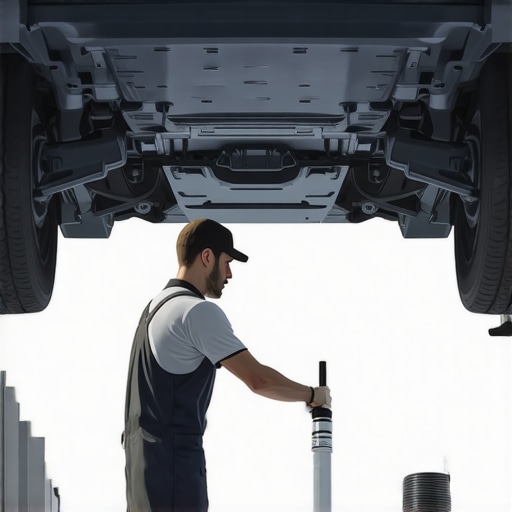
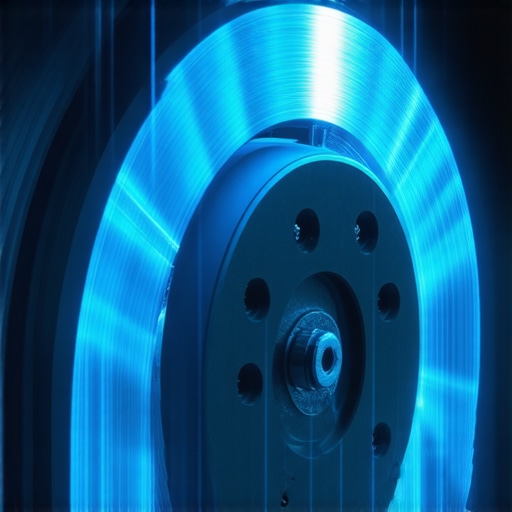
Sometimes, sticking or dragging brake calipers cause steering pulls. Safely lift the vehicle and spin each wheel manually. If you notice resistance or uneven rotation, brake caliper issues might be at fault. Look for leaking brake fluid or uneven pad wear. A seized caliper can tug the wheel, causing the pull. For detailed brake issues, consider reading this comprehensive guide on brake system problems.
Assess Steering System Health
The steering rack and power steering components are crucial. Listen for whining noises or stiff movements, which may indicate fluid leaks or worn bushings. A quick test involves turning the steering wheel lock-to-lock and feeling for excessive play or unusual resistance. If the steering feels notchy or uneven, inspect the steering column, rack, and associated linkages. Regularly check your power steering fluid level and quality; low or contaminated fluid can cause steering issues. If unsure, consult a certified mechanic for an ASE certification check on their credentials and expertise.
Understand the Limitation of Quick Fixes
Replacements like new tires without addressing underlying suspension or alignment are temporary solutions. For instance, I once replaced tires on my SUV without checking alignment, only to see the pull return shortly after. Proper fixes involve a combination of wheel balancing, alignment adjustments, suspension repairs, and system checks. Remember, neglecting these steps can lead to premature tire wear and compromised safety.
Know When to Seek Professional Help
If your vehicle still pulls after these steps, it’s time to visit a trusted mechanic. Prioritize ASE-certified technicians—they have verified expertise, which you can confirm online via ASE certification verification. They will perform a comprehensive diagnostic, including computer alignment scans and specialized suspension tests. This approach saves you time and prevents costly damage from misdiagnosis.
Many car owners operate under misconceptions when it comes to ASE certifications, routine oil changes, and transmission repairs. A common myth is that all ASE-certified mechanics guarantee perfect service, but in reality, certification indicates a mechanic’s competency, not their honesty or attention to detail. Some think that an oil change is merely about draining and refilling, overlooking the importance of inspecting for sludge buildup, contaminated fluid, or gasket wear—factors that significantly impact engine longevity. For example, following the standard 10,000-mile oil change interval without considering driving conditions can lead to engine sludge, as highlighted in studies on oil degradation, risking costly repairs down the line.
A particularly insidious mistake is believing that a transmission flush always solves slipping or shuddering issues. While it might temporarily improve shift smoothness, aggressive flushing can dislodge debris that clogs small passages, worsening internal wear. Understanding the nuances between a simple drain-and-fill and a full flush is crucial; the latter should be performed only with proper tools and expert knowledge, as missteps can accelerate wear or damage your gearbox.
Advanced Question: How does ASE certification ensure mechanic competence in complex issues like transmission diagnostics?
Intensive research shows that ASE certification primarily measures a technician’s knowledge in diagnostic procedures, not necessarily their practical skill in complex repairs. This means that while certified technicians understand the theory behind car systems, actual hands-on experience is indispensable—especially with advanced systems like CVTs or hybrids. For example, diagnosing a subtle solenoid failure requires experience beyond certification, as misdiagnosing may lead to unnecessary transmission replacement. To verify a technician’s expertise, consider cross-referencing their certification details via ASE certification verification.
Overconfidence in routine service can be dangerous. Avoid falling into the trap of relying solely on basic checks or quick fixes. For instance, a simple oil top-up won’t address underlying issues like contaminated fluid or worn-out seals. Similarly, overlooking the importance of proper transmission fluid type and fill level can cause more harm than good. When in doubt, seeking a detailed diagnostic from a trusted, ASE-certified mechanic ensures your vehicle gets the care it needs—long-term.
Have you ever fallen into this trap? Let me know in the comments.
Investing in the Right Equipment Makes All the Difference
When it comes to maintaining your vehicle over the years, having a set of reliable, precise tools is crucial. Personally, I rely on a high-quality digital torque wrench like the Tekton Digital Torque Wrench because it ensures that I tighten components to manufacturer specifications, which is vital for safe and long-lasting repairs. An analog torque wrench is fine for general tasks, but digital models tend to provide more accurate readings, especially for critical areas like transmission components or suspension parts. Verifying ASE-certified mechanics is also part of my toolkit. It guarantees that trusted professionals handle diagnostics that require specialized equipment.
Software Solutions Help Keep Your Maintenance Trackable
Modern car maintenance relies heavily on data-driven tools. I use an app like OBDLink combined with a compatible scanner to diagnose issues early and monitor sensor data over time. This combination provides real-time insights into engine health and transmission performance without the need for a diagnostic center appointment. I also recommend maintenance tracking apps like Fuelly or myCarfax to log oil changes, filter replacements, and fluid checks. These platforms keep you ahead of scheduled services, helping avoid costly repairs caused by neglected maintenance. In the future, I predict these tools evolving with AI-powered diagnostics that can preemptively alert you to impending failures based on driving patterns and sensor data.
Routine Checks That Preserve Longevity
Beyond tools and software, adopting a routine inspection habit can make a significant difference. Regularly checking your transmission fluid level and condition, for example, is a simple yet effective way to prevent shifting issues. Just remember that synthetic oils, especially in newer models, can degrade faster if contaminated—learning to recognize the burnt sugar smell under the hood (see this guide) can save your transmission. Also, inspecting drive belts for cracks or leaks ensures you catch wear early before the belt fails. Short-term maintenance in these areas prevents long-term headaches and costly repairs.
Going the Extra Mile with ASE Certifications
Always verify your mechanic’s credentials before entrusting them with complex issues, including transmission work and oil changes. Certified ASE professionals have demonstrated a high level of knowledge—a must-have for intricate tasks like diagnosing subtle solenoid faults (see more here). To ensure you’re selecting a qualified technician, I recommend checking their ASE certification status online. This step is critical because, as I mentioned earlier, certification alone doesn’t guarantee experience, especially with the latest transmission tech. But combined with tools and ongoing education, working with ASE-certified mechanics significantly boosts your vehicle’s long-term reliability. Try implementing regular software diagnostics or torque checking this month—you’ll be surprised how much smoother your car runs when maintained proactively.
The Hardest Lesson I Learned About ASE certified,oil change,car service,transmission
One of the toughest lessons I faced was realizing that a mechanic’s certification doesn’t automatically guarantee flawless service. I once trusted an ASE-certified technician for a simple oil change, only to find my engine oil was still contaminated weeks later. It taught me that even certifications are just part of the puzzle; experience and diligence matter more than credentials alone.
3 Myths About ASE certified,oil change,car service,transmission That Held Me Back
I used to believe that all ASE-certified mechanics were equally qualified for every task, but the truth is, specialization varies. For instance, a technician may be certified in engine repair but lack experience with modern CVT transmissions, which require different expertise. Debunking these myths helped me seek out specialists for complex issues, saving time and money.
What Experts Won’t Tell You About ASE certified,oil change,car service,transmission
Many experts know that certification focuses on theoretical knowledge rather than practical skill. This was eye-opening when I learned that a mechanic might pass exams but still struggle with nuanced diagnostics like subtle transmission shifts or diagnosing synthetic oil degradation. Now, I prioritize hands-on experience and continuous learning over credentials alone.
Resources That Changed How I Approach Car Maintenance
- Auto Fix Clinic blog: Offers detailed guides on spotting fake ASE patches and understanding true mechanic expertise. Trustworthy advice helps me make informed decisions.
- Verified ASE Certification Checks: I use their online tool to confirm my mechanic’s credentials, ensuring I get quality service. It’s been a game-changer for peace of mind.
- Specialized Repair Guides: Resources that delve into transmission work, like diagnosing second gear jerk, help me understand when to seek expert help and what questions to ask.
Your Move Toward Smarter Maintenance
The realm of ASE certification, oil changes, car service, and transmission repair is more complex than most realize. The key is to stay curious and proactive—ask questions, verify credentials, and keep learning. Your vehicle’s health depends on your vigilance and willingness to dig beneath the surface. Now’s the time to take control and become the savvy car owner you aspire to be.