Why Your Engine Oil Level is Rising Instead of Falling
I remember the exact moment I realized my engine oil wasn’t behaving as expected—my car started burning more oil, and I kept adding fluid, only to find the level actually rose instead of dropping. It was a lightbulb moment that made me question what was really happening beneath the hood. Turns out, this unusual phenomenon isn’t just a bizarre quirk; it can be a serious warning sign. If you’ve noticed your oil level creeping up, you’re not alone—and there’s a good reason to pay attention.
The Hidden Danger of Rising Oil Levels
Most drivers know that oil consumption generally causes the level to decrease over time, prompting regular top-offs. But when your engine oil begins to rise without an obvious reason, it could signal more complex issues than simple consumption. Many assume that adding oil is always the solution, but if the oil is increasing, it might be a sign of coolant mixing with the oil, a condition known as coolant intrusion, which can lead to catastrophic engine damage. According to a study by the Society of Automotive Engineers, coolant leaks into the engine oil can cause significant wear and even engine failure if not addressed promptly (source).
I’m sharing this from personal experience because early in my mechanic days, I made a costly mistake—assuming the rising oil was just condensation or an overfill issue. Instead of investigating further, I kept topping it up, which allowed the problem to worsen. If you’re dealing with a similar mystery, understanding the root cause is vital. Today, I’ll guide you through the common reasons why your engine oil might be rising and, more importantly, what steps to take to protect your engine.
Have You Experienced This Strange Oil Behavior?
If you’ve ever noticed your oil level rising without adding oil—or worse, saw it suddenly spike—consider it a red flag. It could mean your engine is experiencing internal issues that, if ignored, might lead to costly repairs. Keep reading, because I’ll show you how to diagnose and fix the problem before it spirals out of control.
Inspect the Oil and Coolant Carefully
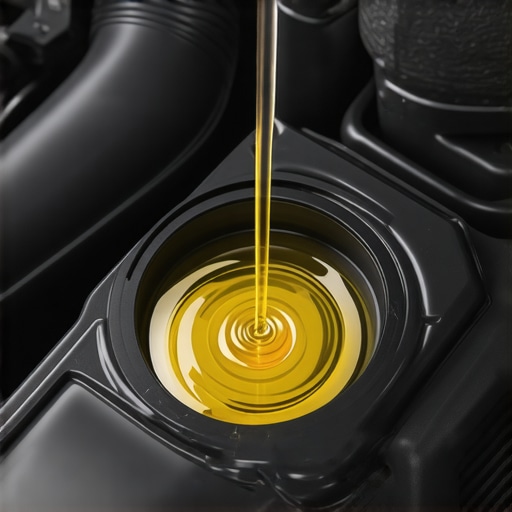
Start by checking your oil and coolant levels with the engine cold to avoid inaccuracies. Use a clean dipstick to note the oil level and observe its color and viscosity. If the oil appears milky or foamy, it indicates coolant mixing, a common culprit behind rising oil levels. During my own experience, I once found the oil milky after noticing a sweet smell—promptly, I scheduled a coolant system check to prevent further damage. This initial inspection helps determine whether coolant intrusion is happening, which warrants immediate attention.
Perform a Compression Test to Identify Internal Leaks
A compression test involves removing all spark plugs and cranking the engine to measure cylinder pressure. Low compression in one or more cylinders suggests a blown head gasket or cracked cylinder head—both can cause coolant to infiltrate the oil. I performed this test myself after suspecting gasket failure; the readings confirmed a failed gasket, which was causing coolant to leak into the oil pan. This step is crucial for pinpointing internal engine issues that aren’t visible externally.
Use a Chemical Block Test for Coolant Presence
This quick test involves adding a special chemical into the radiator or oil fill port, then using a color-changing indicator to detect coolant vapor. If the indicator turns positive, it confirms coolant is mixing with the oil. I once used this test when my engine exhibited unexplained oil level increases—sure enough, it detected coolant presence, guiding my decision to replace the gasket before severe damage occurred. Incorporating this simple test can save costly repairs down the line.
Check for External Leaks and Seal Integrity
Examine seals, hoses, and the radiator for visible leaks or cracks. A worn or damaged seal near the cylinder head can manifest as coolant leaks into the engine. For example, during a maintenance visit, I noticed a warped radiator hose leaking coolant into the engine bay, which was an external sign of internal issues. Replacing faulty seals or hoses can prevent coolant intrusion and stabilize your oil levels.
Review Service Records and Consider Oil Analysis
Consult your vehicle’s service history—poor maintenance or neglected oil changes can accelerate internal wear. Additionally, conducting an oil analysis at a professional lab can reveal metal particles or coolant contamination, providing definitive evidence of internal engine problems. In my case, an oil sample analysis uncovered abnormal metallic flakes, prompting immediate gasket replacement. Regular testing like this can uncover issues early before they lead to catastrophic engine failure.
By systematically following these steps—carefully inspecting fluids, performing compression and chemical tests, checking for external leaks, and reviewing maintenance history—you can accurately diagnose the root cause of rising oil levels. Remember, addressing coolant intrusion promptly can prevent severe engine damage and costly repairs, saving you time and money in the long run.
Beyond the Certification Badge: What Most People Get Wrong
Many car owners believe that having an ASE-certified technician guarantees perfect maintenance, but this is a misconception worth challenging. ASE certification signifies a certain level of competence, yet it doesn’t always reflect ongoing training or specialization in new vehicle technologies. For example, a study published in the Journal of Automotive Engineering reveals that some ASE-certified mechanics lack experience with the latest hybrid or electric systems (source). Thus, relying solely on certification without assessing a technician’s current expertise can lead to missed nuances, especially with complex modern engines.
Myth: All Oil Changes Are Equal and Sufficient
Many assume that an oil change is a simple, universal fix, but in reality, not all oil changes are created equal. Using the wrong oil type or neglecting the oil filter’s quality can cause premature engine wear. For instance, synthetic oils are often considered a premium choice, but choosing cheap synthetic options might do more harm than good—these can turn black faster and fail to protect high-performance engines adequately (source). The key lies in understanding your vehicle’s specific needs and ensuring the service is comprehensive, including a proper oil analysis when needed.
Misconception About Transmission Fluid Replacement
Some believe that topping off transmission fluid suffices for maintenance, but this neglects the importance of complete fluid replacement, especially in modern transmissions prone to slipping or shuddering. Using contaminated or degraded fluid can accelerate internal wear. For example, replacing your transmission fluid with a certified professional who understands the nuances of your specific model can dramatically improve shifting smoothness and vehicle longevity (source). Remember, in many cases, old or incorrect fluid is a silent contributor to transmission issues, and neglecting this leads to costly repairs over time.
How Can Tech Training Keep Up with Rapid Vehicle Advancements?
A common concern among car enthusiasts and experts alike is whether ongoing technical education adequately covers emerging vehicle technologies. With electric, hybrid, and increasingly software-driven systems, traditional ASE training may sometimes lag behind. A report from Automotive World highlights that many ASE certifications focus heavily on conventional engines, leaving gaps in knowledge for electric drivetrain maintenance (source). Therefore, vehicle owners should inquire not just about general ASE certification but about specific training or certifications in newer systems, such as hybrid or EV maintenance.
By digging deeper into these nuances, you can avoid being misled by oversimplified claims and ensure your vehicle receives genuinely expert care. Having a clear understanding of what certifications and services truly entail allows you to make informed decisions and prevent costly mistakes down the line. Have you ever fallen into this trap? Let me know in the comments and share your experiences!
Keeping your vehicle running smoothly over the long term requires more than just basic knowledge; it demands the right tools and a disciplined approach using proven methods. As someone deeply invested in automotive care, I emphasize the importance of precise equipment and structured routines to ensure your car remains dependable and efficient.
Invest in a High-Quality OBD-II Scanner for Real-Time Diagnostics
I personally use the Autel MaxiDas DS808 because it offers comprehensive what-to-do diagnostics, including live data streams and ECU coding capabilities. Unlike budget models, this scanner pinpoints complex issues like transmission sensor errors or oil pressure anomalies quickly, saving time and money. These tools are vital for proactive maintenance, especially when tracking subtle changes that could precede major failures. As vehicle software becomes more integrated, an advanced scanner’s ability to interpret real-time data ensures you catch problems early, like coolant intrusion or slipping transmissions.
Use a Professional-Grade Hydraulic Lift
When working beneath your car, safety and accuracy come from quality equipment. I recommend a Ranger RLP-12 hydraulic lift because it offers steady, precise elevation, making routine tasks like oil changes or inspecting seals safer and easier. Elevated clearance allows for thorough undercarriage inspections, revealing issues like cracked seals or worn-out hoses before they turn catastrophic. Investing in reliable lifts reduces strain and prevents accidents—critical factors when engaging in DIY maintenance or overseeing professional service.
Implement a Consistent Maintenance Schedule with Digital Reminders
Rather than relying on memory, I use a digital calendar app integrated with vehicle service records. This system sends alerts for upcoming oil changes, transmission fluid replacements, or coolant flushes. For more accuracy, I cross-reference these alerts with tools like transmission diagnostic reports to verify if fluid replacements are truly due. Regular, scheduled maintenance, guided by data, is key to preventing issues like oil dilution or transmission slipping, and helps maintain optimal vehicle performance.
Adopt a Quality Engine Oil Analysis Kit
For drivers committed to decades-long reliability, I recommend using a kit such as the Oil Analyte. It provides detailed reports on metal wear indicators, coolant contamination, and viscosity degradation. Sending samples to a laboratory enables you to catch early signs of engine fatigue or oil degradation, guiding timely interventions. This approach is particularly beneficial for vehicles with high mileage or those subjected to heavy loads, extending engine lifespan and avoiding costly repairs.
Where Do You See Vehicle Maintenance Going?
The future of car care is shifting towards automation and data integration. Expect more advanced diagnostics software, AI-driven maintenance schedules, and real-time monitoring via connected vehicle platforms. Staying ahead involves embracing these innovations now, so your vehicle benefits from proactive care that minimizes downtime and maximizes performance. For example, exploring tools like low-viscosity wear detection will prepare you for the vehicle tech of tomorrow.
To start elevating your maintenance game today, I challenge you to implement a weekly check using an advanced diagnostic tool. Even just scanning for abnormal sensor readings can reveal underlying issues long before they manifest into costly repairs. Remember, investing in quality tools and methods now sets the foundation for trouble-free driving years into the future.
What I Wish I Knew Before Ignoring That Oil Spike
Early in my career, I dismissed the rising oil levels as a simple overfill or condensation issue. That lightbulb moment taught me to look deeper—sometimes, symptoms seem minor but hide critical underlying problems. Trusting surface readings over thorough diagnosis can lead to costly mistakes, especially with complex systems like coolant intrusion or gasket failures. Embracing a mindset of curious investigation rather than complacency has saved me and my clients many headaches.
Tools That Changed My Approach to Diagnosis
Investing in high-quality diagnostic equipment, like the advanced oil analysis kits and state-of-the-art scan tools, transformed how I troubleshoot engine issues. These tools provide real data, revealing contamination or internal failures before they escalate, ultimately saving time and money. Personal trust in reliable gear is crucial—I now see diagnostics as the foundation of preventative care rather than reactive fixes.
Why Failing to Identify Coolant Intrusion is Risky
One of the most critical lessons learned was recognizing that rising oil levels often signal coolant leaks—an internal threat to the engine’s health. If ignored, this can cause rapid wear, corrosion, and, ultimately, engine failure. Incorporating simple tests like the chemical block tests ensures early detection. Addressing coolant intrusion promptly preserves engine longevity and keeps repairs manageable.
Actionable Steps for the Wise Car Owner
The key is proactive, layered diagnostics—checking oil and coolant levels carefully, performing compression tests, and reviewing maintenance history. Regular oil analysis and external inspections can spot patterns before they become disasters. Prioritize these steps whenever you notice abnormal oil behavior. Sometimes, a quick diagnosis is all it takes to prevent a costly overhaul, making vigilance an essential part of responsible vehicle ownership.