Why Your Check Engine Light Flashes Only Under Heavy Load
I remember the moment vividly—my car was humming along, fully loaded for a weekend trip. Suddenly, as I hit the incline, the engine warning light flickered on with a quick, nervous flash. It was late, I was tired, and that tiny warning made me feel like I’d just dodged a bullet. Turns out, that flashing check engine light was a sign of something more serious lurking underneath, and I had no idea at the time how common—and fixable—it was.
Unveiling the Mystery Behind That Flashing Light
If you’ve ever experienced your check engine light flashing only when your vehicle is under heavy load—like climbing a hill, towing, or accelerating hard—you’re not alone. Many drivers brush it off as a transient issue or ignore it until it becomes a bigger problem. But here’s the thing: those flashes are your engine’s way of signaling a problem that could cause costly damage if left unchecked.
From personal experience, I initially thought it was just a rough day for my car. Now, I realize that those moments of flashing are often tied to specific issues—like misfires, faulty sensors, or even a failing catalytic converter—that only reveal themselves under stress. According to the Society of Automotive Engineers, a flashing check engine light indicates a severe condition that demands immediate attention, especially if it occurs during high load conditions—something I wish I had known earlier.
Have you faced this problem yourself?
Trust me, understanding what causes these flashes can save you big money and prevent breakdowns. In the next sections, I’ll share practical insights and steps to diagnose and fix the issue, even if you’re not a seasoned gearhead. We’ll explore how to tell if your spark plugs need attention, how to inspect sensors, and when to seek professional help—so your car can run smoothly no matter how hard you push it.
Ready to decode your vehicle’s hints before they turn into costly repairs? Let’s get started.
Why Heavy Loads Trigger That Warning
Your car’s engine is a finely tuned machine, constantly working to meet demands. When you put it under heavy load—like climbing steep hills or towing trailers—the engine endures extra stress. If there’s a weakness, such as worn spark plugs or a clogged sensor, these conditions make it more likely for misfires or inefficiencies to occur. These issues, in turn, cause the engine management system to detect irregular combustion or other anomalies, leading to that flashing warning light.
But why only under load? Simple—many problems only manifest when the engine is pushed beyond normal parameters. Idle situations may not generate enough stress to trigger the warning, so the light remains off during regular cruising. However, when the engine is working hard, these vulnerabilities become apparent—like a crack in a dam that only leaks when water is heavy.
It’s important to note that small issues hidden during routine driving can become serious threats under stress. For example, a failing fuel injector might seem fine at low speeds but sputters under heavier strain, prompting the check engine light to flash as a warning sign.
Optimizing your understanding of these signals can help you act before minor hiccups turn into major repairs. Want to know how to identify the root cause quickly? Keep reading, and I’ll guide you through simple diagnostic steps and when to seek expert help.
Start With a Basic Inspection of Spark Plugs and Wires
One common cause of misfires under load is worn or fouled spark plugs. During my own experience, I pulled my spark plugs with a simple socket and checked for signs of carbon buildup or wear. If they appear dirty or eroded, replacing them can restore proper combustion. Remember, spark plugs are like tiny ignition starters; if they fail, your engine struggles under pressure, triggering that warning light.
Replace or Clean Spark Plugs if Necessary
If your spark plugs are over 30,000 miles old or look suspicious, consider replacing them. Use the correct gap size specified for your vehicle—this detail is crucial, akin to tuning a guitar string just right for perfect sound. Properly gapped plugs ensure efficient spark delivery, reducing misfires during heavy engine loads. This small step early on can make a noticeable difference in performance.
Check Engine Sensors Carefully
Next, focus on sensors, specifically the mass airflow sensor (MAF) and oxygen sensors. These devices act like the car’s sensory organs—if they give faulty readings, the engine management system might compensate incorrectly, causing misfires when under stress.
I once used a handheld scan tool to read live data from my MAF sensor. When the readings were erratic, I realized cleaning the sensor with a dedicated cleaner improved response times, reducing the flickering of the check engine light during hill climbs. Sometimes, dirt and debris cause minor false alarms, much like a clogged nose distorts your senses.
Clean or Replace Faulty Sensors
If cleaning doesn’t help, consider replacing sensors. Ensure you buy genuine parts—skimping here is like using counterfeit tools; it can lead to more issues down the line. Proper sensor operation is vital, especially under loads when they inform the engine’s fuel mixture adjustments.
Inspect the Fuel System
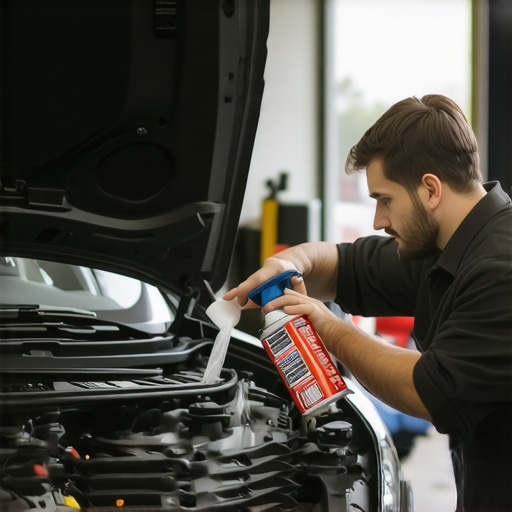
Fuel delivery problems often surface under load. Check fuel injectors for clogs or leaks. You can listen for irregular noises during engine operation or perform a simple spray test—spraying a cleaner like carburetor spray around the injectors while the engine runs can reveal leaks if the idle changes.
In my case, a clogged injector caused rough acceleration. Clearing the clog or replacing the injector restored smooth, load-bearing performance. Think of fuel injectors as the car’s straws—if they’re blocked, the engine can’t sip fuel efficiently when demanding more, leading to misfires and flashing lights.
Monitor the Exhaust and Catalytic Converter
The catalytic converter acts as a filter for exhaust emissions. A failing converter leads to backpressure and engine stress. Using an infrared thermometer, I checked the exhaust pipe temperature before and after the converter. A significant temperature discrepancy indicated a clogged converter.
If you suspect this, a professional diagnosis or a smoke test can confirm issues. Replacing a catalytic converter is akin to clearing out a clogged drain—if blocked, the whole system backs up, causing engine misfires during heavy operation, which is signaled by that flashing light.
Pay Attention to Your Transmission and Drivetrain
Heavy loads also stress the transmission. If shifting feels sluggish or gear hunting occurs, your transmission fluid might be low or degraded. Regularly checking the fluid level and condition is essential. Use the dipstick to assess color and smell—dark, burnt-smelling fluid indicates it’s time for a fluid change.
Pro tip: consider the age of your transmission fluid; if it’s over 60,000 miles or the fluid shows signs of metal flakes, replacing it promptly can prevent costly repairs. Properly maintained transmission fluid helps your vehicle operate smoothly under load, reducing stress on the engine itself.
When To Consult a Professional?
If you’ve performed these basic checks and the flashing light persists, it might be time for a full diagnostic scan by a qualified ASE technician. Advanced sensors and modules are complex, and sometimes tricky issues need specialized equipment to detect. Remember, the goal is to isolate the cause precisely, so your engine’s health remains intact under load.
By systematically inspecting spark plugs, sensors, fuel systems, and transmission fluid, you’ll cover the most common suspects that trigger the flashing engine light during stress. This process is like troubleshooting a complex machine—eliminate one component at a time to find the culprit, saving money and avoiding unnecessary replacements.
Many car owners operate under misconceptions about ASE certification, transmission repairs, routine car services, and oil changes. While these topics seem straightforward, there’s a layer of nuance often overlooked. For instance, a widespread belief is that all ASE-certified technicians guarantee quality service; however, the certification mainly verifies technical knowledge, not experience or honesty. This can lead to trust issues if the technician isn’t genuinely skilled, as highlighted by industry experts who warn that ASE cards are sometimes faked or misrepresented. Additionally, many assume that modern transmissions are maintenance-free, but advanced systems like CVTs require specialized fluids and regular checks—regular oil changes won’t suffice, especially since synthetic oils are not one-size-fits-all, as explained in professional maintenance guides. A common mistake is delaying transmission fluid replacements, thinking it’s unnecessary unless there’s a problem, but neglecting this can cause severe damage, including gear hunting and slipping, which are difficult to diagnose early. As for oil changes, many believe they only need to be done based on mileage, yet driving conditions, oil quality, and engine age significantly influence optimal intervals. Using cheap synthetic oils or neglecting oil filters can accelerate engine wear, conflicting with simplistic advice to ‘just change the oil every 5,000 miles.’ Recognizing the difference between quick-lube shops and proper service centers can save you money and prevent damage; those fast, cheap oil changes often use inferior products and skip essential checks, which is why understanding the specifics of your vehicle’s needs—like high-mileage engine oil demands—is crucial. This understanding also extends to recognizing signs of failing components, such as burnt transmission fluid or contaminated engine oil, which standard checks can miss. Misconceptions aside, the real advantage comes from engaging knowledgeable technicians who follow detailed inspection protocols. Want to dig even deeper? For example, know why your high-mileage engine suddenly craves thicker oil, or how to identify counterfeit ASE certifications—these details can save you thousands and extend your vehicle’s lifespan. Always question and verify your service providers; a simple online check can reveal if your mechanic’s ASE badge is legitimate, helping avoid scams and ensuring quality work.
What advanced indicators should you look for to confirm you’re getting expert transmission service?
According to research by automotive engineers, a nuanced approach involving spectroscopic analysis of transmission fluid can detect early signs of wear that routine inspections might miss, such as particle contamination or oxidation, which hint at internal damage before symptoms appear. Recognizing these signs allows proactive maintenance, preserving the longevity of your transmission. Have you ever fallen into this trap? Let me know in the comments. Properly understanding these nuances can dramatically influence your vehicle’s health and your wallet’s health—so stay informed and vigilant.
Keep It Running: My Recommended Tools for Reliable Vehicle Care
Maintaining a vehicle over time requires more than just routine oil changes; it demands precise tools and methods to ensure longevity and safety. As an ASE-certified technician, I’ve found that investing in certain equipment not only enhances diagnostic accuracy but also helps catch issues early, saving you money in the long run.
One of my top recommendations is a professional-grade scan tool such as the OBD-II scanner with advanced features. Unlike budget models, my preferred scanners provide live data streams, freeze frames, and the ability to read manufacturer-specific codes, which is invaluable when diagnosing complex transmission or engine issues. Personally, I use the BlueDriver because its extensive database often points me toward specific fixes, like the correct procedures to stop 2026 transmission gear hunting or resolve synthetic oil-related problems.
Complementing this is a set of high-quality multimeters and oscilloscopes. These tools allow me to verify sensor signals, especially critical for diagnostics like detecting a failing torque converter or sensor irregularities that could cause engine misfire under load. My go-to multimeter features auto-ranging and data logging, streamlining troubleshooting and ensuring I don’t miss subtle electrical hiccups that might be missed with ordinary tools.
For physical inspections, I rely on a sturdy ceramic brake and wheel lug wrench paired with a temperature gun. The temperature gun quickly reveals issues like a burnt transmission fluid or clogged catalytic converter, which I often check by observing temperature differentials at key points. The infrared thermometer is a must-have for diagnosing stubborn problems early, especially when considering long-term maintenance plans.
When it comes to protecting the car’s paint during maintenance, I use a microfiber detailing cloth and a specialized cleaner for stubborn grime, like road tar. Whether you’re dealing with your daily driver or a vintage vehicle, these tools help keep your car looking its best, which is also a part of smart maintenance.
Looking ahead, I predict that the integration of AI diagnostics and machine learning will revolutionize vehicle maintenance, making repairs faster and more accurate. For now, equipping yourself with reliable tools like a proper scan tool, multimeter, and infrared thermometer is the best step to ensure your car remains dependable under any load.
How do I keep my car in peak condition for years?
The key is consistent, detailed inspections backed by precise tools. For example, routinely checking your transmission fluid’s condition with a test strip or performing a visual inspection of sensors can prevent major failures. Remember, early detection is your best defense against costly repairs and breakdowns. I highly recommend trying an advanced diagnostic scan first—it’s a game-changer for ASE-level maintenance and will give you peace of mind knowing your vehicle is truly in good hands.
For more detailed methods on maintaining specific systems, explore why modern CVTs require specialized fluid and how proactive care can extend their lifespan. Implementing these tools and techniques today can make all the difference tomorrow.
Lessons That Changed How I Approach Car Maintenance
- First, never underestimate the power of initial inspections; a quick look at spark plugs or sensors can reveal a lot about engine stress issues.
- Second, understanding that most load-triggered warnings stem from minor components helps prevent unnecessary panic and repairs.
- Third, bridging the gap between DIY fixes and professional diagnostics ensures long-term vehicle health while saving money.
Top Tools I Trust for Engine Troubleshooting
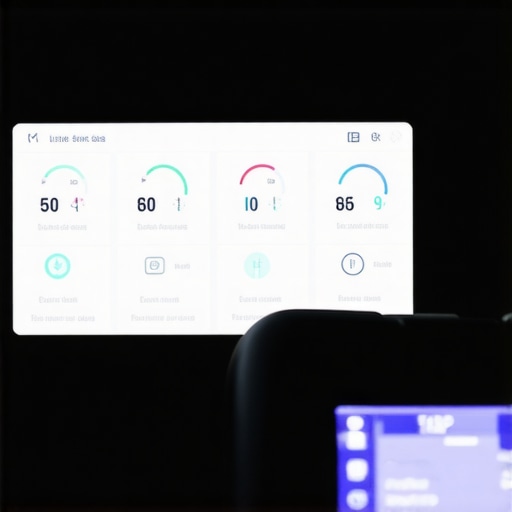
My go-to toolkit includes a professional-grade scan tool that provides detailed data, a reliable multimeter for sensor checks, and an infrared thermometer to detect abnormal heat buildup. These tools empower me to quickly identify issues like faulty sensors or clogged catalytic converters, especially during heavy engine loads. Investing in quality diagnostics has truly elevated the way I maintain my vehicle, ensuring safety and efficiency.
Your Path Forward in Vehicle Confidence
Remember, mastering basic inspections and understanding load-related signs can dramatically extend your vehicle’s lifespan. Stay proactive—regularly check critical components and trust your instincts when something feels off. The journey to becoming your own best mechanic starts today. Curious about the signs of a failing catalytic converter or how to interpret sensor data better? Feel free to ask below and keep your engine running smoothly for years to come.