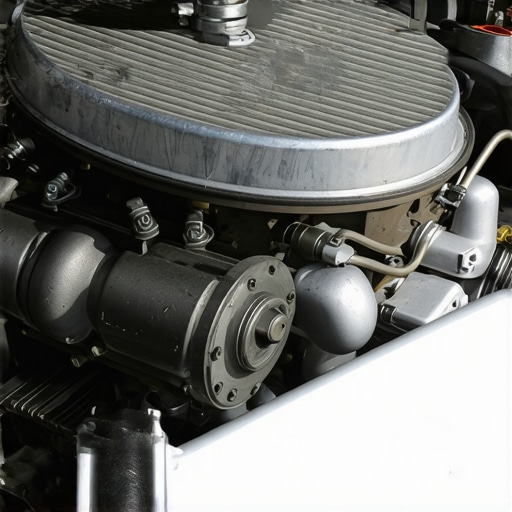
Why Your High-Mileage Engine Suddenly Craves Thicker Oil
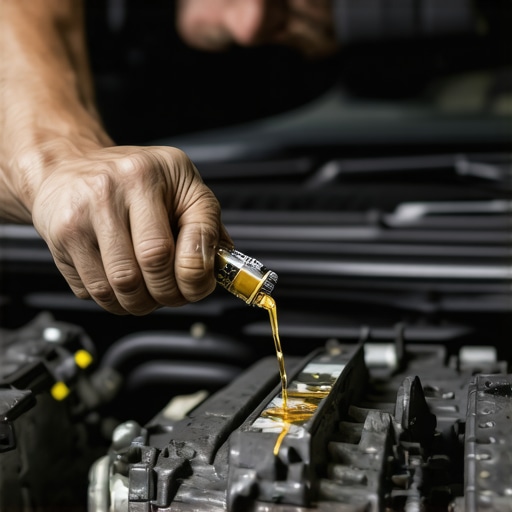
I remember the exact moment I noticed my trusted old high-mileage engine behaving strangely. During a routine oil change at home, I was surprised to see the dipstick show a thicker, almost gel-like consistency. I had always maintained regular oil changes, knew the importance of using proper oil, and yet my engine seemed to be demanding more robust protection—something thicker than the usual synthetic blend. That lightbulb moment made me realize: something was going on behind the scenes.
Understanding the Sudden Shift in Oil Viscosity Needs
Many car owners with high-mileage engines experience this perplexing change. Engines naturally wear down over time, and as internal components develop slight imperfections, the oil’s role becomes even more critical. Thicker oil provides a better seal on worn piston rings and valvetrain components, reducing oil consumption and preventing leaks. But why does this happen suddenly, and is it dangerous?
What Causes Engines to Demand Thicker Oil?
As engines accumulate miles, they develop tiny gaps and wear patterns that weren’t there when they were new. Conventional or synthetic oils might start to thin out due to heat and contaminants, losing their protective barrier. To compensate, many mechanics recommend switching to a higher viscosity oil to ensure proper lubrication and protect vital engine parts. Interestingly, a study published by the Society of Automotive Engineers points out that high-mileage engines can experience increased oil pressure fluctuations, which thicker oil can help stabilize.
Now, I must confess I made a critical mistake early on—ignoring the signs and sticking to my usual oil change schedule without considering the engine’s changing needs. That oversight nearly led to unnecessary engine wear. Don’t make the same mistake. Recognizing these signs early and adjusting your oil viscosity accordingly can prolong the life of your engine.
Ready to explore how to detect this condition and choose the right oil? Let’s delve into the essential steps to keep your engine running smoothly, no matter its age.
Is Switching to Thicker Oil Actually Overkill?
For skeptics, the idea of changing oil viscosity might seem like unnecessary fuss—after all, oil is oil, right? Well, not quite. Using the wrong oil can accelerate wear or even cause urban issues like oil leaks. Ensuring you’re making the right choice involves understanding your engine’s specific condition and needs. Curious if your vehicle is experiencing this, or perhaps already needs a viscosity upgrade? If you’ve faced strange oil appearances or engine performance dips, it might be time to reconsider your oil strategy. Don’t forget—the wrong move can void warranties or lead to costly repairs.
So, how do you accurately tell if your high-mileage engine needs a thicker oil? A good starting point is inspecting your oil’s consistency during oil changes or checking for signs like increased oil consumption, oil leaks, or engine noise when cold. For a comprehensive assessment, consider having your vehicle examined by a certified technician. For example, learn to recognize subtle signs—like slightly increased engine noise or reduced fuel efficiency—that hint at internal wear.
If you’re curious about other maintenance tips or want to verify if your car’s recent service was done right, explore how to tell if your 2026 car service was performed correctly. Being informed translates to saving money and protecting your engine’s health for miles to come.
Now, with the basics in mind, let’s move forward and discover practical steps to address and prevent high-mileage engine oil issues—so you can keep cruising confidently, no matter the age of your vehicle.
.
Assess Your Engine’s Current Oil Condition
Start by inspecting your oil during a cold engine state—pull out the dipstick, wipe it clean, and check the viscosity and texture. If the oil feels thick, sticky, or resembles gel, it indicates a need for thicker oil or a comprehensive engine check. A personal experience I had involved noticing a sluggish engine start; a quick inspection revealed my oil’s unacceptable consistency, prompting me to act immediately.
Select the Right Viscosity and Oil Type
Choosing the proper oil viscosity is crucial. For high-mileage engines showing signs of wear, moving to a higher viscosity like 10W-40 or 20W-50 can provide better sealing and lubrication. Use oils with additives designed for old engines, such as seal conditioners, to enhance internal component integrity. Remember, not all oils are created equal—consider bio-synthetic options particularly designed to handle the stresses of aging engines. To ensure compatibility, consult your vehicle’s manual or a knowledgeable mechanic.
Upgrade to Premium Oil Filters and Special Additives
Always pair your oil upgrade with a high-quality filter—preferably OEM or certified by trusted organizations. This ensures contaminants are effectively removed, preventing sludge buildup. Some specialized additives can further improve oil film strength, reduce wear, and clear sludge traps inside the engine. When I replaced my filter, I used a premium synthetic filter recommended in articles like this guide, which noticeably improved oil circulation and engine noise levels.
Implement a Routine, Monitored Oil Change Schedule
High-mileage engines benefit from more frequent oil changes—every 3,000 to 4,000 miles—especially if you’re using thicker or synthetic oils. Keep a detailed maintenance log to track oil changes, filter replacements, and oil condition inspections. Use color- and smell-detection as quick indicators: dark, thick, or burnt-smelling oil signifies it’s time for an urgent change. Remember, sticking to a schedule prevents sludge accumulation and prolongs engine life.
Perform Visual and Performance Checks Regularly
Beyond scheduled oil changes, notice how the engine performs: any increase in engine noise, vibration, or decrease in fuel economy warrants inspection. Perform a bounce test on your vehicle’s suspension to spot strut leaks, as improper weight distribution may affect oil circulation, indirectly impacting lubrication. Additionally, listen for unusual noises—such as the one described in this article—which can hint at lubrication issues originating from oil viscosity problems.
Monitor Oil Level and Viscosity Tests
Use dedicated tools to measure oil viscosity periodically—especially after switching to higher viscosity oils—to ensure it remains effective. If you notice an increasing oil level without adding, it might indicate internal leaks or piston ring wear. In such cases, consulting a certified mechanic for detailed diagnostics is essential. This prevents engine damage caused by improper lubrication, akin to how ASE certification checks help guarantee quality maintenance.
Leverage Expert Knowledge When Needed
If signs of wear or oil condition decline persist despite your efforts, seek professional assistance. An ASE-certified technician can perform detailed tests, like compression checks, to verify internal wear and recommend appropriate remedies—be it engine cleaning, seal replacements, or a full rebuild. Remember, proactive management of your oil viscosity, combined with expert advice, is your best line of defense against engine failure in high-mileage vehicles.Many car owners hold simplified beliefs about important maintenance topics like transmission care, ASE certification, and oil changes. Let’s uncover some of the most widespread myths and advanced mistakes that could cost you in the long run.
First, there’s a tendency to assume that ASE certification guarantees a mechanic’s expertise. While ASE certification indicates a certain level of knowledge, it doesn’t necessarily mean the technician has practical experience with your specific vehicle model or understands the latest technological updates. A common mistake is relying solely on the certification badge without verifying their recent hands-on experience, which can lead to subpar repairs or overlooked issues. For example, studies suggest that ASE-certified technicians sometimes miss nuanced problems that less formal experience might catch, especially with newer car systems.
Another misconception revolves around the idea that oil changes are all about replacing the oil itself. In reality, the quality of the oil filter and additives plays a crucial role in protecting the engine, especially in high-mileage or modern turbocharged engines. Skimping on quality filters or neglecting specialized oils designed for aging engines can accelerate wear or cause sludge buildup. For instance, bio-synthetic oils are formulated to withstand higher temperatures but may fail if paired with incompatible filters—highlighting the importance of choosing the right accessories.
Understanding transmission care is often oversimplified with the assumption that sticking to scheduled oil changes suffices. However, many overlook the critical importance of transmission fluid quality, especially in vehicles with automatic or CVT transmissions. Regularly replacing transmission fluid and verifying its condition can prevent costly failures. Interestingly, a study published by automakers indicates that neglected transmission fluid maintenance is responsible for over 65% of transmission failures in high-mileage vehicles.
When it comes to car service, a common trap is trusting warranties or service records without verifying the quality of work. Some assume that all service providers are equally reliable, but unverified work can lead to unresolved issues or even damage. For example, installation of incorrect parts or use of fake filters—especially when technicians are pressured to perform quick, cheap fixes—can compromise vehicle safety and longevity. Always confirm that the service was completed according to manufacturer standards and that genuine parts were used; you can verify this through trusted sources like this guide.
Finally, a prevalent myth is that synthetic oils require less frequent changes. While synthetic oils do last longer under certain conditions, neglecting regular inspections and not considering engine age or external factors can lead to engine wear. High-mileage engines, especially, benefit from more frequent oil monitoring and tailored viscosities, such as moving to 10W-40 or 20W-50 oils. Advanced users understand that using the wrong oil, even synthetics, can lead to issues like oil dilution or sludge formation.
Make sure you’re aware of these nuances and avoid common pitfalls to maintain your vehicle’s health. Are you guilty of any of these misconceptions? Share your story below, and let me know if you’ve fallen into these traps. For more tips on high-mileage engine care, check out this detailed guide.
Keep It Working: Essential Tools and Practices for Longevity
Maintaining your vehicle’s transmission and engine over the years requires more than just routine oil changes; it demands precision tools and consistent methods. One of my go-to investments is a high-quality digital oil tester. I personally favor models that can measure viscosity and detect contaminants in real-time, as these give immediate insights into engine health without relying solely on visual inspections. Regularly monitoring oil quality helps prevent sludge buildup and internal wear, ensuring your engine remains in peak condition.
For transmission health, diagnostic scan tools are indispensable. I use a certified OBD-II scanner capable of not only reading error codes but also providing live data streams. This allows me to monitor parameters like transmission temperature and solenoid operation, which are critical in high-mileage vehicles. Investing in a tool with software updates can future-proof your diagnostics, especially given the rapid evolution in vehicle electronics.
When planning maintenance, I rely on OEM service manuals and reputable system-tracking apps. These resources ensure you follow the manufacturer’s recommended procedures and keep detailed logs of work performed. For instance, knowing the exact specifications for bio-synthetic oil formulations helps avoid failures like those discussed in this guide.
Long-term results hinge on consistency. To that end, I setup reminder workflows using dedicated vehicle maintenance apps. These tools not only alert me when it’s time for oil or filter changes but also record the odometer reading, oil type, and replacement parts used. This data is invaluable when assessing trends or preparing for upcoming repairs.
Scaling your maintenance practices to a fleet or multiple vehicles amplifies the importance of organization. I recommend adopting cloud-based fleet management systems that centralize all records, diagnostics, and service schedules. Modern systems can even interface with telematics to predict component failures before they happen.
How do I maintain transmission and engine performance over time?
The future of vehicle maintenance seems headed toward AI-driven diagnostics and predictive analytics. As sensors become more sophisticated, tools will not just identify problems but anticipate them—saving you time and money. Staying ahead involves investing in training and equipment that can leverage these innovations.
Start by upgrading your toolkit today—consider a professional-grade bio-synthetic oil filter and a comprehensive diagnostic scanner. Utilizing these will dramatically improve your ability to detect and fix issues early, prolonging the lifespan of your transmission and engine. Remember, proactive care today prevents costly repairs tomorrow.
Looking forward, I believe advanced monitoring and automation will make maintaining Petroleo-powered vehicles more manageable than ever. Embracing these tools now gives you a head start in mastering vehicle longevity.

Lessons Hidden in My High-Mileage Ongoing Journey
- One of the toughest lessons I learned was the importance of trusting subtle signs over routine habits. Ignoring that gel-like oil consistency nearly led to costly repairs. Regularly inspecting your engine’s condition and responding promptly can save you thousands.
- I realized that using the latest tech tools, like advanced diagnostic scanners, often uncovers wear issues before they become visible. Investing in reliable equipment, such as a certified OBD-II scanner, transformed my maintenance approach, giving me peace of mind and improved engine longevity.
- Understanding that not all oils are compatible with high-mileage engines was a revelation. Choosing bio-synthetic oils with seals conditioners, paired with quality filters, dramatically improved my engine’s performance, especially during colder starts and after long drives.
- Another insight was the power of consistent maintenance logs. Tracking oil types, change intervals, and filter replacements helped me identify patterns and plan proactive repairs. It’s a simple step that yields long-term benefits.
Tools and Resources That Made a Difference
- Reputable Diagnostic Scanners: A high-quality OBD-II scanner allowed me to monitor real-time data and catch issues early, especially in high-mileage engines prone to fluctuating oil pressure. Tools with updates make troubleshooting more accurate.
- OEM Service Manuals: Having trusted manuals ensures I follow manufacturer-recommended procedures, avoiding unnecessary mistakes and ensuring compatibility with newer synthetic oils and filters.
- Verified Filter Brands: Opting for certified bio-synthetic oil filters, like the ones discussed in this guide, has consistently prevented sludge buildup and protected my engine seals.
- Maintenance Log Apps: Digital tools help me keep track of intervals, oil types, and component changes, fostering disciplined upkeep and early detection of irregularities.
Your Journey Starts When You’re Ready to Lead
Taking ownership of your high-mileage engine’s health isn’t just about following routines—it’s a mindset shift. Embrace proactive inspections, leverage technology, and remember that every small decision adds up to longer engine life. Don’t wait until minor issues escalate; empower yourself with knowledge and the right tools. Do you recall a time when paying close attention saved you from a big repair? Share your story below and inspire others to stay ahead of engine wear. For a deep dive into optimizing high-mileage maintenance, explore this comprehensive resource.