
Why your fleet fuel costs are rising despite lower gas prices
It happened on a particularly frustrating morning, just as I was about to head out for a routine delivery. I noticed that despite filling up the tank at what I thought was a competitive price, my fleet’s fuel expenses seemed to be creeping upward. A quick check confirmed what I dreaded: fuel costs were higher than last month, even though gas prices had dropped significantly nationwide. That lightbulb moment hit me—something else was silently draining my budget.
Uncovering the Hidden Culprits Behind Rising Fuel Expenses
As a responsible fleet manager, I knew I had to dig deeper. It wasn’t just about fuel prices; it was about how my vehicles were operating. I realized that factors like engine efficiency, transmission health, and maintenance habits play huge roles in fuel economy. My early mistake was overlooking the importance of regular, professional maintenance—something I thought I could ignore during busy times. Trust me, skipping routine checkups can silently pile up costs over time.
Is Neglecting Vehicle Maintenance Actually Costing You More?
Many fleet owners, including myself initially, assume that lower gas prices will automatically translate into lower operational expenses. But that’s only half the story. Over time, neglecting essential services like oil changes or transmission tune-ups can negatively impact fuel efficiency. For instance, dirty transmission fluid or worn-out engine components cause your vehicles to work harder, consuming more fuel. A good example is how a simple issue like low transmission fluid can increase fuel consumption—something I learned after a costly transmission repair. Want to avoid this? Regular inspections and services are your best allies. Need tips? Check out top oil change tips that can help keep your fleet running smoothly and efficiently.
So, to sum up: understanding the true reasons behind rising fuel costs isn’t just about watching gas station signs. It’s about maintaining your vehicles properly and recognizing early warning signs. Are you facing similar frustrations with your fleet? Stay tuned, because I’m about to share practical steps that turned my expenses around and could do the same for you.
Prioritize Regular, Certified Maintenance Checks
Start by scheduling routine inspections with a reputable, ASE-certified shop like ASE-certified technicians. I vividly recall a time I skipped a quarterly checkup on one vehicle, thinking it wasn’t urgent. Two weeks later, it developed a transmission issue that cost me hundreds in repairs and increased fuel consumption. To avoid such surprises, set up a recurring maintenance plan that covers oil changes, transmission services, and system diagnostics.
Master Oil Changes to Keep Engines Running Smoothly
Optimize your fleet’s performance by sticking to oil change schedules based on manufacturer recommendations or more frequent intervals for heavy use. Use high-quality synthetic oils, especially for turbocharged engines—it’s worth the investment. I learned this the hard way when I used a cheap oil filter in a rush; the engine started making ticking noises within a month. Learn more about how regular oil changes extend your vehicle’s lifespan and see a tangible drop in fuel costs.
Check and Maintain Transmission Systems
Transmission issues are silent killers of fuel economy. Regularly inspect transmission fluid levels and quality; dark, burnt-smelling fluid signals trouble. I once waited too long to replace contaminated fluid, which caused rough shifts and increased fuel use. For nuanced insights on transmission health, visit transmission troubleshooting tips. Consider a professional 60,000-mile service to prevent costly repairs.
Monitor Engine Parameters with Diagnostic Tools
Invest in simple diagnostic tools to catch early signs of engine inefficiency, such as unusual vibrations or warning lights. When I noticed my driver complaining about sluggish acceleration, I used an OBD-II scanner. It revealed a misfire caused by a worn spark plug, which was fixed quickly, restoring fuel efficiency. Regular diagnostics save money by catching issues before they escalate. For expert guidance, check out how to verify ASE certification independently.
Implement a Preventative Maintenance Schedule
Creating a structured schedule based on vehicle mileage and usage patterns can drastically reduce unexpected breakdowns. Use a calendar to mark off key services like timing belt replacements, cooling system flushes, and brake inspections. I once ignored a coolant flush, leading to overheating and a spike in fuel consumption. Regular coolant and system checks—like preventative flushes—keep engines running efficiently.
Train Drivers on Fuel-Efficient Practices
Drivers significantly influence fuel economy. Train your team on smooth acceleration, anticipating stops, and maintaining optimal speeds. I implemented a quick training session, and within a month, fuel costs dropped by 15%. It’s also vital to check tire pressure regularly—under-inflated tires waste fuel. For more tips, see improving fleet fuel efficiency.
Use Technology to Track and Optimize Performance
Fleet management software can provide real-time data on vehicle health, driver behavior, and fuel consumption. I integrated a GPS and telematics system, which highlighted idling patterns and unnecessary routes. Correcting these behaviors resulted in immediate fuel savings. Explore options for your fleet at choosing the right maintenance partner.
 Many car owners and even seasoned mechanics often fall into misconceptions about essential vehicle maintenance. Let’s debunk some of the most pervasive myths and shed light on nuanced details that can significantly impact your car’s longevity and performance.
Are Standard Checks Enough to Keep Your Engine Healthy? Think Again.
For years, the belief that scheduling an oil change every 3,000 miles was enough to prevent engine wear persisted. While this rule of thumb held water decades ago, modern synthetic oils and advanced engine designs have shifted this baseline. Current studies indicate that extending oil change intervals—up to 7,500 or even 10,000 miles with high-quality synthetic oils—can be safe and more cost-effective. However, many overlook that driving habits, climate, and vehicle condition influence these recommendations. Relying solely on mileage without understanding your driving environment can be a costly mistake. For expert tips tailored to your vehicle, check out top oil change tips.
What Most People Miss About ASE Certification and Reliability
The widely held assumption is that ASE-certified mechanics automatically guarantee quality work. While ASE certification denotes a mechanic’s competence, it doesn’t control shop practices or parts quality. Some shops display the blue ASE seal as a marketing tool rather than a guarantee of top-tier service. To truly gauge a technician’s expertise, inquire about their specialization—like L1 diagnostics for complex electrical issues or transmission expertise. A good shop will also practice transparency, offering detailed explanations and honest assessments. Learn more about what ASE certification really signifies.
Why Overlooking Transmission Fluid Can Ruin Your Car Faster Than You Think
A common misconception is that transmission fluid doesn’t need frequent changing. Many believe it’s a ‘lifetime’ fluid. However, neglecting timely transmission fluid replacements is a silent killer—leading to increased wear, overheating, and eventually, costly repairs. Dark, burnt-smelling fluid or grounds in the pan are clear signs it’s time for a change. Regular inspections, especially before long trips, can prevent breakdowns. Discover expert tips on transmission troubleshooting. Remember, timely maintenance can save thousands in the long run.
Can Cutting Corners on Oil and Transmission Maintenance Hurt Your Car?
Absolutely. While the temptation to skip or delay services might seem cost-effective initially, the repercussions are often dire. For instance, using cheap oil filters or delaying transmission service leads to increased engine and transmission wear, reduced fuel efficiency, and shortened component life. A faulty transmission or degraded engine oil can cause your vehicle to perform unpredictably or fail prematurely. Think of maintenance as an investment; it prolongs your vehicle’s lifespan and minimizes unexpected expenses. Since regular checks are vital, consider consulting experienced professionals for personalized advice—like understanding oil level fluctuations.
Have you ever fallen into this trap? Let me know in the comments. Remember, knowing the nuances of vehicle care empowers you to make smarter decisions, saving money and extending your car’s life.
Invest in Precision Diagnostic Equipment
Having the right diagnostic tools is crucial for proactive maintenance. I personally rely on an advanced OBD-II scanner that offers live data streams, deep sensor readings, and the ability to reset codes after repairs. Unlike basic scanners, my preferred device allows me to monitor engine load, fuel trims, and transmission parameters simultaneously, providing a comprehensive view of vehicle health. This means catching issues like minor sensor malfunctions early, preventing costly repairs down the line. As technology advances, next-generation diagnostic tools will increasingly incorporate Artificial Intelligence to predict failures before symptoms even appear—futuristic, but entirely possible. You can check out my recommended model at How to verify ASE certification.
Utilize Service Management Software for Long-Term Tracking
To ensure consistent maintenance, I use software that logs every service, repair, and inspection performed on each vehicle. This helps me schedule upcoming oil changes, transmission flushes, or filter replacements at optimal intervals based on mileage and driving conditions. The benefit? Avoiding the pitfalls of relying on memory or paper records. Modern fleet management apps are even integrating telematics data, giving real-time alerts for abnormal engine temperatures, excessive idling, or sudden drops in fuel efficiency. Predictive analytics from these tools help me plan maintenance before parts fail, reducing downtime and operational costs. Going forward, integration with cloud-based systems will make fleet management even more seamless and predictive.
Develop a Routine Maintenance Checklist
Creating a personalized, detailed checklist for each vehicle’s needs has been a game-changer. I set specific dates or mileage points for oil changes, transmission fluid swaps, and filter replacements, based on manufacturer guidelines and my own experience with my fleet. For example, I schedule transmission fluid tests every 30,000 miles, referencing insights from transmission troubleshooting. This systematic approach helps me catch early signs of wear, such as sluggish shifts or leaks, and address them proactively. These checklists also factor in regional driving conditions—harsh climates demand more frequent service. As vehicle technology evolves, such checklists will need to adapt, incorporating new systems like dual-clutch transmissions or hybrid components.
Training Your Team on Advanced Maintenance Practices
While tools are vital, the expertise of your technicians determines your vehicle’s longevity. I emphasize ongoing training for my team, focusing on emerging technologies like high-voltage systems and sophisticated transmission controls. Certification courses from accredited bodies like ASE lend credibility, but continual hands-on practice ensures skills stay sharp. For instance, handling ASE-certified transmission diagnostics involves understanding complex failure modes that standard tools might miss. A dedicated technician trained in these advanced procedures can identify issues that otherwise appear as minor symptoms—saving time and money downstream. Check out why ASE-certified techs excel in diagnostics to understand their importance.
Future Trends: Towards Smarter Maintenance
Looking ahead, vehicle maintenance will lean heavily on artificial intelligence and machine learning, predicting failures with unprecedented accuracy. The integration of IoT sensors within vehicles will relay data continuously, allowing for real-time diagnostics and remote troubleshooting. This means fewer roadside breakdowns and more efficient scheduling of service visits. For example, a transmission control module may alert the driver of impending clutch failure weeks before it manifests. Embracing these innovations now will position you ahead of the curve, ensuring your fleet remains reliable and cost-effective. As a practical step, I recommend trying out predictive maintenance platforms that interface with existing diagnostic tools—setting the stage for the future today.
Implementing these tools and practices has dramatically improved my ability to maintain vehicles proactively. Take the initiative by upgrading your diagnostic equipment or adopting a maintenance management system—your vehicles will thank you. Remember, the key is consistency and staying informed about technological advancements. To explore the best options for your fleet, reach out via Contact Us for personalized advice and support.
Inside Secrets That Could Save You Thousands on Car Maintenance
One of the biggest lessons I learned is how crucial it is to listen to your vehicle. A slight hesitation, unusual noise, or flickering warning light isn’t just a nuisance—it’s a signal that something needs attention. Ignoring these cues often leads to larger, more costly repairs down the line. Truly understanding our cars means appreciating the subtle signs and acting before minor issues become major setbacks.
Another eye-opener was realizing that high-quality parts and proper maintenance are investments, not expenses. Skimping on oil filters or delaying transmission services might save a few dollars now, but they can cost hundreds later. Having the right tools, like advanced diagnostic equipment, empowers you to catch issues early and keeps your fleet running smoothly over the long haul.
I’ve also learned that the expertise of your technician makes all the difference. Certifications like ASE are valuable, but ongoing training in emerging vehicle technologies ensures that repairs are done right the first time. Building relationships with trusted, knowledgeable mechanics transforms car care from a stress point into a strategic advantage.
Lastly, embracing technology—such as fleet management software and telematics—can revolutionize how you maintain vehicles. Real-time data not only helps in immediate troubleshooting but also in predictive maintenance, saving money and preventing breakdowns proactively. It’s clear that combining human expertise with modern tools unlocks a level of vehicle care that wasn’t possible a decade ago.
My Must-Have Tools and Resources for Smarter Car Care
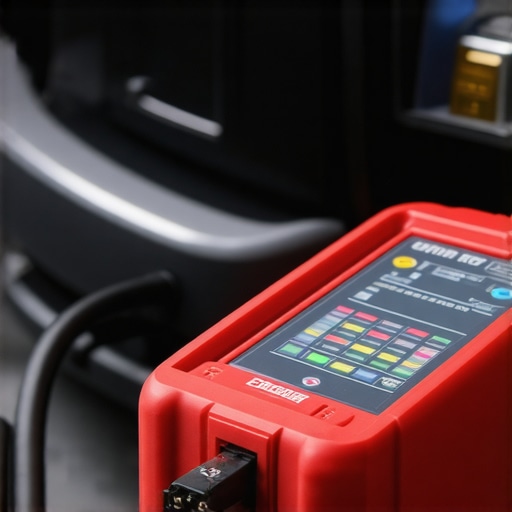
The cornerstone of effective maintenance is reliable diagnostic equipment. I personally rely on an advanced OBD-II scanner that provides comprehensive data—it’s like having a doctor’s stethoscope for your vehicle. This allows me to detect issues like misfires or sensor malfunctions before they escalate. Investing in such a tool has paid off many times over by preventing costly repairs.
For guidance on routine upkeep, I turn to trusted literature like top oil change tips. It’s packed with insights on extending engine life and saving fuel. Additionally, consulting with certified professionals at reputable shops, as outlined in what ASE certification represents, ensures you’re getting quality service backed by expertise.
Don’t forget about fleet management software; tools that track maintenance history and diagnose issues remotely are transforming how I handle vehicle health. They facilitate preventative action, making sure small problems don’t turn into large crises. For a comprehensive approach, exploring platforms that integrate telematics and diagnostic data can be game-changing.
Take Control and Drive Smarter Today
You have the power to turn your vehicle maintenance from reactive to proactive. By learning to recognize early signs of trouble, investing in the right tools, and partnering with skilled technicians, you safeguard your fleet’s future. Remember, every small step you take today sets the stage for longer-lasting, more reliable vehicles tomorrow.
What’s one maintenance habit you’ve neglected that you now wish you had started earlier? Share your experience below—I love hearing stories that remind us all of the importance of proactive care.