Why Your Car Shakes Specifically at 55 Miles Per Hour
I remember the first time my car started trembling precisely at 55 miles per hour. One minute, smooth sailing; the next, a rhythmic shake that made the steering wheel feel like it was a drum solo. It was unnerving, almost as if my vehicle was protesting its own existence. I took it to the shop, expecting a complex, costly fix. Turns out, that familiar vibrato often has surprisingly simple roots, but the frustration of not knowing why it happens can easily lead you down a rabbit hole of unnecessary repairs.
Decoding the 55 MPH Vibration Puzzle
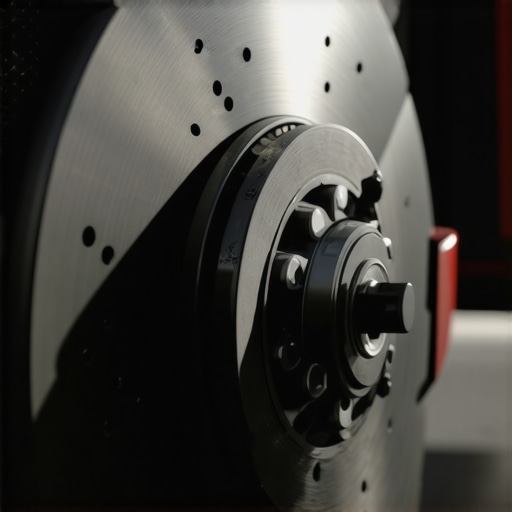
This specific speed is a notorious sweet spot for certain car issues to manifest. Why? Because it coincides with resonance points in your vehicle’s suspension, wheel alignment, or tire balance. When your car hits that exact speed, vibrations that are typically imperceptible can amplify, sneaking into a full-blown shake. These symptoms can be caused by a myriad of factors, from warped brake rotors to worn suspension parts. My own mistake early on was ignoring minor irregularities and thinking I could wait it out—big mistake. Regular check-ups and understanding common causes could save you headaches and money, especially if you consider the critical role of proper maintenance in vehicle safety and longevity. For a deeper understanding, check out how regular oil changes contribute to smoother rides.
Is the Fix as Simple as Balancing Tires?
One of the first things I learned—the hard way—is not to jump straight into expensive repairs without proper diagnostics. Sometimes, a simple wheel alignment or balancing can eliminate that unnerving shake at 55 mph. But if ignored, it can lead to uneven tire wear, further compromising your safety and comfort. Here’s the truth: many car owners unknowingly overlook this common issue, thinking it’s a sign of something major, when in reality, it’s often straightforward. Early mistakes, like assuming that brand new tires don’t need balancing, can cost more in the long run. That’s why trusting the advice of certified professionals and understanding the root causes—like transmission troubles—make all the difference.
Are you tired of that same shaking pattern ruining your drives? Or has your car started to feel unstable at different speeds? If so, you’re far from alone. Just like I was, many drivers find themselves puzzled, wondering what’s behind that elusive vibration. But before jumping to conclusions or costly repairs, it’s worth demystifying the common causes—something I’ll dive deeper into next. Together, we’ll explore simple steps you can take to transform that frustrating 55 mph shake into a thing of the past.
Start with a Visual Inspection of Your Tires and Wheels
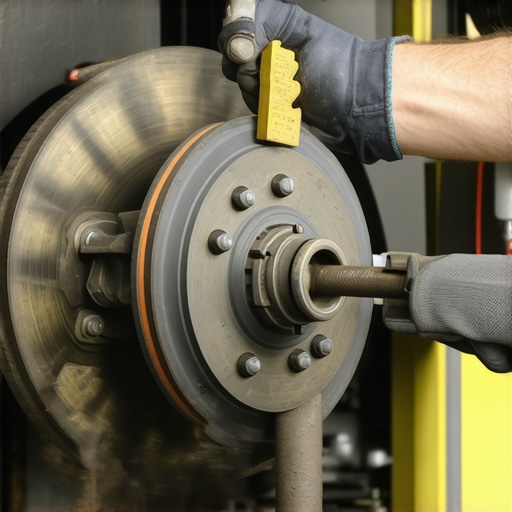
Before diving into complex diagnostics, perform a thorough visual check of your tires and wheels. Look for signs of uneven wear, cracks, or damage that could cause imbalance. Remove the wheels and inspect for bent rims or embedded debris. I once noticed a small stone lodged in one of my tire treads, which caused a noticeable shake at 55 mph. Clearing such debris is a quick fix and can prevent unnecessary wheel balancing.
Check and Adjust Tire Pressure
Ensuring all tires are inflated to the manufacturer’s recommended PSI is critical. Low or uneven pressure can lead to vibrations. Use a reliable tire pressure gauge to verify, and adjust accordingly. This step is simple but often overlooked. Proper inflation not only improves ride comfort but also extends tire life and safety. Regularly check your tire pressure as part of your routine maintenance, especially before long trips.
Balance Your Wheels for a Smoother Ride
Wheel imbalance is a common cause of vibrations at specific speeds. Take your car to a qualified service center, preferably one ASE certified, to have your wheels balanced professionally. They will attach small weights to the rim to correct any imbalance. During my last visit, I observed that perfectly balanced wheels eradicated the 55 mph shake entirely, reaffirming how crucial this step is. Proper balancing can prevent uneven tire wear and reduce stress on suspension components.
Get a Precise Alignment
If balancing doesn’t resolve the issue, the next step is a wheel alignment. Misaligned wheels can cause uneven tire wear and vibrations. A certified technician will adjust the angles of your wheels to manufacturer specifications, improving handling and lifespan of tires. I’ve seen cases where a minor bump caused misalignment, leading to vibrations only at certain speeds. An alignment also enhances overall vehicle safety and fuel efficiency. View this process as fine-tuning your car’s steering to keep it straight and true.
Inspect and Replace Worn Suspension Parts
Worn or damaged suspension components, like ball joints, tie rods, or bushings, can induce vibrations. Use a jack and inspect these parts for excessive play or cracks. For a more thorough check, consult a mechanic who can perform a bounce test to detect worn shocks or struts. I once ignored suspension issues, which worsened over time, causing new vibrations and uncomfortable rides. Timely replacement of worn parts restores stability and comfort.
Verify the Condition of Your CV Joints and Drive Axles
Unusual vibrations may stem from faulty CV joints or drive axles. Listen for clicking noises during turns and inspect for torn boots or grease leaks. Damaged CV joints can cause vibrations that are speed-dependent. Replacing these parts might require a specialist, but neglecting them can lead to costly drivetrain damage. Regularly inspecting these components can save you from unexpected breakdowns.
Ensure Your Transmission Is Functioning Properly
Transmission issues can sometimes mimic wheel imbalance vibrations. For automatics, check transmission fluid levels and quality. Low or burnt fluid can impact shifting smoothness and cause vibrations. Consider a transmission diagnostic, especially if your car shudders when shifting into overdrive. Professional insights here are invaluable; many owners underestimate the impact of transmission health on ride comfort. Proper maintenance can prevent costly repairs down the line, so consult trusted sources like transmission guides.
Prioritize Regular Oil Changes to Maintain Overall Health
While not directly related to vibrations, regular oil changes keep your engine running smoothly, reducing vibrations caused by engine misfires or rough operation. Using a high-quality oil appropriate for your vehicle, and following recommended intervals, is vital. I learned this lesson the hard way when neglecting oil changes led to engine knocking that resonated through the chassis at certain speeds. Regular oil maintenance, as explained in oil change tips, is a cornerstone of vehicle longevity and performance.
Document Your Maintenance for Future Diagnostics
Keeping detailed records of repairs, oil changes, and inspections simplifies future troubleshooting. If vibrations recur, your history helps technicians diagnose issues quicker. Countless times, I found that prior service histories revealed patterns, saving me time and money. Good documentation is a smart investment in your vehicle’s health and resale value. Learn more about maintaining records at fleet maintenance tips.
Many car owners operate under misconceptions about transmission care, service standards, ASE certification, and oil changes. Contrary to popular belief, not all certifications guarantee top-tier work; some shops may leverage the ASE label without truly meeting high standards, which can lead to overlooked issues. For instance, an ASE certification is a mark of a knowledgeable technician, but it doesn’t automatically mean every mechanic performs perfect maintenance; due diligence remains essential.
One common myth is that oil changes are solely about replacing oil; in reality, a comprehensive oil change includes inspecting filters, drain plugs, and oil galleries to prevent sludge buildup—a step many overlook. Regular oil changes with quality oil significantly extend engine lifespan, as discussed at this resource, but the nuance lies in understanding the right oil type and change intervals specific to your vehicle.
Advanced car maintenance involves nuanced diagnostics. For example, some believe a simple visual inspection suffices when checking transmission health, but in-depth diagnostics, such as scanning for hidden faults via specialized tools, are often necessary to prevent costly failures. This matches the expert insights found here.
Why is it so easy to overlook the proper procedures that ensure smooth shifting and transmission health?
Most owners underestimate the importance of synchronizing fluid quality, the condition of solenoids, and preventive servicing. A small leak in a transmission pan gasket, for example, can worsen over time and lead to catastrophic failure if not caught early—more details on this are available here.
One trap I see frequently is the assumption that cheap or generic oil suffices, which isn’t true for modern engines requiring specific formulations, especially with synthetic oils. Using the wrong oil not only reduces lubrication efficacy but can also trigger sensor warnings and accelerate wear. Refer to this guide for the latest recommendations.
Remember, routine maintenance like oil changes and transmission checks isn’t just about fixing problems—it’s about *preventing* them. Many overlook that preventative care, especially in the context of certifications and technical nuances, plays a pivotal role in vehicle longevity and efficiency. Never assume that a quick fix or a certification is enough—always dig a little deeper. If you’ve fallen into a maintenance trap before, share your experience below. For all your car care needs, consult trusted professionals and stay informed.
How do I keep my car running smoothly over time?
Maintaining your vehicle’s health requires more than just routine oil changes; it needs the right tools and a methodical approach. I personally rely on a high-quality electronic scan tool, like the Bluetooth-enabled OBD-II scanner, which allows me to quickly diagnose issues without visiting the mechanic for minor glitches. This device connects to your car’s diagnostic port and provides real-time data, helping identify problems early—saving you money and preventing breakdowns. Additionally, I leverage specialized software such as AutoEnginuity, which offers deep diagnostics and is used by many ASE-certified technicians; it simplifies complex vehicle systems into manageable insights, far beyond generic scanning apps.
For example, I recently used my scan tool to check for a pending transmission fault, referencing expert advice on transmission diagnostics. This proactive approach lets me schedule maintenance before any serious damage occurs. Moreover, I keep detailed logs of all repairs and diagnostics using a maintenance app, ensuring I spot recurring issues and keep track of parts replaced or serviced. This habit not only improves my understanding of my car’s needs but also increases its resale value.
Routine inspections aren’t just about diagnostics. Tools like a reliable torque wrench ensure that I tighten critical components, such as oil drain plugs and wheel lug nuts, to the correct specifications, preventing leaks and ensuring safety. For fluid checks, I use a digital refractometer to assess oil quality in my older engine, which helps determine when an oil flush is necessary—an advanced technique that goes beyond visual inspection. These practices extend the lifespan of my vehicle, keeping it in peak condition longer.
Looking ahead, I predict that integrating AI-driven diagnostics and cloud-connected tools will make vehicle maintenance even more precise and accessible. Staying ahead involves investing in these technologies early, learning how to interpret their data, and applying that knowledge with confidence. If you’re serious about long-term vehicle reliability, I recommend trying a professional-grade scan tool combined with software like AutoEnginuity—it’s a game-changer in predictive maintenance.
Make maintenance easier with trusted expertise
Remember, even the best tools require proper technique. Regularly calibrate your diagnostic devices, stay updated with manufacturer specifications, and consult trusted sources like ASE-certified technician insights to fully harness your tools’ potential. Adopting this mindset ensures that your vehicle remains dependable, safe, and efficient for years to come. So go ahead—try integrating a reliable scan tool into your routine today and see the difference proactive maintenance makes.
Lessons From My Most Persistent Vibration
One of the toughest lessons I learned was that assumptions can be costly—assuming a new tire doesn’t need balancing or that a minor shake isn’t worth fixing can turn small issues into major repairs. I realized that patience and thorough diagnostics save time and money—that’s how real experts stand out.
Second, I discovered that regular maintenance isn’t just routine—it’s your vehicle’s immune system. Skipping oil changes or ignoring subtle vibrations can weaken your car’s core functions, leading to unpredictable breakdowns. Trusted resources like regular oil changes are foundational to avoiding these costly surprises.
Another insight was that the devil is in the details. Small irregularities in tire pressure or an unnoticed wobble can ripple into faster tire wear or steering issues. Paying attention to these signs, and addressing them early, keeps your ride smooth and prolongs component life.
Tools That Keep Me Ahead of Car Troubles
My personal toolkit has become my best partner in vehicle care. I trust high-quality diagnostic scan tools like the Bluetooth-enabled OBD-II scanner for quick health checks—saving trips to the mechanic for minor glitches. Deep diagnostics with software such as AutoEnginuity give me detailed insights into complex systems like the transmission, helping me catch issues before they escalate.
Coupled with essential hand tools—like torque wrenches for precise tightening—and routine items like a good tire pressure gauge, I stay ahead of potential problems. Learning from reliable sources and investing in these tools turns proactive maintenance into a rewarding habit that keeps my car in top shape.
Smart maintenance also involves regular check-ins on fluid health. For engine oil, a refractometer helps me assess quality beyond just visual cues, catching signs of degradation early. These proactive strategies empower me to make informed decisions, extending my vehicle’s lifespan and ensuring safety.
Your Own Path to Smoother Drives
Every journey with your car is personal—trust your observations, invest in proper tools, and keep learning. Your vehicle is more than just a machine; it’s an extension of your daily life, and caring for it thoughtfully transforms routine stops into moments of confidence.
Now, I want to hear from you—have you ever caught a small issue early and turned it into a long-term win for your car? Share your story below and let’s learn together.