
The Hidden Moisture Problem in Your Brake Fluid Lines
It was a typical Tuesday afternoon when I first noticed the faint squeal coming from my car, just enough to make me stop in my tracks. After a quick check, I realized that my brake pedal felt a bit softer than usual. It dawned on me—there might be an unseen problem lurking in my brake system, something I hadn’t considered until that moment. That lightbulb moment made me realize how easy it is to overlook the little signs that point to a bigger issue, especially when it comes to the moisture trapped inside brake fluid lines.
The Quiet Threat Inside Your Brake System
Years ago, I thought brake fluid was just supposed to keep everything running smoothly, but I didn’t realize it could harbor tiny pockets of water that cause serious trouble. The truth is, moisture buildup isn’t just a minor inconvenience—it can lead to corrosion, brake failure, and costly repairs if left unchecked. The good news? Recognizing the signs early and knowing how to address them can save you from big headaches down the road. Today, I’ll walk you through how to spot these hidden moisture problems in your brake fluid lines and what steps you can take to keep your brakes performing at their best.
Is Your Brake Fluid Really as Clean as You Think?
Many car owners ignore regular brake fluid checks because it seems less urgent than an oil change. But I learned early on that neglecting this important maintenance can be a costly mistake. In my own experience, I once skipped a scheduled brake fluid flush, only to face a sudden decrease in braking power during a rainy day. That was a wake-up call. I realized that moisture in brake fluid can reduce its boiling point, leading to vapor formation and brake fade under hard braking. This mistake taught me the importance of regular inspections and fluid changes, which I now recommend to everyone. For more on this, check out top oil change tips for safe driving in 2025.
Are you experiencing a soft brake pedal or a spongy feeling? Chances are, there’s moisture lurking inside your brake lines. But don’t worry—I’ll guide you through how to detect and fix it, restoring confidence in your vehicle’s stopping power.
Drain and Inspect the Brake Fluid
Start by parking your car on a level surface and engaging the parking brake. Open the hood and locate the brake fluid reservoir, typically near the master cylinder. Use a clean turkey baster or a syringe to extract a small sample of brake fluid, then inspect its color and consistency—if it’s dark or cloudy, moisture might be present. I learned this the hard way when I ignored this simple step, leading to a spongy brake pedal during a rainy day. Regularly testing your brake fluid helps prevent critical issues and ensures optimal brake performance.
Test for Moisture Content Using a Test Strip
Next, dip a brake fluid test strip into the sample you’ve extracted. Many auto parts stores sell these strips, which change color based on moisture levels inside the fluid. If the strip indicates high moisture content, it’s time for a flush. During my own experience, I neglected this step and faced increased brake fade during a sudden stop. Reliable testing provides concrete data, guiding your next move—whether to flush or replace brake fluid to avoid corrosion and reduced boiling points.
Flush and Replace Brake Fluid Correctly
To flush the old fluid, you’ll need a clear plastic tube connected to the bleeder screw of each wheel cylinder or caliper, and a brake bleeding kit. Have a helper press the brake pedal slowly while you open and close the bleeder valve to expel contaminated fluid. I once attempted this alone, which resulted in spilled brake fluid and a messy garage. Remember, using the correct type of brake fluid specified by your vehicle manufacturer is crucial—mixing different types can cause damage. For thorough guidance, I recommend consulting this detailed brake fluid flushing guide.
Ensuring Complete Air Removal
Air bubbles trapped in the brake lines compromise braking ability. After replacing the fluid, bleed each caliper or wheel cylinder in a specific sequence—usually starting with the wheel farthest from the master cylinder. During my first attempt, I overlooked this sequence and had to repeat the process, which was frustrating but educational. Using a transparent hose helps monitor air bubbles during bleeding. This step is vital to restore firm pedal feel and prevent sponginess caused by moisture-induced vapor formation.
Schedule Regular MaintenanceChecks
Preventative maintenance is key. Schedule brake fluid replacements every two years or per your vehicle’s manual to avoid moisture accumulation—especially if you drive in humid climates. I made the mistake of ignoring this, leading to costly repairs down the line. Consider trusting ASE-certified technicians for these services, as their expertise ensures accurate assessments and proper fluid handling. You can find qualified specialists and learn more about certified maintenance at this resource.
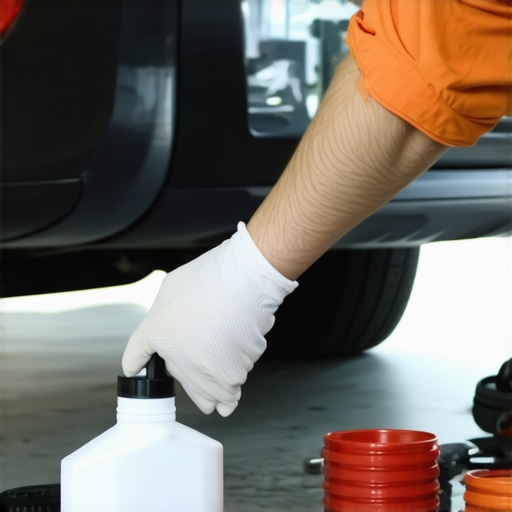 Many car owners believe that following basic maintenance routines is sufficient for vehicle longevity, but in reality, there are nuanced aspects often overlooked. One prevalent misconception is that all transmission fluids are created equal; however, different vehicles require specific fluid types, and using the wrong one can lead to costly damage. Experts emphasize the importance of adhering to manufacturer specifications, as highlighted in transmission maintenance insights. Additionally, many assume an ASE certification guarantees impeccable service; but, while it indicates a technician’s competency, it doesn’t always reflect the shop’s overall quality. It’s vital to verify the mechanic’s experience with your specific vehicle model. A common trap is delaying oil changes under the false belief that synthetic oils last indefinitely. Actually, regular oil changes extend engine lifespan by preventing sludge buildup. Advanced enthusiasts know that modern engines benefit from paying attention to subtle signals, like slight vibrations or irregular shifting, which can point to deeper issues like sticky transmission solenoids or coolant leaks. Recognizing these signs early is key to avoiding major breakdowns. For example, a misdiagnosed transmission problem might be caused by a failing solenoid rather than the entire unit, saving you significant repair costs. Don’t forget, routine proper vehicle servicing includes scheduled fluid replacements and system inspections, rather than just reactive repairs. Yet, many overlook small irregularities, leading to sudden breakdowns. Moreover, understanding the advanced nuances of vehicle behavior can help you ask smarter questions when consulting your mechanic. For instance, when experiencing shifting hesitations, inquire about transmission solenoid issues. This proactive approach combined with regularly scheduled oil changes not only prolongs vehicle life but also ensures safety and reliability. Finally, always verify your service provider’s credentials—being ASE certified is a mark of technical competence, but ensure they specialize in your vehicle type. As vehicle technology evolves, so should your knowledge about these common myths and nuances. Have you ever fallen into this trap? Let me know in the comments.Maintaining your vehicle over the long haul requires more than just basic knowledge; it demands investing in the right tools and adopting proven methods. One essential piece of equipment I rely on is a high-precision digital multimeter. This device allows me to quickly diagnose electrical issues, verify sensor outputs, and ensure proper voltage levels, which is crucial for modern vehicles with complex electronic systems. I personally prefer the Fluke 117 because of its durability and accuracy, ensuring reliable readings even in challenging garage environments. Additionally, a quality OBD-II scanner is indispensable. I recommend the BlueDriver because it not only reads error codes but also provides detailed explanations and possible solutions—saving time and money during diagnostics. Keeping a detailed repair log and schedule is vital; I use specialized software like AutoVitals, which helps track maintenance histories and reminds me when upcoming services are due, such as transmission fluid changes or brake inspections. Regularly updating my diagnostic tools ensures I stay ahead of emerging issues, especially as vehicle technology evolves rapidly. Looking ahead, the trend points toward more integrated diagnostic systems and AI-powered tools that will streamline maintenance further, making proactive care easier and more accurate.
How do I maintain these tools and techniques over time
I make it a point to calibrate my multimeter annually and keep the firmware of my OBD-II scanner up to date via manufacturer downloads. Additionally, I invest in a portable compressor to maintain proper tire pressures, which improves fuel efficiency and safety. For software, I subscribe annually to updates from trusted providers and review new features regularly. This proactive approach ensures that my vehicle remains reliable and safe, reflecting the principles of regular, expert car service. For those seeking to elevate their maintenance game, I recommend trying out a professional-grade spray gun for brake caliper lubrication, which can significantly improve caliper performance and longevity. You can find expert insights on detailed procedures at this comprehensive guide. Remember, investing in the right tools and maintaining them diligently will pay off by extending your vehicle’s lifespan and ensuring consistent performance. If you’re interested in exploring advanced diagnostic techniques or need professional assistance, feel free to reach out to our experts for personalized recommendations.
Over the years of working with cars, I’ve uncovered a few truths that often go unnoticed but can make all the difference in keeping your vehicle in top shape. One of the most impactful lessons I learned is how critical early detection of transmission issues can be. Small irregularities—like a slight delay in shifting or unusual noises—are often the first signs of underlying problems that, if ignored, could lead to costly repairs. Investing in quality tools, staying informed through trusted resources, and maintaining consistent care have been game-changers in my approach. Remember, your vehicle’s health is a reflection of the attention you give it—so prioritize learning and proactive maintenance. Every trip, every check, is an opportunity to prevent bigger issues and extend your car’s lifespan. Trust me, embracing a culture of diligent care turns automotive challenges into manageable routines, ensuring safety and peace of mind on every drive.