How to Clean Your Engine Bay Without Shorting the Electronics
It was a typical Saturday morning when I decided to tackle my car’s engine bay—a task I had been putting off for months. As I grabbed the hose and some cleaning supplies, I vividly remember the moment when I sprayed water on the engine, only to watch helplessly as my dashboard lights flickered wildly and my electronics briefly went haywire. That lightbulb moment hit me hard: I’d been doing it wrong all along.
Have you ever experienced that sinking feeling when your electronic systems start acting up after a cleaning attempt? If so, you’re not alone. Many car enthusiasts and everyday drivers face the dilemma of how to keep their engine bays spotless without risking damage to sensitive electronics. But here’s the good news: with the right approach, you can clean your engine bay effectively and safely.
Protect Your Electronics While Making Your Engine Shine
Cleaning your engine bay isn’t just about aesthetics; it’s also about maintaining performance and spotting potential issues early. However, the electronic components—like sensors, wiring harnesses, and modules—are especially vulnerable to water damage. Historically, I made the mistake of blasting high-pressure water directly into the engine compartment, convinced that a good rinse was all I needed. Turns out, that’s a fast track to electronic mishaps.
According to automotive experts, improperly cleaning your engine can lead to short circuits or corrosion, which could cost a fortune to repair. Fortunately, I’ve learned effective techniques to prevent this. Today, I’ll share proven steps to keep your engine bay clean without risking short-circuits or electronics failures. Whether you’re a seasoned DIYer or just starting out, these tips will help keep your car running smoothly and your electronics intact.
Ready to transform your cleaning routine? Let’s get into the practical advice that ensures safety, efficiency, and a shiny, well-maintained engine bay.
Prepare with Precision Before Water Touches Your Engine
First, ensure your engine is cool; cleaning a hot engine risks damage and personal injury. Disconnect the negative terminal of your battery to prevent accidental sparks or shorts, especially since water can cause unintended electrical conduction. Cover sensitive components like the alternator, air intake, and fuse box with plastic bags or waterproof covers. When I did this for the first time, I used painter’s tape to secure the covers, which kept out water effectively and prevented costly repairs later.
Use the Right Tools and Techniques for a Controlled Clean
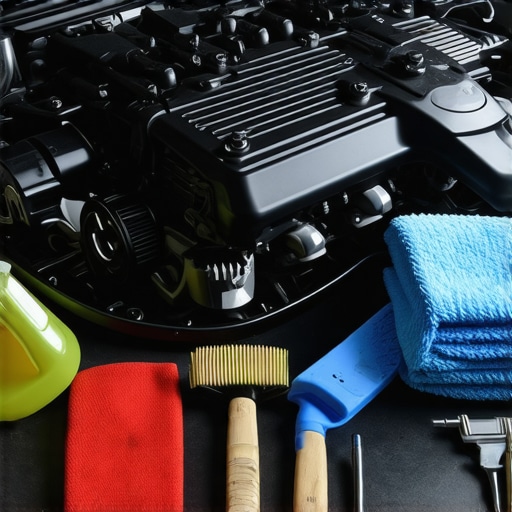
Gather soft brushes, microfiber cloths, and a degreaser formulated for automotive use. Spray the degreaser generously over greasy spots, letting it sit for a few minutes to loosen grime. Unlike high-pressure washers, which can force water into electrical connections, opt for a garden hose with a spray nozzle set to a gentle flow. This controlled approach minimizes risks while delivering a thorough clean. I once used a spray bottle for the degreaser and a gentle rinse, resulting in a spotless engine bay without the electronic hiccups that I previously experienced with high-pressure washers.
Targeted Cleaning for Spotless Results
Use soft brushes to agitate stubborn dirt, focusing on the engine block, valve covers, and other visible areas. Wipe down surfaces with microfiber cloths to pick up loosened grime. For hard-to-reach nooks, a toothbrush can be surprisingly effective. When I cleaned my engine this way, I avoided splashing water onto sensitive areas, which preserved the integrity of my electronics and kept my dashboard lights from flickering. Remember, patience and gentle motions are more effective than forceful rinses.
Carefully Rinse to Avoid Water Damage
Use a hose with a light spray or a spray bottle filled with water for a final rinse. Never use a high-pressure jet aimed directly at electrical components. Focus on the engine bay’s flat surfaces and let the water flow naturally over the parts, avoiding direct hits on electrical parts. After rinsing, gently spray compressed air or use a leaf blower to dry out moisture, paying particular attention to wiring connections and sensors. This step mimics the technique I adopted after my first mishap, which kept my electronics dry and operational.
Finish with Proper Drying and Reassembly
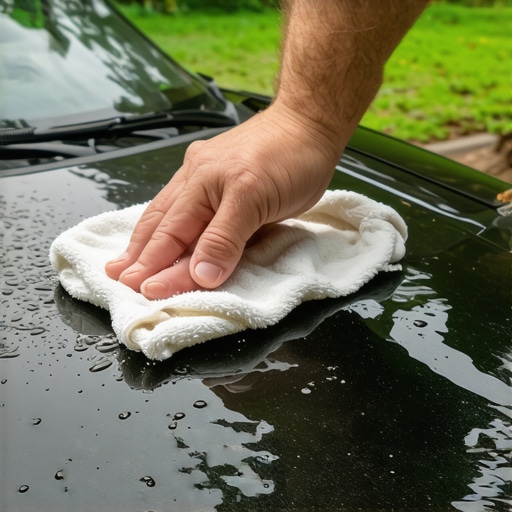
Remove the plastic covers and dry any remaining moisture with clean microfiber towels. Reconnect the battery terminal only after everything is completely dry. Check all components for any residual water or grime before starting your engine. I learned this the hard way when I rushed to start my car and saw water droplets still clinging to the fuse box, which caused a brief electrical issue. A methodical dry and reassembly process guarantees a safe and sparkling engine bay.
When it comes to automotive care, a lot of drivers rely on conventional wisdom or oversimplified guidance. However, beneath these common beliefs lie nuances that can make or break your vehicle’s longevity and performance. Let’s uncover some misconceptions and advanced pitfalls that even seasoned DIYers often overlook.
Why Quick Oil Changes Might Do More Harm Than Good
Many believe that frequent oil changes are always better, but the truth is more nuanced. Modern synthetic oils retain their lubricating properties much longer than traditional oils, which means changing oil prematurely can be unnecessary—and even detrimental by disturbing the oil’s natural lifecycle. According to industry experts, adhering to the manufacturer’s recommended intervals—detailed in your owner’s manual—is essential. You can learn more about how regular oil changes extend your car’s lifespan by visiting [this comprehensive guide](https://autofixclinic.com/why-regular-oil-changes-extend-your-cars-lifespan). Opting for needless oil swaps may also waste resources and create environmental waste.
Common Myths Surrounding ASE Certification and What It Truly Signifies
Many drivers assume that ASE (Automotive Service Excellence) certification guarantees a technician’s flawless skill, but the reality is that ASE certification indicates a recognized standard of competence, not an infallible skill set. ASE-certified mechanics are trained to a high standard, but their expertise often depends on ongoing education, specific experience, and the shop’s resources. To understand what ASE certification truly means for your vehicle’s maintenance, check out [this detailed overview](https://autofixclinic.com/what-does-an-ase-certification-mean-for-your-cars-maintenance). Remember, a certified technician is a solid indicator of professionalism, but always evaluate their specific experience with your car’s make and model.
Advanced Pitfall: Neglecting Transmission Health and the Costly Mistakes
Transmission systems are complex and often misunderstood. A common oversight is the neglect of subtle signs like slipping gears or delayed engagement, which many dismiss until a catastrophic failure occurs. Many drivers believe that transmission fluid changes are optional or only necessary if problems appear. In reality, routine maintenance can prevent overheating and wear, especially in vehicles towing or carrying heavy loads. For deep insights, review [this expert article](https://autofixclinic.com/transmission-troubles-expert-insights-for-smooth-shifting) explaining how transmission trouble can be avoided with proper service. Ignoring these signs or delaying maintenance can lead to expensive repairs—sometimes beyond what regular checks would cost.
Have you ever fallen into this trap of believing oversimplified advice or overlooking advanced nuances? Drop your experience in the comments and let’s learn together. Remember, proactive and informed maintenance is the key to a reliable, long-lasting vehicle.Maintaining your vehicle over the long term requires more than just basic knowledge; it demands the right tools, a strategic approach, and a commitment to regular care. One of my go-to tools is a high-quality OBD-II scanner, like the BlueDriver. I prefer this model because it provides detailed diagnostic trouble codes and live data that help me pinpoint issues before they escalate. Investing in an advanced scanner has saved me hundreds on unnecessary repairs by catching problems early, especially with complex systems like transmission controls. For example, regularly monitoring transmission fluid temperature using dedicated sensors can prevent overheating, which is critical since overheating is a common cause of transmission failure—as explained in detail [here](https://autofixclinic.com/why-your-transmission-overheats-while-towing-up-small-grades).
How do I maintain my car’s electronics over time?
Proper electrical maintenance involves using dielectric grease on connectors and ensuring fuse boxes are clean and dry. I also utilize a multimeter to check battery voltage and wiring continuity periodically, which helps me avoid sudden electronic failures—particularly important in modern vehicles with numerous sensors. Looking ahead, trend forecasting suggests that diagnostic tools will become increasingly integrated with smartphone apps and AI algorithms, allowing for even more precise and user-friendly maintenance routines. This integration aims to empower drivers to perform complex diagnostics at home, reducing costs and downtime. For instance, I plan to incorporate a Bluetooth-enabled jump starter that doubles as a diagnostics hub, streamlining emergency repairs.
Not only do these tools streamline routine maintenance, but they also arm you with the knowledge to identify issues early—a key factor in preserving your vehicle’s health and resale value. If you haven’t tried using a dedicated scanner to review your transmission parameters or an infrared thermometer to check cooling system efficiency, I highly recommend giving it a shot. It’s a game-changer. For expert advice and personalized recommendations tailored to your specific vehicle, reach out through the [contact page](https://autofixclinic.com/contact-us). Incorporating these tools into your maintenance routine can transform how you care for your car, ensuring it stays reliable and performing at its best for years to come.
What I Wish I Knew About Water and Electronics in Car Care
During my first attempt at cleaning my engine bay, I underestimated the vulnerability of electronic components. I believed a thorough rinse would keep everything spotless, but I learned the hard way that water and sensitive electronics don’t mix well. That was a clear reminder that protecting electrical parts is crucial to prevent costly damage, a lesson that transformed my approach to car maintenance.
Why Personal Experience Trumps Generic Advice in Auto Care
After multiple missteps—like using high-pressure water or rushing through drying—I realized that practical, tailored techniques yield the best results. There’s no one-size-fits-all solution; understanding your vehicle’s specific needs, like covering sensitive areas before cleaning, makes all the difference. This hands-on experience has deepened my appreciation for thorough, cautious care rather than blind adherence to popular tips.
How Investing in Quality Tools Changed My Maintenance Routine
Using a microfiber cloth, gentle degreasers, and a leaf blower revolutionized my engine cleaning process. These tools didn’t just make the job easier—they also ensured I didn’t compromise electronic safety. Trusting reliable tools has empowered me to maintain my vehicle more confidently, knowing I can keep it looking sharp without risking damage to vital systems.
The Power of Knowledge for Long-Term Vehicle Health
Beyond cleaning, understanding key aspects like oil change intervals, as discussed in [this guide](https://autofixclinic.com/why-regular-oil-changes-extend-your-cars-lifespan), or transmission care, exemplifies how continuous learning safeguards your car’s performance. By remaining curious and informed—learning how to detect signs of transmission overheating or electrical issues early—you can prevent expensive repairs and extend your vehicle’s lifespan.
Embracing the Journey Toward Smarter Maintenance
My journey has shown me that every car owner can turn maintenance into an empowering activity. When you apply careful techniques, seek knowledge, and invest in quality tools, you’re not just cleaning your engine—you’re nurturing your vehicle’s longevity and safety. Remember, every step you take toward informed car care helps you enjoy a smoother, more reliable ride for years to come.
Curated Resources to Elevate Your Car Care Game
For comprehensive insights into automotive maintenance, I rely on trusted tools and literature. The [BlueDriver OBD-II scanner](https://autofixclinic.com/contact-us), for instance, offers detailed diagnostics that help me catch issues early. Additionally, books like Automotive Repair & Maintenance have expanded my understanding, teaching best practices beyond the basics. Online resources, such as expert articles linked throughout this guide, continuously enhance my knowledge base.
Your Next Step to Smarter Car Care
Remember, the secrets to keeping your car running smoothly lie in attention, patience, and ongoing learning. By applying these lessons, you transform routine maintenance into an act of care and confidence. So, what small adjustment will you make today to improve your vehicle’s health? Share your plan below and join the community of proactive car owners.