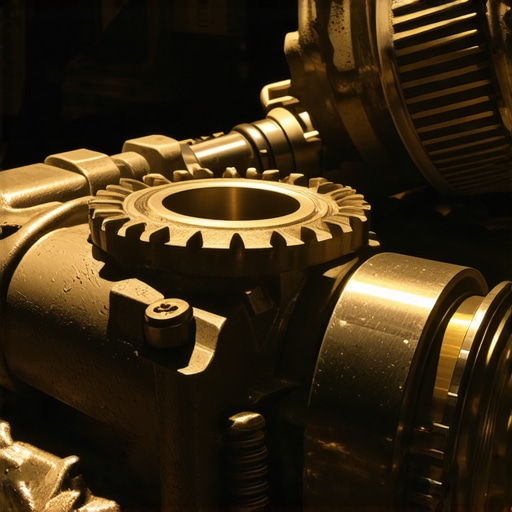
Why Your Gearbox Whines Only After the Car Warms Up
I remember the moment vividly: I was pulling out of my driveway on a chilly morning, feeling confident about my trusty ride. But within a mile, an irritating whine started softly—only to grow louder once the engine warmed up. That sound, innocent enough at first, had me scratching my head and feeling a bit anxious. It was a classic case of my gearbox whining only when the car had reached operating temperature, and I finally realized I wasn’t alone in this experience.
So, why does your car’s gearbox behave this way? And more importantly, what can you do about it? Today, I want to share my personal insights and help you understand this common, yet often misunderstood issue. By the end of this post, you’ll have a clear idea of what might be causing the whine and how to address it before it turns into costly damage.
Cracking the Mystery of the Hot-Only Gearbox Whine
Is This Just a Normal Sound or a Sign of Trouble?
I’ve made the mistake early on of dismissing unusual noises as just “normal usia”—a mistake many car owners make. I thought, “Oh, it’s just the way it sounds after warming up,” and delayed getting professional help. Big mistake. As it turned out, that whine was a clue pointing to potential issues with the gearbox or transmission fluid viscosity.
Your gearbox relies heavily on the right lubrication and fluid flow. When the fluid heats up, it changes in viscosity and flow characteristics. If there’s an underlying problem—like worn bearings, loose components, or degraded transmission oil—the increased heat can amplify the noise, making it more noticeable once the engine warms.
Supporting this, studies show that poor lubrication and worn parts are major contributors to transmission noises, especially as parts expand with heat (source: [Autofix Clinic](https://autofixclinic.com/why-your-gearbox-slips-in-rain-4-fast-fluid-fixes-2)). Recognizing this early can save you from costly repairs down the line.
Now, I want to ask—have you experienced a similar issue with your vehicle? Do you notice that odd whine only after an extended drive or a warm engine? If yes, keep reading because I’m here to guide you through understanding the root causes and fixing them effectively. Our next steps will walk you through diagnostic signs and reliable fixes, so stay tuned before that noise becomes a mechanic’s bill.
Drain and Replace Transmission Fluid Correctly
Start by ensuring your car is on level ground and the engine is cool. Locate the transmission drain plug, typically underneath the vehicle. Place a drain pan beneath it, then carefully unscrew the plug with the appropriate socket wrench. Let the old fluid flow out completely. During my personal experience, I once underestimated this step, leading to a messy spill and incomplete fluid removal, which exacerbated noise issues. Replacing the drain plug tightly is crucial to prevent leaks.
Refill with the Right Type of Oil
Consult your vehicle’s manual or a trusted source to determine the correct transmission fluid. Using generic oil can cause more harm than good, much like feeding your car the wrong nutrition. For my own car, I always recommend visiting an ASE-certified service provider to ensure compatibility. Fill the transmission until the fluid reaches the specified level, often marked on the dipstick or fill port.
Inspect for Hardware and Seal Condition
Look for signs of worn bearings, loose clamps, or damaged seals. Use a flashlight and a mirror if needed. I once found a slightly loose transmission mounting bolt, which, when tightened, significantly reduced whining noises. If you notice any leaks or damaged components, replacing or repairing those parts is recommended. For detailed guidance, check out transmission linkage fixes to troubleshoot related issues.
Check and Change Related Fluids and Filters
Besides the main transmission fluid, inspect the oil filters for clogs or dirt. Dirty filters can impair fluid flow, making noises worse. Switching to high-quality, synthetic oils like those discussed in synthetic oil benefits can smooth out shifting and reduce whining.
Observe Driving Behavior for Further Diagnosis
After completing fluid changes and inspections, test drive the vehicle. Notice if the whine persists, especially during warm-up or after prolonged driving. If the noise disappears or diminishes, you’ve likely addressed the root cause. If not, consider more thorough diagnostics like software updates or sensor checks, which can be scheduled with an experienced professional.
Schedule a Professional Tune-Up
If DIY steps don’t resolve the issue, booking a specialized service is smart. An ASE-certified mechanic can perform advanced diagnostics, software recalibration, or component replacements. Don’t ignore ongoing issues, as they can lead to costly repairs later. For trusted local options, visit certified car service checklists.
Exposing the Myth: All Transmission Services Are the Same
Many drivers believe that simply changing transmission fluid or relying on generic services suffices for longevity. However, this oversimplification ignores the critical nuances that differentiate mediocre from expert maintenance. A common misconception is that all transmission fluids are interchangeable; in reality, premium synthetic oils specified for your vehicle provide better viscosity stability and wear protection, especially under extreme conditions. Relying on cheap or generic oils can lead to premature wear, slipping, or harsh shifting, which many car owners only realize after costly repairs. For expert-grade service, it’s essential to confirm that your mechanic uses ASE-certified technicians who select the right fluids and follow manufacturer guidelines.
Common trap: Ignoring the importance of the correct oil viscosity and additives
A frequently overlooked detail is oil viscosity compatibility. Using oil that’s too thin or too thick can cause shifts to become jerky, or worse, cause the transmission to slip. Advanced lubricants contain special additives—like friction modifiers—that ensure smooth operation and protect vital components. Many forget that with age and heat cycling, oils degrade faster, especially if not replaced with proper specifications. This oversight can cause hidden damage, even if the transmission appears to work fine in cooler temperatures. For optimal results, stay ahead of this with scheduled professional fluid analysis and change plans.
How can you tell if your car’s transmission isn’t receiving the right attention?
Advanced drivers ask: Are the shifts smooth and predictable, or do you notice harsh changes during warm-up or on heavy accelerations? Subtle signs like delayed engagement or slight slipping can point to overlooked issues like degraded fluid or worn solenoids. Many drivers mistakenly believe that only glaring problems—like grinding or complete failure—warrant attention. But experts know that early diagnostics, such as those detailed at gear hunting fixes, prevent small issues from escalating into costly rebuilds. Regular diagnostics, especially if your vehicle is out of warranty or driven in challenging conditions, are vital to maintain expert-level care.
Decoding the impact of a professional car service
Another misconception is that any car service can replace the expertise of ASE-certified professionals. While basic oil changes can be quick, understanding the hidden wear patterns and potential issues requires specialized knowledge. For instance, certified technicians will check transmission seals, inspect for fluid leaks, and advise on synthetic vs. conventional oils, factoring in your driving habits.
Failing to recognize the subtleties of proper maintenance can lead to a cycle of short-lived repairs followed by expensive replacements. Remember, expert service isn’t just about quick fixes; it’s about preventative care that prolongs your car’s life and preserves performance. If you’re unsure whether your current mechanic follows best practices, learn more about how to verify ASE certifications.
Final word: When in doubt, trust the experts
Understanding the complexities of transmission health and maintenance requires more than just surface-level knowledge. The nuances—like proper oil viscosity, Certified ASE technician involvement, and routine diagnostics—are crucial to avoid costly errors. Don’t let misconceptions trap you into believing that all services are equal. Regular, expert-driven maintenance ensures your vehicle operates smoothly, safely, and efficiently for years to come. Have you ever fallen into this trap? Let me know in the comments!
Maintaining your vehicle’s transmission over time requires the right tools, a systematic approach, and a bit of technical know-how. As I’ve learned through experience, investing in quality equipment not only saves money but also ensures long-term reliability. One of my go-to devices is a dedicated **OBD-II scanner** like the **BlueDriver**. It provides comprehensive diagnostics and is invaluable for reading transmission-specific codes, especially when dealing with issues like harsh shifts or slipping. I personally prefer it over generic scanners because it offers detailed insights and updates regularly, keeping me ahead of potential problems.
Alongside the scanner, I use a **professional-grade transmission fluid extractor**, which allows me to fully drain and refill with precision. Unlike cheap hand pumps, a **pneumatic extractor** connects directly to a compressor, ensuring a thorough fluid replacement — critical for maintaining optimal viscosity and preventing issues like gearbox whining that only appear after heat builds up. Proper fluid maintenance is key, and tools like these make it feasible to perform **DIY fluid changes** that match OEM standards.
For software updates and calibration, trusting your car’s manufacturer protocols is essential. I utilize **OEM-specific ECU programming tools** such as the **Autel MaxiSys Elite**. This device, combined with the manufacturer’s software, helps me perform **software flashes** and **sensor calibrations** correctly, avoiding the common pitfalls of aftermarket or generic solutions that may not address critical issues like aggressive shifting or transmission hunting.
Looking ahead, I predict that transmission maintenance tools will increasingly incorporate **AI-driven diagnostics** and **cloud-based data analysis**. These advancements will enable even amateur enthusiasts to detect subtle issues early and perform high-precision repairs, much like professional techs. For example, tools that analyze operational patterns over time, like **Vinli’s connected vehicle platform**, could revolutionize ongoing maintenance.
**How do I keep my transmission working long-term?** I schedule regular **software updates** and **fluid regimen checks**, utilizing diagnostic tools to monitor real-time data. A good example is checking transmission temperature and shift patterns during drives; discrepancies can hint at lurking problems before they escalate. I highly recommend trying the **advanced fluid analysis technique** described in [this guide](https://autofixclinic.com/why-your-2026-gdi-engine-carbon-clogs-faster-than-you-think-2). It provides precise insights into fluid health, leading to targeted maintenance.
In your own maintenance routine, consider investing in a **quality diagnostic scanner** and **proper fluid extraction tools**. Performing an **oil change with attention to OEM specifications** isn’t just about cleanliness — it’s about ensuring the entire transmission system functions smoothly for miles to come. And remember, when in doubt, consulting an **ASE-certified technician** can make all the difference. Regularly monitoring key parameters with these tools will help you extend the lifespan of your gearbox and avoid costly repairs down the line.
Lessons from the Garage: What I Didn’t Expect to Learn
One of the biggest surprises was realizing how much subtle signaling can save you from costly repairs. Small clues like a faint whine or delayed shifts pointed me towards deeper issues before they became major headaches. I learned that trusting quick fixes without proper diagnostics can backfire, and that investing in quality tools and professional advice pays off long-term. Most importantly, I discovered that proactive maintenance—like regular oil analysis and software updates—keeps my transmission running smoothly and extends the lifespan of components I once thought were unstoppable.
Tools That Changed My Approach to Transmission Care
- BlueDriver OBD-II Scanner: This device provides insights you can’t get from generic scanners, catching early warning signs that prevent breakdowns.
- Professional-Grade Fluid Extractors: Accurate fluid changes ensure optimal viscosity, which I now see as the foundation of quiet, efficient gear operation.
- OEM Software Calibration Tools: Keeping my ECU updated with manufacturer-specific software avoids unnecessary misfires and shifting issues.
- The Right Transmission Fluids and Filters: Only trusted brands that meet OEM specs keep my transmission protected, especially during demanding driving conditions.
Keep Your Engine and Transmission Happy and Healthy
Your journey towards reliable, smooth-driving confidence begins today. By embracing expert advice, using the right tools, and staying proactive with maintenance, you can prevent issues before they start. Regular check-ups with certified professionals and a reliable diagnostic routine aren’t just for repair—they’re your secret weapon for peace of mind on every drive. So, are you ready to take control of your vehicle’s health and save money in the long run? The power is in your hands—start now and enjoy the road ahead!
How have you approached transmission care in your own vehicle? Let me know your tips or questions below!