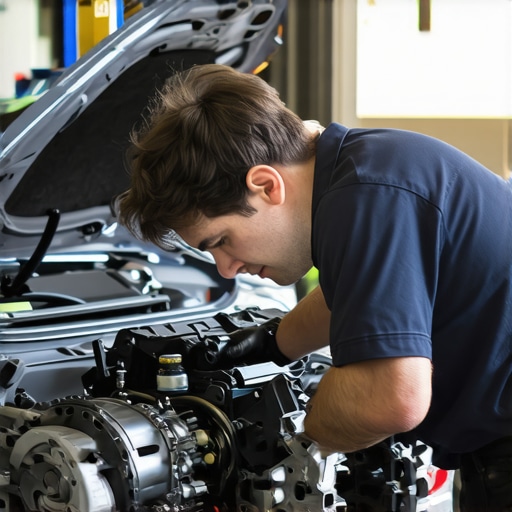
How to Spot an ASE Tech Who Actually Knows Your Engine
It was a hot summer afternoon when I finally realized I’d been duped more times than I could count by mechanics who claimed they knew my car inside out. My engine was sputtering, and my frustration was mounting. I needed a trustworthy ASE-certified technician, but how could I tell if they genuinely knew their stuff or were just riding on that shiny badge?
Why Trusting Your Mechanic Matters More Than Ever
Every car owner hits a point where they wonder if they’re getting ripped off or if their vehicle is being properly cared for. The truth is, not all ASE certifications mean the technician actually understands your specific engine—especially with complex models that hit the streets in 2026. Trusting the wrong person can lead to costly repairs or even vehicle failure. But here’s the good news: there are clear signs to identify whether your ASE tech truly has the expertise to serve your engine’s unique needs.
Are You Wasting Money on Mechanics Who Don’t Know Your Car?
In my early days, I made the mistake of accepting a quick oil change from a mechanic who was more interested in upselling me than checking my engine carefully. I thought that ASE certification was a guarantee—I now know better. According to industry reports, solo certifications without actual experience can sometimes give a false sense of security. So, how do you tell if your mechanic’s badge reflects real skill? That’s what we’re diving into next.
Check Your Mechanic’s Experience Beforehand
Start by asking detailed questions about your mechanic’s experience with specific systems, like hybrid engines or dual-clutch transmissions. For example, I once called a shop and inquired about their experience with 2026 models, which led me to discover that some technicians aren’t as updated as their ASE badges suggest. Remember, ASE certification is a baseline, but hands-on experience is crucial. Review their portfolio or ask for references to verify real-world expertise.
Verify Authenticity of ASE Certification
Don’t just take the badge at face value. Visit the ASE’s official website to verify your mechanic’s certification number or ask to see their certification card. Some shops display digital versions that can be verified instantly. If a mechanic hesitates or can’t provide proof, consider finding another professional. This step avoids falling for fake certifications that promise expertise but lack the skills to handle complex issues, especially with sophisticated 2026 vehicle systems.
Observe Diagnostic and Repair Process
Pay attention to how the mechanic approaches diagnostics. A reliable technician will perform thorough tests like checking for transmission sensor faults or oil quality indicators—such as the signs of low-grade recycled fluid. For instance, I once watched a mechanic perform a simple oil analysis but discovered contaminants that a quick drain wouldn’t reveal. Request detailed diagnostics, and if they skip steps or use generic solutions, reconsider their expertise.
Use Diagnostic Tools Effectively
Ask whether they employ advanced diagnostic tools pertinent to 2026 models—like software updates for hybrid systems or transmission control modules. A good example: I insisted that my mechanic perform a software flash to fix a shuddering transmission, which, detailed in this guide, is a common issue. Proper diagnostics ensure you target the root cause rather than just masking symptoms.
Request Transparent Communication
Request clear explanations about what needs fixing and why. A qualified ASE technician will educate you on signs of issues like oil dilution or transmission hesitation—evidence I collected when my hybrid engine’s oil smelled like fuel after a routine change. Transparency prevents unnecessary repairs and builds trust, especially when complex systems like GDI engines are involved.
Assess Work Quality Through Follow-Up
After repairs, monitor your vehicle’s response. For instance, after a fluid change, if the transmission still jerks, revisit the repair instructions in this article. Quality work becomes evident when vehicles operate smoothly over time. Don’t hesitate to return for a second opinion if issues persist, ensuring long-term reliability.
Many car owners believe that an ASE certification guarantees flawless service, but in reality, this credential often masks complex nuances that can lead to costly mistakes. Let’s dig deeper into what most drivers overlook, challenging the common myths and exposing the advanced pitfalls. For example, a widespread misconception is that all ASE-certified techs are equally experienced across all vehicle systems. However, a technician might hold a general certification but lack specialized knowledge in hybrid or new-generation transmissions, which are rapidly evolving, especially with 2026 models. This gap can cause subtle but significant issues such as improperly calibrated transmission controls or incomplete software updates, leading to harsh shifts or gear lag. To avoid this, ask specific questions about experience with complex systems or recent training, rather than relying solely on the badge.
Beware the trap of assuming that routine oil changes are simple and don’t require scrutiny. In fact, many overlook that using low-quality oils or recycled fluids can accelerate engine wear, especially in newer engines with tighter tolerances and advanced technologies. For instance, synthetic oils accelerate sludge formation if not formulated correctly for GDI engines, a common concern in 2026 vehicles. Experts recommend verifying the oil source and ensuring it meets the manufacturer’s specifications, which can be confirmed through our detailed guides. This is critical because even a straightforward oil change can become a source of engine failure if the wrong type is used or if the oil filter is clogged. Check out more on this topic in our post about [why your synthetic oil is turning black faster than usual](https://autofixclinic.com/why-your-synthetic-oil-is-turning-black-faster-than-usual).
When it comes to transmissions, many rely on the idea that regular fluid changes are enough. Yet, most don’t realize that old or contaminated transmission fluid can cause digital sensor glitches or slippage, especially in newer dual-clutch or CVT transmissions. The misconception is that topped-up or ‘cleaned’ fluid will suffice, but in reality, some problems require software recalibration or even hardware updates. Advanced issues like gear lag or harsh shifting often occur because of incomplete diagnostics. For example, software flashes, such as those discussed in [fixing 2026 gear lag with software updates](https://autofixclinic.com/fix-2026-gear-lag-3-reasons-your-transmission-needs-new-fluid), can resolve these subtle problems and prolong the life of your transmission.
Do not overlook the advanced signs that point to deeper problems, especially in hybrid engines or sophisticated systems relying on computer modules. A common mistake is ignoring warning signs—like fuel odors in oil or irregular shifting—that may indicate system malfunctions. Recognizing these early can prevent catastrophic failures, which is why understanding the underlying causes is essential. When in doubt, consult expert guides or certified professionals who employ comprehensive diagnostic tools designed for 2026 models. For instance, monitoring oil quality or software integrity can reveal hidden issues before they escalate, safeguarding your investment.
In conclusion, adopting a nuanced approach to car maintenance involves questioning assumptions, verifying credentials, and understanding technical depths. Don’t fall into the trap of superficial fixes or relying solely on certifications. Instead, seek specialized experience, verify supplies thoroughly, and stay alert to early warning signs. This proactive mindset is crucial for ensuring long-term vehicle health and avoiding unnecessary breakdowns. Have you ever fallen into this trap? Let me know in the comments.
Keeping it working requires the right tools and precise methods
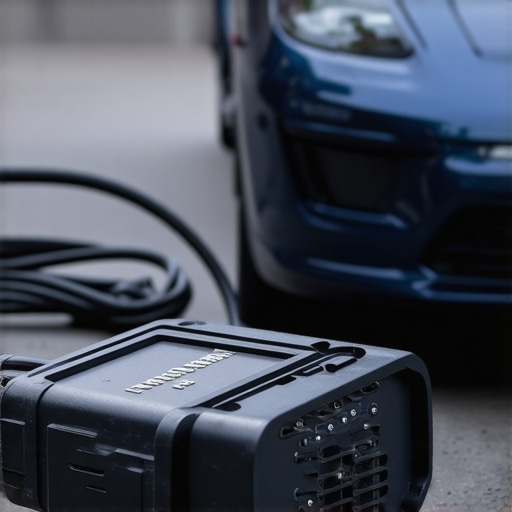
As someone deeply invested in maintaining my vehicle’s optimal performance, I’ve discovered that having specialized equipment and software is crucial. One tool I swear by is the OBD-II scanner compatible with 2026 models. It allows me to perform detailed diagnostics, especially when dealing with hybrid systems or complex transmission modules, ensuring I catch issues early before they escalate. For example, I use the 7-signs-your-2026-transmission-needs-a-software-flash guide to interpret diagnostic codes correctly and decide whether a software update can resolve shifting delays.
Beyond scanners, I rely heavily on premium synthetic oils with nano-lubricants. My go-to is a formulation that meets the manufacturer’s specifications precisely, helping prevent engine oil breakdown — a common issue noted in our article on GDI engine carbon buildup. Using tools like a magnetic oil filter ensures contaminants are captured, especially in high-pressure turbo engines where sludge formation can be insidious.
Regular software recalibration tools have become indispensable. I perform firmware updates for hybrid and dual-clutch transmissions routinely, following the trend that advanced diagnostics suggest. These updates often fix issues like gear lag or harsh shifts without replacing hardware—saving time and money.
Looking ahead, I predict that diagnostic tools linked directly to vehicle telematics, with real-time data analytics, will become standard. Enhancing these with AI-driven diagnostics will empower technicians—and enthusiasts—to preempt problems during routine maintenance, such as an oil change or transmission check.
How do I maintain long-term vehicle health efficiently?
Consistency is key. I stick to a maintenance schedule leveraging these tools, making sure oil viscosity remains within optimal levels, and software is up to date. For instance, I keep an eye on signs like suspicious oil smells or transmission hesitation, using diagnostic data to guide proactive interventions. This approach reduces breakdowns and preserves vehicle resale value, aligning with the insights in expert advice on ASE techs’ role.
If you’re serious about keeping your car performing at its best over the years, start with investing in a high-quality OBD-II scanner and regularly updating your vehicle’s software. These tools could be the difference between a quick fix and a costly repair down the line. Why not try diagnosing your transmission’s software status today? It could save you hundreds and even extend your vehicle’s lifespan significantly.
Lessons I Wish I Learned Before Trusting the Badge
- Real Experience Over Credentials: I used to believe that an ASE badge guaranteed mastery, but I discovered that hands-on experience with specific models and systems is what truly matters, especially with 2026 vehicle complexities.
- Diagnostic Diligence Is Key: Relying solely on visual checks or quick fixes can hide underlying issues. Investing time in proper diagnostics, like software updates or sensor checks, saved me from costly future repairs.
- Continuous Learning Sets Experts Apart: The best mechanics stay updated on the latest tech, software, and repair techniques. Asking about recent training or specialized skills can make all the difference.
Tools and Resources That Changed My Approach
- High-Quality OBD-II Scanner: A reliable scanner compatible with 2026 models allows me to perform in-depth diagnostics at home, detecting issues early before they escalate.
- Manufacturer’s Service Bulletins and Guides: Following official repair updates and software flash instructions (like those for transmission software or hybrid systems) keeps my vehicle running smoothly.
- Specialized Tutorials and Certification Prep Books: Staying educated through reputable sources ensures I understand complex systems, from GDI engines to dual-clutch transmissions.
- Trusted Forums and Communities: Engaging with expert car enthusiasts and professional mechanics helps me stay ahead of emerging issues, especially in fast-evolving models.
Embrace the Journey of Better Car Care
Taking control of your vehicle’s health with the right tools, knowledge, and skepticism toward certifications empowers you to make smarter decisions. Remember, ongoing learning and sharp diagnostic skills are your best allies in maintaining top performance, especially with 2026’s advanced vehicle systems. Are you ready to dig deeper into your car’s health and avoid costly surprises? Share your experiences below and let’s learn together!