What to do when your steering wheel locks up while you are driving
I’ll never forget the cold sweat that broke across my forehead when my old sedan decided to lock its steering wheel while I was doing forty. I was just headed to grab a coffee, worrying about whether I needed a reliable car service, and suddenly, the car wanted to go straight while the road went left. It’s a visceral, terrifying feeling of losing control that most drivers only see in movies. I made the mistake of thinking a little shimmy in the column was nothing, but that negligence nearly cost me a fender. Today, I want to walk you through exactly how to handle this nightmare scenario so you can keep your cool and your car on the pavement.
The Moment the Road Stops Listening to You
When that wheel locks, your first instinct is to yank it. Don’t. I’ve been there, wrestling with the plastic like it’s a bear, but brute force isn’t the answer. Usually, this happens because of a triggered ignition lock or a catastrophic failure in the power steering system. If you’ve noticed that your steering feels loose lately, your car might have been trying to warn you. We’re going to look at the immediate steps to regain control, from managing your brakes to checking the ignition cylinder. The goal is simple: get the car stopped without a collision. Even transmission troubles can sometimes feel like steering issues if the engine stalls out, but a true locked wheel is a mechanical hurdle we have to clear.
Can a Locked Wheel Really Happen Without Warning?
You might be skeptical, thinking modern cars are too smart for this. But even with advanced tech, mechanical parts wear out. Whether it’s a dry rack or a snapped belt, the physical connection can fail. I once ignored a slight vibration that I thought was just a need for an oil change, only to find out my power steering pump was literally seizing up. According to data from the National Highway Traffic Safety Administration (NHTSA), steering-related crashes often stem from mechanical issues that were preceded by smaller, ignored symptoms like fluid leaks or strange noises. Have you ever felt a weird notch or “dead spot” in your steering wheel while driving? If so, you’re already standing on thin ice. We are going to dive into the ‘why’ behind this mechanical mutiny and how you can prevent it with the right maintenance before you ever need to use these emergency maneuvers.
Kill the Panic and Shift to Neutral
When the wheel refuses to budge, your car effectively becomes a sixty-mile-per-hour unguided missile. The very first thing you need to do is shift the car into neutral. This move is crucial because it disconnects the engine from the wheels, preventing the vehicle from accelerating further if the engine is surging. I remember the time my steering went stiff near a busy intersection in the middle of summer; my first instinct was to slam the brakes, but shifting to neutral gave me that split second of cognitive clarity to realize I wasn’t fighting the engine anymore. If you have been experiencing transmission troubles, the gear lever might feel stubborn, but force it into ‘N’ to kill the forward momentum. This allows you to focus entirely on the physical act of steering without the car trying to pull away from you.
Wrestle the Mechanical Resistance
Most people assume a ‘locked’ wheel is completely immobile, but often it is just ‘heavy’ because the power steering pump has died. It’s like trying to stir a bucket of wet concrete with a toothpick. You have to use every ounce of upper body strength to force the car toward the shoulder. Don’t turn the key off while you are still moving. If you shut the engine down completely, you might actually engage the steering column lock, which is the physical pin that prevents the wheel from moving at all when the car is parked. If you’ve recently noticed that your car pulls to the right even after a service, your steering rack might already be under immense stress, making this manual wrestling match even harder. 
Pulse the Brakes to Maintain Directional Stability
Avoid the temptation to stand on the brake pedal. If you lock up the tires, you lose what little directional control you have left. Instead, use firm, steady pulses. This is where your car’s maintenance history really matters. I once saw a guy lose a front-end because he hadn’t kept up with his top oil change tips and ignored a leaking power steering line that eventually sprayed onto his brake rotors. If your pedal feels weird, it might be related to more than just the steering. Once you’ve slowed down to a crawl, you can use the emergency brake (the handbrake) to bring the car to a final, controlled halt.
Check the Ignition Cylinder for Mechanical Failure
Sometimes the lock isn’t in the steering rack, but in the ignition itself. If the cylinder is worn out, it can slip into the ‘lock’ position while you’re driving. This is a terrifying mechanical failure that requires a pro. You should always check what an ASE certification means for your mechanic, as it ensures they have the diagnostic tools to see if your ignition switch is part of a recall or just worn out. While you’re at it, have them check your fluids. If your transmission fluid turned brown recently, it’s a sign of excessive heat that could be affecting other systems under the hood, including your power steering lines. Keeping these systems isolated and healthy is the only way to prevent a total lock-up from happening twice.I’ve spent years under hoods and behind wheels, and if there is one thing I’ve learned, it’s that following the manufacturer’s ‘minimum’ maintenance schedule is a great way to end up on the side of the road with a locked-up steering rack. We often think that as long as we check the boxes, we’re safe. But the real expertise lies in knowing when the manual is actually lying to you to make the car’s ‘cost of ownership’ look lower on paper. Stop Believing the Lifetime Fluid Marketing Lie. The biggest culprit in modern vehicle failure is the myth of ‘lifetime’ transmission fluid. Manufacturers want you to believe the system is sealed and eternal, but physics says otherwise. Heat and friction eventually turn that hydraulic lifeblood into a gritty slurry. If you’ve noticed your transmission fluid turned brown in just six months, your car isn’t just dirty—it’s dying. A study by the Car Care Council found that nearly 80% of vehicles on the road are in need of at least one service or repair, often because owners wait for a light to pop up rather than checking the fluid’s physical state. I’ve seen power steering pumps seize and lock steering columns simply because the owner thought ‘lifetime’ meant they never had to look at the reservoir. The Hidden Pressure That Turns Your Gaskets Into Confetti. There is a common ‘more is better’ mentality when it comes to fluids, especially among DIYers who want to be extra thorough. But the danger of overfilling your engine oil by just one quart is massive. It can lead to ‘aeration,’ where the crankshaft whips the oil into a froth that can’t be pumped. This lack of lubrication doesn’t just hurt the engine; it can cause heat to soak into the steering gear and ignition components, leading to the exact mechanical seizure I described earlier. Similarly, using cheap, off-brand filters is a gamble you’ll eventually lose. I always warn people about the hidden cost of using non-oem oil filters on your turbo. A collapsed filter can starve the top end of the engine, causing a stall that kills your power steering mid-turn. 
Does That Patch on the Mechanic’s Sleeve Actually Protect Your Wallet?
Many drivers think an ASE certification is a silver bullet for quality, but the nuance is in the specialization. While it’s vital to know what an ase certification means for your cars maintenance, it is only the baseline. A true expert won’t just scan for codes; they’ll perform a ‘live drive’ to see how the car behaves under load. I’ve seen ‘certified’ techs miss a failing steering angle sensor because they didn’t use viper tools to reset the sensor after a simple alignment. You need to verify how to tell if your mechanic actually replaced the transmission filter or if they just did a ‘drain and fill.’ Real peace of mind comes from finding a tech who treats your car with the strict discipline of a specialist. Why finding a patron saint of auto repair is so crucial is because they see the ‘ghost problems’ before they become steering-column-locking nightmares. Have you ever fallen into the trap of believing a ‘lifetime’ fluid claim only to have a component fail shortly after? Let me know in the comments, and let’s keep each other from making these same expensive mistakes.I don’t just carry a spare tire and a jack in my trunk anymore; I carry a bidirectional OBDII scanner. If you really want to stop being a victim of sudden mechanical failures, you have to stop treating your car like a mystery and start treating it like a data set. I use a professional-grade scanner because it allows me to perform ‘active tests’—meaning I can tell the car’s computer to fire a specific solenoid or check the power steering pressure while the car is idling. If your steering wheel is acting up, you might find that viper tools to reset the sensor are the only way to re-calibrate the system after a part replacement. Without this tech, you’re just throwing parts at a problem and hoping something sticks.
Stop Guessing and Start Measuring with an Infrared Thermometer
One of my favorite ‘hacker’ tricks for car maintenance involves a twenty-dollar infrared thermometer. When I’m worried about transmission troubles, I don’t just wait for a dashboard light. I aim that laser at the transmission cooler lines. If there is a massive temperature drop between the inlet and outlet, I know I have a blockage. This is particularly useful if your transmission bangs into gear only when the engine is hot, as it pinpoints whether your cooling system is failing to keep the hydraulic fluid stable. The Automatic Transmission Service Group (ATSG) often notes in their technical bulletins that a huge percentage of ‘mechanical’ failures are actually heat-management issues that go undetected by standard sensors until the damage is done. 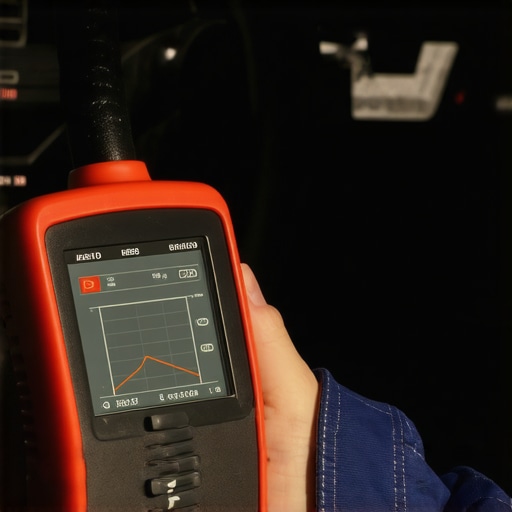
How can I maintain my steering and transmission systems over a decade?
Staying on the road for 300,000 miles isn’t about luck; it’s about breaking the ‘maintenance cycle’ and moving toward a ‘prevention cycle.’ This means checking your fluids every single month, regardless of what the dashboard says. We know why regular oil changes extend your cars lifespan, but for the transmission and steering, you need to be even more surgical. If you have a high-mileage vehicle, you should learn how to get more miles out of your fleets transmission by installing an auxiliary cooler or a magnetic inline filter to catch the microscopic metal shavings that standard filters miss. When you do take it to a shop, remember what an ASE certification means: it means the tech has the theoretical knowledge, but you still need to ensure they perform a live drive to catch the intermittent transmission shudder that computers often ignore. In the very near future, I expect steer-by-wire systems to become the norm, which will make physical ‘locking’ rarer but software glitches more common. For now, if you’ve just had work done, make sure you know how to properly break in a newly rebuilt transmission to ensure the clutches seat correctly. Here is my advanced tip for the week: Next time you check your power steering fluid, use a bright LED flashlight to look for ‘glitter’ in the reservoir; if you see it, your pump is eating itself from the inside out. Don’t wait—flush it immediately.
What a Near-Miss at Forty Miles Per Hour Taught Me About Car Care
I learned the hard way that a car is a system of conversations, and if you stop listening, the dialogue turns into a disaster. Here is the insider wisdom I gathered after my steering wheel decided to fight back:
- The Squeal is a Warning, Not a Quirk: That high-pitched noise when you turn the wheel is the power steering pump begging for attention. Ignoring it is like ignoring a fire alarm because you like the rhythm.
- Shop for the Specialist, Not the Patch: When choosing the right car service, I now look for technicians who explain the ‘why’ behind the wear, not just the cost of the part.
- Certification is the Floor, Not the Ceiling: Understanding what an ASE certification means gave me the confidence to ask deeper questions about steering rack tolerances and hydraulic pressures.
- Fluid is Cheaper Than Metal: Most steering lockups are caused by neglected, overheated fluid that has turned into a grinding paste.
The Data-Driven Toolkit I Use to Avoid Disasters
I stopped guessing about my car’s health years ago. To keep your steering and gears in peak condition, I recommend these three specific resources: A Bidirectional OBDII Scanner allows you to test steering angle sensors and solenoids without turning a single wrench. I also swear by Infrared Thermometers; they are the most effective way to catch transmission troubles by monitoring heat spikes in the cooler lines. Finally, always stick to OEM Filters and Fluids. It is the most basic way that regular oil changes extend your cars lifespan, as it prevents the microscopic debris that eventually seizes steering components.
Reclaiming Control Before the Crisis Hits
Driving shouldn’t be a test of your reflexes against a failing machine. By staying proactive and refusing to accept the myth of ‘maintenance-free’ components, you turn your vehicle back into a reliable tool rather than a liability. If you have already faced a mechanical failure and had work done, make sure you know how to properly break in a newly rebuilt transmission or steering rack to ensure those new parts last another decade. Safe driving is built in the garage, not just on the road. Have you ever felt that terrifying moment when your steering wheel went stiff or heavy while driving? Let me know your story in the comments below.