Why your car feels like it is vibrating specifically at sixty miles per hour
I was merging onto the bypass last Tuesday, enjoying a rare moment of peace, when I hit that magic 60 mph mark. Suddenly, my steering wheel started a frantic drum solo in my hands. It wasn’t a subtle nudge; it was a full-blown earthquake in the cabin. I’ve spent decades under hoods, and even I felt that familiar pit in my stomach. You start wondering if a wheel is about to fly off or if your bank account is about to take a massive hit. It’s a visceral, unsettling feeling that makes you want to pull over immediately. Today, I’m going to walk you through exactly why your car decides to throw a tantrum at this specific speed and how we can get you back to a smooth ride. [image_placeholder]
Why Your Steering Wheel Thinks It’s a Paint Shaker
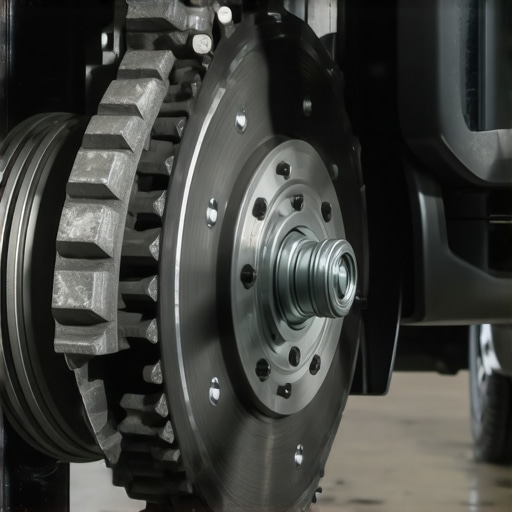
When your car starts acting up only at high speeds, it’s usually because of something called harmonic resonance. Think of it like a playground swing; if you push it at just the right time, it goes higher and higher. At 60 mph, a tiny imperfection in your tires or drivetrain hits its “sweet spot,” and that small wiggle turns into a violent shake. Early in my DIY days, I once spent a whole weekend replacing an entire set of brake rotors because I was convinced they were warped, only to find out my wheels were just out of balance. Talk about a lesson that cost me three Saturdays and a few hundred bucks I didn’t need to spend. Often, the culprit is hidden in plain sight, and while shaking at 55 mph is quite common, that jump to 60 often points toward specific wheel weight issues or even more complex transmission troubles that only surface under load. According to the Car Care Council, an out-of-balance tire can cause uneven wear and significant vibration, potentially leading to premature failure of suspension components if ignored.
Is This Vibrating Going to Break the Bank?
It’s the fear we all have when we feel that shudder through the seat. You might be worried you need a whole new front end or an engine overhaul. The truth is, most of the time, the fix is remarkably simple if you catch it early. Whether it’s a lost wheel weight or a tire that’s developed a flat spot from sitting too long, identifying the source is the first step to saving your wallet. If you aren’t comfortable checking the suspension yourself, choosing the right car service is vital to ensure you aren’t sold parts you don’t actually need. You want someone who knows what an ASE certification means for the quality and honesty of your repair. Have you ever felt your steering wheel turn into a jackhammer the second you merge onto the highway? Drop a comment below; I’d love to hear how your car is acting up so we can troubleshoot it together.
Start with the Rubber on the Road
First, get down on your hands and knees. You’re looking for uneven wear patterns or “cupping”—this is when the tread looks like a series of little scallops. I once had a frantic neighbor bring his sedan to my garage, convinced his axle was snapping. I crawled under and found a massive, hardened chunk of red clay mud stuck to the inner barrel of his rim. At 60 mph, that few ounces of mud acted like a lead weight, throwing the whole rotating assembly out of balance. Before you assume the worst, check for debris or a lost clip-on wheel weight. Even if the tires look clean, they might need a professional high-speed balance. This is also a good time to remember that learning why regular oil changes extend your cars lifespan is often part of a larger maintenance habit where technicians spot these tire issues during your routine rotation.
Don’t Ignore the Joints and Links
If the tires are round and balanced, we move to the suspension. Think of your suspension like the shock absorbers on a mountain bike; if they’re shot, every pebble feels like a boulder. You can perform a “bounce test” by pushing down hard on each corner of the car. If it bounces more than twice after you let go, your shocks are likely failing. Knowing how to tell if your shock absorbers are worn out without any leaks is crucial because internal valving can fail while the outside stays bone dry. Check your CV joints as well; if the rubber boot is torn, grease flies out and abrasive road grit gets in. Listen closely for the specific sound of a failing cv joint that most drivers ignore, which usually manifests as a clicking during sharp turns but can create a rhythmic shimmy once you hit highway speeds. 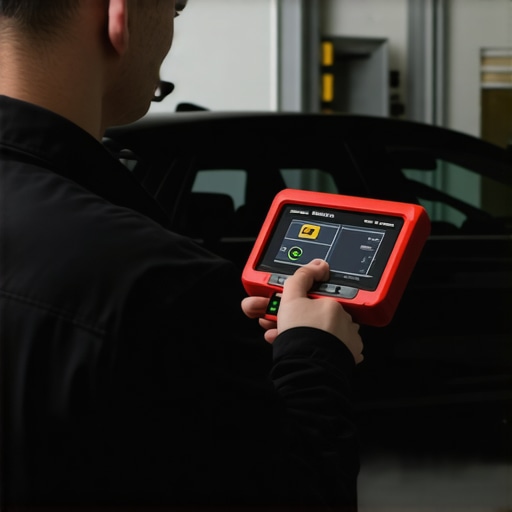
When the Problem Lives in the Drivetrain
Sometimes the shake isn’t felt in the steering wheel but rather through the floorboards or your seat. This often points toward the rear of the car or the drivetrain itself. Your transmission is essentially the translator between the engine’s raw power and the wheels’ rotation. If there’s a shudder specifically when the car shifts into its final gear or overdrive at 60 mph, you might be looking at transmission troubles such as a failing torque converter. It often feels like driving over rumble strips for a split second. I remember a truck I worked on that only vibrated when climbing a slight grade at 60 mph; the U-joint was bone dry and binding under load, even though it looked fine on the lift.
Get a Pro to Validate Your Findings
If you’ve poked around and still can’t find the culprit, it’s time for a professional “live drive” diagnostic. This is where choosing the right car service makes the difference between a $50 balance and a $1,500 “parts-cannon” approach where they just swap components until the shaking stops. Seek out a shop where the technicians can explain what an ase certification means for their diagnostic accuracy. A certified pro won’t just guess; they’ll use specialized tools like electronic vibration analyzers to pinpoint the exact frequency of the shake, distinguishing between a tire issue and an internal engine skip.
Stop Falling for the ‘Lifetime Fluid’ Marketing Gimmick
Here’s a hill I’m willing to die on: there is no such thing as ‘lifetime’ transmission fluid. Manufacturers started using this term to lower the ‘perceived cost of ownership’ for new car buyers, but in the real world, fluid breaks down. If you’re feeling a shudder at 60 mph, it might be because your fluid has lost its viscosity or the friction modifiers have worn out. I’ve seen countless drivers ignore transmission troubles because their manual said it was a ‘sealed unit.’ Then they wonder about the reason your transmission fluid turned brown in just six months of heavy commuting. Trust me, if you want your car to last past the warranty, change that fluid every 40,000 to 60,000 miles. 
Can a simple oil change mistake cause a highway shudder?
It sounds crazy, but yes. I’ve seen DIYers and even entry-level lube techs make the common ‘Oops’ mistake of the danger of overfilling your engine oil by just one quart. When the crank hits that extra oil, it froths it up like a latte, creating air bubbles. These bubbles don’t lubricate, and they can cause a rhythmic engine hesitation that feels exactly like a wheel balance issue when you’re cruising at high speeds. Even knowing how to spot a counterfeit oil filter before it ruins your turbo is a skill you need, because a restricted filter can cause oil pressure fluctuations that trigger subtle ‘limp mode’ stutters. According to the AERA Engine Builders Association, neglecting fluid shear stability in high-heat environments—typical of modern downsized engines—is a leading cause of premature internal wear. It’s not just about keeping things slippery; understanding why regular oil changes extend your cars lifespan is actually about maintaining the chemical integrity of the engine’s internal components.
Look for the Patch: Why ASE Standards Actually Matter
When you’re choosing the right car service, don’t just look for the cheapest labor rate. That’s a trap. A shop that charges $80 an hour might take four hours to misdiagnose a problem that an ASE-certified tech could find in twenty minutes. I’ve spent years working alongside master techs, and I can tell you that knowing what does an ase certification mean is about more than just a patch on a sleeve. It means that person has the diagnostic discipline to distinguish between a mechanical transmission slip and an electronic sensor failure. Have you ever fallen into the ‘cheapest shop’ trap and ended up paying twice for the same repair? Let me know in the comments—I’ve been there too, and it’s a lesson we all learn the hard way.
Throw Away Your Cheap Scanner and Get a Real Diagnostic Tool
I’ve seen too many DIYers get led astray by $20 code readers that only tell half the story. If your car is shuddering at highway speeds and the check engine light is blinking, you need more than just a generic code; you need live data. Personally, I don’t leave the driveway without a bidirectional scan tool. Why? Because it allows me to command the torque converter clutch to engage or disengage while I’m actually driving. This is how I determine how to tell if your transmission slip is mechanical or electronic without pulling a single bolt. If I can toggle the solenoid and the vibration disappears, I know I’m dealing with an electrical gremlin rather than a shredded gear. For newer vehicles, why viper tools are the only way to reset your cars steering angle sensor becomes apparent the moment you finish an alignment and the car still feels ‘nervous’ at 60 mph.
The 60,000-Mile Rule Your Owners Manual Forgot to Mention
Manufacturers are in the business of selling new cars, not making your current one last for 300,000 miles. To keep a car smooth at high speeds, I follow a strict 60,000-mile fluid refresh cycle for the entire drivetrain. This isn’t just about why regular oil changes extend your cars lifespan; it’s about protecting the differentials and the transfer case. According to Aisin Seiki technical documentation, fluid oxidation is the primary cause of torque converter ‘chatter’—that specific vibration that feels like driving over a washboard at 60 mph. If you’ve just had work done, knowing how to properly break in a newly rebuilt transmission is the difference between a fix that lasts a decade and one that fails in a month. 
How do I maintain a vibration-free ride over time?
Consistency is your best friend here. Every time you rotate your tires, perform a visual inspection of the CV boots and the drive shaft center support bearing. These rubber components dry out and crack, eventually letting the grease escape and causing a high-speed wobble. If you catch transmission troubles early by checking your fluid levels and color monthly, you prevent the friction material from glazing over. I always tell my clients that choosing the right car service means finding a shop that treats a 60,000-mile service like a surgical procedure, not a quick pit stop. They should be looking for the intermittent transmission shudder that only surfaces during a live drive, which is a nuance many general shops miss.
What the Future of High-Speed Stability Looks Like
As we transition toward electric vehicles, the ’60 mph shake’ isn’t going away; it’s just changing. Without the noise of an internal combustion engine to mask it, every tiny vibration from a flat-spotted tire or a loose suspension link becomes deafening. We are moving toward ‘active vibration cancellation’ systems, much like noise-canceling headphones for your chassis. However, no amount of software can fix a bent rim. The fundamentals of what does an ase certification mean will remain the gold standard, as technicians will need to be part-mechanic and part-software-engineer to calibrate these future sensors. My advice? Grab a high-quality torque wrench today and start checking your own lug nuts to ensure they are torqued to factory specs; it’s the simplest way to prevent hub-centric vibrations before they start.
The Costly Myths About Highway Shudder That Held Me Back
Over the years, I’ve realized that a shaking car at 60 mph is often a puzzle with a very simple piece missing. One of the biggest misconceptions I had was thinking that if the car drove straight, the alignment was perfect. In reality, you can have a perfectly straight-pointing car with a tire that has a shifted internal belt, causing a rhythmic vibration that feels like a jackhammer. Another lightbulb moment was discovering that the intermittent transmission shudder that only surfaces during a live drive is frequently misdiagnosed as a wheel balance issue. Don’t let a shop convince you that a ‘sealed’ transmission doesn’t need attention; proactively looking for transmission troubles before they become terminal is the hallmark of a savvy owner. Finally, I learned that a vibration isn’t just an annoyance—it’s energy being dissipated into your suspension, wearing out your bushings and ball joints every single mile you ignore it.
The Real Tools Every Road-Warrior Needs
If you want to move beyond guessing, you need a few staples in your garage. First, get a high-quality torque wrench. Unevenly torqued lug nuts can actually warp your rotors over time, leading to why your steering wheel shakes only when you hit the brakes at 60 mph. Second, I swear by a basic infrared thermometer; it can help you spot a sticking brake caliper by comparing the heat between your wheels after a long highway run. Third, never underestimate a bidirectional scan tool to help you identify how to tell if your transmission slip is mechanical or electronic without a trip to the dealer. Lastly, a simple tread depth gauge helps you spot ‘cupping’ early, ensuring you understand why regular oil changes extend your cars lifespan is just one part of a total maintenance mindset. #IMAGE_PLACEHOLDER_E#
Take the Wheel and Kill the Shiver
You don’t have to live with a steering wheel that fights you at every highway merge. By being methodical—starting with your tires and moving inward toward the drivetrain—you can isolate the source and save your sanity. Whether you’re DIYing the fix or choosing the right car service to handle the heavy lifting, remember that knowledge is your best defense against predatory repair quotes. A car that hums at 60 mph isn’t just safer; it’s a testament to your commitment to quality maintenance. Have you ever had a mystery vibration that turned out to be something completely unexpected, like a bent rim or a bad sensor? Drop a comment below and let’s help the rest of the community solve their highway shakes!