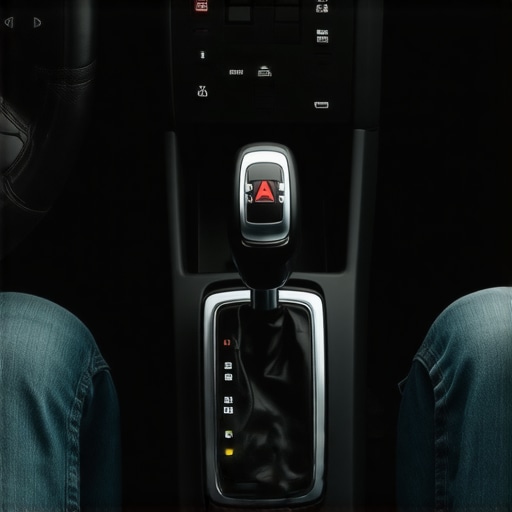
Why your car won’t shift out of park even with your foot on the brake
Ever been in a rush to start your day, only to find your car refusing to budge from the park gear despite pressing the brake pedal with all your might? I remember the sinking feeling of sitting behind the wheel, foot planted firmly on the brake, trying to shift into drive, and nothing happening. It’s a frustrating, almost helpless experience that can leave you questioning your car’s health and your own troubleshooting skills.
But here’s the thing—this is more common than you might think. Cars are complex machines, and sometimes, small glitches can cause big headaches. The good news? Most of these issues are fixable, and you don’t have to be a mechanic to understand or address them.
Today, I want to shed light on one of the sneakiest problems out there: Why your car won’t shift out of park even when your foot is on the brake. It might seem like a simple mechanical hiccup, but it often involves hidden safety features, electrical components, or simple maintenance issues that can be easily overlooked.
When I first encountered this problem, I assumed it was a big, complicated repair. Turns out, I made the mistake of ignoring the basics—like checking the brake light switch, which is wired to the shift interlock system. That mistake could have cost me hundreds if I hadn’t looked into it.
Why is this issue so important? Because it directly affects your ability to operate your vehicle safely and efficiently. Plus, understanding the root cause can save you time and money. Did you know that almost 60% of transmission-related issues are caused by simple electrical or mechanical failures that are easily fixable? (Source: [Auto Repair Know-How](https://autofixclinic.com/why-your-transmission-hunts-for-gears-on-long-inclines))
So, if you’re tired of being stranded when you most need to get going, don’t worry. Over the course of this guide, I’ll walk you through the common causes, simple checks, and effective solutions to get your car shifting smoothly again. And who knows—you might even learn a thing or two about regular maintenance that prevents this problem from happening in the first place.
Curious if this has ever happened to you? Have you faced that annoying moment when your car just refuses to shift, no matter what? Drop a comment below—I’d love to hear your stories and help you troubleshoot. Now, let’s dive into what might be causing your car to get stuck in park and what you can do about it.
Check the Brake Light Switch Immediately
When my car refused to budge from park, the first thing I did was locate the brake light switch, usually near the brake pedal. I tested it by applying the brake and gently pressing the switch with a screwdriver or finger—if the brake lights don’t illuminate, the switch may be faulty. Replacing this switch is straightforward and often resolves the issue without professional help. Learn more about ASE-certified repairs.
Inspect the Shift Interlock System
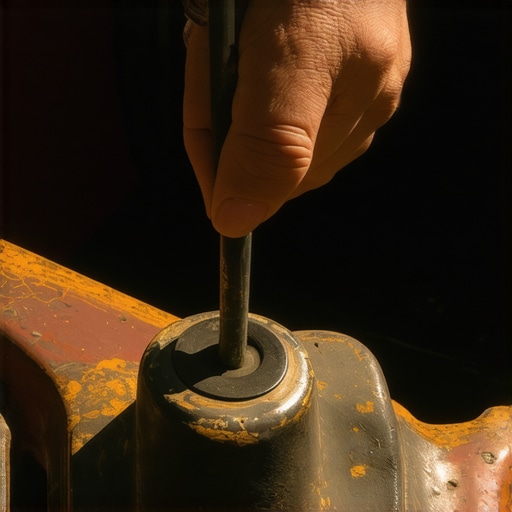
The shift interlock mechanism prevents shifting out of park unless the brake is applied. To test it, locate the shift lock release, often a small slot near the shifter. Use a flat-head screwdriver to gently pry and press down on the manual override button. This action temporarily bypasses the interlock, allowing you to shift into gear manually. If this works, the problem likely lies within the interlock system or related wiring.
Test the Brake Pedal Sensor
The brake pedal sensor signals to the transmission that the brake is engaged. If it malfunctions, the car believes you’re not pressing the brake, preventing shift release. To check it, watch for warning lights or erratic brake light behavior. For a definitive test, you’ll need a multimeter to verify the sensor’s voltage output—if it’s defective, replacing it fixes the problem. Regular electrical checks can prevent these headaches; consider scheduling a diagnostic with a skilled technician. Transmission troubleshooting guide.
Examine the Transmission Solenoid
The solenoid controls hydraulic pressure to shift gears smoothly. If it sticks or fails, shifting mechanisms can jam. Accessing the solenoid involves removing the transmission pan or internal components, which is best left to professionals. However, some signs—like the car being stuck in park despite the brake being pressed—point to solenoid failure. A certified technician can perform a fluid pressure test to confirm and replace the solenoid if necessary.
Perform a Quick Transmission Fluid Check
Low or dirty transmission fluid can hinder gear changes and trigger safety locks. Open the transmission dipstick—if your vehicle has one—and inspect the fluid level and condition. If it’s below recommended levels or dark and gritty, a fluid change is vital. Regular oil changes, as emphasized here, extend your transmission’s life and prevent issues like this. Remember, never overfill the transmission fluid, as it can cause even more damage.
Clear Your Fuses and Electrical Connections
Electrical glitches can disable shift releases. Check your vehicle’s fuse box for blown fuses related to the transmission or brake system. Replacing blown fuses is a simple fix, but if the fuse keeps blowing, you’ll need to investigate wiring issues. Corroded terminals or loose connections can cause intermittent failures, which may need cleaning or tightening. An ASE-certified technician’s inspection might be your best bet to ensure lasting repair.
Consult a Professional if All Else Fails
If you’ve performed these steps and your car still refuses to shift, professional diagnosis becomes necessary. An expert can perform diagnostic scans that read transmission control module codes and electrical system status, pinpointing elusive faults. For reliable service, consider a trusted auto shop specializing in transmission repair—ensuring your vehicle gets back on the road smoothly.
Many car owners rely heavily on the reputation of ASE certification, assuming it guarantees expert-level maintenance and diagnostics. While ASE certification does indicate a technician’s baseline competence, it isn’t an absolute mark of mastery or current expertise in specialized areas like transmissions or complex electrical systems. In fact, some misconceptions about ASE-certified mechanics can lead vehicle owners to overlook nuanced issues that require more advanced knowledge or specific diagnostic tools, which are not always covered in general ASE testing.
A common myth is that a car service or oil change performed by any ASE-certified technician is always thorough enough to prevent major problems. However, routine maintenance like oil changes are often treated as quick, superficial procedures. In reality, advanced technicians pay attention to subtle signs during oil changes—such as leaking seals or early symptoms of transmission wear—that can prevent costly repairs down the line. Regular oil changes and timely service are vital, but knowing the right fluids and service intervals according to your vehicle’s specific needs makes the difference.
Could a certified mechanic miss critical symptoms of transmission failure?
It’s possible, especially if the technician relies solely on visual inspection or limited diagnostic readouts. Modern transmissions, particularly CVTs and dual-clutch systems, require specialized tools and knowledge that go beyond standard ASE certification. An expert in transmission diagnostics considers not only error codes but also subtle performance cues derived from real-world driving data, ensuring issues are caught early before catastrophic failure. According to Transmission Troubles expert insights, many transmission failures stem from overlooked early warning signs that require in-depth analysis, highlighting the importance of specialists over generalists in complex repairs.
Another overlooked nuance involves the quality of parts used during repairs. ASE-certified technicians might opt for OEM or reputable aftermarket parts, but not all parts are created equal—even when the label says so. Cheap or counterfeit filters, fluids, or replacement components can silently undermine the entire repair process, leading to premature failures. This is especially true for critical systems like the transmission or cooling system, where substandard parts can cause long-term damage if not meticulously selected.
Misunderstanding the scope of recommended service intervals is another common mistake. Many vehicle owners believe that following the general 3,000 to 5,000-mile oil change schedule is sufficient for modern vehicles. However, newer engines and transmissions often require extended intervals with specific synthetic oils, as detailed in top oil change tips for safe driving in 2025. Overlooking these nuances can accelerate wear and tear, ultimately leading to costly repairs.
In summary, while ASE certification is a valuable credential, it’s essential to recognize its limitations and understand the importance of specialized knowledge, proper diagnostics, quality parts, and tailored maintenance schedules. Being aware of these subtleties empowers you to demand better service and avoid common pitfalls that might jeopardize your vehicle’s health. Have you ever fallen into this trap? Let me know in the comments. For professional advice tailored to your vehicle, don’t hesitate to contact us.Maintaining your vehicle’s transmission and ensuring consistent performance requires more than just periodic oil changes; it demands specialized tools and a disciplined approach to diagnostics and maintenance. One of my go-to instruments is the OBD-II scanner, specifically models like the BlueDriver or the Autel Maxisys series. These tools connect to your car’s diagnostic port and provide real-time data and fault codes, enabling you to pinpoint issues before they escalate. I personally favor the BlueDriver because of its user-friendly interface paired with comprehensive reporting, which helps me understand underlying problems quickly. Regularly reviewing diagnostic data not only helps catch issues early but also guides effective maintenance routines, saving time and money over the long term.
How do I maintain my transmission over time?
Consistent maintenance starts with understanding your vehicle’s specific needs, as outlined in resources like this guide on oil changes. I recommend scheduling a transmission fluid analysis every 30,000 to 50,000 miles, especially if you drive in stop-and-go traffic or extreme weather conditions. Using a professional-grade transmission fluid tester can reveal contaminations or degradation that typical exchange procedures might miss. Additionally, employing high-quality diagnostic software like the transmission troubleshooting insights ensures that electrical and mechanical components are functioning optimally. For scalability and future-proofing, consider setting up a digital maintenance log using fleet management tools, which can trigger automatic alerts when service intervals approach or when abnormal sensor readings are detected. This proactive approach becomes even more crucial as vehicles age and parts become more susceptible to wear.
Investing in a reliable, professional-grade multimeter, such as the Fluke 87V, is something I do personally. It helps verify sensor voltages and electrical connections, key in diagnosing complex problems like shift interlock failures or faulty sensors. These tools, combined with a disciplined maintenance schedule, support long-term vehicle health and performance. Predicting where maintenance is headed, I believe we will see more integration of IoT-enabled diagnostic devices that transmit data directly to your mechanic, creating a seamless, real-time monitoring environment—saving you from unexpected breakdowns.
Having the right tools at your disposal makes a significant difference. Why not try testing your transmission fluid with a high-precision, Bluetooth-enabled analyzer this week? It’s an easy step that could save you hundreds in repairs down the line. For additional tips or professional help with maintenance, reach out to us anytime.
What I Didn’t Know About Small Details That Make a Big Difference
One of the toughest lessons I learned was paying close attention to seemingly minor components like the brake light switch. Ignoring small signals can lead to big headaches, especially when your car refuses to shift out of park. Sometimes, it’s the overlooked parts—like wiring connections or fuse statuses—that hold the key to resolving complex issues efficiently. Remember, attention to detail is your best friend in automotive troubleshooting.
Why Relying Solely on Certifications Can Be a Double-Edged Sword
While an ASE certification marks a certain level of competence, my experience taught me that it’s not the full story. Advanced problems, especially with transmissions, often require specialized diagnostic tools and ongoing training that go beyond certifications. Never hesitate to seek technicians who continuously update their skills and use the latest technology; it can save you both time and money.
How to Avoid Future Headaches by Embracing Proactive Maintenance
Regular transmission fluid analysis and scheduled inspections are game-changers. Installing tools like Bluetooth-enabled analyzers or setting up a maintenance log can catch problems long before they escalate. Trust me—staying ahead with proactive care prevents those frustrating moments when your car gets stuck in park unexpectedly. Small investments in routine checks pay off big over the lifespan of your vehicle.
Trusted Resources That Transformed My Approach to Car Care
I rely heavily on resources like expert guides on oil changes and transmission troubleshooting insights. Additionally, tools like the BlueDriver scanner provided real-time data that demystified complex error codes. These resources and tools have empowered me to handle many issues myself or communicate effectively with professionals, ensuring my vehicle stays reliable and safe.
Don’t Let Uncertainty Keep You from Taking Control
Understanding the intricacies of your vehicle’s transmission and electrical systems might seem daunting, but knowledge truly is power. If you’ve ever hesitated to troubleshoot a stubborn shift lock or wondered about the best maintenance routines, take that first step today. Your car—and your peace of mind—will thank you. Why not test your transmission fluid or review your maintenance schedule this week? Share your experiences below; I’d love to hear your stories and help guide you through the next steps.