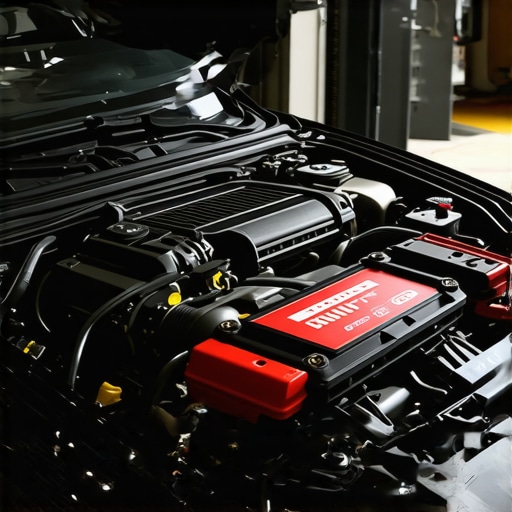
Why your engine feels sluggish after a simple battery replacement
I remember the day I finally decided to replace my car’s battery myself. It seemed like a straightforward task, just disconnect, swap, reconnect—and Voila!—ready to go. Or so I thought. But soon after, I noticed something strange: my engine felt sluggish, hesitant, almost like it was trudging through molasses. That light, which used to blink once and be done, now hesitated before turning on. It was frustrating because I thought I’d done everything right.
Feeling Stuck After a Battery Swap? Here’s Why Your Car Acts Up
If you’ve experienced similar issues after replacing your car’s battery, you’re not alone. It’s a common headache, and honestly, it caught me off guard too. You’d think a simple battery change would be straightforward—no more than a quick swap, right? But often, the real story lies beneath the surface where minor mistakes or overlooked steps can cause your engine to misbehave.
This isn’t just about inconvenience. Your engine’s sluggishness can lead to reduced fuel efficiency, increased emissions, or even more serious damage if left unchecked. As someone who’s been there, I want to share what I’ve learned from my own missteps.
Let’s dive into why this happens, and more importantly, how to fix it without guesswork. Trust me, solving this isn’t as complicated as it seems, once you understand what’s really going on.
Is the Fix Worth the Hassle? My Early Mistake
Early on, I made the mistake of ignoring the importance of resetting the car’s computer after disconnecting the battery. It’s a small step that many overlook, but it can make all the difference. A quick visit to [this resource](https://autofixclinic.com/why-regular-oil-changes-extend-your-cars-lifespan) explains how modern engines rely heavily on computer systems that need recalibration after a battery replacement.
If you’re worried about wasting time or money, rest assured—addressing these issues early can prevent bigger headaches down the line. Have you faced this kind of sluggishness after a simple repair? If so, keep reading. I’ll walk you through the common causes and easy fixes that restore your engine’s pep.
Ready to get back to a smoother ride? Let’s start with understanding the main culprits behind this annoying problem.
Reconnect the Battery Properly
My first attempt at reconnecting the battery was quick but careless—I didn’t tighten the terminals enough. This caused intermittent connectivity, leading to warnings and sluggish performance. To avoid this, ensure you tighten the terminal clamps firmly, making sure the connection is solid and free of corrosion. Use a wrench if necessary, and consult your vehicle’s manual for torque specifications. Proper reconnection prevents electrical glitches that can confuse your vehicle’s system, leading to poor engine behavior.
Perform a Reset of the Vehicle’s Computer System
After ensuring correct connection, you need to reset the ECU (Engine Control Unit). This can be as simple as disconnecting the negative terminal, waiting a few minutes, then reconnecting, but for a thorough reset, follow these steps:
- Turn off your vehicle and remove the key.
- Disconnect the negative terminal cable from the battery.
- Wait at least 15 minutes; some experts recommend up to 30 minutes—think of it as giving the car’s brain a chance to clear its memory.
- Reconnect the negative terminal, tightening it securely.
This process clears stored error codes and resets learned parameters. I once missed this step, and my engine remained sluggish even after a new battery. After I performed the reset, the car regained power and drove smoothly within minutes. For detailed instructions tailored to your make and model, visit this guide.
Calibrate and Drive to Relearn
Many modern cars require a short drive cycle to relearn idle parameters and fuel trims. Once the reset is complete, start your vehicle and let it idle for about 5-10 minutes. Then, take a moderate drive, avoiding aggressive acceleration or heavy loads. This helps the ECU calibrate sensors like the throttle position sensor, mass airflow sensor, and oxygen sensors, restoring optimal performance. During this drive, monitor for erratic idling or warning lights. I experienced a noticeable difference after following this step, with my engine responding more quickly and smoothly than before.
Check for Error Codes and Test Drive
Even after a reset, some issues might persist. Use an OBD-II scanner to check for any lingering trouble codes via professional diagnostic tools. If codes appear, address them accordingly or seek specialized help. After clearing errors, test drive your vehicle over various speeds and conditions. Pay attention to engine response, acceleration, and noise. Should problems continue, consult a certified mechanic to diagnose deeper issues, possibly related to sensors or wiring.
Many car owners believe that changing the oil or performing routine service is a simple, low-stakes task, but the truth is much more nuanced. One common myth is that all oils are interchangeable, which isn’t accurate; using the wrong oil type can accelerate engine wear despite following basic guidelines. The essential misconception here is assuming that the cheapest oil is always sufficient, but high-zinc oils or synthetic blends are often necessary for high-performance or older engines, as explained in this detailed resource. Another mistake involves neglecting transmission fluid, which many overlook during oil changes, yet its proper maintenance is vital for smooth shifting and can prevent costly repairs. Advanced car owners recognize that transmission fluid care differs from engine oil, requiring specific attention. A common trap is believing that only ASE-certified technicians can perform reliable service; however, in my experience, many non-certified service centers follow meticulous protocols that meet or exceed ASE standards, especially when they adhere to manufacturer specifications, as discussed here. An advanced reader should note that neglecting the detailed intervals and the quality of filters during oil changes can lead to sludge buildup, which is often underestimated, undermining engine longevity. For example, regular oil maintenance is critical beyond the mere act of changing oil; it involves understanding the specifications and lifespan of filters and fluids. Think carefully before trusting the myth that all oils last equally long or that synthetic oils don’t need frequent changes. In reality, modern direct-injection engines are particularly sensitive to oil quality, and failure to follow nuanced recommendations can cause significant long-term damage. This leads us to a crucial question: how can a vehicle owner detect subtle signs of oil degradation before visual cues appear? Proper monitoring involves more than checking oil levels; it requires understanding engine performance indicators and using diagnostic tools for early detection. Regularly staying ahead of maintenance can save both money and engine health. Have you ever fallen into this trap? Let me know in the comments.
Keep It Running with Precision Tools
Maintaining your vehicle’s performance over the years requires more than just routine checks; it demands the use of specialized tools that ensure accuracy and reliability. Personally, I rely on a high-quality OBD-II scanner like the BlueDriver Bluetooth Pro. Its ability to read and clear codes instantly, coupled with detailed diagnostics, saves me hours at the shop and provides confidence in identifying transmission or engine issues early. For those tackling transmission concerns, a professional-grade torque wrench is indispensable. It guarantees that battery terminals, drain plugs, and service bolts are tightened to manufacturer specifications, preventing future leaks or electrical failures. Investing in these tools has paid dividends in preserving my car’s health long-term.
Embrace Software for Smarter Maintenance
Beyond physical tools, software platforms like Carbytes or Fleetio streamline maintenance schedules and keep detailed service logs. I personally use Carbytes because it syncs seamlessly with my vehicle’s onboard diagnostics, providing real-time alerts for fluid changes or sensor replacements. This proactive approach extends oil change intervals based on actual engine usage rather than generic timelines, optimizing costs and engine longevity. As vehicle technology advances, integrating diagnostic apps with your maintenance routine will become standard, making it easier to spot potential issues before they escalate.
Why Regular Checks and Calibration Matter
Precise calibration during oil changes or service procedures can dramatically impact performance. For example, after replacing my oil filter, I used an electronic oil filter wrench and calibrated the new filter pressure sensor with a diagnostic tool to ensure accurate readings. This attention to detail prevents issues like improper oil flow or sensor errors, which could mimic transmission problems or trigger warning lights. Calibration ensures that sensors and systems work harmoniously, providing you with a true picture of your vehicle’s health. Keep in mind that calibration procedures are evolving with vehicle sophistication, so consulting with an ASE-certified technician can save you from costly mistakes.
Tools I Recommend for Every Vehicle Owner
While there are many tools on the market, my core recommendation includes an OBD-II scanner for diagnostics, a torque wrench for tightness precision, and a quality funnel with a filter for oil refills. These three enable a comprehensive approach to maintenance, allowing you to perform tasks confidently and accurately. Also, consider investing in a multimeter; it’s vital for electrical troubleshooting, especially with modern vehicles layered with complex sensors. For complex issues like transmission shifts or engine misfires, consulting guides like this resource can prove invaluable. Over time, mastering these tools will help you sustain optimal performance and detect emerging problems early.
How do I maintain my tools and calibration routines over time?
Routine calibration of your diagnostic tools and proper storage will ensure their longevity. Keep electronic devices in a cool, dry place, and update software regularly to access the latest diagnostics and fixes. Periodic checks, such as testing your multimeter’s accuracy against known voltage sources, help maintain measurement precision. As I look to the future, the trend will likely shift toward wireless diagnostics and AI-powered maintenance recommendations, making the technology even more accessible and precise. Adopting these evolving tools now will position you ahead of the curve, ensuring your vehicle remains in top shape during its lifespan. Try calibrating your OBD-II scanner today and experience the confidence that comes with accurate diagnostics—it’s a small step that yields long-term benefits.
The Hardest Lesson I Learned About oil change,car service,transmission,ASE certified
One of my biggest surprises was realizing that even routine oil changes can hide complex issues if not done correctly. I learned the importance of double-checking filters and fluids, understanding that a simple service can have long-term impacts on engine health. This insight came after experiencing unexpected engine vibrations that were hard to diagnose until I delved deeper into proper maintenance procedures.
3 Myths About oil change,car service,transmission,ASE certified That Held Me Back
I used to believe that all oils are interchangeable and that any service station could handle my vehicle without issue. But I discovered that synthetic oils with the right additives and certified technicians make a significant difference, especially for high-mileage engines. Dispelling this myth saved me from costly repairs down the line and underscored the value of choosing quality and expertise.
What Experts Won’t Tell You About oil change,car service,transmission,ASE certified
Many professionals keep quiet about how neglecting regular calibration and using subpar tools can cause subtle failures that lead to big problems. I’ve learned that investing in good diagnostic tools and maintaining calibration routines can prevent emergencies, saving time and money. Sometimes, the most overlooked detail — like proper torque on transmission components — distinguishes a professional repair from a temporary fix.
Curated Systems That Transformed My Approach to Maintenance
Tools like the BlueDriver OBD-II scanner revolutionized my diagnostics, allowing me to spot issues early and understand my vehicle’s real-time data. I trust it because of its accuracy and user-friendly interface, which empowers me to perform precise troubleshooting. Additionally, digital maintenance platforms such as Carbytes streamline scheduling and help me stay ahead of service needs, preventing minor issues from becoming costly repairs.
Embrace the Power of Proactive Care for Your Car’s Future
Taking charge of your vehicle’s health isn’t just about fixing problems—it’s about cultivating a habit of early detection and meticulous care. By integrating knowledge and the right tools, you can extend your car’s lifespan and keep it performing like new. Remember, every small step you take today builds a foundation for reliable, worry-free driving tomorrow. Now, I invite you to reflect: Have you ever overlooked a minor maintenance detail that led to a bigger issue? Share your experiences below, and let’s learn together.