Why Your Oil Light Comes on Specifically During Hard Braking
One rainy afternoon, as I was navigating a busy intersection, I found myself abruptly hitting the brakes. Suddenly, the oil light flickered on his dashboard—an unsettling sight that made my stomach tighten. I remember thinking, Is my engine crying for help? Should I pull over immediately? That moment was a real eye-opener; it made me realize how alarming it can be to see that little oil warning pop up during everyday driving, especially when you brake hard. Over the years, I’ve learned that this isn’t just a random glitch but a sign pointing to some underlying issues that demand attention.
The Real Reason Your Oil Light Thinks It’s a Gymnast During Hard Braking
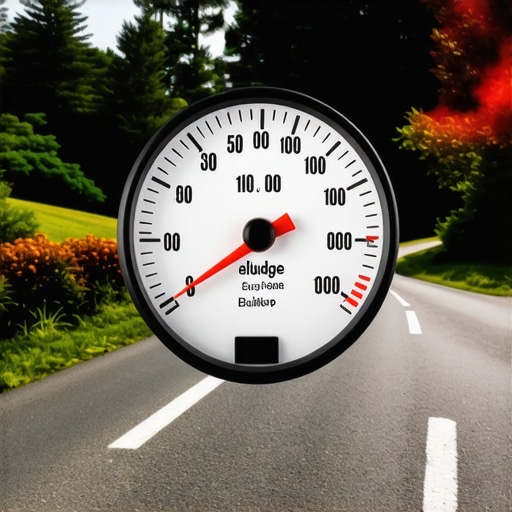
Here’s the thing—your car’s oil light coming on during sudden stops is more common than many realize. It often puzzles drivers because they associate the warning with engine failure, but it’s usually something more subtle—like oil pressure dips caused by the vehicle’s movement. When you brake hard, your car’s weight shifts forward, and if your oil pump or sensor isn’t functioning properly, it can cause a temporary drop in oil pressure. This drop triggers the warning, even though there might not be any real damage. It’s a little alarm bell, telling you to check your car’s heart—your engine’s lubrication system. Regular maintenance, like ensuring your oil is clean and at the right level, can help prevent false alarms. For deeper insights, I recommend checking out why regular oil changes are vital.
Could This Be Just a Fluke or the Start of Bigger Problems?
Early on, I made the mistake of dismissing these warnings as minor glitches—thinking, “It’s probably just a one-time thing.” But ignoring these signs can lead to serious engine trouble down the road. That’s why I’ve become a big advocate of getting my vehicle inspected by a certified professional if the oil light flickers unexpectedly. Remember, even a well-maintained engine can give false alarms if sensors are faulty or if the oil pressure sensor needs calibration. If you’re uncertain about what your dashboard signals mean, consulting trusted sources like what an ASE certification guarantees can be reassuring.
So, if you’re tired of the unnerving moment when the oil warning conflicts with your quick stops, stay with me. We’re about to explore practical solutions to keep your engine happy and your mind at ease—no more guessing games about that little oil warning during your hard stops.
,
Gather Your Supplies Before You Start
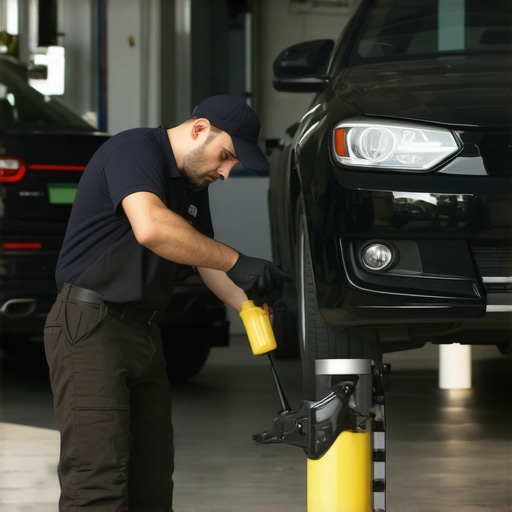
In my experience, the first step is preparing all necessary tools—oil filter wrench, socket set, funnel, clean rags, and the correct type and amount of oil. I once rushed without a funnel and ended up spilling oil all over the engine bay, which took extra time to clean. Having everything ready saves you from that mess and ensures a smooth process.
Drain the Old Oil Properly
Warm Up the Engine for Better Drainage
Always start by warming up the engine for 5-10 minutes to thin the oil, making it flow more easily. I learned this by experience when I skipped this step and found the oil was too viscous to drain completely, leaving behind contaminants. After warming, turn off the engine and wait a few minutes for the oil to settle.
Locate and Remove the Drain Plug
Identify the drain plug underneath the oil pan. Use a socket wrench to unscrew it slowly, catching the old oil in a container. When I did this for my first time, I made sure to wear gloves—because hot oil can cause burns—and had a tray ready to catch every drop. Remember to clean and inspect the drain plug and replace the gasket if necessary.
Replace the Oil Filter Correctly
Select the Right Filter
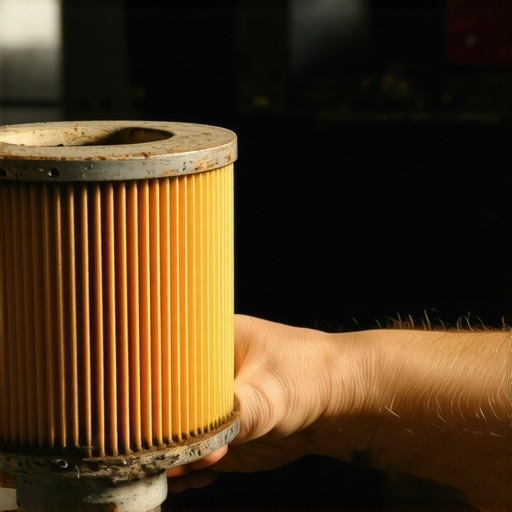
Choose an OEM (Original Equipment Manufacturer) filter to ensure compatibility and performance. I avoided cheap aftermarket filters once I realized they often cause leaks or engine damage, especially in newer models. Check your vehicle’s manual or consult a trusted service like this guide for help.
Install and Tighten
Apply a thin layer of oil to the rubber gasket before screwing it in by hand to prevent leaks. Use the filter wrench to tighten it securely—avoid over-tightening, which can damage the gasket or the filter itself. This solid connection is crucial; I once experienced a leak because I didn’t tighten enough and had to redo everything.
Refill with Fresh Oil and Check Levels
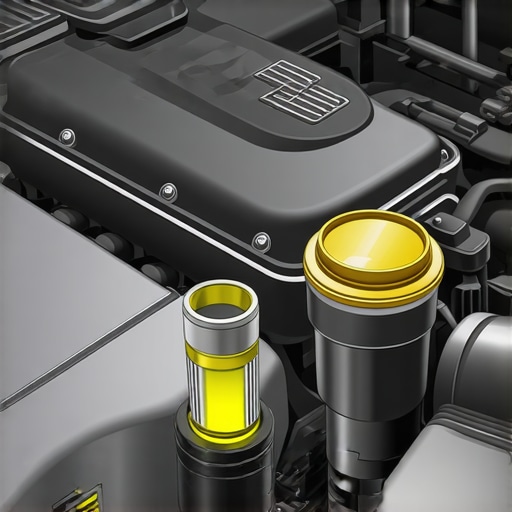
Remove the oil fill cap and add the exact amount specified in your manual. Use a funnel to avoid spills, and periodically check the dipstick for correct oil level. During my last change, I noticed the oil was slightly low, so I added a little more, then rechecked after a few minutes to confirm the level. This ensures your engine’s lubrication system functions properly.
Complete the Process With a Test Run and Inspection
Start the engine and let it run for a few minutes. Watch for leaks around the filter and drain plug. Turn off the engine and recheck the oil level, topping it off if needed. Finally, inspect the area for any signs of oil spots or drips. I once found a tiny leak after my first attempt, which taught me to tighten the filter more and double-check seals.
Regular oil changes, ideally every 3,000 to 5,000 miles or as recommended by your vehicle’s manufacturer, prevent costly engine repairs. For more tips, visit top oil change tips. Keeping your engine well-lubricated not only extends its lifespan but also ensures smooth driving and saves you money in the long run.
< >Many car owners believe they understand vehicle maintenance, but several misconceptions persist that can lead to costly mistakes. One common myth is that “changing your oil every 3,000 miles is always necessary,” but modern synthetic oils and engines often allow for longer intervals, as highlighted in expert analyses. Overlooking the nuances of transmission maintenance, for instance, can be detrimental; many assume that frequent fluid flushes are always beneficial, yet unnecessary or improper flushing may cause more harm than good, as detailed in industry studies. When it comes to car service, a frequent error is trusting non-certified shops without verifying their ASE certification—something that can compromise quality and safety. ASE-certified technicians are trained to adhere to high standards, ensuring your vehicle receives proper care. Some drivers think that all ASE certifications are equal, but the certification’s recency and specialization matter greatly; a current, specialized ASE technician typically offers more reliable diagnostics. Keep in mind, advanced vehicle systems require nuanced knowledge; for example, attempting transmission repairs without understanding the specific model’s design can lead to damaging repairs or escalated costs. This is why choosing a reputable service provider with certified experts is crucial—not just for peace of mind but for long-term vehicle health. According to a study published in the Journal of Automotive Maintenance, proper diagnostics and professional service significantly extend vehicle lifespan and reduce overall repair costs. Unlike common beliefs, regular maintenance isn’t a one-size-fits-all solution; it demands understanding your vehicle’s specific needs. So, next time you’re due for service, question whether your mechanic truly has the expertise. Have you ever fallen into this trap? Let me know in the comments.
Keeping It Working: My Favorite Tools and Techniques
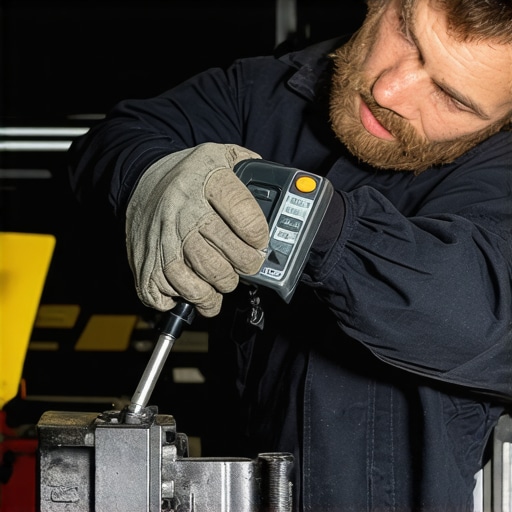
When it comes to maintaining your vehicle over the years, having the right tools and knowledge can make all the difference. I personally rely on a few specific pieces of equipment that have proven invaluable in ensuring my car stays in tip-top shape. For instance, I never skip using a high-quality torque wrench, which guarantees that bolts—especially crucial ones on the oil filter and drain plug—are tightened to manufacturer specifications. This prevents leaks or parts coming loose, saving time and avoiding costly repairs. Additionally, I highly recommend investing in an infrared digital thermometer. It helps diagnose cooling system issues or engine overheating by providing precise temperature readings on various components. I use mine routinely to ensure my radiator and fan operation are optimal, thereby extending the life of my engine coolant system.
Another essential is a reliable OBD-II scanner. Modern vehicles are equipped with complex electronic systems, and having a professional-grade scanner enables me to read trouble codes directly from the vehicle’s ECU. This speeds up diagnostics and helps me decide whether a simple fix suffices or if professional intervention is necessary. I prefer models that update regularly and come with comprehensive software, such as this recommended scanner, which also integrates seamlessly with smartphone apps for real-time monitoring.
Anticipating the Future of Vehicle Maintenance
Looking ahead, I believe the trend toward advanced diagnostic tools with AI capabilities will continue to grow. These tools will not only identify issues faster but also suggest preventive maintenance actions before problems become severe. As electric and hybrid vehicles become more prevalent, specialized tools for battery management and software updates will become standard in the home garage. Staying current with these innovations will be essential for proactive vehicle care.
How do I keep my vehicle in top shape over time?
Beyond tools, consistent maintenance routines are vital. Regular oil changes, timely transmission fluid replacements, and intuitive inspections based on vehicle mileage help prevent small issues from escalating. Implementing scheduled check-ups with certified professionals ensures that components like the timing belt or suspension parts are evaluated regularly—a practice supported by industry standards. For example, meticulous attention to the lubrication system, as discussed in this guide, can greatly extend engine longevity. I recommend keeping a maintenance log, leveraging digital reminders, and never hesitating to consult an ASE-certified technician for complex diagnostics, which can avoid costly mistakes down the line.
Finally, I urge fellow enthusiasts to embrace a proactive mindset: inspect your vehicle before long trips, monitor fluid levels monthly, and invest in quality tools that empower you to tackle minor issues early. Try scheduling a comprehensive diagnostic with your trusted mechanic, who holds an ASE certification, to identify hidden problems before they impact safety or reliability. This combination of proper tools, regular routine, and professional guidance forms the backbone of long-term vehicle health—saving money and providing peace of mind for years to come.
< >
>
In my experience, nothing beats the reassurance of knowing you’re well-equipped to keep your car running smoothly. Don’t wait for warning lights to appear—start integrating these tools and habits today to ensure your vehicle’s reliability for the miles ahead.
,
Lessons from the Road Less Traveled
- One of the most eye-opening lessons I learned about vehicle care is the power of paying attention to seemingly minor signals, like the oil warning light during sudden stops. These small indicators often hide bigger issues—trust them.
- Discovering that a simple oil sensor glitch can be caused by a faulty pump or sensor calibration taught me that not every warning demands immediate panic; sometimes, it’s a prompt for a scheduled check.
- I realized that the myth of changing oil every 3,000 miles is outdated—modern synthetic oils and engines allow for longer intervals, but only if you follow proper maintenance routines.
- It’s crucial to know the difference between a one-time glitch and a brewing problem. Regular checkups with an ASE-certified technician can save you from unexpected breakdowns.
- Finally, embracing proactive care—using quality tools and consulting trusted sources—transformed my approach from reactive to preventive, extending my vehicle’s lifespan and reliability.
Curated Tools and Trusted Resources for Car Care Enthusiasts
- OBD-II Scanner: I rely on a reliable scanner like this model for real-time diagnostics. It’s invaluable for early detection and fuel efficiency.
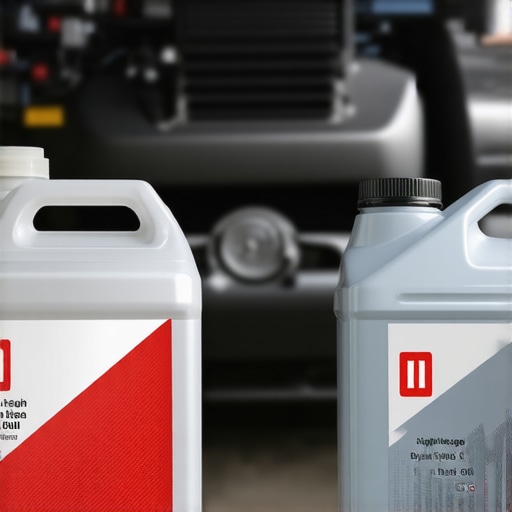
- High-Quality Oil and Filters: Using OEM filters and premium synthetic oils, as discussed in this guide, ensures optimal engine performance and longevity.
- Professional Service Guides: Books like Automotive Repair & Maintenance have deepened my understanding; I trust their thorough explanations and troubleshooting steps.
- Trusted ASE-Certified Mechanics: Regular diagnostics from certified technicians prevent small issues from turning into expensive repairs. Find reputable shops through this resource.
Ignite Your Confidence Behind the Wheel
Your vehicle is more than just a machine; it’s an investment that deserves your proactive care. By understanding the significance of these warning signs and equipping yourself with trusted tools and knowledge, you take control of your car’s health. Regular maintenance, performed with the right expertise, ensures peace of mind and keeps you safe on every journey. So, why wait for that unsettling warning light when you can prevent it? Embrace the habits and skills discussed here and make vehicle care second nature.
What’s your biggest challenge when it comes to maintaining your vehicle? Share your experience below—I’d love to hear your thoughts!
}#}#}#}#}#}#}#}#}#}#}#}#}#}#}#}#}#}#}#}#}#}#}#}#}#}#}#}#}#}#}#}#}#}#}#}#}#}#}#}#}#}#}#}#}#}#}#}#}#}#}#}#}#}#}#}#}#}#}#}#}#}#}#}#}#}#}#}#}#}#}#}#}#}#}#}#}#}#}#}#}#}#}#}#}#}#}#}#}#}#}#}#}#}#}#}#}#}#}#}#}#}#}#}#}#}#}#}#}#}#}#}#}#}#}#}#}#}#}#}#}#}#}#}#}#}#}#}#}#}#}#}#}#}#}#}#}#}#}#}#}#}#}#}#}#}#}#}#}#}#}#}#}#}#}#}#}#}#}#}#}#}#}#}#}#}#}#}#}#}#}#}#}#}#}#}#}#}#}#}#}#}#}#}#}#}#}#}#}#}#}#}#}#}#}#}#}#}#}#}#}#}#}#}#}#}#}#}#}#}#}#}#}#}#}#}#}#}#}#}#}#}#}#}#}#}#}#}#}#}#}#}#}#}#}#}#}#}#}#}#}#}#}#}#}#}#}#}#}#}#}#}#}#}#}#}#}#}#}#}#}#}#}#}#}#}#}#}#}#}#}#}#}#}#}#}#}#}#}#}#}#}#}#}#}#}#}#}#}#}#}#}#}#}#}#}#}#}#}#}#}#}#}#}#}#}#}#}#}#}#}#}#}#}#}#}#}#}#}#}#}#}#}#}#}#}#}#}#}#}#}#}#}#}#}#}#}#}#}#}#}#}#}#}#}#}#}#}#}#}#}#}#}#}#}#}#}#}#}#}#}#}#}#}#}#}#}#}#}#}#}#}#}#}#}#}#}#}#}#}#}#}#}#}#}#}#}#}#}#}#}#}#}#}#}#}#}#}#}#}#}#}#}#}#}#}#}#}#}#}#}#}#}#}#}#}#}#}#}#}#}#}#}#}#}#}#}#}#}#}#}#}#}#}#}#}#}#}#}#}#}#}#}#}#}#}#}#}#}#}#}#}#}#}#}#}#}#}#}#}#}#}#}#}#}#}#}#}#}#}#}#}#}#}#}#}#}#}#}#}#}#}#}#}#}#}#}#}#}#}#}#}#}#}#}#}#}#}#}#}#}#}#}#}#}#}#}#}#}#}#}#}#}#}#}#}#}#}#}#}#}#}#}#}#}#}#}#}#}#}#}#}#}#}#}#}#}#}#}#}#}#}#}#}#}#}#}#}#}#}#}#}#}#}#}#}#}#}#}#}#}#}#}#}#}#}#}#}#}#}#}#}#}#}#}#}#}#}#}#}#}#}#}#}#}#}#}#}#}#}#}#}#}#}#}#}#}#}#}#}#}#}#}#}#}#}#}#}#}#}#}#}#}#}#}#}#}#}#}#}#}#}#}#}#}#}#}#}#}#}#}#}#}#}#}#}#}#}#}#}#}#}#}#}#}#}#}#}#}#}#}#}#}#}#}#}#}#}#}#}#}#}#}#}#}#}#}#}#}#}#}#}#}#}#}#}#}#}#}#}#}#}#}#}#}#}#}#}#}#}#}#}#}#}#}#}#}#}#}#}#}#}#}#}#}#}#}#}#}#}#}#}#}#}#}#}#}#}#}#}#}#}#}#}#}#}#}#}#}#}#}#}#}#}#}#}#}#}#}#}#}#}#}#}#}#}#}#}#}#}#}#}#}#}#}#}#}#}#}#}#}#}#}#}#}#}#}#}#}#}#}#}#}#}#}#}#}#}#}#}#}#}#}#}#}#}#}#}#}#}#}#}#}#}#}#}#}#}#}#}#}#}#}#}#}#}#}#}#}#}#}#}#}#}#}#}#}#}#}#}#}#}#}#}#}#}#}#}#}#}#}#}#}#}#}#}#}#}#}#}#}#}#}#}#}#}#}#}#}#}#}#}#}#}#}#}#}#}#}#}#}#}#}#}#}#}#}#}#}#}#}#}#}#}#}#}#}#}#}#}#}#}#}#}#}#}#}#}#}#}#}#}#}#}#}#}#}#}#}#}#}#}#}#}#}#}#}#}#}#}#}#}#}#}#}#}#}#}#}#}#}#}#}#}#}#}#}#}#}#}#}#}#}#}#}#}#}#}#}#}#}#}#}#}#}#}#}#}#}#}#}#}#}#}#}#}#}#}#}#}#}#}#}#}#}#}#}#}#}#}#}#}#}#}#}#}#}#}#}#}#}#}#}#}#}#}#}#}#}#}#}#}#}#}#}#}#}#}#}#}#}#}#}#}#}#}#}#}#}#}#}#}#}#}#}#}#}#}#}#}#}#}#}#}#}#}#}#}#}#}#}#}#}#}#}#}#}#}#}#}#}#}#}#}#}#}#}#}#}#}#}#}#}#}#}#}#}#}#}#}#}#}#}#}#}#}#}#}#}#}#}#}#}#}#}#}#}#}#}#}#}#}#}#}#}#}#}#}#}#}#}#}#}#}#}#}#}#}#}#}#}#}#}#}#}#}#}#}#}#}#}#}#}#}#}#}#}#}#}#}#}#}#}#}#}#}#}#}#}#}#}#}#}#}#}#}#}#}#}#}#}#}#}#}#}#}#}#}#}#}#}#}#}#}#}#}#}#}#}#}#}#}#}#}#}#}#}#}#}#}#}#}#}#}#}#}#}#}#}#}#}#}#}#}#}#}#}#}#}#}#}#}#}#}#}#}#}#}#}#}#}#}#}#}#}#}#}#}#}#}#}#}#}#}#}#}#}#}#}#}#}#}#}#}#}#}#}#}#}#}#}#}#}#}#}#}#}#}#}#}#}#}#}#}#}#}#}#}#}#}#}#}#}#}#}#}#}#}#}#}#}#}#}#}#}#}#}#}#}#}#}#}#}#}#}#}#}#}#}#}#}#}#}#}#}#}#}#}#}#}#}#}#}#}#}#}#}#}#}#}#}#}#}#}#}#}#}#}#}#}#}#}#}#}#}#}#}#}#}#}#}#}#}#}#}#}#}#}#}#}#}#}#}#}#}#}#}#}#}#}#}#}#}#}#}#}#}#}#}#}#}#}#}#}#}#}#}#}#}#}#}#}#}#}#}#}#}#}#}#}#}#}#}#}#}#}#}#}#}#}#}#}#}#}#}#}#}#}#}#}#}#}#}#}#}#}#}#}#}#}#}#}#}#}#}#}#}#}#}#}#}#}#}#}#}#}#}#}#}#}#}#}#}#}#}#}#}#}#}#}#}#}#}#}#}#}#}#}#}#}#}#}#}#}#}#}#}#}#}#}#}#}#}#}#}#}#}#}#}#}#}#}#}#}#}#}#}#}#}#}#}#}#}#}#}#}#}#}#}#}#}#}#}#}#}#}#}#}#}#}#}#}#}#}#}#}#}#}#}#}#}#}#}#}#}#}#}#}#}#}#}#}#}#}#}#}#}#}#}#}#}#}#}#}#}#}#}#}#}#}#}#}#}#}#}#}#}#}#}#}#}#}#}#}#}#}#}#}#}#}#}#}#}#}#}#}#}#}#}#}#}#}#}#}#}#}#}#}#}#}#}#}#}#}#}#}#}#}#}#}#}#}#}#}#}#}#}#}#}#}#}#}#}#}#}#}#}#}#}#}#}#}#}#}#}#}#}#}#}#}#}#}#}#}#}#}#}#}#}#}#}#}#}#}#}#}#}#}#}#}#}#}#}#}#}#}#}#}#}#}#}#}#}#}#}#}#}#}#}#}#}#}#}#}#}#}#}#}#}#}#}#}#}#}#}#}#}#}#}#}#}#}#}#}#}#}#}#}#}#}#}#}#}#}#}#}#}#}#}#}#}#}#}#}#}#}#}#}#}#}#}#}#}#}#}#}#}#}#}#}#}#}#}#}#}#}#}#}#}#}#}#}#}#}#}#}#}#}#}#}#}#}#}#}#}#}#}#}#}#}#}#}#}#}#}#}#}#}#}#}#}#}#}#}#}#}#}#}#}#}#}#}#}#}#}#}#}#}#}#}#}#}#}#}#}#}#}#}#}#}#}#}#}#}#}#}#}#}#}#}#}#}#}#}#}#}#}#}#}#}#}#}#}#}#}#}#}#}#}#}#}#}#}#}#}#}#}#}#}#}#}#}#}#}#}#}#}#}#}#}#}#}#}#}#}#}#}#}#}#}#}#}#}#}#}#}#}#}#}#}#}#}#}#}#}#}#}#}#}#}#}#}#}#}#}#}#}#}#}#}#}#}#}#}#}#}#}#}#}#}#}#}#}#}#}#}#}#}#}#}#}#}#}#}#}#}#}#}#}#}#}#}#}#}#}#}#}#}#}#}#}#}#}#}#}#}#}#}#}#}#}#}#}#}#}#}#}#}#}#}#}#}#}#}#}#}#}#}#}#}#}#}#}#}#}#}#}#}#}#}#}#}#}#}#}#}#}#}#}#}#}#}#}#}#}#}#}#}#}#}#}#}#}#}#}#}#}#}#}#}#}#}#}#}#}#}#}#}#}#}#}#}#}#}#}#}#}#}#}#}#}#}#}#}#}#}#}#}#}#}#}#}#}#}#}#}#}#}#}#}#}#}#}#}#}#}#}#}#}#}#}#}#}#}#}#}#}#}#}#}#}#}#}#}#}#}#}#}#}#}#}#}#}#}#}#}#}#}#}#}#}#}#}#}#}#}#}#}#}#}#}#}#}#}#}#}#}#}#}#}#}#}#}#}#}#}#}#}#}#}#}#}#}#}#}#}#}#}#}#}#}#}#}#}#}#}#}#}#}#}#}#}#}#}#}#}#}#}#}#}#}#}#}#}#}#}#}#}#}#}#}#}#}#}#}#}#}#}#}#}#}#}#}#}#}#}#}#}#}#}#}#}#}#}#}#}#}#}#}#}#}#}#}#}#}#}#}#}#}#}#}#}#}#}#}#}#}#}#}#}#}#}#}#}#}#}#}#}#}#}#}#}#}#}#}#}#}#}#}#}#}#}#}#}#}#}#}#}#}#}#}#}#}#}#}#}#}#}#}#}#}#}#}#}#}#}#}#}#}#}#}#}#}#}#}#}#}#}#}#}#}#}#}#}#}#}#}#}#}#}#}#}#}#}#}#}#}#}#}#}#}#}#}#}#}#}#}#}#}#}#}#}#}#}#}#}#}#}#}#}#}#}#}#}#}#}#}#}#}#}#}#}#}#}#}#}#}#}#}#}#}#}#}#}#}#}#}#}#}#}#}#}#}#}#}#}#}#}#}#}#}#}#}#}#}#}#}#}#}#}#}#}#}#}#}#}#}#}#}#}#}#}#}#}#}#}#}#}#}#}#}#}#}#}#}#}#}#}#}#}#}#}#}#}#}#}#}#}#}#}#}#}#}#}#}#}#}#}#}#}#}#}#}#}#}#}#}#}#}#}#}#}#}#}#}#}#}#}#}#}#}#}#}#}#}#}#}#}#}#}#}#}#}#}#}#}#}#}#}#}#}#}#}#}#}#}#}#}#}#}#}#}#}#}#}#}#}#}#}#}#}#}#}#}#}#}#}#}#}#}#}#}#}#}#}#}#}#}#}#}#}#}#}#}#}#}#}#}#}#}#}#}#}#}#}#}#}#}#}#}#}#}#}#}#}#}#}#}#}#}#}#}#}#}#}#}#}#}#}#}#}#}#}#}#}#}#}#}#}#}#}#}#}#}#}#}#}#}#}#}#}#}#}#}#}#}#}#}#}#}#}#}#}#}#}#}#}#}#}#}#}#}#}#}#}#}#}#}#}#}#}#}#}#}#}#}#}#}#}#}#}#}#}#}#}#}#}#}#}#}#}#}#}#}#}#}#}#}#}#}#}#}#}#}#}#}#}#}#}#}#}#}#}#}#}#}#}#}#}#}#}#}#}#}#}#}#}#}#}#}#}#}#}#}#}#}#}#}#}#}#}#}#}#}#}#}#}#}#}#}#}#}#}#}#}#}#}#}#}#}#}#}#}#}#}#}#}#}#}#}#}#}#}#}#}#}#}#}#}#}#}#}#}#}#}#}#}#}#}#}#}#}#}#}#}#}#}#}#}#}#}#}#}#}#}#}#}#}#}#}#}#}#}#}#}#}#}#}#}#}#}#}#}#}#}#}#}#}#}#}#}#}#}#}#}#}#}#}#}#}#}#}#}#}#}#}#}#}#}#}#}#}#}#}#}#}#}#}#}#}#}#}#}#}#}#}#}#}#}#}#}#}#}#}#}#}#}#}#}#}#}#}#}#}#}#}#}#}#}#}#}#}#}#}#}#}#}#}#}#}#}#}#}#}#}#}#}#}#}#}#}#}#}#}#}#}#}#}#}#}#}#}#}#}#}#}#}#}#}#}#}#}#}#}#}#}#}#}#}#}#}#}#}#}#}#}#}#}#}#}#}#}#}#}#}#}#}#}#}#}#}#}#}#}#}#}#}#}#}#}#}#}#}#}#}#}#}#}#}#}#}#}#}#}#}#}#}#}#}#}#}#}#}#}#}#}#}#}#}#}#}#}#}#}#}#}#}#}#}#}#}#}#}#}#}#}#}#}#}#}#}#}#}#}#}#}#}#}#}#}#}#}#}#}#}#}#}#}#}#}#}#}#}#}#}#}#}#}#}#}#}#}#}#}#}#}#}#}#}#}#}#}#}#}#}#}#}#}#}#}#}#}#}#}#}#}#}#}#}#}#}#}#}#}#}#}#}#}#}#}#}#}#}#}#}#}#}#}#}#}#}#}#}#}#}#}#}#}#}#}#}#}#}#}#}#}#}#}#}#}#}#}#}#}#}#}#}#}#}#}#}#}#}#}#}#}#}#}#}#}#}#}#}#}#}#}#}#}#}#}#}#}#}#}#}#}#}#}#}#}#}#}#}#}#}#}#}#}#}#}#}#}#}#}#}#}#}#}#}#}#}#}#}#}#}#}#}#}#}#}#}#}#}#}#}#}#}#}#}#}#}#}#}#}#}#}#}#}#}#}#}#}#}#}#}#}#}#}#}#}#}#}#}#}#}#}#}#}#}#}#}#}#}#}#}#}#}#}#}#}#}#}#}#}#}#}#}#}#}#}#}#}#}#}#}#}#}#}#}#}#}#}#}#}#}#}#}#}#}#}#}#}#}#}#}#}#}#}#}#}#}#}#}#}#}#}#}#}#}#}#}#}#}#}#}#}#}#}#}#}#}#}#}#}#}#}#}#}#}#}#}#}#}#}#}#}#}#}#}#}#}#}#}#}#}#}#}#}#}#}#}#}#}#}#}#}#}#}#}#}#}#}#}#}#}#}#}#}#}#}#}#}#}#}#}#}#}#}#}#}#}#}#}#}#}#}#}#}#}#}#}#}#}#}#}#}#}#}#}#}#}#}#}#}#}#}#}#}#}#}#}#}#}#}#}#}#}#}#}#}#}#}#}#}#}#}#}#}#}#}#}#}#}#}#}#}#}#}#}#}#}#}#}#}#}#}#}#}#}#}#}#}#}#}#}#}#}#}#}#}#}#}#}#}#}#}#}#}#}#}#}#}#}#}#}#}#}#}#}#}#}#}#}#}#}#}#}#}#}#}#}#}#}#}#}#}#}#}#}#}#}#}#}#}#}#}#}#}#}#}#}#}#}#}#}#}#}#}#}#}#}#}#}#}#}#}#}#}#}#}#}#}#}#}#}#}#}#}#}#}#}#}#}#}#}#}#}#}#}#}#}#}#}#}#}#}#}#}#}#}#}#}#}#}#}#}#}#}#}#}#}#}#}#}#}#}#}#}#}#}#}#}#}#}#}#}#}#}#}#}#}#}#}#}#}#}#}#}#}#}#}#}#}#}#}#}#}#}#}#}#}#}#}#}#}#}#}#}#}#}#}#}#}#}#}#}#}#}#}#}#}#}#}#}#}#}#}#}#}#}#}#}#}#}#}#}#}#}#}#}#}#}#}#}#}#}#}#}#}#}#}#}#}#}#}#}#}#}#}#}#}#}#}#}#}#}#}#}#}#}#}#}#}#}#}#}#}#}#}#}#}#}#}#}#}#}#}#}#}#}#}#}#}#}#}#}#}#}#}#}#}#}#}#}#}#}#}#}#}#}#}#}#}#}#}#}#}#}#}#}#}#}#}#}#}#}#}#}#}#}#}#}#}#}#}#}#}#}#}#}#}#}#}#}#}#}#}#}#}#}#}#}#}#}#}#}#}#}#}#}#}#}#}#}#}#}#}#}#}#}#}#}#}#}#}#}#}#}#}#}#}#}#}#}#}#}#}#}#}#}#}#}#}#}#}#}#}#}#}#}#}#}#}#}#}#}#}#}#}#}#}#}#}#}#}#}#}#}#}#}#}#}#}#}#}#}#}#}#}#}#}#}#}#}#}#}#}#}#}#}#}#}#}#}#}#}#}#}#}#}#}#}#}#}#}#}#}#}#}#}#}#}#}#}#}#}#}#}#}#}#}#}#}#}#}#}#}#}#}#}#}#}#}#}#}#}#}#}#}#}#}#}#}#}#}#}#}#}#}#}#}#}#}#}#}#}#}#}#}#}#}#}#}#}#}#}#}#}#}#}#}#}#}#}#}#}#}#}#}#}#}#}#}#}#}#}#}#}#}#}#}#}#}#}#}#}#}#}#}#}#}#}#}#}#}#}#}#}#}#}#}#}#}#}#}#}#}#}#}#}#}#}#}#}#}#}#}#}#}#}#}#}#}#}#}#}#}#}#}#}#}#}#}#}#}#}#}#}#}#}#}#}#}#}#}#}#}#}#}#}#}#}#}#}#}#}#}#}#}#}#}#}#}#}#}#}#}#}#}#}#}#}#}#}#}#}#}#}#}#}#}#}#}#}#}#}#}#}#}#}#}#}#}#}#}#}#}#}#}#}#}#}#}#}#}#}#}#}#}#}#}#}#}#}#}#}#}#}#}#}#}#}#}#}#}#}#}#}#}#}#}#}#}#}#}#}#}#}#}#}#}#}#}#}#}#}#}#}#}#}#}#}#}#}#}#}#}#}#}#}#}#}#}#}#}#}#}#}#}#}#}#}#}#}#}#}#}#}#}#}#}#}#}#}#}#}#}#}#}#}#}#}#}#}#}#}#}#}#}#}#}#}#}#}#}#}#}#}#}#}#}#}#}#}#}#}#}#}#}#}#}#}#}#}#}#}#}#}#}#}#}#}#}#}#}#}#}#}#}#}#}#}#}#}#}#}#}#}#}#}#}#}#}#}#}#}#}#}#}#}#}#}#}#}#}#}#}#}#}#}#}#}#}#}#}#}#}#}#}#}#}#}#}#}#}#}#}#}#}#}#}#}#}#}#}#}#}#}#}#}#}#}#}#}#}#}#}#}#}#}#}#}#}#}#}#}#}#}#}#}#}#}#}#}#}#}#}#}#}#}#}#}#}#}#}#}#}#}#}#}#}#}#}#}#}#}#}#}#}#}#}#}#}#}#}#}#}#}#}#}#}#}#}#}#}#}#}#}#}#}#}#}#}#}#}#}#}#}#}#}#}#}#}#}#}#}#}#}#}#}#}#}#}#}#}#}#}#}#}#}#}#}#}#}#}#}#}#}#}#}#}#}#}#}#}#}#}#}#}#}#}#}#}#}#}#}#}#}#}#}#}#}#}#}#}#}#}#}#}#}#}#}#}#}#}#}#}#}#}#}#}#}#}#}#}#}#}#}#}#}#}#}#}#}#}#}#}#}#}#}#}#}#}#}#}#}#}#}#}#}#}#}#}#}#}#}#}#}#}#}#}#}#}#}#}#}#}#}#}#}#}#}#}#}#}#}#}#}#}#}#}#}#}#}#}#}#}#}#}#}#}#}#}#}#}#}#}#}#}#}#}#}#}#}#}#}#}#}#}#}#}#}#}#}#}#}#}#}#}#}#}#}#}#}#}#}#}#}#}#}#}#}#}#}#}#}#}#}#}#}#}#}#}#}#}#}#}#}#}#}#}#}#}#}#}#}#}#}#}#}#}#}#}#}#}#}#}#}#}#}#}#}#}#}#}#}#}#}#}#}#}#}#}#}#}#}#}#}#}#}#}#}#}#}#}#}#}#}#}#}#}#}#}#}#}#}#}#}#}#}#}#}#}#}#}#}#}#}#}#}#}#}#}#}#}#}#}#}#}#}#}#}#}#}#}#}#}#}#}#}#}#}#}#}#}#}#}#}#}#}#}#}#}#}#}#}#}#}#}#}#}#}#}#}#}#}#}#}#}#}#}#}#}#}#}#}#}#}#}#}#}#}#}#}#}#}#}#}#}#}#}#}#}#}#}#}#}#}#}#}#}#}#}#}#}#}#}#}#}#}#}#}#}#}#}#}#}#}#}#}#}#}#}#}#}#}#}#}#}#}#}#}#}#}#}#}#}#}#}#}#}#}#}#}#}#}#}#}#}#}#}#}#}#}#}#}#}#}#}#}#}#}#}#}#}#}#}#}#}#}#}#}#}#}#}#}#}#}#}#}#}#}#}#}#}#}#}