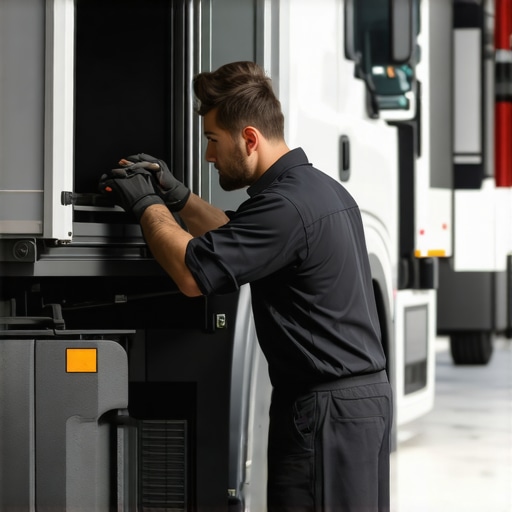
The Best Strategy for Replacing Fleet Tires to Save Money
I remember the exact moment I realized I was throwing money away on fleet tire replacements. It was after a long day of managing multiple company vehicles, and I finally had a break. I looked at the pile of worn tires in the corner, and a lightbulb went off: there had to be a smarter way to handle this. That realization kicked off my journey to discover the most effective strategies for replacing fleet tires without draining the budget.
Why Proper Tire Replacement Strategy Can Save Your Fleet Thousands
Every fleet manager knows that tires are one of the highest recurring expenses. Yet, many stick to the common practice of replacing tires only once they are completely worn out. That approach often leads to higher costs due to uneven tire wear, poor fuel efficiency, and increased risk of breakdowns. When I first started paying attention, I learned that a little proactive planning and strategic replacement can drastically cut expenses and improve vehicle longevity.
Is Overhauling Fleet Tires Worth the Hype?
I admit, I was skeptical at first. I feared that investing in regular tire rotations and early replacements might just be an unnecessary expense. But I made a significant mistake early on by ignoring the importance of aligning tire maintenance with specific mileage intervals and real-time conditions. This oversight cost me money, time, and a few avoidable breakdowns. Since then, I’ve committed to understanding the nuances of tire management, and I can confidently say that a well-thought-out tire replacement plan is well worth the effort and investment. According to a study by the Rubber Manufacturers Association, proper tire management can improve fuel economy by up to 3%, saving hundreds annually per vehicle.
Now, I want to share with you the proven methods I’ve adopted to ensure every tire replacement is thought out, efficient, and budget-friendly. But first, let’s address a question that often holds fleet managers back.
Assess Tire Condition Regularly and Set Milestones
Start by establishing a routine inspection schedule to catch early signs of uneven wear or damage. Use a tread depth gauge to monitor remaining tread; replace tires proactively when they reach the recommended minimum. I once caught a tire at 4/32 inch tread that showed irregular wear patterns, allowing me to replace it ahead of a dangerous blowout, saving costs and preventing downtime.
Leverage Mileage and Condition Data for Strategic Replacements
Track each vehicle’s mileage, tire rotation history, and driving conditions meticulously. Set specific mileage milestones, such as every 10,000 miles, for performing rotations or replacements. When my fleet approached 10,000 miles, I scheduled rotations and partial replacements, which evenly distributed tire wear and extended the lifespan, significantly reducing overall expenses. For guidance on this, consult top oil change tips as part of comprehensive fleet maintenance.
Adopt a Partial Replacement Strategy for Wear Patterns
Instead of waiting for an entire set to wear out, replace tires individually or in pairs based on their condition. This is especially effective if front and rear tires wear differently. I once replaced only the front tires after noticing their outer edges wore faster due to aggressive cornering; this restored balance without the cost of a full set. Remember, an expert assessment can help identify uneven wear causes.
Implement Cross-Rotation and Alignment Checks
Regularly cross-rotate tires following manufacturer recommendations and verify wheel alignment. Misalignment accelerates uneven wear and diminishes fuel efficiency. I’ll often schedule alignment checks post-tire rotation, especially after hitting potholes or curbing. This practice keeps tires wearing evenly and prolongs their service life, which I learned the hard way after replacing a set prematurely due to neglected alignment.
Track Maintenance and Replace Before Critical Failure
Utilize fleet management software to monitor tire condition over time, set alerts for upcoming milestones, and schedule replacements proactively. I integrated a fleet software system that provided real-time updates on tire wear, which helped avoid sudden blowouts. It’s akin to monitoring tire pressure for optimal performance and safety.
Many vehicle owners and even some technicians still harbor misconceptions about routine car maintenance, especially concerning oil changes, transmissions, and what ASE certification truly signifies. Let’s dig deeper to uncover these nuances. One common myth is that all oil changes are the same, leading many to opt for cheap generic oils and insignificant intervals. Actually, high-quality synthetic oils and manufacturer-recommended service intervals—often at 5,000 to 7,500 miles—are crucial for optimal engine health. Skipping the specifics can cause sludge buildup, as highlighted in studies that link proper oil maintenance to extended engine lifespan.
How Do Expert-Grade Maintenance Procedures Impact Long-Term Costs?
Contrary to popular belief, routine maintenance performed by ASE-certified technicians isn’t just about compliance—it’s a strategic investment. ASE certification recognizes a technician’s expertise, which translates to more accurate diagnostics and preventative care. For example, an ASE-certified mechanic is more likely to detect subtle signs of transmission wear before catastrophic failure, saving you thousands. Many assume that certification guarantees a perfect fix, but the real benefit lies in the skill level and diagnostic precision, especially when managing complex components like transmissions.
The Hidden Risks of Myths About Transmission Fluid Changes
One trap many fall into is the misconception that transmission fluid only needs changing when a problem occurs. This reactive approach can lead to severe damage, like burned fluid or sticky solenoids, which impair shifting. Transmission fluid actually degrades over time, losing its lubricating properties, and can cause issues like slipping and hard shifts—a problem often fixed with a simple fluid exchange. Expert insights suggest that regular fluid maintenance, as outlined in this guide, significantly prolongs transmission lifespan and ensures seamless shifting.
Have you ever fallen into this trap? Let me know in the comments. Understanding these nuances helps you make smarter decisions, saving money and preventing unexpected breakdowns—core aspects of effective fleet management and personal vehicle care alike.
Keeping It Working: Tools I Recommend for Reliable Car Maintenance
To ensure your vehicle remains in top shape over the years, investing in the right equipment and adopting precise methods is crucial. I personally rely on a high-quality digital torque wrench for ensuring bolts are tightened to manufacturer specifications, preventing over-tightening or under-tightening that could cause long-term damage. Unlike standard torque wrenches, my digital version provides precise readings with memory capabilities, which is vital for tasks like lug nut torquing during tire rotations. For fluid maintenance, I trust a professional-grade transmission fluid tester to assess fluid condition accurately, helping me decide WHEN to perform fluid exchanges—often before issues arise, extending transmission lifespan. Using licensed ASE-certified tools and following manufacturer guidelines ensures precision and safety. When it comes to software, I recommend fleet management solutions like fleet repair tracking systems to monitor vehicle health in real time, reducing unexpected breakdowns and roadside emergencies. As the trend shifts toward smart diagnostics, integrating OBD-II scanners with my smartphone allows immediate data analysis—saving time and money. For example, regularly scanning with a Bluetooth-enabled device helped me identify a slow transmission solenoid issue early, avoiding costly repairs.
How do I maintain vehicle longevity over time?
Consistent schedule adherence combined with reliable tools is paramount. I suggest setting maintenance alerts in your fleet software based on mileage and usage patterns, ensuring timely oil, filter, and fluid replacements. Additionally, routine oil changes using high-quality synthetic oil, along with professional inspection of belts, hoses, and brakes, keeps systems functioning smoothly. Predictive maintenance, supported by data from these tools, minimizes downtime and reduces long-term expenses. In the near future, I believe AI-driven diagnostics will become standard, further refining maintenance schedules and preventing failures before they happen. That’s why I encourage you to try incorporating an advanced transmission fluid tester into your routine—it could uncover hidden issues, saving you thousands over the vehicle’s lifespan.
The Hardest Lesson I Learned About Oil Change,Transmission,Car Service,ASE Certified
One of my most eye-opening experiences was realizing that skipping essential maintenance like regular oil changes or neglecting ASE-certified diagnostics could cost me thousands in repairs later. I once delayed an oil change by 2,000 miles, only to face a clogged engine that required a costly rebuild. This taught me that proactive care is more economical and less stressful than reactive fixes. Small oversights, like ignoring transmission fluid health, can snowball into major failures, proving that attention to detail truly pays off in maintaining a reliable fleet.
3 Myths About Oil Change,Transmission,Car Service,ASE Certified That Held Me Back
For years, I believed that all oils were the same or that transmission fluid lasts forever. These misconceptions led me to skip essential service intervals, risking vehicle downtime. Learning the truth—that synthetic oils and regular transmission fluid exchanges drastically extend vehicle lifespan—was a game-changer. Discounting ASE-certified technicians’ expertise also limited my ability to diagnose issues early. Busting these myths has empowered me to prioritize quality and professional guidance for optimal results.
What Experts Won’t Tell You About Oil Changes and Car Maintenance
Many seasoned technicians keep insights under wraps, but I found that understanding manufacturer-specific service schedules and the nuances of driving conditions can save you money. For instance, extreme heat or cold affects how often you need an oil change or coolant flush. Recognizing these subtle factors allows for tailored maintenance, preventing breakdowns before they happen. Embracing expert knowledge—like consulting trusted resources—has transformed my approach from guesswork to precision, ensuring every dollar I spend maximizes vehicle lifespan.
Curating My Arsenal: Tools That Keep My Fleet Running Smoothly
From a high-quality digital torque wrench to an ASE-certified transmission fluid tester, the tools I rely on are vital investments. These devices offer precision, early detection, and peace of mind. For example, my transmission fluid tester warned me about degrading fluid ahead of a potential failure, saving costly repairs. Pairing these with fleet management software like real-time repair tracking keeps me ahead of maintenance needs. Trusted brands and accurate diagnostics allow for smarter decisions and more reliable operations.
Your Turn to Take Control and Drive Smarter
Applying these insider insights and tools can dramatically improve how you manage your fleet or personal vehicle. Remember, the key lies in proactive, informed maintenance—it’s the secret to longevity and cost savings. Whether you’re just starting or refining your approach, small adjustments today can lead to significant benefits tomorrow. I encourage you to embrace the knowledge and equipment that empower you to make wiser decisions about oil changes, transmission care, and overall vehicle health.