The Reason Your Car Feels Like it is Floating on the Highway
Ever been cruising down the highway, only to feel like your car suddenly turns into a boat, gently bobbing and swaying as if you’re sailing on open water? That unsettling sensation is enough to make anyone vulnerable to nerve-wracking doubts about safety and reliability. I vividly remember the first time this happened to me—swiftly, I went from confident driving to holding onto the steering wheel for dear life, wondering what was going wrong. It turns out, many drivers overlook the subtle signs that point toward a serious issue lurking beneath the surface.
Understanding That Unusual Highway Feel and Getting to the Root
Most drivers brush off minor instabilities, chalking them up to rough roads or tires going bad. But when your car starts to feel like it’s floating or swaying at higher speeds, it’s not just bad luck. This phenomenon often hints at underlying suspension or alignment problems, which, if left unaddressed, can escalate into costly repairs—or worse, safety hazards. As someone who faced this firsthand, I learned the importance of diagnosing this sensation early. It’s not just about comfort; it’s about your safety and vehicle longevity.
Is It Just a Loose Wheel or Something More Serious?
A common mistake I made early on was assuming the issue was a simple loose wheel or uneven tire pressure. While that can sometimes be the culprit, the real cause often lies deeper—such as worn suspension components, unbalanced tires, or misaligned wheels. Recognizing this early prevents unnecessary expenses. For comprehensive insights, I recommend checking out transmission troubles and how they relate to overall vehicle stability. Addressing this swiftly can save you from costly repairs and dangerous driving conditions.
Have you ever experienced this floating sensation on the highway? If so, you’re not alone. And the good news is, with a bit of knowledge and the right diagnostics, you can pinpoint and fix the root cause effectively. Up next, I’ll walk you through the essential steps to identify and resolve the problem—so you can get back to driving with confidence and peace of mind.
Start with a Visual Inspection of Your Vehicle
The first action I took was to park on a flat, safe surface and visually examine the tires and suspension components. Look for uneven tire wear, cracked or worn bushings, or leaking shocks. During my own experience, I noticed a small leak from a shock absorber that was degrading the ride quality. This visual check helps identify obvious issues before proceeding to more detailed diagnostics.
Check Tire Pressure and Balance
Next, I used a reliable tire pressure gauge to verify each tire’s pressure, aiming for specifications from the vehicle manual or door sticker. Uneven pressure can cause instability, similar to a boat listing in rough waters. If pressures are off, inflate to recommended levels. Additionally, I had the tires balanced at a reputable shop, which often resolves subtle vibrations and sway issues that mimic the sensation of floating.
Inspect and Test Wheel Alignment
Proper alignment ensures your wheels point exactly where you want them to. I took my car to an ASE-certified technician who performed a full alignment check. Misaligned wheels can cause the vehicle to drift or sway at high speeds. During my visit, they adjusted my camber and toe angles, which immediately improved stability. For peace of mind, I recommend managing alignment issues early—neglecting them can lead to uneven tire wear and steering problems.
Understanding When Suspension Wears Out
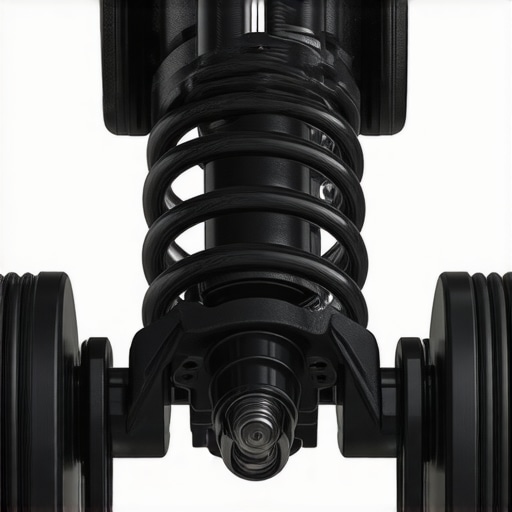
Worn suspension parts are common culprits. I personally replaced worn shocks, which I identified by pushing down on each corner and observing excessive rebound. A good shock provides resistance, preventing excessive sway. If you notice your car’s ride feels bouncy or unstable, consider scheduling a suspension inspection with a trusted mechanic.
Review and Replace Fluid Levels and Components
Fluid quality impacts suspension and steering responsiveness. I checked the power steering fluid and noticed it was dark and low, indicating the need for a top-up and flush. Regular maintenance like oil changes and fluid replacements, as explained here, can prevent early component failure. Ensuring clean, adequate fluid levels maintains smooth operation and mitigates sway issues.
Test Drive with Intentional Observation
After completing inspections and repairs, I took the car for a test drive on similar highway conditions. I paid close attention to how it responded to steering inputs and bumps. This step confirmed whether the issue was resolved or if further diagnosis was needed. Keep in mind, sometimes multiple components contribute, so a systematic approach ensures nothing is overlooked.
Document and Plan Ongoing Maintenance
Finally, I kept a record of service dates, parts replaced, and observed behaviors. Regular preventative maintenance—such as alignment checks, tire rotations, and suspension inspections—can catch issues before they cause noticeable problems. Consider visiting a trusted shop like here for guided support to extend your vehicle’s lifespan and ensure safe highway travels.
Many car enthusiasts and everyday drivers share common misconceptions about transmission care, the significance of ASE certification, and routine maintenance like oil changes. Let’s dig deeper into these topics to uncover nuances that can save you money and improve your vehicle’s longevity.
Myth: All ASE Certifications Are Equal and Guarantee Quality
A widespread belief is that ASE certification automatically means a mechanic is top-tier. While ASE credentials indicate a certain level of knowledge, they don’t account for experience, continuous education, or specialized skills. For instance, an technician with an ASE certification but limited experience in advanced transmission repairs may not deliver the best service. To truly ensure quality workmanship, consider checking reviews or visiting trusted service providers recommended by industry insiders. Learn more about what ASE certification truly signifies so you can make informed choices.
Overlooked Complexity of Transmission Troubles
Transmission issues aren’t always as straightforward as slipping gears or strange noises. Many assume that low transmission fluid is the sole culprit, but in reality, symptoms can stem from a combination of factors like faulty solenoids, worn clutches, or even electronic sensor failures. Rushing to add fluid without diagnostics may temporarily mask problems, leading to more severe damage down the line. Advanced diagnostics, including expert insights into transmission troubles, reveal that a comprehensive approach yields better results and longer-lasting repairs.
How Do Modern Transmissions Differ from Older Ones?
Today’s automatic transmissions integrate complex computer systems, making troubleshooting increasingly sophisticated. Unlike older gearboxes that relied solely on mechanical parts, modern units require specialized knowledge to interpret sensor data and software logs. Neglecting these nuances can result in misdiagnosis or unnecessary replacements. Staying informed about technological advancements and trusting certified experts can make all the difference. Check out what an ASE certification entails regarding modern vehicle tech.
Common Pitfalls in Routine Oil Changes
Many drivers view oil changes as a simple, automatic task. However, overlooking factors like using the wrong oil type or neglecting filter replacements can diminish engine protection. For example, synthetic oils offer better performance but require correct application and change intervals—skipping these details can accelerate engine wear. Additionally, some attempt DIY oil changes without proper tools, risking contamination or incomplete draining. For the best results, follow expert recommendations, such as those outlined here.
Why Over-Troubleshooting Can Damage Your Vehicle
Another common mistake is attempting to fix a problem based solely on symptoms without proper diagnostics. For example, adding additives or replacing parts prematurely might temporarily improve performance but could also mask underlying issues, leading to further damage or increased costs. Professional mechanics leverage advanced tools, ensuring repairs target the root cause. Remember, thorough diagnostics are crucial, especially when dealing with complex systems like transmissions—don’t fall into the trap of quick fixes. Connect with trusted experts through our contact page for guidance.
Have you ever fallen into this trap? Let me know in the comments. By understanding these hidden nuances, you can take smarter steps in maintaining your vehicle and avoid costly mistakes that many drivers overlook.
Investing in the Right Equipment for Reliable Car Care
Maintaining your vehicle over its lifespan requires more than just knowledge—having the proper tools ensures that repairs and preventive measures are accurate and efficient. One of my personal favorites is a high-quality automotive scan tool like the Autel MaxiDiag Elite. I rely on it because it provides comprehensive diagnostics, from reading check engine codes to monitoring real-time sensor data, streamlining the troubleshooting process and preventing unnecessary trips to the mechanic. Additionally, a digital wheel alignment machine such as the Hunter Hawkeye series has been invaluable in maintaining precise wheel angles, which is crucial for handling, tire longevity, and safety, especially when dealing with transmission alignment issues or suspension wear.
Software Solutions for Proactive Maintenance
Beyond physical tools, software plays a critical role. I recommend using maintenance management platforms that track vehicle health, schedule servicing, and monitor critical systems via OBD-II interfaces. For instance, the OBDeleven app allows me to perform basic diagnostics, reset service lights, and monitor sensor data directly from my smartphone. This ensures maintenance like oil changes or transmission fluid flushes happen proactively, maintaining performance and avoiding costly repairs down the line. As technology advances, integrating these digital solutions with your maintenance routine will become even more seamless, predicting component failures before they occur.
Methods That Actually Make a Difference
Manual inspections are foundational but combining them with specific diagnostic procedures optimizes long-term results. Regularly performing a thorough visual inspection, especially around suspension and transmission components, can reveal early signs of wear—cracked bushings, leaking seals, or misaligned parts—before they cause more damage. Personally, I set aside time monthly to check for fluid leaks and worn rubber components using a flashlight and a magnifying glass. Paired with diagnostic scans focused on transmission codes (like P0700 or P0710), this approach identifies issues early, ensuring smoother operation and a longer vehicle lifespan.
How Do I Maintain Transmission Health Over Time?
Maintaining your transmission involves more than just periodic fluid changes; it requires monitoring sensor outputs, software updates, and physical inspections. Using a certified alignment, paired with a transmission-specific diagnostic tool such as expert insights into transmission troubles, helps identify early signs of wear or electronic failures. I recommend scheduling a transmission fluid flush every 30,000 to 50,000 miles, depending on your vehicle’s usage, especially when towing or driving in harsh conditions. Incorporating these tech-forward practices extends the life of your transmission and enhances overall driving safety.
Scaling Up Your Maintenance Routine
As your vehicle ages or gains mileage, scaling your maintenance involves adopting more advanced tools like diagnostic computers compatible with your vehicle’s brand and integrating OBD-II scan interfaces into your garage setup. I envision future trends where AI-driven diagnostic systems will predict failures with remarkable accuracy, reducing downtime and repair costs. For now, I encourage you to start with an advanced scan tool and a maintenance tracking app—these investments will pay off through improved vehicle reliability and safer highways. To get started, consider scheduling an ASE-certified technician check-up regularly—part of responsible maintenance suggested by industry experts.
Ready to elevate your vehicle maintenance? Try deploying a professional-grade diagnostic tool like the Autel MaxiDiag Elite or leverage digital tracking solutions. These investments offer a clear pathway to keeping your vehicle running smoothly for miles to come. For personalized support, contact a trusted service provider through our contact page.
The Hidden Lessons My Drive Taught Me About Car Care
- Always look beneath the surface: I once dismissed a minor sway as rough roads, but it turned out to be a worn suspension, reminding me to investigate before jumping to conclusions.
- Don’t underestimate small signs: A slight odd noise during an oil change revealed a deeper issue in my transmission, emphasizing the importance of listening to your vehicle’s subtle cues.
- Consistency pays off: Regular maintenance routines, like alignment checks, saved me from costly repairs and kept my car feeling new longer.
- Technology is your best friend: Using diagnostic tools and maintenance platforms uncovered issues early, allowing me to act proactively rather than reactively.
- Trust your experts, but stay informed: Picking certified ASE mechanics combined with personal knowledge made repair experiences trustworthy and educational.
Tools and Resources That Transformed My Approach
- Autel MaxiDiag Elite: A comprehensive scan tool that empowers me to diagnose transmission and engine issues from home, saving time and money.
- Hunter Hawkeye Alignment System: Precise wheel alignment helps maintain stability and extend tire life, proving that investing in quality tools yields dividends.
- Maintenance management platforms: Apps like OBDLink allow me to track vehicle health, schedule service, and stay ahead of potential issues.
- Trusted literature and industry guides: Reading insights from auto care experts broadened my understanding and improved my maintenance approach.
Embrace Your Power to Keep Your Vehicle in Peak Condition
Each journey has the potential to teach us something valuable, especially when it comes to caring for cars with transmission nuances or undergoing regular oil changes. Empower yourself with knowledge, the right tools, and a proactive mindset, and you’ll find that maintenance becomes not a chore but an empowering routine. Remember, your vehicle isn’t just a machine; it’s a trusted partner on your adventures. Take charge today, and enjoy safer, smoother rides ahead.
Have you ever caught a small issue early and prevented a major repair? Share your story below and inspire others to pay close attention to their vehicle’s signals!
,