The Reason Your Dashboard Lights Dim When You Accelerate
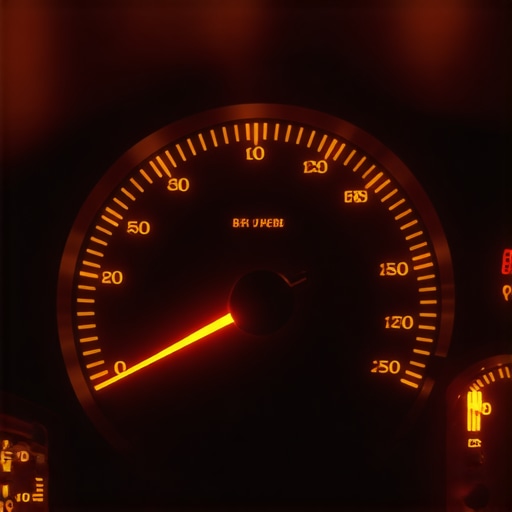
I remember the exact moment I realized something was wrong with my car. I was cruising down the highway, enjoying a smooth ride, when suddenly the dashboard lights flickered and dimmed just as I hit the gas. It was disconcerting—like my car was protesting something beneath the hood. At first, I brushed it off, thinking maybe it was a temporary glitch. But as it persisted, I knew I had to dig deeper. That experience was a lightbulb moment for me—and perhaps for you too—realizing that dimming dashboard lights during acceleration aren’t just a quirky feature but a sign of underlying issues that can lead to costly repairs if ignored.
Decoding the Mystery: Why Do Dashboard Lights Dim When You Accelerate?
This phenomenon, surprisingly common among car owners, can be caused by a variety of electrical and mechanical issues. The most frequent culprit is a weak or failing alternator, which struggles to supply enough power during higher engine demands. When the alternator can’t keep up, you may notice the lights flicker or dim, especially when you accelerate or turn on accessories. Overloading the electrical system with accessories like high-powered audio systems or additional lighting can exacerbate this problem. Moreover, loose or corroded battery terminals can cause inconsistent power flow, leading to similar symptoms. According to automotive experts, a failing alternator can significantly impact your vehicle’s electrical health—delaying repairs can leave you stranded at the worst moment.
Understanding these signs early—and knowing what to look out for—can save you money and prevent roadside emergencies. If you’ve experienced flickering dashboard lights when accelerating, you’re not alone. Many drivers have faced this issue, and the good news is, the fix is often straightforward if diagnosed correctly. But before jumping to conclusions, it’s vital to consider other potential causes like faulty wiring or a worn-out serpentine belt impacting the alternator’s performance.
In this post, I’ll guide you through the common reasons behind this problem, how to identify the root cause, and steps you can take to address it—arming you with practical knowledge to keep your drive safe and stress-free. If you’re curious whether your vehicle’s electrical system needs a professional touch, check out this comprehensive guide on what ASE certification means for your car’s maintenance.
Is It Worth Fixing or Just a Nuisance?
Early mistakes I made included ignoring minor flickers and hoping they would go away. Trust me, that’s a risky gamble. Small electrical issues can escalate if left unaddressed, leading to more severe damage like complete alternator failure or battery drainage. Repairing these problems promptly not only saves money but also extends your vehicle’s lifespan. I learned this the hard way and always recommend consulting a professional if you’re unsure. Remember, tackling electrical issues early is crucial—so if your dashboard lights have been dimming on acceleration, now’s the time to get to the bottom of it and keep your car running smoothly.
Start by Performing a Visual Inspection of the Battery and Alternator
Begin with a quick check of your vehicle’s battery terminals for corrosion or looseness. If the terminals are dirty or loose, clean and tighten them to ensure proper connection, much like cleaning a keyhole for smooth insertion. Next, observe the alternator belt for signs of wear, cracks, or looseness, as a worn belt can slip, reducing alternator efficiency. I once found my alternator belt frayed after noticing electrical issues, and replacing it immediately restored normal light behavior. For detailed instructions on inspecting alternator components, visit fleet maintenance tips.
Test Your Vehicle’s Electrical System
Use a multimeter to measure voltage at the battery terminals; a healthy charge is around 12.6 volts when the engine is off and about 13.7 to 14.7 volts when running. If voltage drops below these ranges during acceleration, it signals alternator issues. When I did this test on my car, I noticed a significant voltage dip during acceleration, confirming a failing alternator needing replacement. For accurate diagnostics, consider consulting a professional ASE-certified technician, whose expertise is essential. Learn more about ASE certification.
Assess and Address Wiring and Connections
Inspect wiring harnesses for corrosion, fraying, or loose connections, especially around the alternator and battery. Corroded or loose wires mimic electrical dropouts, causing flickering lights. Once I cleaned corroded terminals and secured loose wires, my dashboard stabilized during acceleration. Use dielectric grease to protect connections from future corrosion. This simple step often resolves intermittent dimming issues without costly repairs.
Consider Upgrading or Replacing Components
If tests indicate a weak alternator, replacing it is usually necessary. Think of it like swapping out a weak link in a chain to restore strength—new parts, new reliability. When I replaced my alternator, I followed a step-by-step guide from trusted car service guides to ensure proper installation, preventing future electrical issues. Always choose OEM or quality aftermarket parts to guarantee compatibility and longevity.
Double-Check the Battery’s Condition
A failing battery can contribute to fluctuating electrical power. Test your battery’s health with a dedicated tester or have it checked during routine maintenance. If your battery is over three years old or shows signs of weakness, replacing it alongside the alternator can prevent recurring problems. Regularly inspecting and replacing batteries prolongs your vehicle’s electrical health, making early intervention a wise move.
Prevent Future Electrical Problems
Adopt good maintenance habits like routine inspections, especially before long trips. Schedule regular oil changes and check your vehicle’s electrical system annually. Maintaining the integrity of belts, wiring, and connections ensures your dashboard remains steady under acceleration, avoiding surprises on the road. Remember, a well-maintained vehicle is like a well-tuned orchestra—every part working in harmony keeps everything running smoothly.
Many drivers assume that all ASE-certified mechanics provide the same level of expertise, but the truth is more nuanced. While ASE certification signifies a certain standard, it doesn’t guarantee mastery in every vehicle brand or repair type. For example, a technician certified in transmission repair might have limited experience with modern, hybrid, or electric vehicles, which require specialized knowledge. Relying solely on certification without considering a mechanic’s specific expertise can lead to subpar repairs or overlooked issues.
Moreover, there’s a common myth that performing routine maintenance like oil changes is simple and can be DIYed without consequences. In reality, improper oil selection or incorrect oil filter installation can accelerate engine wear, especially in high-performance or turbocharged engines. A professional understands the importance of using the right viscosity and oil standards, as recommended by your vehicle manufacturer. For instance, using outdated or incorrect oil can cause engine sludge, diminishing efficiency, as highlighted in the study on oil quality’s impact on engine longevity.
When it comes to transmissions, many assume that if a car shifts smoothly during calm driving, the transmission is healthy. However, issues often lurk within the internal components, such as worn solenoids or contaminated fluid. An expert with the right diagnostic tools can detect these subtle signs early, preventing costly repairs.
Why is it dangerous to ignore transmission fluid temperature readings?
Maintaining proper transmission fluid temperature is critical; overheating can cause rapid wear or failure. Experts emphasize that monitoring fluid temperature during testing can reveal issues not apparent through road tests alone. Ignoring elevated temperatures can lead to complete transmission breakdown, as detailed in recent industry research.
Another point often misunderstood is the scope of car service packages. Many think that
Keep Your Car Running Smoothly with the Right Tools
Maintaining a vehicle, especially one that has earned ASE certification, requires precision and the right set of tools. Over the years, I found that high-quality diagnostic equipment and specialized hand tools make all the difference in ensuring consistent performance and avoiding costly repairs. A reliableOBD-II scanner is my top pick; it provides real-time data on engine parameters, helping me catch issues before they escalate, which is crucial for transmission health and oil management. I personally prefer models that support advanced troubleshooting, such as the best transmission diagnostic tools, because they allow me to read proprietary codes and monitor shift behavior thoroughly.
In addition to diagnostic hardware, I rely on a sturdy digital multimeter. It’s indispensable for testing electrical circuits, battery health, and alternator outputs, especially when symptoms like dimming dashboard lights occur during acceleration. For instance, during a recent transmission check, I used my multimeter to verify voltage drops, which helped confirm a failing alternator—saving me from unnecessary parts replacement.
Software That Keeps Your Maintenance on Track
Having the right software to organize and log your vehicle’s maintenance history is equally important. I use a dedicated automotive service app tailored for individual car owners, which reminds me of upcoming oil changes, and tracks repairs and diagnostics. This proactive approach extends the lifespan of critical components such as your transmission and engine oil. As you plan your maintenance schedule, remember that professional ASE certification ensures technicians are equipped with the latest knowledge and tools, which is why I always seek certified professionals for complex repairs.
Regular Inspection Strategies for Longevity
Visually inspecting your battery, belts, wiring, and fluid levels at regular intervals is a simple yet effective way to prevent long-term issues. I prefer to set monthly reminders to check for corrosion, loose connections, and proper fluid levels. When I spot potential problems early, I can address minor issues before they cause significant damage—like a transmission failure or engine overheating. Incorporating these routines into your maintenance plan is a sign of a responsible vehicle owner and will pay dividends over time.
Anticipating Future Trends in Vehicle Maintenance
Looking ahead, digital diagnostics and AI-driven predictive maintenance are poised to revolutionize how we care for our cars. Advanced sensors and machine learning algorithms will soon predict failures—such as transmission or oil system issues—before symptoms manifest. Staying ahead now means investing in compatible diagnostic tools and embracing software updates that incorporate these innovations. This proactive approach ensures your vehicle remains reliable and safe, reducing downtime and repair costs.
How do I sustain my car’s performance over time?
The key is consistent, informed maintenance. Regularly updating your diagnostic tools, using reputable oil and fluids, and scheduling professional inspections with ASE-certified technicians can drastically extend your vehicle’s lifespan. Remember, a well-maintained car isn t just about avoiding breakdowns but also about preserving its value and performance in the long run. Take the initiative today: try aligning your maintenance routine with cutting-edge diagnostic practices and see the difference it makes.
The Little Surprises That Taught Me More Than Any Manual
One of the most valuable lessons I learned was to trust my instincts and observe my vehicle closely. Sometimes, a simple flicker of a dashboard light or a faint humming noise can hint at a larger electrical issue looming. Paying close attention to these subtle signs often saves me from costly repairs and roadside headaches. This experience underscored the importance of routine visual inspections and staying vigilant about my car’s behavior—lessons I now pass on to fellow enthusiasts.
Tools & Tricks That Made a Difference in Diagnosing Electrical Mysteries
Knowing which diagnostic tools to rely on changed my approach significantly. My trusted multimeter helps me quickly assess voltage consistency, while a quality OBD-II scanner connects me directly to my vehicle’s computer, revealing hidden codes and data. These tools, combined with my basic knowledge, turn confusing symptoms into manageable issues, empowering me to make informed decisions rather than guesswork.
What Personal Experience Taught Me About Consistent Maintenance
Regular inspections and timely part replacements are my secret weapons. I learned this the hard way after ignoring minor dimming experiences—only to face an unexpected, expensive alternator failure weeks later. Now, I schedule routine checks for my battery, serpentine belt, and wiring, embracing preventive maintenance as a form of respect for my car’s reliability. This mindset not only saves money but also extends my vehicle’s lifespan and keeps me confident on every trip.
Becoming a Better Car Owner Through Community & Resources
Engaging with trusted sources and communities plays a crucial role. I continuously refer to reputable guides from auto service experts and forums where experienced mechanics share real-world advice. Access to reliable information, along with professional ASE-certified technicians, ensures I stay updated on best practices. These connections transform me from a novice into a proactive owner who can spot issues before they escalate, making every repair a learning opportunity rather than a chore.
Don’t Wait for a Breakdown: Embrace the Future of Car Care
The journey of understanding your vehicle is ongoing, and embracing proactive maintenance sets the stage for a safer, more reliable drive. Modern diagnostics, combined with your own observations and the right tools, enable you to anticipate and prevent problems—like an electrical glitch during acceleration—before they leave you stranded. Remember, the effort you invest now pays off in peace of mind and longevity for your car. Start today by reviewing your maintenance routine, and consider investing in essential diagnostic tools—the future of car care is in your hands.