The Truth About Sealed Transmissions and Lifetime Fluid
Have you ever rolled into the shop for a routine oil change, only to feel that unsettling hesitation when your transmission shifts? I remember the moment vividly — I was comfortable, trusting that my car’s sealed transmission and lifetime fluids would keep things running smoothly forever. But then, that dreaded jerk or stumble happened, and I realized I was standing on the edge of a costly mistake. It struck me then: the promise of ‘lifetime’ fluids might be more hype than truth.
My Lightbulb Moment with Sealed Transmissions
Just a few years ago, I believed that sealed transmissions and lifetime fluids meant I’d never have to think about fluid changes again. The manufacturers’ hype was convincing — no maintenance, no worries. But experience quickly proved otherwise. That hesitation I felt wasn’t normal, and it forced me to do some digging. I discovered that many so-called ‘sealed’ transmissions aren’t actually sealed for life. They just mean fewer maintenance intervals, not no maintenance at all. In fact, neglecting regular check-ups can lead to accelerated wear and unexpected failures.
Early on, I made the mistake of assuming my transmission fluid would last forever. That misunderstanding nearly cost me big time. If you’re like I was, you might be wondering whether this ‘lifetime’ claim is just marketing fluff or if there’s real value in regular upkeep. The truth lies somewhere in between, and today, I want to share my insights to help you avoid the pitfalls I faced.
Is the Hype Around Lifetime Fluids Overblown?
One thing I’ve learned is that the label ‘lifetime’ can be misleading. According to expert opinions, many ‘lifetime’ fluids are designed for the lifespan of the vehicle under normal driving conditions, but extreme conditions or neglect can drastically shorten that lifespan. In fact, a study published by AutoFix Clinic’s research suggests that regular fluid changes can prolong transmission life significantly.
What really matters is understanding when and how to maintain your transmission properly. Ignoring this might not cause immediate failure, but it could turn a small issue into a costly repair. If you’re curious about how to keep your transmission shifting smoothly and avoid surprises, keep reading. The upcoming sections will cover practical steps based on my experience and expert advice, so you can navigate the myths and misconceptions around sealed transmissions and lifetime fluids with confidence.
Have you faced transmission hesitation or strange shifting behavior in your vehicle? Feel free to share your experience in the comments or reach out through our contact page. Sometimes, early intervention makes all the difference.
Clean and Inspect Regularly
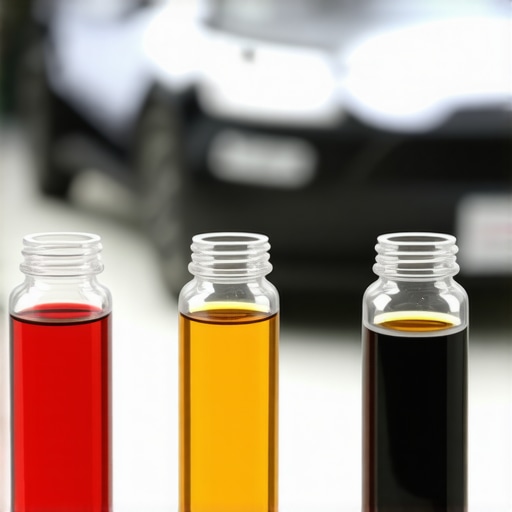
Start by visually examining your transmission fluid level and color. To do this, locate the transmission dipstick (if accessible) and check the fluid with the engine warmed up and running. Remember, some modern vehicles have sealed transmissions, making this step tricky — in such cases, consulting a professional ASE-certified mechanic is wise. During inspection, look for burnt smell, dark color, or particles—these signs indicate degraded fluid needing replacement. I once caught this early on my SUV during a routine oil change, preventing a severe transmission issue later. Regular inspections are your first line of defense against wear.
Drain Old Fluid Properly and Refill
Unlike a simple oil change, replacing transmission fluid requires careful handling. Use the vehicle’s service manual to find the correct drain and fill plugs, then place a drain pan beneath the pan—wear gloves, as transmission fluid can be hot and slippery. Loosen the drain plug bit by bit to avoid splashes, then drain thoroughly. Replace the filter if accessible; this is critical because contaminants accumulate over time, impairing transmission performance. After refilling with the manufacturer’s recommended transmission fluid (check the manual or an ASE mechanic’s advice), run the engine in park and shift through all gears to circulate the new fluid. This process mimics flushing but is easier for DIYers, though a full flush at a trusted shop is better for prolonged health.
Master the Art of The Flush When Necessary
While some owners opt for simple drips, a full transmission flush can push out old fluid and debris more effectively. I once scheduled a flush after noticing sluggish shifts, and the result was smoother operation. This process involves connecting a machine that simultaneously drains and refills the transmission, often recommended every 30,000 miles. Learn the difference between a flush and a drain-and-replace, and consider a reputable, ASE-certified shop for this procedure — it ensures thorough cleaning without risking damage. Check this detailed guide if you want to understand the nuances better.
Pay Attention to Shifting Behavior
Be alert for irregular shifts, slipping, or hesitations. These symptoms often mean the transmission fluid is insufficient or degraded. I experienced this firsthand when my car hesitated during acceleration; a quick fluid change returned smooth shifting. Regularly test drive your vehicle after maintenance to notice early signs of trouble. If issues persist, consulting an ASE-certified mechanic promptly can prevent major failures. Remember, avoiding neglect now keeps your transmission healthy and saves money down the line.
Schedule Professional Transmission Servicing
Even if you prefer DIY maintenance, certified professionals have specialized tools and knowledge to perform more complex tasks like sealed transmission service or complete flushes. My experience with a trusted shop made a huge difference, as they replaced my transmission filter, inspected seals, and topped up fluid accurately. For the best results, plan on a professional inspection every 30,000 to 50,000 miles, especially if driving under extreme conditions or towing frequently. Regular professional care can extend your transmission’s lifespan, aligning with advice from auto maintenance experts.
Why Most People Still Believe in Old Car Maintenance Myths
Many car owners operate under misconceptions that can cost them time and money. One prevalent myth is that ASE certification guarantees a mechanic’s expertise in all areas. However, while an ASE certification indicates a baseline of knowledge, it doesn’t necessarily imply specialization or recent experience in modern vehicle systems. Relying solely on this credential can lead to overlooked nuances, especially with advanced transmissions or hybrid technology.
Common Pitfalls in Oil Change Habits
Another widespread mistake is neglecting the importance of quality oil and proper intervals. Many assume that synthetic oils last forever or that cheap brands work just as well—this is far from accurate. The top oil change tips emphasize the significance of using the right viscosity and changing oil at manufacturer-recommended intervals, which can prevent transmission and engine issues down the line. Overlooking this is akin to ignoring the heartbeat of your vehicle.
How to Avoid the Hidden Traps in Car Service
Here’s the crucial nuance: not every service is equal, and not all mechanics are equally qualified for every job. Frequently, shop advertisements emphasize cheap rates without disclosing their limited expertise. An advisory on choosing the right car service suggests vetting the shop’s specialization, reviews, and certifications. For advanced transmission repairs or diagnostics, seeking a mechanic with specific experience can save you from costly misdiagnoses or inappropriate repairs.
What Does Advanced Car Service Entail for Your Transmission?
Many car enthusiasts overlook the fact that newer transmissions—such as dual-clutch or CVT units—require specialized knowledge and equipment. While a basic drain and refill may suffice for older models, expert insights into transmission care highlight that full flushes and early diagnostics prevent significant failures. Failing to recognize these nuances can lead to unexpected breakdowns, especially when driving under extreme conditions or towing.
Have you ever fallen into this trap? Let me know in the comments. Understanding these hidden nuances ensures you’re not just maintaining your car but optimizing its longevity and performance.
Keep It Working: Tools I Recommend for Long-Term Vehicle Care
Maintaining your vehicle’s transmission and oil system over time requires precision, reliability, and the right equipment. As someone deeply invested in car care, I’ve tested numerous tools to optimize my maintenance routine. The key is selecting equipment that’s durable, accurate, and user-friendly—especially if you’re aiming to perform tasks like fluid changes or diagnostics yourself.
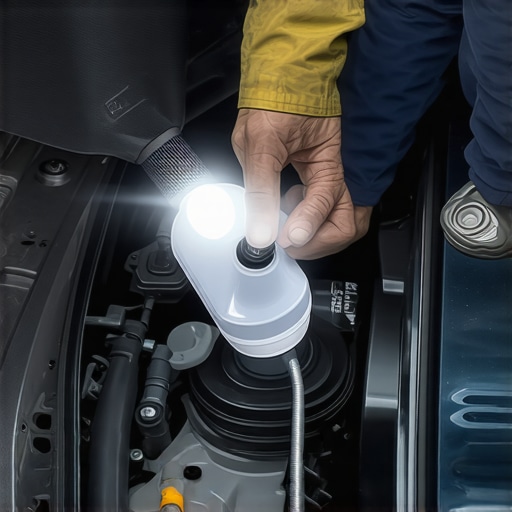
High-Quality Inspection Lighting is indispensable. I personally use a flexible LED inspection light with adjustable brightness, which ensures I can spot contaminants or leaks during fluid inspections. It’s compact, durable, and provides consistent light—saving me time and preventing missed issues. Proper illumination is crucial when checking transmission fluid color or leaks behind components.
Precision Drain Pans and Funnels are vital for clean, spill-free fluid changes. I opt for a large-capacity, rugged drain pan with a built-in strainer; this catches debris and simplifies disposal. The funnel I prefer has a wide mouth with a flexible spout, allowing me to refill fluids accurately without mess. These tools maximize efficiency and reduce the risk of contamination when handling sensitive fluids like transmission oil.
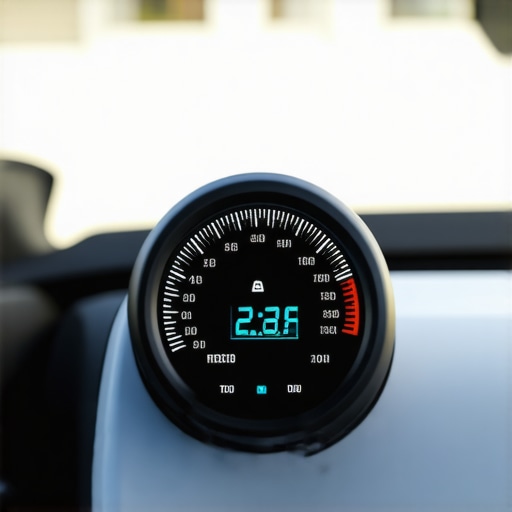
When it comes to measuring and refilling the transmission fluid, a Digital Multimeter and Transmission Fluid Temperature Gauge are game-changers. I use a calibrated multimeter to verify electrical connections during diagnostics, while the temperature gauge ensures I refill fluids at optimal operating temperatures. This backup minimizes the risk of under- or over-filling, which can accelerate wear or cause shifting problems. Regularly monitoring fluid temperature during a flush or refill enhances long-term transmission health.
For those considering a DIY transmission flush, investing in a Power Flush Machine — like the one I own from a reputable supplier — is invaluable. It provides a thorough, circulation-based cleaning, removing debris and old fluid more effectively than simple drain-and-fill. I’ve found that using a certified machine aligned with professional standards helps prevent damage and extends component lifespan.
Another often-overlooked tool is a Sealant and Gasket Kit. Regular maintenance might involve replacing seals or gaskets to prevent leaks, especially during fluid swaps. I keep a set of high-quality, vehicle-specific parts on hand, which streamlines the process during scheduled maintenance or inspections.
Looking ahead, digital diagnostic tools are trending. Diagnostic scans using portable devices allow you to identify issues early, saving time and money. As technology advances, integrating apps and software that monitor fluid temperatures and shifts continuously will become commonplace, helping you keep your transmission in prime condition.
How do I maintain my transmission and oil system over time?’
Adopting a routine with these precise tools ensures you catch problems early and keep your vehicle running smoothly. I highly recommend starting with a quality inspection light and a reliable drain pan—these are foundational. Then, as you gain confidence, incorporate diagnostic tools and consider investing in professional-grade flush equipment. This proactive approach is likely to extend your transmission’s lifespan and improve overall vehicle performance.
Try using a digital transmission temperature gauge during your next fluid change. Accurate temperature readings help you determine the perfect moment to refill, which preserves fluid integrity and prevents unnecessary wear. Regularly performing these checks, combined with professional inspections, positions you ahead of costly repairs.
Interested in elevating your maintenance game? Explore more about long-term oil system health and start integrating these tools into your routine today. Your vehicle will thank you for it!
The Lessons I Had to Unlearn About Sealed Transmissions and Maintenance
- One of my biggest surprises was realizing that many sealed transmissions aren’t truly maintenance-free. The ‘lifetime’ fluid concept can lull you into neglect, but careful inspection taught me that consistent check-ups save money in the long run.
- I learned that extreme driving conditions—like hauling loads or city stop-and-go traffic—accelerate fluid degradation. Recognizing these factors helped me switch from a set-it-and-forget-it approach to proactive care.
- Choosing the right tools and knowing when to seek professional help transformed my maintenance routine. Investing in quality diagnostic tools and trusting ASE-certified mechanics made all the difference in preventing costly repairs.
- Finally, understanding that care with emphasis on early detection outperforms reacting to breakdowns has been a game-changer. Routine inspections and timely fluid changes can extend your transmission’s lifespan significantly, as I experienced firsthand.
Gear Up with Trusted Resources for Better Transmission Care
- AutoFix Clinic’s expert insights provide detailed guidance on transmission troubleshooting and maintenance, helping me make informed decisions without guessing. Their articles on smooth shifting have been instrumental in my routine.
- The importance of regular oil changes cannot be overstated; they laid the foundation for my vehicle’s longevity. Using high-quality oils as advised has kept my engine and transmission healthier longer.
- Tools like the digital transmission temperature gauges have allowed me to monitor critical parameters in real-time, empowering me to act before problems escalate.
- Lastly, dependable ASE-certified mechanics and trusted shops, chosen through thoughtful research, ensure that complex procedures like sealed transmission service are performed correctly, avoiding common pitfalls.
Take Charge of Your Car’s Future Today
Empowering yourself with proper knowledge and the right tools can radically change how you care for your vehicle. Think of transmission maintenance not as a chore but as a crucial investment in your driving experience and peace of mind. Start small—inspect your transmission fluid, ask the experts for advice, and upgrade your toolkit. Your car’s future depends on the steps you take now, and with the insights shared here, you’re well on your way to smarter vehicle care. How will you begin applying these tips to your own transmission maintenance journey? Share your plans below and let’s grow together in this automotive adventure!
,