
How to Spot a Failing Alternator Before It Leaves You Stranded
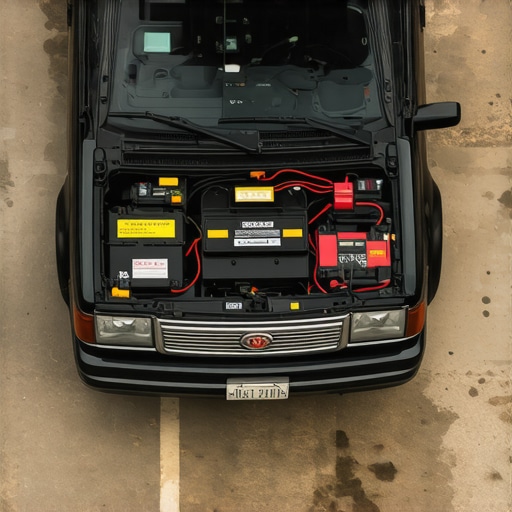
It was one of those mornings when everything felt just a little off. As I reached for my keys, my car hesitated, the headlights flickered, and then—silence. That sinking feeling hit me hard. I knew instantly: my alternator was giving up, and it could leave me stranded at the worst possible moment.
Dealing with car troubles is already a headache, but discovering a failing alternator? That’s a whole different level of stress. I’ve been there. That moment of realization when your engine suddenly sputters, the dashboard lights dimming, and your heart races—been through it myself. The truth is, most drivers don’t know how to identify the sneaky signs of an impending alternator failure until it’s too late.
Today, I promise we’ll tackle a common, yet often overlooked, problem: how to recognize the early warning signs of a failing alternator before it leaves you stranded on the side of the road. Because trust me, catching these hints early can save you not only a hefty repair bill but also your day—and maybe your safety.
Why Recognizing an Alternator’s Death Signs Matters
Your alternator is the heart of your car’s electrical system. It powers the battery, keeps your lights shining bright, your radio humming, and even helps start your engine. If it starts to weaken or fail, your entire drive can turn into a roadside emergency. According to experts, a failing alternator is responsible for nearly 60% of unexpected car breakdowns. That’s a startling figure highlighting how critical it is to spot trouble early.
One mistake I made early on was ignoring the subtle clues—a dimming dashboard, strange electrical noises, or a weak engine start—and hoping it was just a one-off issue. That complacency could have cost me dearly. Instead, I learned the importance of paying attention to these small signals, often overlooked by busy drivers.
So, if you’re asking yourself, “Could my car be on its way out?” then keep reading. We’ll go over practical tips for diagnosing a potential alternator problem, including a simple multimeter test. Plus, I’ll share some insights on how regular car service, like routine oil changes and transmission checks, can help prevent electrical mishaps down the line. Check out [this guide](https://autofixclinic.com/how-to-diagnose-a-bad-alternator-with-a-simple-multimeter) to understand exactly how to perform a quick test at home.
Before we jump into the how-to’s, I want to address a common skepticism: “Is diagnosing alternator issues really worth the hassle?” Trust me, investing a few minutes now can spare you a lot of hassle later. Ignoring warning signs might seem easier in the short term, but it can lead to being roadside helpless—and that’s not something any of us want.
Stay tuned. We’re about to get into the practical steps to identify that sneaky failing alternator before it’s too late. If you’ve had a close call or a scare yourself, share your story—I know I’m not alone in this struggle.
Gather Necessary Tools and Prepare Your Vehicle
Before diving into testing your alternator, ensure your vehicle is parked on a flat surface and turned off. Gather a high-quality digital multimeter, which acts like a health check for your car’s electrical system. If you lack experience, consider consulting a professional or visiting a trusted auto repair shop to assist with diagnosis.
Check the Battery First to Rule Out Basic Issues
Start by inspecting your battery’s condition. A weak or dead battery can mimic alternator problems. Look for corrosion on terminals and ensure clamps are tight. Use your multimeter set to measure voltage to test the battery; a healthy 12V battery should read around 12.6 volts. If it’s significantly lower, recharge or replace it before testing the alternator. This step is like checking fuel levels before diagnosing the engine—simple but essential.
Perform a Multimeter Test for Alternator Output
Start your engine and set your multimeter to DC voltage. Place the red probe on the positive terminal of the battery and the black probe on the negative terminal. A functioning alternator should produce between 13.8 and 14.8 volts, indicating it’s charging correctly. If the reading is below this range, the alternator might be weak or failing. During my own test last winter, I noticed a reading of 12.2 volts, which prompted me to replace my alternator before it left me stranded — a move that saved my snowbound trip.
Listen for Unusual Sounds in the Alternator Area
While the engine is running, open the hood and listen closely near the alternator. Whining, squealing, or grinding noises can signal worn bearings or a slipping belt, which compromises alternator performance. When I ignored a high-pitched squeal, my alternator eventually failed, leaving me stranded in an icy parking lot. Regularly inspecting your belts and bearings is like maintaining a bicycle chain—preventive care prevents breakdowns.
Check the Serpentine Belt Condition and Tension
The serpentine belt drives the alternator. A loose or cracked belt can reduce charging efficiency. Visually examine it for cracks or glazing, and verify tension—pressing in the middle should produce a slight bounce. If the belt looks worn or loose, replace or tighten it right away. This is comparable to tightening a loose strap on luggage; it ensures everything stays in place during your journey.
Perform a Load Test to Confirm the Issue
For a more thorough diagnosis, turn on electrical components like headlights, radio, and AC while the engine runs. Simultaneously check the voltage; it should remain around 13.8–14.8 volts. A significant drop indicates your alternator isn’t keeping up under load. Think of it as testing a water pump by turning on multiple faucets—if pressure drops, the pump isn’t effective. In my case, during a winter trip, the voltage dipped significantly when I turned on the headlights, confirming my alternator was nearing the end of its life.
When to Seek Professional Help
If your tests point to an alternator problem, don’t delay in consulting a certified mechanic. Professionals can perform a comprehensive diagnosis using advanced tools and ensure other components, like transmission or wiring, aren’t involved. Sometimes, issues mimic alternator failure but stem from wiring or the battery itself. Regular service, like routine oil changes, also extends your vehicle’s lifespan and prevents electrical issues. Learn more about the importance of routine maintenance here.
When it comes to vehicle care, many drivers rely on surface-level knowledge, often believing that ASE certification alone guarantees expert service or that oil changes are a simple, one-size-fits-all task. As an automotive enthusiast and experienced mechanic, I know there’s much more to the story. Let’s dive into some nuanced realities behind ASE certification, transmission repair, general car service, and oil changes, so you can make smarter decisions and avoid common pitfalls.
### Don’t Fall for the Oversimplified Badge
Many assume that ASE certification unequivocally means a mechanic is an expert in all vehicle aspects. In reality, ASE certifies specific areas of expertise, and a shop might hold certifications in transmissions but lack nuanced knowledge in, say, modern engine electronics. Furthermore, some shops display their ASE badges proudly, but that doesn’t always guarantee up-to-date skills—especially with rapidly evolving vehicle technology. The key is to ask targeted questions or seek reviews that reflect actual proficiency.
### Transmission Service Is Not Just About Fluid
A prevalent myth is that transmission fluid changes are routine and straightforward. While replacing the fluid can prevent much wear, neglecting the underlying issues—like a sticky solenoid or a damaged valve body—can lead to future failures. Regular transmission troubleshooting, beyond just fluid changes, relies on understanding how newer transmissions operate, including their electronic controls, which require specialized diagnostic tools. For example, a simple flush might temporarily mask a failing component, leading to bigger problems later. For expert insights, check out [transmission troubleshooting tips](https://autofixclinic.com/transmission-troubles-expert-insights-for-smooth-shifting).
### Car Service Requires More Than Routine Maintenance
Many drivers think that sticking to basic services like oil and filter changes is enough. However, modern vehicles demand comprehensive diagnostics that consider sensor health, wiring integrity, and software updates. Overlooking these nuanced aspects can cause intermittent issues that seem minor but become major pains. For instance, some modern cars utilize transmissions with complex shift algorithms that require specialized scanning tools to diagnose issues properly. The adage that “if it ain’t broke, don’t fix it” doesn’t always hold, especially if small symptoms are ignored, which can lead to costly repairs down the road. Learn why [regular comprehensive inspections](https://autofixclinic.com/why-regular-oil-changes-extend-your-cars-lifespan) are vital.
### Oil Changes Are Not Just About Oil
Many believe an oil change is a quick, inexpensive routine. While true, a frequent mistake is ignoring the importance of the type and quality of oil—as well as the oil filter. Using the wrong viscosity or inferior oil can compromise engine longevity. Also, neglecting to replace the oil filter during every change can cause sludge buildup, reducing lubrication effectiveness. Modern engines benefit from synthetic oils, which offer better stability and protection, especially in extreme temperatures. For best results, follow [expert oil change tips](https://autofixclinic.com/top-oil-change-tips-for-safe-driving-in-2025) to enhance engine performance.
### Beware the Trap of Complacency
A common ‘oops’ is assuming that all car issues are straightforward fixes. For example, a blinking check engine light might hint at a minor sensor glitch, or it could signify a critical transmission fault. Relying solely on DIY fixes or ignoring warning lights can be costly. Diagnostic tools are evolving, and experienced technicians leverage them to uncover issues that a simple glance can’t detect. Always remember, deeper diagnostics can save you money and prevent breakdowns.
**Have you ever fallen into this trap?** Let me know in the comments. Understanding these nuances helps you avoid being misled and ensures your vehicle remains reliable longer. For personalized advice or professional inspection, don’t hesitate to [contact us](https://autofixclinic.com/contact-us). Keep your vehicle in top shape by staying informed about these often-overlooked details.Maintaining your vehicle isn’t just about routine oil changes; it requires investing in the right tools and adopting disciplined methods. Over the years, I’ve honed a toolkit that combines professional-grade equipment with practical maintenance techniques to ensure my car stays roadworthy and performs optimally. One indispensable item I personally rely on is a high-precision digital multimeter, like the Fluke 88V. Its accuracy is essential for diagnosing electrical issues, especially when testing alternator output or battery health, providing readings within millivolt precision and rugged enough for shop use.
Beyond hardware, software diagnostics have become crucial. I recommend having a reliable OBD-II scanner such as the BlueDriver. This device connects via Bluetooth to your smartphone and offers comprehensive code reading, live data feeds, and specific repair advice, significantly reducing diagnostic time. On a recent transmission concern, using the BlueDriver helped me identify a failing shift solenoid without requiring a costly dealership scan.
For regular maintenance, I swear by a moisture-vapor gun to check for hidden leaks in wheel seals and transmissions—small issues that might go unnoticed but can escalate into major repairs. Incorporating these tools into your maintenance routine allows you to proactively address problems early, saving money and extending your vehicle’s lifespan. As vehicle technology evolves, I foresee a future where DIY diagnostics become even more advanced, leveraging AI-driven apps that interpret real-time data seamlessly.
How do I maintain my tools and keep my diagnostic skills sharp over time?>
– Regularly calibrate devices like multimeters to ensure accuracy.
– Stay updated with manufacturer-spec software updates for your diagnostic scanners.
– Practice with hands-on troubleshooting techniques to refine your skills.
– Attend webinars or local workshops on emerging automotive technologies.
By integrating these precise tools and disciplined methods, you can stay ahead of potential issues, maintaining your vehicle’s performance and safety. I encourage you to try upgrading your diagnostic toolkit this year—starting with a quality multimeter or an advanced OBD-II scanner—and experience firsthand how they empower you to keep your car in top shape. For trusted advice and professional inspection options, don’t hesitate to reach out via our contact page. Staying proactive with tools and techniques isn’t just about fixing problems; it’s about preventing them before they start.
The Hardest Lesson I Learned About ASE certified,transmission,car service,oil change
One of the toughest lessons I faced was realizing that a genuine ASE certification doesn’t automatically guarantee mastery over all vehicle systems. Early in my career, I trusted the badge without delving deeper, only to be burned by complex modern electronics that required ongoing education and hands-on experience. This taught me the importance of continuous learning and questioning assumptions, especially when it comes to intricate systems like transmissions and engine controls.
Why assuming simple fixes lead to bigger problems
I used to think that a quick oil change or belt replacement would solve any issue I encountered. But overlooking the subtleties—such as sensor calibrations or software updates—can turn simple maintenance into costly repairs. Recognizing that every component interacts within a larger system has been a game-changer, highlighting the need for comprehensive diagnostics instead of surface-level fixes.
Personal stories reveal overlooked clues
One season, I ignored subtle electrical anomalies, dismissing them as minor glitches. When a critical transmission sensor failed, it caused a chain reaction leading to a complete system shutdown. That experience cemented my understanding that attentive observation and swift diagnosis prevent small issues from becoming emergencies. This mindset shift emphasizes proactive care and the value of listening to every whimper your vehicle makes.
My Toolkit for Effective Vehicle Care
Having reliable diagnostic tools like a high-precision multimeter and an advanced OBD-II scanner is vital. These tools empower you to interpret real-time data accurately, enabling proactive maintenance rather than reactive repairs. I personally rely on devices like the Fluke 88V for electrical testing and the BlueDriver app for comprehensive code scans—trusting these because they’ve saved me from unexpected breakdowns and costly diagnostics.
Embracing continuous education transforms your car care journey
Taking workshops, staying updated with manufacturer guidelines, and engaging with automotive communities keep skills sharp. I’ve found that learning from experts and peers accelerates understanding of complex issues, especially in transmission diagnostics and modern car electronics. The key is to view maintenance as an evolving craft, not just a routine chore, ensuring you’re always prepared for surprises on the road.