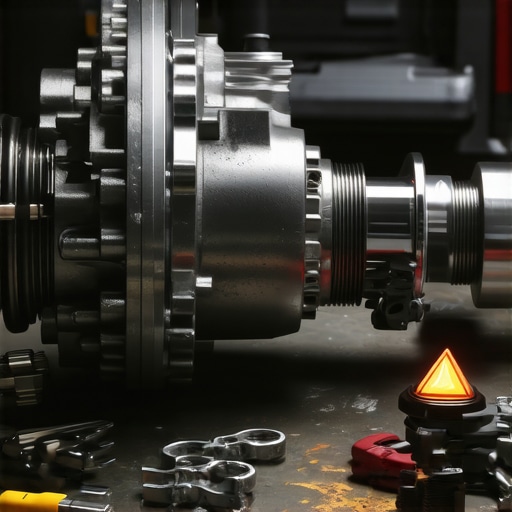
The Reason Your Transmission Fluid Smells Like Burnt Toast
Perfectly smooth gear shifts, a responsive engine—these are the signature signs of a well-maintained car. But one morning, as I slid into my driver’s seat, I was hit with a strange, unsettling smell—like burnt toast infused with a hint of gasoline. It wasn’t just a fleeting odor; it lingered, filling the cabin with an acrid warning sign that my transmission might be in trouble. At that moment, I realized that something as simple as the smell coming from my transmission fluid could spell serious issues that can’t be ignored.
The Real Reason Your Transmission Fluid Smells Like Burnt Toast
This isn’t just about an unpleasant smell; it’s a red flag. When transmission fluid starts smelling burnt, it usually indicates overheating or imminent failure. Over time, transmission fluid degrades under high heat and can become thick, burnt, or burnt-tasting—yes, even in smell. This can happen because of low fluid levels, clogged filters, or worn-out components that generate excess friction and heat. If ignored, it could lead to costly repairs or even a complete transmission rebuild.
Early in my own experience, I made the mistake of dismissing that burnt smell, thinking it was just a minor inconvenience. But that small oversight turned into a repair bill many times higher than I’d care to admit. Regular checks and maintenance can save you from this nightmare, which is why I want to guide you through the signs, causes, and immediate steps to take when you notice this warning.
Could Your Car’s Burnt Toast Smell Be Just Your imagination?
I’ve heard skeptics argue that they’ve never experienced this smell or that it’s a one-off issue. But the truth is, this smell can be subtle and easily dismissed until it becomes overwhelming. The key thing to remember is that smell is a warning. As a certified auto technician explains, “Smells coming from your transmission should never be ignored; they often point to critical issues that need attention before they escalate” (Source).
My advice? Don’t wait for the smell to get worse. Recognizing early signs and understanding the common causes will empower you to act before your transmission’s health deteriorates further.
Now, let’s get into what really causes this smell and, more importantly, how you can address it—saving your wallet and your peace of mind.
Check the Transmission Fluid Level and Condition
Start by inspecting your transmission fluid using the dipstick. Ensure your vehicle is on a level surface, engine warmed up, and transmission in park. Pull out the dipstick, wipe it clean, reinsert, and then check the fluid level. If it’s low, top it off with the correct type of transmission fluid as specified in your owner’s manual. Observing the color and smell of the fluid is crucial; burnt-smelling, dark, or gritty fluid indicates the need for a fluid change. During my own experience, I learned that neglecting this simple step led to overheating, so I now perform this check monthly.
Replace Transmission Fluid When Necessary
Old or degraded transmission fluid can cause overheating and unpleasant odors. If your fluid looks dark or smells burnt, it’s time for a change. Drain the old fluid completely, replace any filters, and refill with fresh, high-quality transmission fluid. During a routine oil change, I once found my fluid was past its prime, which explained sluggish shifting and that burnt smell. Regular fluid changes, recommended by experts at AutoFixClinic, prevent this issue from escalating.
Service the Transmission System
Clogged filters or worn-out components can lead to high heat and burnt odors. Schedule a professional transmission service, which includes flushing old fluid, replacing filters, and inspecting for worn parts. When I noticed persistent smell despite fluid replacements, consulting a certified mechanic identified a failing torque converter—prompt repair restored smooth operation and eliminated the smell.
Consider a Transmission Flush for Deep Cleaning
A transmission flush involves removing all old fluid and replacing it with new. Unlike a simple drain, this process cleans out deposits and reduces overheating risks. I opted for a flush after noticing the smell hadn’t gone away post-filter change, and it made a significant difference.
Maintain Proper Cooling and Avoid Overheating
High temperatures exacerbate fluid breakdown. Ensure your radiator and cooling system are functioning effectively. Regularly check your radiator cap, hoses, and coolant levels. During a hot summer, I learned that neglecting cooling system maintenance contributed to transmission overheating and that burnt smell. A well-maintained cooling system keeps your transmission fluid at safe temperatures, extending its lifespan and performance.
Adopt Preventive Habits
Consistent maintenance is key. Follow your manufacturer’s service schedule, which often includes transmission fluid checks and replacements. Remember, proactive care saves money and prevents your transmission from becoming a costly headache. Regular inspections, as emphasized by AutoFixClinic, can catch issues early before they develop into severe problems with your transmission.
Many vehicle owners believe that simply changing their oil or visiting a mechanic with an ASE certification guarantees optimal car health. However, these assumptions can be misleading, and understanding the nuances is crucial for real maintenance mastery.
Why Relying Solely on ASE Certification Is a Pitfall
While ASE certification indicates a certain level of technical competence, it isn’t a guarantee of expertise in your specific vehicle model or advanced diagnostics. For instance, some shops might boast ASE-certified technicians but lack the specialized training needed for modern transmission systems or hybrid engines. According to a study by the National Automotive Service Task Force, ongoing training and manufacturer-specific knowledge are vital, as generic certifications don’t always equate to the best service. So, always ask whether your mechanic has hands-on experience with your vehicle type, not just a badge.
Myths About Oil Changes and Transmission Care
One common misconception is that frequent oil changes are a waste unless your car is high-mileage or old. In reality, regular oil and filter replacements, following the recommendations in your vehicle’s manual, are critical, especially for modern turbo and GDI engines that burn through oil faster. Also, many think a quick oil change is enough, but neglecting transmission fluid checks and flushes can accelerate wear, leading to costly repairs. As explained by automotive experts at AutoFixClinic, routine maintenance involving transmission system checks prevents unnoticed failures that could leave you stranded.
Advanced Mistakes: Overlooking Nuances That Save You Money
One often-overlooked trap involves using the wrong type of transmission fluid or neglecting to verify fluid levels during routine checks. Modern transmissions are sensitive to fluid quality and compatibility; mixing synthetic and conventional fluids or using universal variants can harm sensitive components. A small mistake in fluid choice or maintenance interval can cause overheating, slipping, or shuddering, leading to expensive repairs. To avoid this, consult your owner’s manual or a trusted mechanic trained in your vehicle’s specifics. Remember, in-depth knowledge and proper service can extend your transmission’s lifespan significantly.
What about the Hidden Cost of Ignoring Signs?
Early warning signs like minor shifting issues or unusual noises often get dismissed as normal wear. But these subtle signals can indicate deep-seated problems that, if ignored, lead to complete transmission failure. Regular diagnostic scans and professional inspections are your best defense. As highlighted in a recent expert insight, addressing small issues promptly is a fraction of the cost compared to rebuilding a transmission.
In summary, understanding that ASE certification isn’t a silver bullet, avoiding common myths about oil and transmission maintenance, and recognizing early signs can dramatically influence your car’s longevity and performance. Instead of trusting generic advice or shortcuts, invest in tailored diagnostics and routine, proper service. Have you ever fallen into this trap? Let me know in the comments and share your experiences!
Keep It Running: Tools I Trust
Maintaining your vehicle’s transmission and overall health requires more than just knowledge—it demands reliable tools tailored to specific needs. I personally rely on a quality digital multimeter to monitor electrical components accurately, especially when diagnosing sensor issues that could affect transmission performance. For fluid checks, I prefer a high-precision dipstick with measurements marked clearly, making monthly inspections quick and precise. In addition, a dedicated transmission fluid tester ensures the fluid’s condition without having to drain it, saving time during regular maintenance.
When it comes to software, I recommend investing in a professional-grade code scanner like the Autel MaxiCOM. It provides comprehensive diagnostics not just for engine codes but also for transmission systems, crucial for ASE-certified technicians and meticulous car owners. This tool allows me to identify fault codes early, often before the vehicle exhibits noticeable symptoms, thereby enabling preemptive service and avoiding costly repairs in the future.
Predicting Future Trends in Car Maintenance
The future of automotive maintenance is leaning heavily towards integrated diagnostics powered by AI and IoT. Expect to see more vehicles equipped with sensors that provide real-time health reports accessible via smartphone apps. These advancements will enable owners and technicians to monitor critical components like transmissions remotely, schedule maintenance proactively, and extend the lifespan of their vehicles intelligently. Staying ahead means adopting these emerging technologies now and integrating them into routine care.
How do I maintain transmission health over time with these specialized tools?
Consistency is key. Regularly use your digital multimeter to check electrical connections that influence transmission sensors, ensuring stability over time. Employ your high-quality dipstick monthly to assess fluid levels and color, indicating early signs of wear. Utilize diagnostic software periodically to scan for hidden fault codes, especially after long drives or extreme weather conditions. Incorporating these practices, coupled with expert advice from trusted sources like AutoFixClinic, will keep your transmission and vehicle in peak condition for years to come. Test out the diagnostic software recommended here to catch issues before they escalate, saving you money and stress.
Over the years, I’ve learned that paying close attention to the subtle signals your vehicle gives can save you a fortune and keep your driving smooth. One of the most overlooked yet vital indicators is that burnt toast smell from your transmission—an early warning that deserves immediate action. Recognizing this scent can empower you to act swiftly, preventing costly repairs and ensuring your car’s longevity.
Lessons That Shook My Approach to Car Maintenance
- Never dismiss small warnings: That faint burnt smell initially seemed minor, but overlooking it led to significant damage. Now, I prioritize early detection and regular inspections.
- Trust experienced mechanics over certifications alone: An ASE badge is helpful, but real-world hands-on experience with your specific vehicle model makes the difference. I choose shops that specialize in my car’s make, knowing they understand its unique needs better.
- Routine checks are lifesavers: Simple monthly fluid inspections can catch issues before they escalate. I keep a high-precision dipstick on hand and make it a habit to check fluid condition regularly.
Tools That Keep My Transmission in Check
- Diagnostic scanners like Autel MaxiCOM: They help me catch fault codes early, often before symptoms appear. Investing in quality diagnostic software has paid off many times over.
- High-quality transmission fluid testers: They allow quick in-the-field assessments of fluid health without draining it, saving time and preventing guesswork.
- Reliable multimeters: Essential for diagnosing electrical aspects that affect transmission performance, especially sensor reliability.
Stay Ahead and Drive Confidently
Improving how you care for your transmission isn’t just about avoiding breakdowns; it’s about embracing a mindset of proactive maintenance. I encourage you to develop a routine that includes regular fluid checks, using advanced tools, and seeking experts who truly understand your vehicle’s specific needs. Modern automotive technology keeps evolving, and staying informed will help you make smarter choices on the road.
Have you ever ignored a warning sign only to regret it later? Share your experiences below—learning from each other makes us all better drivers and car owners!