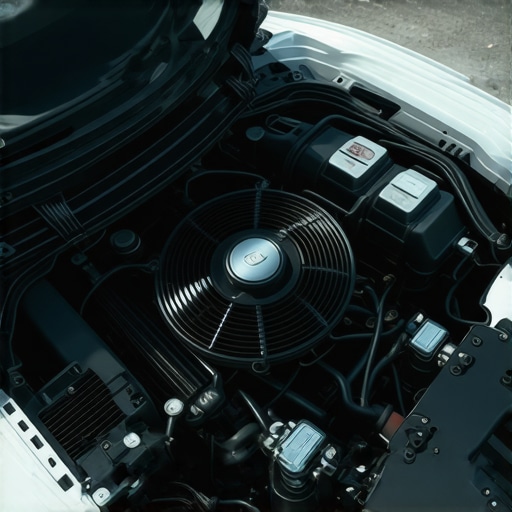
Why your engine fan never stops running after you park
I vividly remember the last time I took my car in for routine maintenance, feeling confident it was just another oil change. But as I pulled out of the shop, I noticed something strange: the engine fan kept roaring even after I turned off the ignition. It was loud, persistent, and honestly a bit alarming. That lightbulb moment made me realize I wasn’t alone — many drivers experience this odd behavior, and it can be downright frustrating. Over the years, I’ve learned that this is more than just an annoyance; it can point to underlying issues that might impact your vehicle’s health if left unchecked.
When the Engine Fan Runs Non-Stop: What’s Going On?
Have You Ever Wondered Why This Happens?
This is a common concern among car owners, and I’ve been there myself. The engine cooling fan is designed to turn on when the engine reaches certain temperatures, helping prevent overheating. But if it keeps running after you’ve parked, it could be a sign that your car’s cooling system is working overtime — sometimes unnecessarily. Early on, I made the mistake of ignoring this behavior, thinking it was just a quirk. But neglecting it can lead to increased wear on your fan motor or, worse, overheating issues.
One interesting fact I found is that prolonged fan operation can sometimes be caused by a faulty coolant temperature sensor, which fools your car into thinking it’s overheating. According to automotive experts, a malfunctioning sensor can cause the fan to stay on indefinitely, wasting energy and putting strain on components.
If this sounds familiar, don’t worry — in this post, I’ll guide you through the clues to watch for and the practical steps to diagnose and resolve this issue. Whether it’s a simple fix or a more complex problem, understanding what’s really happening can save you time and money. Ready to dig deeper? Let’s explore the main reasons behind this pesky problem and how to get it under control.
Start with a Basic Inspection
Before diving into complex diagnostics, ensure your vehicle is cooled down. Open the hood and look for obvious signs like loose wiring or debris around the cooling fan. I recall once during a routine check, I noticed a tangled branch caught in the fan blades, causing it to run continuously. Clearing debris is a quick fix that can resolve simple causes of fan running nonstop.
Test the Coolant Temperature Sensor
The coolant temperature sensor is a common culprit. To test it, locate the sensor (usually near the thermostat housing), disconnect its connector, and check the resistance with a multimeter—consult your vehicle’s manual for specific resistance values. I once replaced a faulty sensor myself after reading an online tutorial; afterward, the fan behavior normalized. If you’re uncomfortable with this process, consider scheduling a visit through our contact page.
Inspect the Fan Relay and Wiring
The relay acts like a switch that controls power to the fan. Swap the relay with a similar one in your fuse box to see if the issue persists—this is an easy way to test. In my experience, a sticking relay caused my fan to stay on, but swapping it resolved the problem instantly. Look for signs of corrosion or damage in the wiring connections. If unsure, an ASE-certified technician can conduct a thorough electrical system diagnosis – check out this guide for more on certification importance.
Examine the Cooling Fan Motor
If all previous checks pass, the motor itself might be at fault. To test, disconnect the fan from the wiring harness and apply direct power to see if it spins freely. Be cautious—use insulated gloves and a power source matching the motor’s voltage. A seized or sluggish motor needs replacement. Remember, a failing fan motor can cause your car to overheat, so prompt action helps prevent costly engine damage, similar to avoiding transmission issues discussed here.
Ensure Proper coolant Levels and Thermostat Function
Low coolant or a faulty thermostat can cause the engine to run hotter, triggering the fan to turn on continuously. Check coolant levels cold, and top off if necessary. Test the thermostat by observing engine temperature; if it takes too long to warm up or the engine overheats quickly, replacement might be needed. Regular maintenance like oil changes, detailed in this article, helps prevent cooling system issues.
Consider Software and ECU Reset
Sometimes, the engine control unit (ECU) might get ‘confused,’ leading to improper fan operation. A simple reset can fix this: disconnect the battery for 15 minutes (use caution if your vehicle has complex electronics). Alternatively, a professional diagnostic scan can identify faulty signals. If the problem persists after hardware checks, software updates or ECU reprogramming by a certified mechanic may be necessary—learn more about certified diagnostics here.
By systematically following these steps, you move from guessing to precise diagnosis. Remember, complex issues like transmission repairs or engine management systems benefit from professional expertise. For tailored assistance, consider reaching out to trained specialists who understand the intricacies of vehicle maintenance and repair.
When it comes to maintaining your vehicle, many car owners rely on common beliefs that can lead to costly mistakes. One widespread misconception is that all oil changes are essentially the same, regardless of the type of oil used or the service interval. In reality, as experts emphasize, choosing the right oil and adhering to manufacturer-recommended intervals—especially with synthetic options—can significantly extend your engine’s lifespan, as detailed in this article.
Furthermore, the prestigious ASE certification is often misunderstood as a guarantee of quality, but it’s actually a baseline credential that doesn’t necessarily reflect a technician’s specialization or experience with your specific vehicle model. While ASE-certified mechanics are trained to standards verified by an independent organization, their expertise can vary, making it crucial to select specialists who have relevant experience, especially with complex systems like transmissions. More about what ASE certification truly signifies can be found here.
A common trap many fall into is believing that transmission service is only necessary when symptoms appear. This reactive approach ignores that preventive maintenance—such as regular fluid changes and filter replacements—can prevent severe transmission issues, including slipping or shuddering. Insights from this expert guide shed light on how neglecting the finer details often escalates into expensive repairs.
So, what’s the hidden nuance most overlook? It’s the importance of understanding that proper maintenance involves more than just ticking boxes. For example, using the correct transmission fluid type and verifying its condition during routine check-ups can make all the difference. Additionally, many assume that once a service is completed, their vehicle is maintenance-free until the next interval, but proactive diagnostics—like checking for early signs of wear or software updates—can catch issues before they become costly. This proactive mindset is crucial, as highlighted in this resource.
In sum, debunking myths—such as “more oil is better” or “any technician can handle complex transmission repairs”—helps you become a smarter car owner. Remember, choosing the right service, being aware of what certifications really mean, and staying one step ahead with proactive maintenance ensures your vehicle remains reliable and safe. Have you ever fallen into this trap? Let me know in the comments.
Investing in Reliable Equipment for Long-Term Maintenance
Staying on top of your vehicle’s health requires more than just basic knowledge—it demands the right tools. I personally rely on a digital infrared thermometer to monitor engine and transmission temperatures accurately; this tool has saved me from costly repairs by alerting me to overheating issues before they escalate. Additionally, a high-quality multimeter is indispensable for diagnosing electrical faults such as faulty sensors or relay problems. I prefer the Fluke 117 for its durability and precise readings, which I’ve found critical in assessing complex systems like the transmission control unit.
Utilizing Software for Precise Diagnostics
Modern vehicles come equipped with an array of sensors and modules that communicate via the CAN bus system. I recommend investing in a good OBD-II scanner like the BlueDriver or Autel MaxiCOM, which provide comprehensive real-time data, freeze frame information, and trouble code explanations. Using these tools, I’ve been able to identify issues such as malfunctioning transmission solenoids or sensor discrepancies quickly, saving time and money. Software updates from the vehicle manufacturer are equally vital; they often fix bugs and improve system stability, which is why I routinely check for the latest firmware updates through certified diagnostic interfaces.
Practicing Consistent Maintenance Methods
Routine tasks, such as changing oil and inspecting transmission fluid, are foundational. I follow the careful schedule outlined in this article to ensure my vehicle’s longevity. For transmission, I prefer to perform a partial fluid drain-and-fill every 30,000 miles, using the recommended synthetic fluid and a dedicated transmission flush machine. This proactive approach minimizes wear and prevents the notorious shuddering or slipping caused by degraded transmission fluid.
Preparing for Unexpected Future Challenges
Looking ahead, I believe the trend will shift towards integrated diagnostic systems that combine hardware and AI-based analysis. Imagine a diagnostic device that learns your vehicle’s normal operating patterns and alerts you to anomalies instantly. To stay ahead, I suggest owners familiarize themselves with service plans that include software diagnostics, especially for vehicles with advanced driver-assistance systems. Considering the increasing complexity, partnering with ASE-certified technicians adds an extra layer of assurance. Learn more about the importance of certification here.
How do I maintain my vehicle’s transmission over time?
Maintaining your transmission involves regular fluid checks, scheduled fluid replacements with manufacturer-approved synthetic fluids, and monitoring for unusual noises or shifts. Using tools like a quality OBD-II scanner helps spot early warning signs such as stuck solenoids or temperature fluctuations, preventing costly repairs down the road. Incorporating a transmission diagnostic checklist into your routine can keep your car shifting smoothly for years. For an in-depth guide, check out this expert resource and consider trying the advanced tip of performing a periodic transmission fluid analysis with a professional spectroscopic test—an invaluable step towards upholding your vehicle’s performance.
What I Wish I Knew When I Started Caring for My Car
One of the most valuable lessons I learned is that not all mechanics are created equal, and the importance of choosing ASE-certified technicians cannot be overstated. Early on, I trusted a friend’s suggestion, only to realize that their experience with my vehicle’s specific needs was limited. Now, I always verify credentials through reputable sources like this explanation. Additionally, I discovered that understanding the intricacies of transmission maintenance, such as recognizing signs of impending issues, allows me to address problems proactively instead of reactively.
Another lightbulb moment was realizing how simple tools—like a good OBD-II scanner—can save hours and hundreds of dollars by providing real-time diagnostics. It’s a game-changer for DIY enthusiasts and car owners who want to stay ahead of costly repairs. Lastly, I learned that regular oil changes using the appropriate synthetic oil can significantly prolong engine life, a fact I wish I had appreciated sooner, as detailed in this resource.
Tools and Resources that Elevated My Car Care
Over time, I’ve come to rely on a few trusted tools. My top recommendation is the BlueDriver OBD-II scanner for its comprehensive diagnostics and ease of use. I also trust high-quality multimeters like the Fluke 117, which help me assess electrical issues with confidence. For ongoing education, books like Automotive Repair & Maintenance by CarTech have deepened my understanding beyond the basics. These resources empower me to make informed decisions and communicate effectively with professionals, ensuring my vehicle gets proper care.
Your Next Step Could Change Everything
Remember, the journey to vehicle reliability isn’t just about following routine checks—it’s about cultivating a mindset to learn and ask questions about each repair or maintenance step. Whether it’s confirming your mechanic’s certifications or understanding how a small issue with the cooling fan might signal a bigger problem, being proactive is key. Investing in proper tools and knowledge makes your vehicle’s longevity a shared responsibility, ultimately saving you time, money, and stress. Now, I challenge you to reflect: Have you ever ignored a warning sign that turned into a costly repair? Share your experience below and start your journey toward smarter car care.