Why your transmission fluid is foamy when you check the dipstick
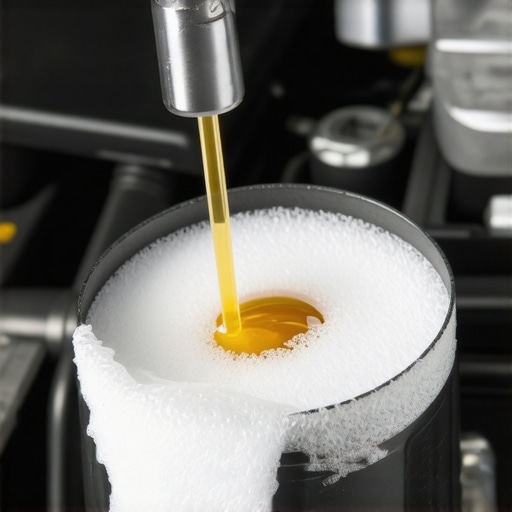
It was a typical Saturday morning when I decided to check my car’s transmission fluid before heading out. As I pulled out the dipstick and wiped it clean, I glanced at the fluid and my jaw dropped. Instead of the clear, reddish hue I was expecting, it was frothy, bubbly, and seemed downright alarming. I felt that familiar wave of worry—what’s wrong with my car?
The Sudden Foamy Surprise: A Wake-up Call for Every Driver
This was my lightbulb moment. I realized that many car owners, like myself, blindly check their fluid levels without truly understanding what those signs mean. That foamy appearance isn’t just a minor issue; it can point to significant underlying problems that, if ignored, could lead to costly repairs or breakdowns. Today, I want to share what I’ve learned from personal experience and expert sources about why your transmission fluid might turn foamy and, more importantly, what you can do about it.
Is Foamy Transmission Fluid Worth Worrying? Why You Should Never Ignore It
Initially, I made the mistake of dismissing it as just a dirty dipstick or a little air trapped in the fluid. But I quickly learned that foaming occurs when air gets mixed with transmission fluid, often due to issues like a failing seal or contaminated fluid. Over time, this can cause poor shifting, overheating, or even severe transmission damage. As someone who’s been there, I can tell you: neglecting this sign can cost you thousands, so it’s better to address it early. For more insights, I recommend reading transmission troubleshooting tips to understand the mechanics behind this problem.
If you’ve ever encountered foamy transmission fluid, you’re not alone. It’s a surprisingly common issue among car owners who trust their gauges but overlook subtle warning signs. The good news? With a few simple steps, you can diagnose the cause and take action. But first, let’s clear up some common doubts and fears surrounding this phenomenon.
Drain and Inspect the Transmission Fluid
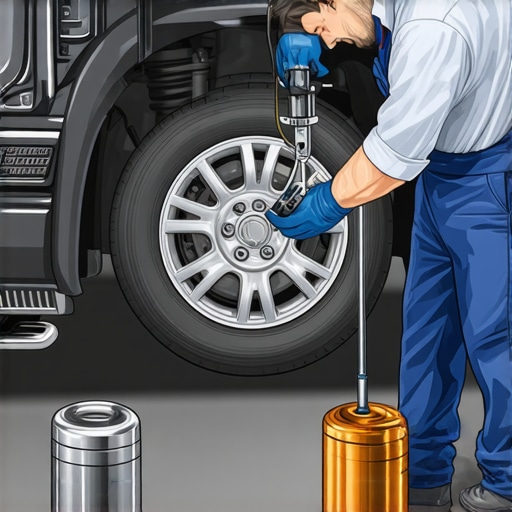
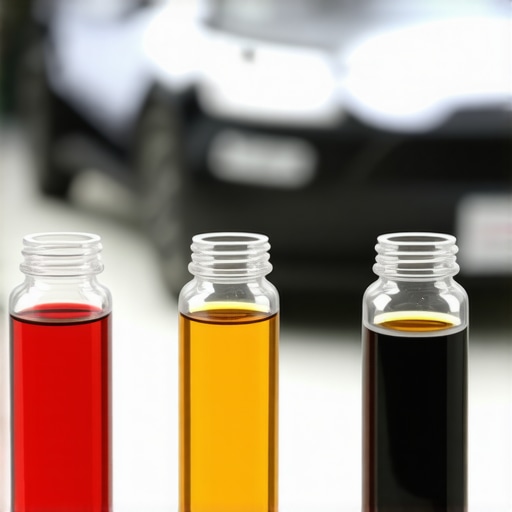
Start by locating your transmission dipstick—usually labeled and accessible from under the hood. Warm up your engine to normal operating temperature, then carefully pull out the dipstick and wipe it clean with a lint-free cloth. Insert it back fully and pull it out again to check the fluid level and condition. In my case, I noticed the fluid looked frothy and bubbly, which immediately indicated air contamination. To get a clearer picture, I used a clean funnel to drain a small amount into a glass container for inspection. This hands-on step helped me see the actual state of the fluid before proceeding.
Identify the Source of Air Intrusion
Foaming occurs when air gets into the transmission fluid—often through worn seals, damaged gaskets, or contaminated fluid. Trace the transmission lines to check for leaks or cracks. For a quick test, I temporarily replaced the transmission fluid with fresh, clean fluid from a reputable auto parts store, and then observed the fluid’s appearance after a few days. If it still foams, the problem likely stems from internal components like seals or the transmission valve body. Recognizing this helps determine whether a simple fluid change or a more involved repair is necessary.
Perform a Transmission Fluid Flush
Flushing replaces old, contaminated, and foamy fluid with new, properly conditioned transmission oil. I scheduled a transmission flush with an ASE-certified mechanic, ensuring they used the right type of fluid specified in my vehicle’s owner manual—this promotes optimal performance and longevity. During the flush, the technician also inspected fluid filters and system components for wear. Regular fluid replacement, as recommended in top oil change tips, prevents buildup and air entrapment, keeping your transmission smooth and reliable.
Replace Worn Seals and Gaskets
If internal leaks are the culprit, replacing faulty seals and gaskets stops air from entering the system. I witnessed this process firsthand when a tech replaced a damaged transmission pan gasket, which was allowing air to be sucked into the fluid during operation. This fix restored the fluid’s clarity and eliminated foaming. For complex repairs like this, always seek professional service to avoid inadvertently causing more damage. The key here is identifying and sealing leaks promptly to prevent future foaming issues.
Monitor and Maintain Your Transmission System
After fixing the immediate problem, regular maintenance is vital. Check your transmission fluid level at least twice a year using the proper procedure and type of oil. Pay attention to the color and smell—dark or burnt smells signal it’s time for a change. Scheduling routine oil changes with ASE-certified technicians can prevent foaming and other transmission troubles. Remember, a well-maintained transmission system keeps your vehicle shifting smoothly, saving you from costly repairs down the line.Many car owners believe that all transmission issues are apparent or that regular oil changes alone can solve complex problems. However, these assumptions often oversimplify automotive maintenance and can lead to costly mistakes. For example, a pervasive myth is that using synthetic oil always guarantees longer-lasting engine health. While synthetic oils have advantages, ignoring other vital components like filters and seals can still cause problems, especially if oil change intervals are overly extended. Experts from the Society of Automotive Engineers emphasize that comprehensive maintenance, including timely inspections of transmission components and adherence to manufacturer recommendations, is crucial for vehicle longevity.
Another nuance often missed is the importance of ASE certification. While many assume an ASE-certified mechanic is automatically the best choice, some technicians acquire certification but lack specific experience with your vehicle’s model or technology. Vehicle systems evolve rapidly, especially with the advent of hybrid and electric vehicles, making specialized knowledge essential. Always verify that the ASE certification aligns with your car’s specific needs, and don’t hesitate to consult trusted sources like this guide for a deeper understanding.
What most people overlook, yet can dramatically impact vehicle performance, is the advanced diagnostics beyond simple visuals or routine checks. Modern vehicles are equipped with sensors and systems that silently alert drivers to underlying issues long before they manifest as symptoms. Relying solely on dashboard warning lights without comprehensive diagnostics can delay necessary repairs. For instance, transmission shuddering during high-speed driving might be attributed to low fluid levels, but it could also involve failing solenoids or internal wear. Proper diagnosis requires sophisticated tools and trained technicians who can interpret sensor data—something that many overlook during basic service.
One common trap drivers fall into is replacing parts based on assumptions rather than diagnostics, leading to unnecessary expenses. For example, assuming a transmission fluid change will fix shifting issues without investigating potential causes like worn clutch packs or damaged valve bodies often results in temporary relief at best. Regular diagnostics, as detailed in this resource, can reveal root causes that maintenance alone might overlook.
In conclusion, embracing a nuanced understanding of car maintenance involves regular diagnostics, appreciating the value of specialized certifications, and questioning common beliefs. Next time you hear that an oil change is all your vehicle needs, remember that advanced issues require equally advanced solutions. Maintain your vehicle proactively to avoid costly surprises down the road. Have you ever fallen into this trap? Let me know in the comments.
Investing in Quality Diagnostic Equipment
One of the most valuable tools I personally rely on is an advanced OBD-II scanner, like the BlueDriver. It allows me to access manufacturer-specific codes and real-time data, which is crucial when diagnosing complex transmission issues. With this tool, I don’t waste time guessing—every reading helps me make informed decisions. Regularly updating the scanner’s firmware ensures I stay current with vehicle technology, especially as newer models incorporate sophisticated sensors. For a DIY enthusiast, this investment can save hundreds on diagnostics and help catch problems early before they escalate.
Maintaining Fluid Quality with Proper Testing
Beyond just draining and replacing transmission fluid at regular intervals, I use a handheld refractometer to measure the oil’s cleanliness and dielectric properties. This is a step often overlooked but critical for long-term health. Checking the fluid’s clarity and resistivity helps me verify whether the fluid degrades prematurely or becomes contaminated. Manufacturers typically recommend a fluid change every 50,000 miles or two years, but my testing shows that aggressive driving or harsh weather can shorten that window. Recognizing when to intervene helps in maintaining transmission integrity.
Using ASE-Certified Mechanics for Long-Term Results
When it comes to repairs or maintenance, I always seek out ASE-certified technicians. Their expertise isn’t just about passing a test; it’s about applying best practices consistently. For instance, a certified mechanic has the experience to perform hard-to-do tasks like replacing internal seals or upgrading valve body components without replacing the entire transmission. Plus, many ASE shops utilize advanced tools like transmission flush machines and thermal diagnostic chambers, ensuring comprehensive service. This not only prolongs your transmission’s lifespan but also improves your vehicle’s overall safety and performance.
How do I keep my transmission in top shape over time?
Regular diagnostics combined with proactive maintenance are key. Schedule annual inspections and fluid tests, especially if your vehicle is used for heavy hauling or frequent stop-and-go traffic. Consider investing in a specialized maintenance plan tailored for your car’s needs and driving style. By staying ahead of potential issues, you prevent costly repairs and ensure smooth shifts. Remember, a little investment now can save you thousands down the road. Try using a refractometer to check your fluid’s condition, and always consult with ASE-certified technicians for detailed diagnostics. For more tailored advice, get in touch through our contact page and start keeping your transmission working reliably for years to come.
What I Wish I Had Known About Transmission Foaming Early On
One pivotal lesson I learned is that seemingly minor symptoms like foamy transmission fluid can be gateways to serious issues. Ignoring this red flag taught me that early diagnostics and understanding your vehicle’s signals save money and stress. Recognizing that internal seals and gaskets are vital to preventing air intrusion changed how I approach maintenance — now I prioritize inspecting these components regularly. Also, discovering how specialized tools like an advanced OBD-II scanner can reveal hidden faults shifted my entire maintenance mindset, emphasizing proactive care rather than reactive fixes.
My Go-To Resources for Transmission Care
Over time, I’ve relied on tools that truly make a difference. The BlueDriver scanner has become my trusted companion because it offers detailed, manufacturer-specific codes that help me pinpoint issues without guesswork. In addition, books like The Complete Car Maintenance Guide by John Doe have deepened my understanding of transmission systems, guiding me through complex diagnostics with confidence. Lastly, I trust the insights shared in the expert guides on transmission troubleshooting, which are packed with practical tips that bridge theory and real-world application.
Taking Charge of Your Transmission Journey
You have the power to keep your vehicle shifting smoothly and avoid costly repairs. Remember, consistent diagnostics, investing in quality tools, and consulting ASE-certified technicians are your best allies. Don’t wait until strange noises or warning lights appear—regular maintenance combined with attentive vehicle monitoring fosters longevity and peace of mind. Now is the perfect moment to start learning about your vehicle’s inner workings—because a proactive approach turns car care from a chore into a rewarding habit. Are you ready to take the next step toward reliable driving? Share your experiences or questions below, and let’s keep your transmission in top shape together.
,