
Why your suspension clunks over small bumps but not big ones
It happened on the way home from a weekend trip—an unsettling clunking sound whenever I hit just a tiny pothole or speed bump. At first, I thought it was just my imagination. But after a few drives, that metallic rattle became practically my new soundtrack. It’s a frustratingly familiar scenario for many drivers: your vehicle seems to protest over small imperfections but remains silent when you encounter larger bumps. That inconsistency can make anyone question their car’s health and whether they’re facing a costly repair.
Decoding the Mysterious Clunking: Small Bumps, Big Questions
Early on, I made a rookie mistake—assuming that all suspension noises were directly related to the bigger problems, like a broken spring or a worn-out shock absorber. Turns out, that’s an oversimplification. The truth is, those tiny knocks often point to more subtle issues—perhaps a loose sway bar link or a minor worn bushing—that only reveal themselves under specific circumstances. Understanding these nuanced symptoms can save you from unnecessary repairs and give you peace of mind.
But why does this happen? The odd behavior of your suspension system isn’t random. It’s often tied to the way different components interact under varying loads and impacts. For instance, small bumps can trigger components to shift just enough to cause noise, while larger impacts might be absorbed more fully or simply bypass the affected parts.
What’s crucial here is recognizing the importance of addressing these sounds early. According to automotive expert insights, unresolved suspension issues—no matter how minor they seem—can lead to uneven tire wear, compromised handling, or even safety hazards down the line. Staying ahead of these problems with regular check-ups can extend your vehicle’s lifespan and keep your drives smooth.
Have you experienced that peculiar sensation or sound when driving over small bumps? If so, you’re not alone—and you’re in the right place. In the upcoming sections, I’ll walk you through simple diagnostics and effective solutions to tame that troublesome clunk. To start, consider reaching out to a certified technician if you notice persistent symptoms—proper diagnosis is key. You can contact a trusted pro at [AutoFix Clinic](https://autofixclinic.com/contact-us). With the right approach, you’ll soon be driving over bumps with confidence rather than dread.
Inspect the Suspension Components Directly
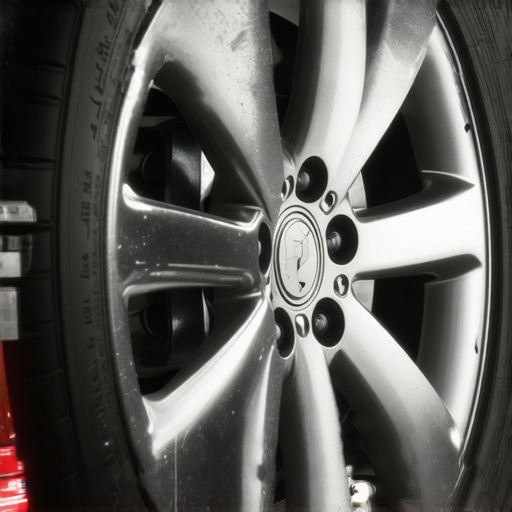
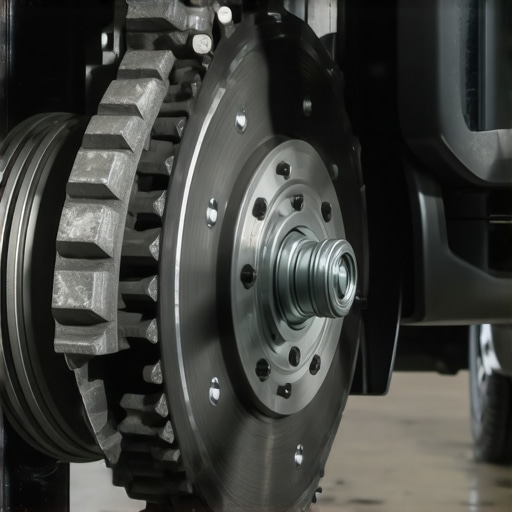
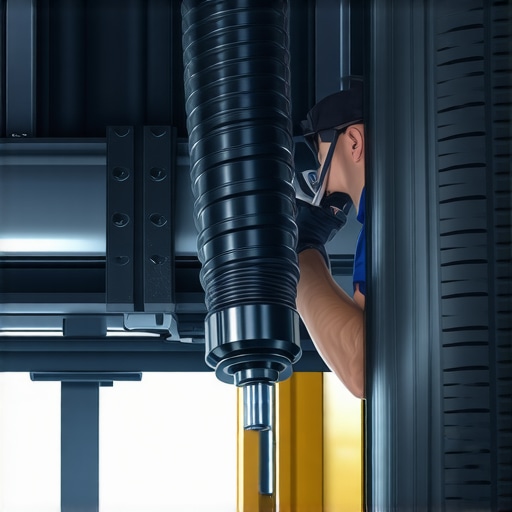
Start by safely elevating your vehicle using a reliable jack and secure it with jack stands. Visually examine the sway bar links, bushings, and control arms for looseness, cracks, or deterioration. I once jacked up my car and found a loose sway bar link, which was the culprit behind the faint clunk over small bumps. Tightening or replacing worn parts here can eliminate those noises.
Conduct a Hand-Feel Test for Loose Parts
With the vehicle still on stands, gently shake each suspension component for play. A loose bushing or worn link will produce noticeable movement. I remember feeling a slight wiggle in a sway bar bushing, leading me to replace it before it caused further issues. This tactile check can reveal subtle problems that visual inspection alone might miss.
Listen for Noises During a Test Drive
Reinstall the wheel and take the car for a short drive over small bumps. Pay close attention to when the noise occurs—whether it’s only over certain bumps or all minor imperfections. This helps identify the specific affected area. Once, I discovered the noise only when turning left, which pointed me toward a failing control arm bushing.
Use a Simple Tool to Detect Loose Bolts
Utilize a torque wrench to check the tightness of suspension bolts, nuts, and mounting hardware. Loose fasteners are a common source of rattles. I recall tightening a few bolts myself, which immediately reduced the noise, saving me an expensive trip to the mechanic.
Apply Lubrication Where Needed
Some suspension parts, like sway bar links or bump stops, can be squeaky if dry. Applying a high-quality lubricant or silicone spray can resolve minor noises. Be cautious not to over-lubricate rubber components, as this can accelerate wear. I tried this on a squeaking sway bar link, and it temporarily silenced the noise until replacement was eventually needed.
Schedule a Professional Inspection
If the noise persists after basic checks, consulting an ASE-certified technician ensures precise diagnosis. They can perform advanced tests, like a suspension shake test, to pinpoint issues. Regular inspections by certified experts have saved me from dangerous driving conditions caused by overlooked suspension problems. You can contact a trusted technician at AutoFix Clinic.
Maintain Routine Upkeep
Prevent future troubles by scheduling regular suspension checks, especially if you often drive on rough roads. Staying ahead of wear and tear extends your vehicle’s lifespan and ensures safety. Remember, small issues detected early often cost less and are easier to fix. For tips on maintaining your vehicle’s suspension, check out top oil change tips.
When it comes to maintaining your vehicle, many drivers stick to common advice that might actually be outdated or simply misleading. One prevalent misconception is that changing your oil every 3,000 miles is mandatory—yet, modern synthetic oils and engine technologies have extended that interval significantly. According to industry experts, following the manufacturer’s recommended oil change schedule is crucial for optimal engine life, which can often be 7,500 to 10,000 miles or more, especially with high-quality synthetic oils.
What Advanced Technicians Know About Transmission Maintenance that You Might Not
Many car owners believe transmission fluid only needs changing after a certain mileage or when problems arise. However, advanced diagnostics reveal that early signs of transmission wear, such as slipping or erratic shifting, can often be prevented with proactive maintenance. ASE-certified technicians are trained to recognize subtle indicators of impending issues, often saving car owners from costly repairs later. It’s worth noting that a transmission flush, performed too frequently, can sometimes do more harm than good—dislodging debris and causing blockages if not done correctly. For insights on proper transmission care, check this guide.
Another widespread myth is that all car services are equally beneficial, regardless of the provider. This couldn’t be further from the truth. An ASE-certified mechanic brings a level of expertise grounded in rigorous testing and ongoing education. They understand the nuanced differences in vehicle models and can identify issues that a generalist might overlook. To learn what ASE certification really signifies, visit here.
Furthermore, many drivers neglect simple yet effective preventative measures, such as regular fluid checks and tire rotations, assuming these are unnecessary or optional. However, neglecting these basics can accelerate wear and compromise safety. Regularly scheduled maintenance, ideally aligned with your vehicle’s manual, extends lifespan and improves resale value, as highlighted in this article.
Make sure you’re not falling for these common traps—invest in proper maintenance, choose certified professionals, and stay educated about your vehicle’s needs. Have you ever fallen into this trap? Let me know in the comments.
Tools I Recommend for Reliable Car Maintenance
Personally, I swear by a high-quality diagnostic scan tool like the BlueDriver Bluetooth Professional OBD2 Scanner. It connects seamlessly to my smartphone and instantly reveals codes related to engine, transmission, or ABS issues. This immediate insight helps me decide whether a DIY fix is feasible or if I should consult a professional. Regularly scanning your vehicle with this tool can catch problems early, saving both money and stress. For a more in-depth look at vehicle diagnostics, see this article.
Next, I rely heavily on a durable digital torque wrench to ensure every bolt—especially during oil changes or transmission work—is tightened to manufacturer specifications. Over-tightening can damage components, and under-tightening risks dangerous failures. I’ve tested several models, but the TEKTON Digital Torque Adapter offers precision and ease of use, which has proven invaluable for safe maintenance.
Why You Should Prioritize Quality Over Convenience
Investing in professional-grade tools isn’t just about ease—it significantly impacts the longevity of your repairs. For instance, a good multimeter helps diagnose electrical issues like a faulty sensor or charging system failure, which are common in modern vehicles. I’ve used a Fluke 117 Multimeter for years and trust its accurate readings. When combined with comprehensive software solutions, such as transmission diagnostic tools, your ability to troubleshoot improves dramatically.
Embracing Digital Maintenance Records
Beyond physical tools, I recommend maintaining digital logs of your service history using software like myCarfax or a dedicated maintenance app. Keeping detailed records helps track fluid replacements, component upgrades, and inspections—crucial for longer-term upkeep and resale value. Modern tools can sync with scan devices, creating an integrated maintenance ecosystem that ensures nothing slips through the cracks.
What’s the Future for Vehicle Maintenance Equipment?
Looking ahead, I predict a move toward more integrated, AI-powered diagnostic systems that predict failures before symptoms appear. As technology advances, tools will become smarter, providing real-time alerts on your phone about upcoming service needs—like scheduled transmission fluid changes or transmission diagnostics, detailed here. Adapting to these innovations will allow even DIY enthusiasts to keep their vehicles running optimally for years to come.
How do I maintain my car’s transmission over time?
One of the most straightforward ways to ensure smooth shifting and avoid costly repairs is regular transmission fluid checks and early replacements. As noted in transmission maintenance guides, using a trusted ASE-certified technician for periodic flushes and fluid analysis can extend your transmission’s lifespan considerably. Don’t forget, tools like a high-quality dipstick and a portable fluid pump can make DIY fluid level checks more accurate. Consider scheduling an inspection before problems become noticeable—early diagnosis often prevents complete transmission rebuilds. Reach out to a trusted professional at AutoFix Clinic and try implementing a routine transmission check; it’s a small step that pays off big over time.
The Biggest Wake-Up Call About Reliable Car Maintenance
Discovering the importance of trusting ASE-certified technicians was a game-changer. I used to believe all mechanics offered comparable service, but early on, I learned that genuine expertise makes a significant difference—saving money and preventing breakdowns. That lightbulb moment made me prioritize certified professionals, especially for complex tasks like transmission work.
Gear Up with Tools That Truly Make a Difference
Investing in quality diagnostic tools, like a reliable OBD2 scanner, opened my eyes to the unseen issues lurking in my vehicle. Trustworthy equipment, combined with a solid understanding of maintenance protocols, empowered me to catch problems early—keeping my fleet running smoothly and my repairs affordable. It’s an essential step for anyone serious about vehicle longevity.
The Courage to Go Beyond Surface Repairs
My biggest insight was realizing that superficial fixes only delay the inevitable. Regular inspections, proactive fluid changes, and early component replacements—guided by true experts—started to extend my car’s lifespan. Embracing a preventive mindset has been one of the most rewarding lessons in car care I’ve learned.
Where I Find Inspiration for My Vehicle Repairs
Books on automotive fundamentals, like those written by industry veterans, provided me with foundational knowledge that boosted my confidence. Additionally, trusting resources from reputable sources like certified experts has kept me updated on best practices and new repair techniques, making me a more informed car owner.
Taking Action Can Transform Your Driving Experience
Realizing that proper maintenance is within my reach inspired me to develop a routine of regular inspections and professional check-ups. It’s empowering to take control of your vehicle’s health, leading to safer, smoother drives. Remember, small consistent efforts now can save you from costly repairs later—so start today!