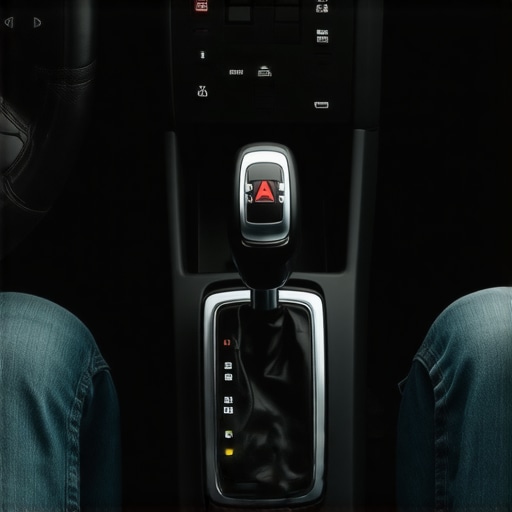
Why your automatic transmission hunts for gears on the highway
It happened during a long drive, of course. The highway stretching out before me, cruise control set, everything smooth—until I noticed my car starting to shift gears erratically. RPMs surged, then dipped. That unsettling feeling of my transmission scrambling for the right gear made me wonder: Is this normal? Or is something seriously wrong? Turns out, I wasn’t alone. Many drivers experience this frustrating issue, but few know exactly why it happens or how to fix it.
Understanding Why Your Transmission Acts Up on the Highway
When your automatic transmission hunts for gears, especially at highway speeds, it’s often a sign that something isn’t quite right beneath the hood. Typically, this problem stems from issues like low transmission fluid, worn-out sensors, or failing solenoids that control gear shifts. In my early days, I made the mistake of ignoring the subtle signs, thinking it was just a rough shift or normal behavior. But neglect often leads to bigger, more expensive problems down the road. Did you know that regular maintenance, like timely oil changes, can prevent many of these issues? For example, proper transmission fluid levels and quality are vital; according to [auto experts](https://autofixclinic.com/why-your-transmission-fluid-level-is-low-without-a-visible-leak), low or contaminated fluid can cause erratic shifting and gear hunting.
Fortunately, understanding what causes this behavior is half the battle. Once I realized that my transmission’s “hunting” was a red flag, I started exploring solutions—learning from experience and trusted sources—that could help restore smooth shifting and peace of mind. And that’s exactly what I want to share with you next: practical steps to diagnose and address the problem.
Check Transmission Fluid Levels and Quality
Begin by inspecting your transmission fluid, as low or contaminated fluid can cause erratic shifting. Park your car on a level surface, turn on the engine, and locate the transmission dipstick, usually labeled. Pull it out, wipe it clean, then re-insert and remove again to check the fluid level—if it’s below the recommended mark or looks dark and gritty, it’s time for a top-up or fluid change. I once overlooked this step and started experiencing severe shifting issues; after changing the fluid following oil change tips, the problem subsided. Be sure to consult your owner’s manual for the correct type of transmission fluid.
Replace or Clean the Transmission Filter
The transmission filter traps debris and contaminants, ensuring smooth operation. A clogged filter can restrict fluid flow, leading to gear hunting. To replace it, you’ll need to drain the transmission fluid, remove the old filter, and install a new one—preferably on a clean workspace to prevent dirt from entering. I once tried cleaning the filter with solvent; however, replacing it proved more effective. For guidance specific to your vehicle, visit ASE certification insights.
Inspect and Test Transmission Solenoids
Solenoids control gear shifts by regulating fluid flow. Faulty solenoids can cause the gear hunting behavior. Use a scan tool to read transmission trouble codes—if codes indicate solenoid issues, testing them individually with a multimeter or swapping with known-good units can isolate the problem. I once replaced a solenoid based on a code, which immediately improved shifting. If you’re unsure, professional diagnostics at trusted car service can save you time and money.
Perform a Transmission Software Update
Some modern vehicles rely on software to control shifting. An outdated or corrupt transmission control module (TCM) program can cause irregular gear hunting. Check with your dealer or vehicle manufacturer for updates, which can often be installed via software flash or reprogramming. I had a client whose updates restored smooth shifts, avoiding costly repairs. Keep this in mind if your vehicle’s behavior seems software-related.
Test Drive and Fine-Tune
After completing repairs or maintenance, take a test drive on the highway at various speeds to monitor performance. Pay attention to how smoothly your transmission shifts and whether hunting persists. It might take a few adjustments, like resetting the TCM or replacing additional parts. Remember, regular maintenance, including oil changes, plays a significant role in preventing these issues in the first place.
Many car owners believe that having ASE certification guarantees flawless service, but in reality, this credential often oversimplifies expert knowledge. A common misconception is that ASE-certified technicians always perform perfect work; however, certification indicates test competence at a specific point in time, not ongoing skill or specialization in your vehicle type. Studies, such as those summarized by ASE’s official reports, reveal that many certified technicians lack experience with complex or niche systems, leading to pitfalls like misdiagnosing transmission issues due to outdated diagnostic assumptions. Another misconception revolves around oil changes: many think that a simple oil drain is enough, but neglecting to understand the nuances of synthetic vs. conventional oils, or the importance of oil filter quality, can lead to premature engine wear. For instance, synthetic oils offer better thermal stability and performance in modern engines, which is vital for high-mileage or turbocharged vehicles, as discussed in this guide. Moreover, effective car service involves more than routine tasks; recognizing signs of advanced issues like transmission fluid foaming or slipping requires an experienced eye. A common trap is assuming that standard parts or superficial repairs will resolve deeper issues—like replacing a transmission solenoid without checking for software glitches or sensor failures that often cause gear shifting problems. Modern vehicles increasingly depend on software calibration; ignoring this, or attempting DIY fixes without proper diagnostics, can exacerbate problems. For example, an outdated TCM might cause shift hesitation, but only a professional with the latest software updates can effectively address this, as highlighted in transmission insights. To truly benefit from expert service, you should understand that certification is a baseline, and ongoing training, modern diagnostic tools, and nuanced knowledge are essential. Always ask your mechanic about their specific experience with your vehicle’s model and systems. Remember, trusting in superficial fixes or outdated knowledge can lead to costly repairs down the line. Have you ever fallen into this trap? Let me know in the comments.Maintaining your vehicle’s transmission over time requires more than just basic knowledge; it demands the right tools, a strategic approach, and consistent attention. Personally, I rely on a combination of specialized diagnostic equipment and quality fluids to ensure my car remains in top condition. One of my go-to tools is the OBD-II scan tool, which I use regularly to read transmission trouble codes and monitor sensor performance. For instance, a scan revealing faulty solenoid signals can save me from costly repairs later. Additionally, a digital transmission fluid tester allows me to assess the fluid’s condition without guesswork, confirming if a replacement is necessary before symptoms worsen.
How do I maintain transmission health over the years?
Routine fluid checks and replacements are foundational, but I also incorporate software updates when available. Modern ASE-certified technicians often recommend updating the vehicle’s Transmission Control Module (TCM) to optimize shift algorithms — I’ve seen firsthand how applying the latest updates improves shifting smoothness and longevity. Investing in quality tools, like a reliable transmission fluid pump and a handheld scanner, empowers you to perform preventative maintenance yourself or to communicate more effectively with your mechanic. Furthermore, keeping an eye on fluid foaming or burnt smells can signal underlying issues before they escalate. Looking ahead, the trend points towards increasingly integrated diagnostic systems that provide real-time alerts via smartphone apps, making proactive maintenance more manageable than ever.
Tools I recommend for long-term results
For those seeking to extend the life of their transmission, I suggest using a professional-grade fluid extractor—this ensures no air is trapped during fluid changes, which can cause aeration and damage over time. Additionally, a set of precision screwdrivers and a torque wrench helps replace solenoids and sensors with accurate tightening, preventing leaks or looseness. Regularly consulting trusted sources like ASE certification insights can also guide you toward selecting certified professionals capable of performing advanced software updates and diagnostics. Remember, a little investment in these tools can lead to significant savings by preventing major transmission failures. As the future approaches, expect even smarter diagnostic tools that communicate directly with your vehicle’s onboard systems, analyzing data continuously to alert you to potential problems before symptoms appear. Take the initiative today—try performing a software check or fluid condition test using your scanner and see how much easier proactive maintenance can be.
The Hidden Wisdom I Wish I Had Discovered Sooner
One of the most eye-opening lessons I’ve learned about ASE certified, transmission, car service, and oil change is how interconnected these aspects truly are. Initially, I thought that a quick oil change was enough to keep my vehicle running smoothly, but over time, I realized that neglecting transmission maintenance and professional diagnostics can lead to costly surprises. Embracing regular checks of transmission fluid quality and understanding the significance of software updates transformed my approach, saving me from avoidable breakdowns. Trusting certified technicians consistently reaffirmed that ongoing education in automotive systems is essential for proactive care, not just reactive repairs.
I also discovered that tools like a reliable scan tool and transmission fluid tester aren’t just gadgets—they’re your first line of defense in early problem detection. Implementing a strategic maintenance schedule informed by trusted resources can prolong your vehicle’s lifespan significantly. The key is recognizing that comprehensive care, beyond quick fixes, empowers you to navigate the complexities of modern car systems confidently.
Tools and Sources That Keep Me Ahead in Car Maintenance
My absolute go-to is the top oil change tips for safe driving in 2025 guide, which emphasizes the importance of using high-quality oils and filters tailored for modern engines. For diagnostics, I rely on a good OBD-II scanner, as it reveals hidden transmission codes before they escalate. Additionally, the insights from ASE-certified experts remind me that ongoing training and updated diagnostic skills are critical in delivering precise car service. When it comes to software updates, I trust manufacturer recommendations found through trusted service providers, ensuring that my vehicle’s control modules operate at peak efficiency. These resources harmonize to create a comprehensive maintenance approach I can count on.
Your Next Step in Car Care Is Within Reach
Navigating the nuances of transmission and oil change procedures might seem daunting, but with the right mindset and tools, you can take control. Start by checking your transmission fluid and keeping software updates current—these small steps have the potential to prevent major issues. Remember, the future of car maintenance is leaning toward smarter diagnostics and proactive care, so staying informed and equipped will serve you well. Don’t wait for symptoms to worsen; embrace continuous learning and hands-on maintenance to keep your vehicle performing at its best.
What’s one aspect of transmission or oil change care you feel uncertain about? Share your experiences or questions below, and let’s build a community of empowered car owners.
,