Why your steering feels stiff in the morning but loosens up later
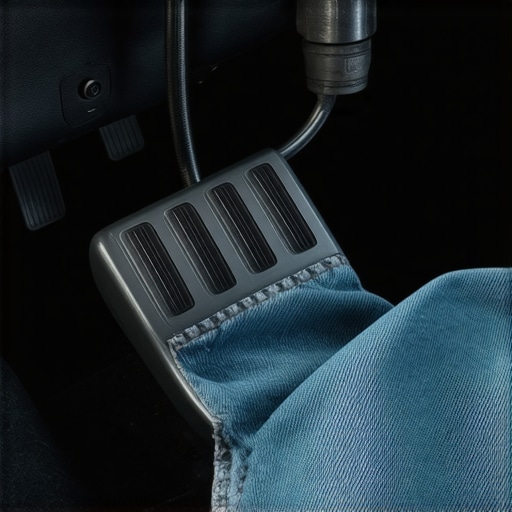
Ever had that moment when you hop into your car in the morning, and the steering wheel feels like it’s made of concrete? Just minutes later, it’s as if the whole system has warmed up and becomes smooth and responsive. That frustrating stiffness can catch you off guard, especially on cold mornings when you’re eager to start your day. I remember the first time I experienced this—thinking my car was about to break down or needed urgent repairs. Turns out, it’s a common issue, but understanding what’s happening can save you time, money, and a lot of stress.
Getting to the Root of the Morning Stiffness
Our cars are complex machines, and a bunch of factors contribute to that initial stiff steering. One big culprit is the temperature-sensitive nature of hydraulic systems and power steering fluids. When it’s chilly outside, the fluid thickens, making it harder for the system to operate smoothly. Additionally, some vehicles rely on components that contract in cold weather, which can temporarily impair steering responsiveness. This isn’t necessarily a sign of something severe—more like the car’s way of saying, “Hey, it’s cold out here!”
Having experienced this myself, I initially thought I had a failing steering rack or low power steering fluid. I learned that simply checking the fluid levels and ensuring they’re clean could make a significant difference. Also, warming up the vehicle for a few minutes before driving can prevent that heavy, resistant steering. Not too long ago, I came across a fascinating fact: According to Automotive Maintenance USA, cold temperatures can increase hydraulic fluid viscosity by up to 30%, directly affecting steering ease. Knowing this, I started giving my car extra time to warm up on cold mornings, and the stiffness diminished considerably.
Is the Fix Really That Simple?
Many folks, including myself early on, underestimate the importance of regular vehicle maintenance. The mistake I made was ignoring the condition of my power steering fluid, thinking replenishing it was unnecessary. But over time, I realized that fluid degradation and leaks can exacerbate cold-weather steering issues. Ensuring the right type of power steering fluid, as recommended by your vehicle’s manufacturer, and keeping it at proper levels can prevent mornings from being frustratingly stiff. For more insights, check out why regular oil changes matter. Plus, a quick visit to your trusted mechanic can confirm if your steering components are in tip-top shape or need attention.
Next, we’ll explore practical steps you can take right now to ease that morning stiffness and keep your steering system running smoothly, no matter how cold it gets outside.
Warm Up Your Vehicle Before Driving
Start your engine and let it run for at least 3-5 minutes during cold mornings. This simple step allows the hydraulic fluid to heat up, reducing viscosity and ensuring smoother steering. I once forgot to warm up my car before leaving, and I struggled with stiff steering for the first few blocks, but after getting into the habit of a brief warm-up, the mornings felt way more comfortable.
Check and Maintain Power Steering Fluid
Inspect your fluid level and condition regularly. Low or degraded fluid hampers the hydraulic system, especially in cold weather. To do this, locate the reservoir—usually under the hood—and remove the dipstick or cap. Wipe it clean, re-insert it, then check the level against the markings. If it’s low, top it up with manufacturer-approved power steering fluid. Remember, using the wrong type can worsen stiffness or cause damage, so consult your vehicle manual or visit your trusted mechanic. I once replaced my fluid myself, and the improvement was immediate, turning a chore into a smooth experience.
Choose the Correct Fluid for Your Vehicle
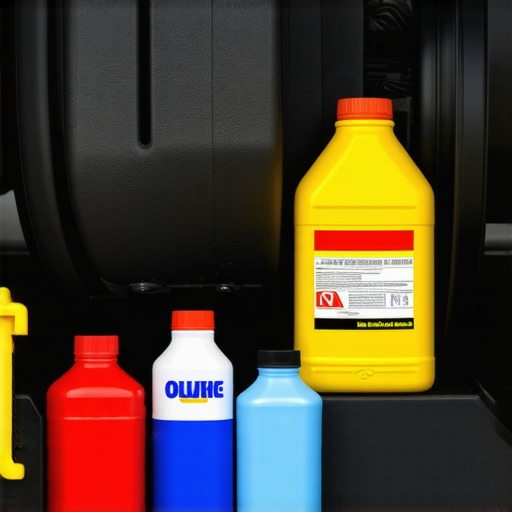
Not all power steering fluids are created equal. Some vehicles require synthetic fluids that perform better in low temperatures. If you’re unsure, check your owner’s manual or ask a professional. Using the wrong fluid could result in poor lubrication, increased wear, and stiffness during cold starts. My mechanic advised switching to a synthetic blend, which significantly reduced my morning stiffness in winter.
Inspect and Replace Worn Components
Worn steering racks, belts, or hoses can cause stiffness regardless of fluid. Regular inspections can catch these issues early. If you notice hard steering persistently, it might be time to visit a car service specialist for a thorough check. I learned this after many months of heavy steering, and replacing a worn belt solved my problem entirely, even during the coldest mornings.
Use Proper Tire Maintenance to Assist Steering
Maintaining correct tire pressure reduces steering effort. Under-inflated tires increase resistance, especially when cold, because of increased rolling resistance. Use a reliable gauge to check your tires weekly, particularly during winter. I once noticed my steering was extra stiff after a cold snap, and a quick tire pressure check revealed under-inflation. Inflating them to the optimal PSI made a surprising difference in steering responsiveness.
Drive Smoothly and Avoid Sudden Movements
Aggressive steering or abrupt maneuvers strain the power steering system, especially when fluids are cold. Practice gentle turns and gradual acceleration to reduce stress on components. When I first adopted this habit, I found that my steering felt more natural, and I avoided unnecessary wear on parts. Small, deliberate movements go a long way in maintaining the health of your steering in winter months.
Consider Professional Assistance for Persistent Issues
If stiffness remains despite these steps, it’s time to consult a qualified technician. Persistent stiffness might indicate deeper issues like a failing steering rack or leaks in the hydraulic system. Regular maintenance, including fluid flushes and component inspections, can prevent costly repairs down the line. I once experienced ongoing problems, and a professional diagnosis saved me from a complete steering rack replacement, saving time and money. For comprehensive service options, visit this guide.
Many car owners believe that an ASE certification guarantees flawless service and that all auto repair shops are equally qualified. However, this misconception overlooks the nuances of what ASE certification truly signifies. In reality, ASE certification indicates that a technician has passed a standardized exam demonstrating competence in specific areas, but it doesn’t necessarily reflect ongoing skill, experience, or the quality of service provided. According to automotive expert John Cadogan, a properly certified mechanic can still make critical mistakes if they rely solely on certification without practical experience. For example, a common myth is that ASE-certified shops always use the best parts; in truth, parts quality depends on individual shop policies and budgets. Additionally, many assume that simple oil changes or transmission repairs are straightforward, but improper maintenance—like neglecting to flush transmission fluid at recommended intervals—can lead to costly failures. A study published by the Car Care Council emphasizes that regular oil changes with the right type of oil extend engine life and prevent issues like sludge buildup, which can compromise transmission performance. It’s vital to ask your mechanic about their specific ASE credentials and experience with your vehicle’s make and model. Don’t fall into the trap of assuming all certified shops are equally competent; instead, seek detailed explanations of recommended services and verify their familiarity with complex systems like modern transmissions, which require specialized knowledge. Advanced car systems demand not just certification but the technician’s ability to diagnose and repair intricate components accurately. For example, a misdiagnosed transmission shudder might seem minor but could indicate a deeper issue, such as a failing solenoid, which requires expertise to resolve correctly. Stay proactive by researching your mechanic’s actual experience and using reputable service centers. Remember, the difference between a good repair and a costly mistake often comes down to the technician’s expertise in diagnosing nuanced issues. Want to ensure your car’s transmission stays smooth and reliable? Check out expert insights on transmission maintenance. Have you ever fallen into this trap? Let me know in the comments.
Fostering Long-Term Vehicle Performance with Effective Tools
Maintaining your car’s health requires more than just basic knowledge; it demands the right equipment and methodologies. As someone who has tinkered with vehicles for years, I can attest to the value of specific tools that make preventive maintenance more accurate and less cumbersome. For instance, investing in a quality digital torque wrench ensures that your oil drain plugs and transmission bolts are tightened to manufacturer specifications, preventing leaks and component failure.
One tool I rely on heavily is an automotive scan tool with OBD-II capabilities like the BlueDriver Bluetooth Pro OBD2 Scanner. This device connects seamlessly to my smartphone and provides real-time diagnostics, allowing me to identify issues before they escalate. It’s especially useful for quick code clears after oil change resets or checking for lingering transmission fault codes. Using such a scanner promotes proactive care, potentially saving hundreds on repairs.
Another indispensable device is a high-quality engine timing light, which I use during periodic inspections to verify the ignition system’s precision. Correct timing not only optimizes performance but also extends the life of crucial components like spark plugs and ignition coils. For ongoing oil health, I use a premium oil filter wrench to ensure a leak-proof seal during oil changes, which directly impacts transmission longevity and engine health.
How do I maintain transmission efficiency over time?
Transmission maintenance is often overlooked until noticeable problems arise. I regularly schedule transmission fluid flushes using specialized equipment like the BG 598 REVITALIZER, which reinvigorates the fluid’s properties and inspects internal components during service. This approach extends the intervals between costly repairs and keeps shifting smooth, especially in cold weather. Tools like the transmission diagnostic scanner help diagnose subtle issues early.
Looking ahead, I predict that advancements in AI-driven diagnostic software will revolutionize maintenance routines, making real-time health monitoring accessible to everyday drivers. This evolution will further empower us to preempt failures, especially in critical systems like transmissions or oil circulation.
How to Keep Your Car in Peak Condition Over the Years
Regularly checking fluid levels and quality is fundamental. I suggest setting a scheduled maintenance routine aligned with your vehicle’s manufacturer recommendations, accessible via trusted service providers. Pair this with diagnostic scans before and after major trips to catch anomalies early. Remember, investments in quality tools and consistent practices not only prolong your vehicle’s lifespan but also enhance safety.
Finally, pay close attention to your vehicle’s response. Unusual vibrations, noises, or sluggish responses often hint at underlying issues. Using a high-precision infrared temperature gun to monitor hotspots like the transmission surface or exhaust manifold helps identify problems like overheating or component wear before they cause significant damage.
Try integrating a diagnostic scan session into your next routine. The immediate insight it provides can be eye-opening and empowering, guiding your maintenance efforts with confidence.
The Hidden Lessons I Never Expected to Learn About Cold-Weather Steering
One of the most overlooked truths I uncovered is that not all maintenance is created equal, especially when it comes to winter driving. Regularly topping off my power steering fluid didn’t solve the stubborn stiffness until I learned to pay attention to fluid type and quality. Additionally, I realized that some of my worst cold starts were caused by simple issues like under-inflated tires or worn belts—small details that made a huge difference once addressed. Staying curious and proactive taught me that experience beats theory, and sometimes the simplest fixes save the day.
Tools That Transformed My Approach to Maintaining Vehicle Performance
Investing in a quality OBD-II scanner, like the BlueDriver Bluetooth Pro, turned my car maintenance routine from guesswork to confidence. It allowed me to catch transmission issues early and verify that my fluid exchanges were effective. Similarly, a reliable infrared temperature gun helped me monitor overheating hotspots, preventing costly repairs before symptoms worsened. These tools didn’t just save money—they empowered me to understand my vehicle on a deeper level, turning complex mechanics into manageable tasks.
Embrace the Journey—Your Car Deserves More Than Just Basic Care
Remember, mastering ASE certified car maintenance, especially when facing winter challenges, is a continuous journey. By staying attentive to small signs like steering stiffness, tire pressure, and fluid condition, you’re actively safeguarding your vehicle’s longevity. Every careful inspection and proactive upgrade enhances not only performance but also peace of mind. So, take pride in learning and applying these insights—your car will thank you for the effort.
What’s one small maintenance change you’re excited to try this season? Drop your thoughts below and keep your vehicle running smoothly all winter long!