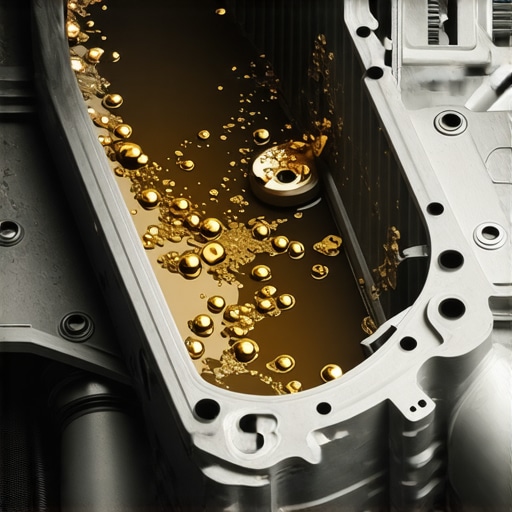
The Hidden Debris in Your Oil Pan That Signals Engine Death
It was late one evening when I realized my car was struggling to accelerate smoothly. The check engine light flickered on, and a strange metal shudder passed through the steering wheel. That moment of panic hit me hard—what was I missing? I had just recently done an oil change, or so I thought. Little did I know, the real danger was lurking beneath the oil pan, silently signaling impending engine failure.
Uncovering the Clues Hidden in Your Oil Pan
Your vehicle’s oil pan isn’t just a reservoir for engine lubrication; it’s also a lookout for internal debris that can spell disaster. Over time, tiny metal fragments, dirt, or broken-off engine components can settle at the bottom. When enough debris accumulates, it can cause significant wear or even catastrophic engine failure.
Many car owners overlook this vital aspect of maintenance, trusting that a simple oil change keeps everything in check. However, neglecting to inspect the oil pan for debris can be like ignoring warning lights on your dashboard—until it’s too late.
During my early days as a car enthusiast, I made a common mistake: I believed that routine oil changes were enough to keep the engine healthy, ignoring the mechanical signs hiding in the oil pan. This oversight almost cost me a costly engine rebuild. It’s a mistake I don’t want others to repeat.
Does this situation sound familiar? Have you ever pulled the drain plug after an oil change and noticed something odd? Maybe tiny metal shavings or a suspicious coloration? If so, you’re not alone. Recognizing these signs early is vital for preventing severe engine trouble.
To understand the importance of this issue, consider that according to automotive experts, overlooked debris in your oil can accelerate engine wear, leading to decreased performance and increased repair costs. Learning **how to identify debris and what it signifies** can save you a lot of trouble.
Ready to dive into the practical steps for inspecting and maintaining your oil pan? Next, we’ll explore how to spot the debris and what actions to take to keep your engine running smoothly.
Gather Essential Tools and Prepare Your Workspace
Start by parking your car on a level surface and engaging the parking brake. Gather a clean container or drip pan, socket wrench set, screwdrivers, gloves, safety glasses, and a flashlight. Make sure the engine is cool before beginning to avoid burns. Clearing space around the vehicle ensures safety and efficiency.
Drain the Engine Oil Properly
Loosen the oil drain plug using a socket wrench and allow the oil to fully drain into your container. Place a rag or cloth underneath to catch any drips. Remember, always dispose of used oil responsibly by taking it to a recycling center or authorized disposal facility. For detailed guidance, check out top oil change tips.
Remove the Oil Pan
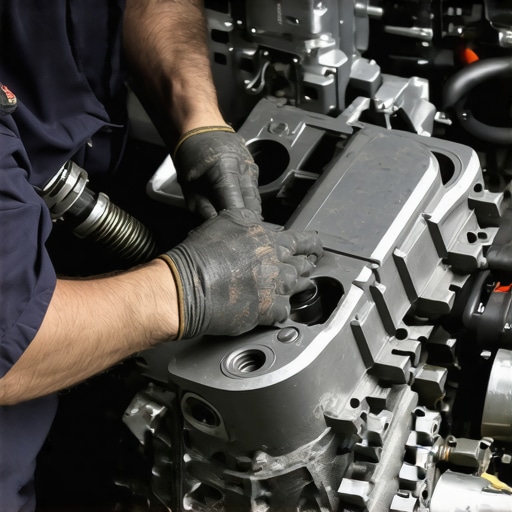
With the drain plug removed, locate the bolts holding the oil pan in place—usually around the perimeter. Use your socket wrench to carefully unscrew them. Be cautious; the oil pan may be heavy or adhere tightly due to sealant or grime. Gently pry the pan loose with a flat screwdriver if necessary, taking care not to damage the mating surfaces.
Inspect the Oil Pan for Debris and Damage
Carefully examine the inside of the oil pan for metal shavings, dirt, sludge, or broken engine components. Use a flashlight to see into all corners. If you find metal fragments or other debris, it indicates internal wear or damage. Look for cracks, warping, or corrosion on the pan itself. This step is crucial because debris in the oil pan can accelerate engine wear and lead to costly repairs. I recall once finding a small metal shard during this step that resembled a tiny screw fragment; it was a sign of a worn bearing, prompting me to visit a trusted mechanic for an accurate diagnosis.
Clean the Oil Pan and Related Components
Use a lint-free cloth or scraper to remove sludge and debris from the oil pan. If necessary, you can wash it with a degreaser or solvent—just ensure it’s completely dry before reinstallation. Inspect the oil pickup screen attached inside the pan; if clogged, clean it thoroughly to ensure proper oil flow.
Reinstall the Oil Pan and Refill with Fresh Oil
Apply a new gasket or sealant as recommended by your vehicle’s manufacturer. Carefully align the oil pan and bolt it back in place, tightening bolts in a crisscross pattern to ensure a proper seal. Reinstall the drain plug and tighten securely. Then, refill the engine with the recommended type and amount of oil, following guidelines from oil change importance.
Start the Engine and Check for Leaks
Once everything is reassembled, start the engine and let it run for a few minutes. Inspect underneath for any oil leaks or unusual noises. Use your flashlight to look inside the oil pan area to confirm there are no leftover debris or blockages. Testing the oil pressure and level afterwards ensures a proper refill.
Even seasoned car owners often fall prey to misconceptions about vehicle maintenance. One pervasive myth is that swapping out oil and topping up fluids suffices for long-term health. In reality, many overlook the nuances that can make or break your engine’s lifespan. For example, assuming all ASE-certified technicians provide equal quality is a mistake—certification indicates a standard, but not necessarily superior service if not paired with honest communication and transparent diagnostics. Advanced drivers recognize that transmission repairs, for instance, aren’t just about replacing fluid but understanding complex shifting issues—sometimes caused by subtle internal wear that a mere fluid change can’t fix. This is why trusting shortcuts or generic advice is risky; it can lead to bigger problems down the line.
Why Do Fake Myths Persist Despite Clear Evidence?
Many car owners believe that frequent oil changes are the sole key to engine longevity, yet neglect the importance of using the correct oil type and addressing internal debris. According to automotive experts, using synthetic oils with proper intervals, as recommended in this detailed guide, significantly reduces engine wear, especially in high-mileage vehicles. The misconception that all oils are interchangeable ignores critical differences impacting performance.
Furthermore, some think that transmission fluid is forever-lasting, but neglect that darkening or burning smell indicates it’s time for a change—neglecting this can cause slippage or overheating, leading to costly repairs. Advanced diagnostics, like live-drive data analysis, have revealed how small transmission issues can quickly escalate if left unchecked, emphasizing the importance of professional assessment over DIY assumptions. Regular, scientifically-backed maintenance routines tailored to your vehicle’s needs prevent premature failures.
Are you aware of the subtleties that differentiate the average from expert maintenance? Recognizing the importance of nuanced service can prevent costly mishaps. For example, understanding when to pursue a complete transmission overhaul versus a simple fluid refill could save thousands. If you’re unsure whether your current mechanic considers these nuances, check out our expert tips for selecting a repair shop that values precision.
Have you ever fallen into this trap? Let me know in the comments. Mastering the subtle details of car service isn’t just for gearheads—it’s essential for any driver who wants their vehicle to run smoothly and last longer.
How do I keep my vehicle running smoothly over time?
Maintaining your car’s health isn’t just about quick fixes—it’s about establishing a reliable routine with the right tools and practices. As someone who values precision and durability in vehicle maintenance, I rely on a combination of advanced diagnostic equipment and quality consumables to ensure long-term performance.
One indispensable tool I personally recommend is a high-quality OBD-II scanner, such as the FIXD Sensor. Unlike basic code readers, FIXD offers detailed diagnostics directly accessible via smartphone apps, helping me identify potential transmission issues early before they escalate. Regular scans, especially when combined with live-drive data, enable proactive maintenance and align with the advice found in transmission care tips.
Another essential piece of equipment is a magnetic oil drain plug from brands like MagTech. This isn’t just for catching debris—it often helps me see the type and amount of wear particles in my oil. Monitoring these particles over time provides insights into engine health, guiding me when to schedule oil changes or more in-depth repairs. In fact, keeping a record of debris levels ties into the long-term benefits outlined in our oil change advice here.
For transmission-specific diagnostics, I use a dedicated device like the Autel MaxiSys. This tool connects to your vehicle’s computer and provides real-time data on fluid temperature, pressure, and shift patterns. It’s especially useful for diagnosing subtle transmission slippage or overheating issues that are not immediately apparent. Given that early detection can prevent expensive rebuilds, investing in such equipment pays off in the long run. The trend in automotive diagnostics points toward increased integration of AI and cloud-based analysis—products like Autel are pioneering this shift.
To complement hardware tools, capable software platforms are vital. I use combination diagnostics with Mitchell 1 and Identifix, which offer comprehensive vehicle repair databases and transmission troubleshooting guides. These platforms keep me updated with manufacturer-specific procedures, aligning with ASE standards here.
Looking ahead, the future of car maintenance seems poised for greater automation and AI-driven diagnostics. Machine learning will enable even earlier detection of mechanical wear, potentially saving thousands in repairs. For now, however, sticking with proven tools like quality OBD scanners, magnetic drain plugs, and diagnostic platforms remains the best approach for dedicated car owners.
I encourage you to try incorporating an advanced diagnostic tool into your routine. Even something as accessible as a smartphone-compatible scanner can revolutionize how you catch issues early and maintain your vehicle longer. Remember, proactive maintenance with the right tools not only extends your car’s lifespan but also keeps you safe on the road.
Throughout my journey into vehicle care, I’ve uncovered lessons that go beyond the basics—lessons that can save you thousands and extend your car’s lifespan. One of the most eye-opening insights was realizing how easily debris in your oil pan can indicate internal wear before any warning lights appear. Ignoring these signs almost cost me my engine, and I want you to avoid the same mistake. If you’ve ever found metal shavings during an oil change or wondered if your vehicle’s performance issues have deeper roots, you’re not alone. Recognizing subtle cues early on allows you to take charge, prevent costly repairs, and keep your ride running smoothly for years to come. Remember, thorough inspections and leveraging advanced diagnostic tools are your best allies in maintaining engine health. For those serious about longevity and performance, adopting these practices can be a game-changer.