How to Remove Tree Sap Without Stripping Your Car’s Clear Coat
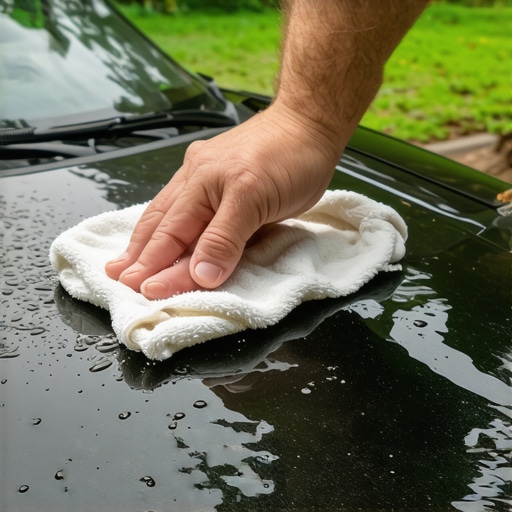
It happened on a sunny Saturday afternoon. I was just about to head out for a quick drive when I noticed that sticky, amber mess on my car’s hood. Tree sap. Right there, glistening in the sunlight, ready to ruin my paint job if I didn’t act fast. I remember feeling that familiar mix of frustration and helplessness—how could something so beautiful, a peaceful walk in the woods, leave such a stubborn mess on my car?
Why Tree Sap Can Be a Real Headache for Your Car’s Finish
Tree sap isn’t just an inconvenience; it’s a threat. If left untouched, it can eat into your clear coat, causing paint discoloration and even permanent damage. For years, I struggled with trying different tricks, from harsh solvents to scraping with tools I wasn’t sure about. Early on, I made the mistake of using aggressive chemicals that promised quick results but ended up causing more harm than good—fading, streaks, and worse, compromising the protective layer that keeps your car shiny and resilient. That’s why I want to share what I’ve learned through trial, error, and a lot of research, including insights from reputable sources like auto maintenance experts.
Today, I’ll walk you through proven, safe methods to effectively remove tree sap without stripping or damaging your precious clear coat. Because, let’s face it, your car’s finish is worth preserving, and a little knowledge can save you a lot of money and frustration in the long run.
Is It Really Possible to Clean Your Car Without Damage?
When I first tried to tackle sap with household products, I was convinced I could handle it on my own. I used everything from WD-40 to nail polish remover, thinking I was saving time and money. Turns out, I was risking my car’s paint with harsh chemicals—something I learned the hard way after seeing some paint dulling and streaks. This experience made me realize the importance of choosing the right approach, which is exactly what we’ll explore here. If you’ve ever been hesitant to try a method because of fear of damage, know that there are safe, effective ways to get the job done—ways that protect your investment and keep your car looking its best.
Preparing Your Vehicle for Oil Change
Before diving into an oil change, ensure your vehicle is parked on a flat surface and the engine is cool. This prevents burns and makes the process safer. Gather all necessary tools: a socket wrench, oil filter wrench, a drain pan, and replacement oil and filter. In a memorable experience, I once rushed to change my oil without proper gloves and ended up with greasy hands and a scattered mess that took longer to clean. Proper preparation streamlines the process and avoids unnecessary frustrations.
Draining Old Oil Effectively
Loosen the drain plug using a socket wrench, turning counterclockwise. Use a catch basin underneath to collect the used oil. To make this step cleaner, I secured the drain pan beforehand and let the engine’s residual heat aid in complete drainage. Remember, patience is key—rushing here can cause spills or incomplete drainage, leading to potential engine issues later. Once drained, tighten the drain plug firmly but avoid overtightening, which might strip the threads. Think of it like screwing a bolt into metal—firm, but not so tight that it damages the threads.
Ensuring a Proper Oil Filter Replacement
Next, remove the old oil filter with an oil filter wrench. Apply a bit of new oil to the rubber seal of the new filter—this ensures a proper seal and prevents leaks. Screw in the new filter by hand initially, then tighten it slightly more with the wrench. During my first attempt, I neglected to lubricate the rubber seal, and the filter leaked oil shortly after. This taught me that attention to detail prevents future headaches. Make a habit of checking manufacturer specifications for the correct torque levels, ensuring a snug fit without over-tightening.
Refilling with the Right Oil
Pour the recommended amount and type of fresh oil through the fill hole. Consult your vehicle’s manual or the top oil change tips for guidance. After filling, replace the oil cap securely. Turn on the engine and let it run for a few minutes to circulate the new oil. I always start the engine first to check for leaks around the filter and drain plug—any dripping indicates a loose fitting. Turn off the engine and wait a few minutes, then check the oil level with the dipstick, adding more if necessary. Keep in mind, maintaining correct oil levels is critical for engine longevity and smooth operation, similar to how proper transmission fluid levels prevent shifting issues.
Final Checks for Peace of Mind
After completing the oil change, reset the oil change indicator if your vehicle has one. Clean any spilled oil and dispose of used oil responsibly—never pour it down the drain. Proper disposal aligns with environmental standards and legal regulations. Remember, regular oil changes prevent engine wear, much like regular maintenance extends the lifespan of your transmission and other components. For personalized advice, consider consulting a professional or visiting a trusted auto service shop. Keeping your vehicle in top shape is a continuous journey, and mastering the basics of oil change is a vital step in that process.When it comes to vehicle maintenance, many car owners operate under assumptions that can lead to costly mistakes. For instance, a widespread myth is that changing your oil every 3,000 miles is universally necessary. While this was true decades ago, modern synthetic oils and advanced engine designs often allow for longer intervals, sometimes up to 7,500 or even 10,000 miles, depending on driving conditions. Relying solely on this outdated rule can risk engine wear and reduce performance, highlighting the importance of consulting your owner’s manual or an ASE certified technician for tailored advice.
Why do some drivers overlook transmission maintenance? Are they missing critical signs?
A common oversight is neglecting to check transmission fluid levels or assuming that transmission issues will always be obvious. However, subtle symptoms like slight slipping or delayed engagement can be early warnings of serious problems. Regular transmission service, including fluid exchange, can prevent costly repairs. Unfortunately, many car owners dismiss these signs until a breakdown occurs, often resulting in extensive repairs that could have been avoided with proper attention. A detailed understanding of transmission fluid types and service schedules, as discussed in expert insights, can make a significant difference.
Another common misconception is equating ASE certification with absolute expertise. While ASE certification indicates a technician has passed rigorous testing, it doesn’t automatically equate to superior service if the shop isn’t committed to ongoing training or uses outdated practices. Visiting a trusted, experienced shop—like those recommended at auto service experts—ensures your vehicle receives top-quality care. The nuance here is understanding that ASE certification is a valuable credential, but not a comprehensive guarantee of excellence. It’s essential to verify the technician’s experience with your specific make and model for best results. Keep in mind, routine maintenance like oil changes and transmission service might seem simple, but overlooking the details can lead to complex issues down the line. As I always recommend, a proactive approach, informed by expert advice, keeps your car running smoothly and saves money in the long run. Have you ever fallen into this trap? Let me know in the comments.
Investing in the Right Tools for Longevity
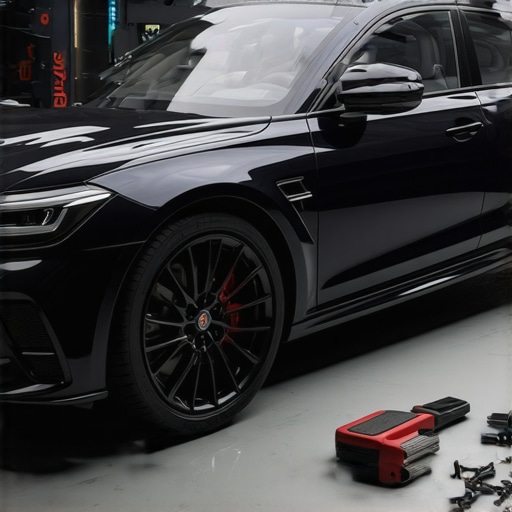
Maintaining your vehicle’s performance requires more than just good intentions; it demands the right equipment and techniques. Personally, I rely on a high-quality digital inspection camera to examine hard-to-reach areas like transmission pans and behind the engine. This tool, which I use weekly, helps spot early signs of issues such as sludge buildup or small leaks, allowing for preventive action before major repairs are needed. For more precise diagnostics, I also favor an OBD-II scanner with advanced software; it not only reads error codes but also provides live data streams, helping me monitor vital parameters like transmission fluid temperature and engine misfire trends.
By combining these tools, I can diagnose potential problems early, saving time and money. As car technology evolves—think adaptive transmission control and sensor-driven fuel management—having the right tech becomes even more critical for effective maintenance. The trend points toward integrated diagnostic apps that sync with your smartphone, making vehicle health checks more accessible and comprehensive in the near future.
How do I maintain transmission health over time?
Consistent transmission care involves more than just scheduled fluid changes. I recommend periodically checking transmission fluid levels and condition with a reliable ASE certified technician’s advice, especially if you notice shifting irregularities or overheating. Flushing the transmission at recommended intervals—typically every 30,000 to 60,000 miles depending on driving habits—is crucial. Using expert-approved transmission fluid ensures optimal performance and prevents issues like shuddering or slipping.
For long-term results, I also suggest installing a transmission cooler if your vehicle frequently pulls heavy loads or endures continuous stop-and-go traffic. This extra cooling capacity preserves fluid integrity and extends component life. Regular visual inspections for leaks or discoloration and listening for unusual noises can preempt major failures. Remember, consistent care coupled with the right diagnostic tools keeps transmission problems at bay, helping your vehicle operate smoothly for years to come.
Tools I Recommend for Ongoing Car Care
Beyond basic maintenance, I utilize a certified automotive data management system to track service history, upcoming appointments, and recall alerts. Implementing software like this ensures none of your preventive tasks fall through the cracks and aligns with the automation trend in car maintenance. Pairing digital records with physical tools, such as a torque wrench and oil filter wrench, allows me to perform tasks efficiently and correctly—avoiding over-tightening or improper installation, which can cause leaks or damage.
Another essential addition is a portable battery tester. Regularly checking your battery’s health prevents unexpected breakdowns, especially in colder months. Not only do these tools extend the lifespan of vital components, but they also help you plan proactive maintenance—saving you money in the long run.
Future of Car Maintenance Tools
Looking ahead, the integration of smart sensors and AI-driven diagnostics will revolutionize how we maintain vehicles. Imagine real-time alerts sent directly to your phone about transmission fluid degradation or engine wear—enabling immediate action before symptoms appear. Embracing these technologies now, like investing in a robust diagnostic scanner, can set you ahead in automotive care.
Try adopting one advanced tip today: Use a high-quality OBD-II scanner equipped with live data analysis to monitor your transmission’s health during regular drives. It’s a small investment that can save you thousands by catching issues early. Remember, the key to keeping your car running smoothly is proactive maintenance supported by the right tools and knowledge. For more in-depth guidance, don’t hesitate to consult a trusted auto service shop.
Discovering How Consistency Transforms Vehicle Longevity
One of the most profound lessons I learned in my automotive journey is that regular maintenance isn’t just about following a schedule—it’s about cultivating a mindset of proactive care. Skipping oil changes or ignoring subtle transmission hints can lead to costly repairs down the line. Recognizing these signs early, and trusting the insights from auto experts, has taught me that small, consistent actions preserve both performance and peace of mind.
My Go-To Tools for a Longer-Lasting Drive
Investing in quality diagnostic tools like an OBD-II scanner and a digital inspection camera has revolutionized how I approach vehicle care. These tools give me real-time insights into my transmission’s health and help me spot early signs of trouble, preventing major failures. Trusted resources such as professional guides reinforce that the right equipment makes proactive maintenance achievable and accurate. Over time, these investments have saved me not just money but valuable hours too.
Your Next Step Starts Today
Car maintenance is a journey, not a one-time task. By embracing consistent care, utilizing trusted tools, and staying informed through reputable sources, you’re taking control of your vehicle’s future. Remember, the power to extend your car’s lifespan lies in the committed, informed steps you choose every day. Whether it’s a simple oil change or understanding transmission signals, your vehicle responds to your attentiveness. Start small, stay consistent, and watch your car reward you with years of reliable service.