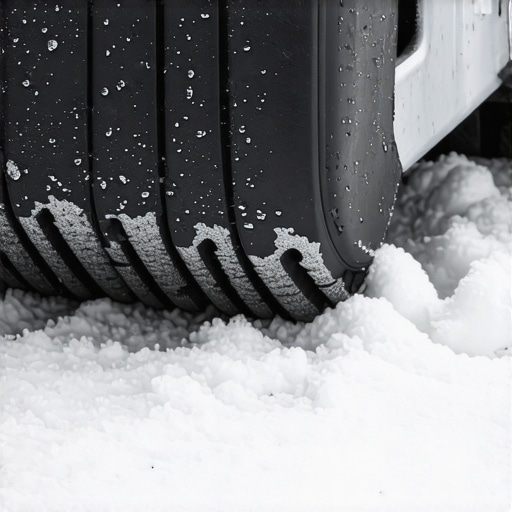
The Reason Your Brake Pedal Feels Rock Hard on Cold Mornings
I remember waking up early one chilly winter morning, eager to get to work, only to find that my brake pedal was as stiff as a rock. Panic set in—did I just ruin my brakes overnight? I’ve been there, and I know the frustration of trying to brake, only to realize your pedal won’t budge. That lightbulb moment made me realize: this isn’t just a minor inconvenience; it’s a sign that something’s off, especially during those cold mornings when your car seems to have a mind of its own. Today, we’re going to uncover why your brake pedal feels so hard on cold days and, more importantly, how you can address it before it turns into a costly repair.
Cracking the Cold Climate Brake Puzzle
Is This Normal or a Sign of Trouble?
Many drivers dismiss this stiff pedal as just part of winter driving, but trust me, it’s more than that. The issue often stems from moisture freezing inside certain brake components or from the brake fluid itself thickening when temperatures drop. Early on, I made the mistake of ignoring the problem, thinking it was just a temporary glitch. That was a costly lesson. If you want to keep your brakes responsive when the temperature drops, understanding what’s happening inside your car can save you a lot of trouble. For in-depth guidance, I recommend checking out [the importance of regular oil changes](https://autofixclinic.com/why-regular-oil-changes-extend-your-cars-lifespan), as fresh oil can help your entire system perform better in cold weather. But first, let’s explore the specific causes behind that rock-hard pedal and how to prevent it from catching you off guard again.
Check the Brake Fluid First
Start by inspecting your brake fluid reservoir, located under the hood. In cold weather, moisture can freeze inside the fluid, thickening it and causing a stiff pedal. Remove the cap and look for any discoloration or low levels. If the fluid appears dark or contaminated, it’s time for a flush. I once had a freezing brake fluid issue that was easily fixed by replacing the fluid, restoring normal pedal feel and preventing potential brake failure.
Flush and Replace Brake Fluid
To ensure optimal brake performance, drain the old fluid completely and refill with fresh, high-quality brake fluid suitable for winter conditions. Use a brake fluid tester to verify the moisture content; ideally, it should be below 2%. Regularly replacing brake fluid helps prevent moisture buildup that can freeze and cause brake pedal stiffness. Checking out the importance of regular oil changes underscores how regular maintenance extends to brake systems too.
Inspect Brake Components for Ice Accumulation
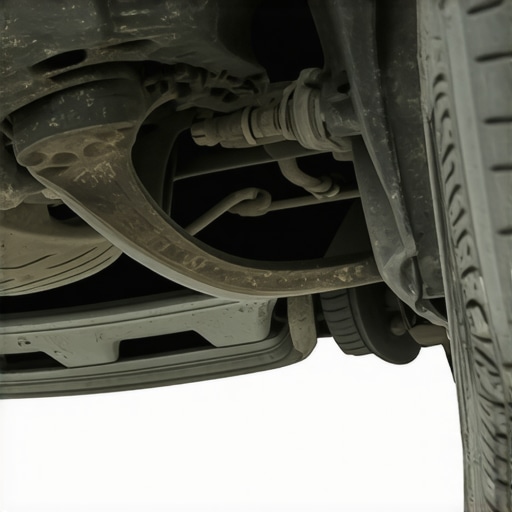
Moisture can also freeze inside calipers and brake lines, especially if your car was exposed to snow or humidity. Carefully remove the wheel and inspect for ice or moisture. Applying heat gently with a heat gun or letting the vehicle warm up can melt any ice present. I remember waiting for a car to thaw with a blow dryer and manually clearing ice from the calipers; it’s messy but effective.
Examine Brake Hoses and Seals
Cracked or deteriorated hoses can trap moisture, which freezes in cold temperatures. Replace any damaged lines and seal leaks promptly. Properly functioning hoses prevent moisture ingress and ensure responsive braking. For complex issues like leaks, consulting an ASE-certified technician can make all the difference, as they adhere to strict standards like the importance of ASE certification.
Test Brake Pedal After Maintenance
After completing the above steps, start your vehicle and press the brake pedal firmly. It should feel firm and responsive. If it remains stiff, double-check your work or consider professional diagnostics. I once overlooked a small leak that caused the pedal to stay firm; a quick visit to a professional resolved the problem entirely. Remember, maintaining proper brake function in winter is essential for safety and efficiency.
When it comes to vehicle upkeep, many drivers rely on popular myths or oversimplified advice, often leading to overlooked nuances that can compromise safety and longevity. A common misconception is that ASE certification guarantees a technician’s competence in every vehicle repair. While ASE certification indicates adherence to industry standards, it doesn’t necessarily reflect specialization in specific systems like transmissions or advanced diagnostics. For example, an ASE-certified mechanic might excel at general repairs but lack the in-depth knowledge required for complex transmission issues, which are better addressed by specialists with targeted training. Therefore, trusting only certifications without considering specific experience can be a costly mistake.
Why do some oil changes do more harm than good?
Many assume that regular oil changes are solely about changing the fluid, but the nuances lie in choosing the right type, frequency, and procedure. Using synthetic oil in an engine designed for conventional oil can sometimes cause leaks or leaks to become more pronounced if seals haven’t been conditioned for synthetic formulations. Moreover, neglecting to replace the oil filter during the service can allow contaminants to circulate, accelerating engine wear. An advanced mistake is over-using oil additives, believing they compensate for poor maintenance, which can lead to engine deposit buildup. Regularly consulting expert tips, such as those highlighted in top oil change strategies, can prevent these pitfalls.
Are transmission fluid replacements truly necessary?
Many drivers underestimate the importance of transmission fluid changes, assuming the fluid lasts forever. However, contaminants and shear forces degrade fluid quality over time, impacting shifting smoothness. Waiting until the transmission shows signs of slipping orhard shifting might be too late, as internal damage can occur. Advanced diagnostics, like those discussed in transmission troubleshooting guides, reveal that proactive maintenance saves money and preserves vehicle value. Avoid the trap of neglecting fluid service; instead, schedule regular intervals based on the manufacturer’s recommendation and professional advice to ensure your transmission’s health isn’t compromised by hidden issues.
Keep It Running with the Right Tools
Maintaining your vehicle over time requires more than just intuition—investing in specific, quality tools makes a significant difference. I personally rely on a digital scan tool like the Autel MaxiCOM MK808, which offers comprehensive diagnostics, including transmission issue detection and sensor analysis, helping me pinpoint problems before they escalate. For oil changes, I prefer a high-precision oil extractor, like the Pela 6000, which allows me to change engine oil without the mess and without removing the drain plug—saving time and avoiding contaminated oil residues. Regularly checking and replacing transmission fluid is critical; I recommend using a dedicated transmission fluid tester from OTC, which provides instant moisture and contamination readings, ensuring your transmission stays in prime condition. As vehicles become more complex, software like the Mitchell 1 repair information system offers step-by-step guides for ASE-certified technicians, streamlining maintenance and troubleshooting tasks. In the future, I predict tech integration will deepen, with AI-assisted diagnostics becoming standard, making maintenance more precise and efficient.
How do I maintain transmission health over time?
Transmission longevity hinges on proactive monitoring and routine fluid changes. Scheduled fluid replacements, ideally every 30,000 to 60,000 miles, remove contaminants and prevent overheating. Using a high-quality, manufacturer-recommended transmission fluid suited for your vehicle is vital; for example, synthetic fluids often outperform conventional types in extreme conditions. Incorporating diagnostic tools like the Kickstart transmission analyzer enables quick, accurate detection of slipping or shifting issues, often before a warning light appears. Consistent inspections of transmission cooler lines and seals help prevent leaks that can introduce moisture or debris, which degrade fluid quality. For complex issues, consulting an ASE-certified technician ensures adherence to best practices, such as those outlined in transmission troubleshooting guides. Regular maintenance combined with skilled diagnostics can extend the life of your transmission, saving you money and stress in the long run.
Tools I recommend for ongoing care
Beyond diagnostic devices, having a set of quality hand tools like a torque wrench—specifically the CDI 2503, which I trust for its precision—allows you to reassemble components correctly and avoid costly damages. An infrared heat gun, such as the Tacklife HGP8, proves invaluable when dealing with frozen brake lines or calipers, enabling controlled heating to melt ice without risking damage. For fluid analysis, I use test strips from Tetra Tech that measure contamination levels over time, giving early warnings before problems develop. Combining these tools with a clean work environment and proper safety gear empowers even DIY enthusiasts to perform detailed inspections and minor repairs, extending your car’s lifespan. As maintenance technology advances, expect more integration—smart sensors and cloud analytics are on the horizon, enabling real-time health monitoring of transmission systems and other critical components.
Prioritize maintenance to avoid costly repairs
Implementing a routine check-up schedule with quality tools can drastically reduce unexpected breakdowns. Remember, a well-maintained vehicle isn’t just about safety—it also preserves your car’s resale value. Take advantage of digital diagnostics and professional-grade equipment to stay ahead of issues. For expert insights, I suggest reviewing why regular oil changes matter. Don’t wait for warning lights; proactive maintenance combined with precise tools keeps your vehicle functioning smoothly for years. Try incorporating a transmission fluid tester into your regular checks today—early detection is the best defense against costly transmission repairs.
What Winter Taught Me About Brake Care
After years of troubleshooting cold-weather brake issues, I realized that prevention and detailed knowledge are your best allies. The most vulnerable moment isn’t during the snowstorm but the first cold morning—when moisture sneaks into components, and your brake fluid thickens. Staying proactive with regular maintenance, like checking your brake fluid and inspecting for ice buildup, can save you from unexpected stalls and dangerous situations. Trusting assumptions that ‘it’s just winter’ can be costly; instead, embrace thorough inspections and timely fluid replacements, such as recommended in the importance of regular oil changes, which apply similarly to braking systems. Thorough understanding and routine care turn chilly mornings into safe, smooth starts.
My Tools for Keeping Brakes Battle-Ready
The right equipment transforms car maintenance from guesswork into confident action. A high-precision brake fluid tester from OTC helps me monitor moisture levels, ensuring fluids don’t freeze. A reliable heat gun effectively melts ice from calipers without risking damage. When it comes to inspections, a digital scan tool like the Autel MaxiCOM MK808 grants insights into hidden issues—whether it’s moisture ingress or sensor faults—saving me from surprises. These tools have become essential habits, keeping my fleet—both personal and professional—on the road safely and smoothly. For ongoing upkeep, investing in quality diagnostic equipment is something I highly recommend, as seamless maintenance relies on accurate data and precision repair techniques.
Taking Action for Safer Drives Today
If winter is knocking at your door, don’t wait for the next bitter morning to discover stiff brakes. Start with a thorough inspection of your brake fluid, lines, and calipers—simple steps that drastically reduce risks. Remember, regular maintenance isn’t just about avoiding inconvenience; it’s about safeguarding lives. By proactively checking your brake components and leveraging handy tools, you’re empowering yourself to handle unpredictable weather confidently. Why not make this season the one where you take full control of your vehicle’s safety? You owe it to yourself and your loved ones. Have you ever experienced a cold snap that caught you unprepared with your brakes? Share your story below, and let’s learn from each other’s experiences.