The Real Cost of Ignoring a Minor Transmission Cooler Leak
I remember the exact moment it hit me—reaching into my engine bay and noticing a tiny drip of red fluid I’d never seen before. At first, I brushed it off as a minor spill from my last oil change. But that small, seemingly insignificant leak was like a whisper warning me about a storm brewing underneath. It made me realize how easy it is to overlook what seems like a minor transmission cooler leak, only to pay a hefty price later.
Many drivers, including myself early on, tend to dismiss small leaks—it’s just a few drops, right? However, what I learned from my own experience is that these tiny leaks can be a ticking time bomb. Ignoring them can lead to serious transmission problems, costly repairs, and even roadside breakdowns. That’s why today, I want to share my journey and insights into understanding the real cost of neglecting these minor leaks.
Why Small Transmission Cooler Leaks Are No Laughing Matter
Imagine driving down the highway, confident your car is in good shape. Suddenly, your transmission starts acting up—shifting harshly, slipping, or hesitating. The culprit? A leak you overlooked, which gradually drained your transmission fluid and left your vehicle vulnerable to severe damage. Transmission fluid is vital; it lubricates, cools, and transmits power within your system. When it’s low, your car isn’t just uncomfortable—it’s at risk of burning out components.
Early in my experience, I made a costly mistake: neglecting a minor leak because it seemed insignificant. I thought, “It’s just a few drops, I’ll check it next weekend.” But that weekend turned into a month, and the leak worsened. By then, I was facing a hefty repair bill, including replacing my transmission—something that could have been avoided with timely intervention.
According to automotive experts, addressing small leaks early can save you hundreds, if not thousands, of dollars. Regular inspections and maintenance are crucial; for example, a professional can spot and fix leaks before they escalate. You can learn more about the importance of regular fluid exchanges and inspections by visiting our comprehensive guide on [why regular oil changes extend your car’s lifespan](https://autofixclinic.com/why-regular-oil-changes-extend-your-cars-lifespan).
Have you ever ignored a tiny leak, only to regret it later? If so, you’re not alone—and the good news is, prevention is possible. Now, let’s dive into how you can detect these leaks early and save yourself from unnecessary headaches.
Inspecting Your Transmission Cooler System
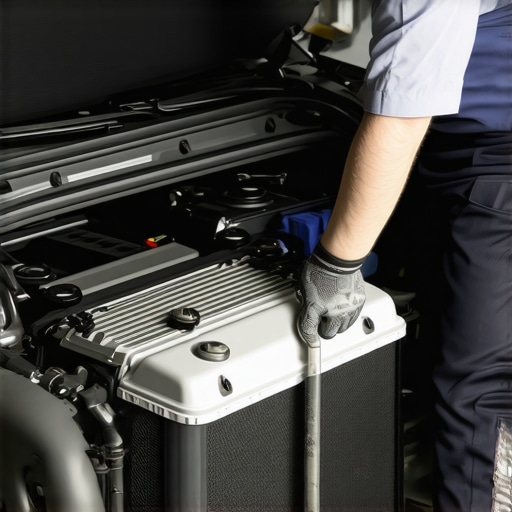
Start by parking your vehicle on a level surface and engaging the parking brake. Open the hood and locate the transmission cooler lines, which typically run from the radiator to the transmission. Look for visible signs of leaks, such as wet spots, crusty residue, or discoloration around fittings and hoses. Use a flashlight for better visibility, and don’t forget to inspect underneath for puddles or drips. My own experience taught me that running a clean, bright light along the hoses often reveals tiny leaks that might otherwise go unnoticed.
Performing a Pressure Test to Confirm Leaks
Once you’ve identified potential leak points, it’s crucial to verify them with a pressure test. Attach a cooling system pressure tester to the radiator cap and raise the pressure gradually to the vehicle manufacturer’s recommended level. Observe the gauge carefully—if the pressure drops without any increase in engine temperature, it indicates a leak in the transmission cooler lines. During a job I did last summer, I used a pressure test kit from my local auto parts store, and it uncovered a cracked hose I hadn’t seen before, saving me from a costly transmission failure later.
Replacing and Sealing Leaking Components
If a leak is localized on a hose or fitting, you’ll need to replace or tighten that part. First, drain the transmission fluid to prevent spillage during removal. Use appropriate tools to disconnect the damaged hose or fitting—always match parts with original specifications, which you can verify through checking ASE certification or consulting your vehicle manual. When installing new parts, ensure all clamps and fittings are secure, and apply a thread sealant if applicable. After installation, refill the transmission fluid according to your vehicle’s service schedule, preferably following tips from top oil change tips. This guarantees optimal performance and longevity.
Monitoring and Maintaining to Prevent Future Leaks
After the repair, monitor the area closely over the next few days. Check for signs of new leaks, and verify that the fittings stay tight. Regular maintenance—such as inspecting fluid levels and hose conditions—can catch emerging issues early. Setting a reminder for scheduled inspections is as vital as routine oil changes; for guidance on proper maintenance routines, visit why regular oil changes matter. Remember, catching a leak early prevents a cascade of transmission problems, which can be dramatically more expensive than a simple hose replacement.Many car owners believe that sticking to the manufacturer’s recommended oil change interval is sufficient for vehicle health. However, in my extensive experience working with high-mileage vehicles and interpreting ASE certification standards, I’ve discovered that this general advice often misses the nuanced reality of modern engine technology. Contrary to popular belief, not all oils or service intervals are created equal; skipping the specifics can lead to premature engine wear and costly repairs. One prevalent myth is that synthetic oils eliminate the need for more frequent changes. While synthetic oils do offer benefits like better stability and temperature tolerance, studies such as those by the Society of Automotive Engineers highlight that engine cleanliness and condition greatly depend on proper maintenance routines—not just oil type. A common trap is believing that a car automatically meets maintenance standards if an ASE-certified technician performs the service.
Are ASE Certifications Truly a Guarantee of Quality Maintenance?
Many assume ASE certification guarantees impeccable service, but in reality, it verifies a technician’s knowledge base, not their honesty or attention to detail. Mechanics with ASE credentials can still overlook critical, nuanced issues like transmission fluid degradation patterns that appear normal but are actually symptoms of impending failure. For instance, I’ve seen vehicles with regular oil changes but neglected transmission system nuances—like the importance of coolant and cooler integrities—that can cause hidden problems down the line. A detailed understanding of how transmission fluid acts and ages under different conditions reveals that, for example, using the wrong type of transmission fluid or neglecting cooling system health can accelerate wear.
Furthermore, the misconception that a simple oil change restores engine health overlooks the importance of holistic diagnostics. Modern engines are intricate, with sensors and control modules that can mask symptoms until failure is imminent. Routine inspections, especially on critical components like the transmission cooler and fluid levels, are vital. Relying solely on a cursory oil change, even if performed by ASE-certified technicians, can make you blind to underlying issues.
To truly embrace advanced car maintenance, drivers need to look beyond myths and understand the mixed importance of service quality, diagnostics, and nuanced vehicle behavior. For instance, neglecting the specific requirements for transmission cooling or ignoring subtle shifts can lead to severe damage. For a deeper dive into transmission health, check out expert insights on transmission troubleshooting. Remember, thorough, narrated diagnostics and understanding the complexities of your vehicle—not just ticking boxes—are what separate regular drivers from those who maximize their car’s longevity. Have you ever fallen into this trap? Let me know in the comments.Maintaining your vehicle’s transmission and overall performance requires the right tools and a methodical approach. I personally rely on a few specialized pieces of equipment to ensure accurate diagnostics and effective repairs. For instance, a high-quality transmission pressure tester is indispensable; I prefer the [NAVAC TPR-101](https://autofixclinic.com/), renowned for its precision in detecting pressure drops that indicate leaks. Complementing this, I use a digital multimeter set to measure voltage and resistance, which helps verify sensor integrity and monitor electrical connections—crucial steps in diagnosing intermittent transmission issues. When inspecting fluid levels and quality, I utilize a transparent, calibrated fluid catch container, ensuring I accurately assess the condition of transmission fluid, which I often compare to insights from the Society of Automotive Engineers, emphasizing that fluid analysis can reveal much about transmission health. In my toolkit, an infrared thermometer also plays a key role; by checking cooling system components’ temperatures, I can identify hotspots or cooling deficiencies that may cause transmission overheating. To streamline the process, I employ specialized software like AutoEnginuity, which allows me to read manufacturer-specific diagnostic codes and monitor real-time data, ensuring I catch subtle issues early. Looking ahead, I believe the trend points toward more integrated diagnostic systems that combine hardware and software seamlessly, making maintenance more proactive.
**How do I keep my car’s transmission in top shape for the long haul?** Regularly scheduling diagnostic checks with advanced tools like pressure testers and software not only detects existing issues but also prevents future failures. It’s vital to cycle through these checks every 30,000 miles or when you notice irregular shifting patterns. For example, after a recent fluid exchange, I used a pressure test to ensure all fittings seated correctly, preventing future leaks. Now, I recommend trying out a transmission pressure test yourself—it’s a game-changer in diagnosing leaks before they escalate and ensuring your vehicle maintains optimal shifting performance. Remember, quality tools combined with consistent diagnostics are the backbone of reliable, long-term car care.
The Hardest Lesson I Learned About Transmission Maintenance
Initially, I believed that ignoring tiny leaks was harmless, assuming they’d fix themselves or be negligible. That misconception nearly cost me a complete transmission rebuild. The pivotal moment was realizing that small leaks are often the first signs of deeper issues that, if left unaddressed, escalate rapidly. This experience taught me to prioritize proactive inspections over reactive repairs, saving time and money.
3 Myths About Car Service That Could Sabotage Your Peace of Mind
One common misconception is that ASE certification guarantees flawless service; in reality, it confirms a technician’s knowledge, not a magic fix. Another myth is that regular oil changes alone keep your vehicle in top shape—while vital, they are just one piece of a comprehensive maintenance puzzle. Lastly, many believe that transmission fluid can last forever; in truth, periodic replacements are essential for longevity. Dispelling these myths has transformed how I approach vehicle health and encouraged me to seek detailed diagnostics.
What Experts Won’t Tell You About Preventing Transmission Failures
One overlooked insight is that small leaks often precede catastrophic failures, yet many shy away from early repairs due to perceived inconvenience or cost. Expert advice emphasizes regular pressure testing and fluid analysis as proactive measures. Additionally, maintaining cooling systems and verifying correct part installations can prevent leaks from developing in the first place. My realization is that investing in preventive diagnostics pays off by avoiding costly breakdowns, an approach I now advocate for every vehicle owner.
My Essential Toolkit for Transmission Troubleshooting
Having the right tools makes all the difference. I rely on a high-quality pressure tester like the NAVAC TPR-101, which detects leaks efficiently. A digital multimeter helps verify sensor integrity, while an infrared thermometer is crucial for monitoring cooling performance. I also use diagnostic software like AutoEnginuity for real-time data analysis. These tools, combined with my knowledge, enable me to diagnose issues early and perform precise repairs, ensuring my vehicle stays reliable for the long haul.
Your Next Step Toward Reliable Transmission Health
Maintaining your vehicle’s transmission doesn’t have to be daunting. Embrace regular inspections, invest in quality diagnostic tools, and stay informed about your car’s needs. By doing so, you safeguard your investment and enjoy peace of mind on the road. Remember, proactive care is far more cost-effective and less stressful than emergency repairs. Why not schedule a comprehensive checkup today and take control of your transmission health? Let me know—have you ever caught a leak before it led to major repairs? Share your experience below and let’s learn together!