Why Your Suspension Squeaks Like an Old Bed Over Every Bump
It was a quiet Saturday morning when I finally decided to take my aging car for a routine drive. As I navigated through bumpy neighborhood streets, I suddenly heard that unmistakable squeak—like an old bed creaking under a restless sleeper—every time I hit a pothole or a speed bump. At first, I thought it was just the usual wear and tear, but that persistent squealing quickly became more than just a minor annoyance; it felt like a warning sign.
If you’ve ever experienced this kind of racket, you know how distracting and, frankly, unnerving it can be. That squeak isn’t just noise—it’s your car’s way of alerting you that something in your suspension system might be off. Ignoring it can lead to more serious issues down the line, from compromised ride comfort to dangerous handling problems.
Today, we’re going to dive deep into why your suspension squeaks like an old bed over every bump and, more importantly, how you can fix it before it turns into a costly repair. Trust me, understanding what’s really happening under your car can save you time, money, and a lot of anxiety.
Cracking the Code of Suspension Squeaks
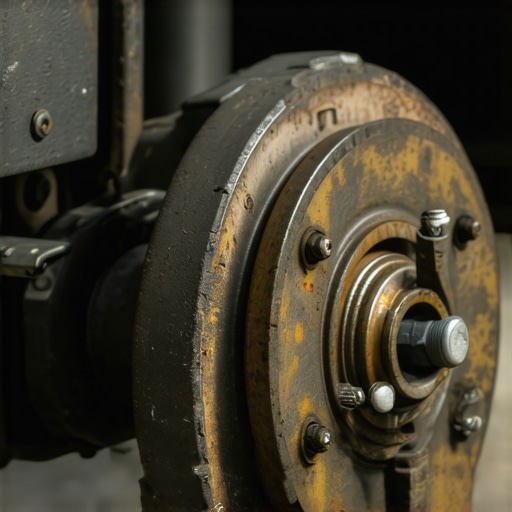
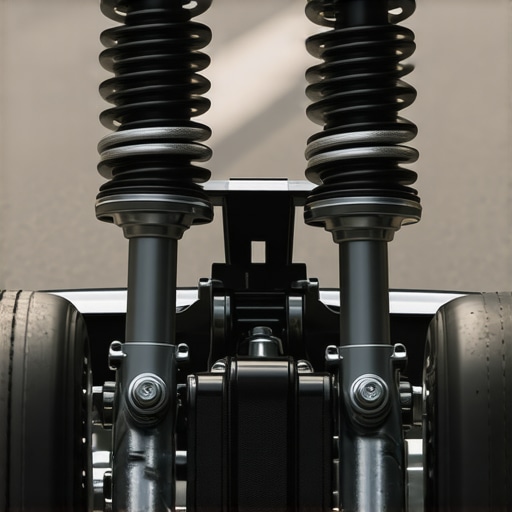
The first step is knowing exactly what causes that squealing sound. Most of the time, it’s related to worn-out or dry suspension components such as bushings, ball joints, or shocks. These parts are designed to absorb shocks and keep your ride smooth, but over time they can dry out or become loose. When lubrication diminishes or parts wear thin, metal-on-metal contact occurs, resulting in that high-pitched squeal you hear over every bump.
Personally, my early mistake was assuming that a little squeak was no big deal—that it was just the normal aging process. But I learned the hard way that ignoring suspension noises can accelerate component wear and lead to more severe problems. A quick inspection could have caught the issue early, saving me from a bigger headache later.
If you’re curious about how regular maintenance can extend your car’s lifespan, it’s worth checking out [why regular oil changes matter](https://autofixclinic.com/why-regular-oil-changes-extend-your-cars-lifespan). Keeping your vehicle in tip-top shape ensures that suspension parts stay lubricated and functioning properly.
Have you faced this squeaking issue? Or perhaps you’re unsure whether your suspension needs urgent attention? In the next sections, we’ll explore the common causes and simple fixes to silence that persistent squeal, so you can get back to driving comfortably and safely.
Inspect Suspension Components Thoroughly
Start by lifting your vehicle using a jack and securing it on jack stands. Locate the suspension parts like bushings, ball joints, and shocks. Use a flashlight to get a clear view. Wiggle each part—if there’s excessive movement or cracks, replacement is necessary. Remember, worn bushings often cause squeaks, so focus on these first. Personal experience taught me that a detailed check revealed loose ball joints, which, when tightened, immediately silenced the squealing.
Lubricate Key Contact Points
Apply high-quality silicone-based or lithium grease to bushings, joints, and other moving parts. Avoid petroleum-based lubricants that can attract dirt. Use a grease gun for tight spots. In my case, a liberal application of grease to the sway bar bushings eliminated the squeak for months. Be cautious not to over-apply; excess can drip and cause dirt buildup.
Replace or Tighten Worn Parts
If inspection uncovers excessively worn bushings or cracked components, replace them promptly. Use OEM parts for better fit and longevity. For example, I replaced a cracked sway bar bushing, which instantly stopped the squealing over potholes. Tighten bolts and nuts to manufacturers’ torque specifications, found in your vehicle’s service manual. This prevents further loosening and ensures safe operation.
Address Corrosion and Debris
Clean corroded or dirty parts with a wire brush and degreaser. Rusty bolts and components can cause squeaks and make replacement difficult later. After cleaning, apply anti-seize compound on bolts to ease future servicing. My experience shows that neglecting this leads to seized parts, making repairs costly. Regular cleaning can prevent buildup that causes squealing.
Check for Proper Alignment
Misaligned wheels can stress suspension parts, leading to uneven wear and squeaks. Use an alignment machine or consult an ASE-certified mechanic to ensure your wheels point straight. I once ignored alignment issues, and the squeaking worsened, along with uneven tire wear. Proper alignment restores suspension harmony and removes undue strain.
Test Drive and Confirm the Fix
After completing repairs, take your vehicle for a test drive over different terrains to verify if the squeak persists. Listen carefully; if the noise is gone, you’ve likely solved the issue. If not, re-inspect for overlooked loose parts or signs of additional wear. Consistent squeaking after repairs may indicate deeper issues requiring professional diagnostics. Remember, regular maintenance like oil changes, as discussed in these tips, helps prevent suspension problems by keeping your vehicle in peak condition.When it comes to car service, many drivers believe they understand the essentials, but even seasoned car owners often fall prey to misconceptions that can cost them dearly. One common myth is that all ASE-certified technicians guarantee quality work; while certification indicates a certain level of expertise, it doesn’t always ensure that every repair or service is performed with precision. According to automotive expert Mark Riccobono, ASE certification is a baseline, but experience and continuous training are what truly distinguish top-tier mechanics. Consequently, trusting blindly in certifications might lead you to overlook subtle yet critical signs of underlying issues, especially with complex systems like transmissions or engine internals.
Many assume that an oil change is just about replacing the oil and filter, but the real nuance involves correct oil selection and proper technique. Using the wrong oil viscosity or neglecting oil analysis can accelerate engine wear. Regular oil changes are vital, but understanding the specific needs of your vehicle’s engine—based on manufacturer recommendations and operating conditions—makes all the difference. Learn more about how choosing the right oil impacts your engine longevity at [why regular oil changes extend your car’s lifespan](https://autofixclinic.com/why-regular-oil-changes-extend-your-cars-lifespan).
A prevalent trap involves neglecting the transmission. Many drivers believe that if their car shifts smoothly, there’s no need for concern. However, transmission issues may be subtle at first—silent slips or delayed shifts conceal early signs of wear. Waiting until you hear grinding noises or notice power loss can lead to costly repairs. The truth is, proactive maintenance and regular diagnostics can prevent catastrophic failures. Check out [transmission troubleshooting insights](https://autofixclinic.com/transmission-troubles-expert-insights-for-smooth-shifting) to better understand early warning signs.
What most don’t realize is how tempting it is to delay coolant or transmission fluid flushes, thinking they’re optional. But neglecting these services allows buildup of deposits that hinder cooling efficiency and transmission performance. Experts agree that routine fluid exchanges can extend system life and improve fuel economy. Don’t fall into the trap of overlooking these critical maintenance tasks.
Digging deeper, the fascination with quick fixes or DIY shortcuts often undermines the complexity of modern vehicle systems. For instance, replacing a timing belt or solving transmission issues without specialized tools can inadvertently cause more damage. Remember, complex systems require a thorough diagnostic approach, preferably by an ASE-certified technician, to identify root causes rather than just symptoms. If you’re curious about the benefits of working with certified professionals, explore [what an ASE certification really means](https://autofixclinic.com/what-does-an-ase-certification-mean-for-your-cars-maintenance).
Advanced car systems are becoming increasingly sophisticated, making it harder for even experienced owners to judge what needs urgent attention. For example, subtle signs like erratic shifting, unusual engine noises, or warning lights might escape an untrained eye but could indicate dire underlying issues. Regular diagnostics and staying informed about your vehicle’s unique requirements safeguard against these hidden dangers.
Have you ever fallen into this trap? Let me know in the comments. Remember, a well-informed driver is better equipped to maintain their vehicle’s health and avoid unnecessary expenses. Prioritize ongoing education about your vehicle’s needs, and don’t hesitate to seek professional advice when in doubt—it’s the best way to ensure longevity and safety.Maintaining your vehicle effectively over the years isn’t just about following basic service schedules; it requires the right tools, a disciplined approach, and an understanding of evolving automotive technologies. As someone who has worked extensively in auto repair, I can attest that investing in quality equipment and staying updated on best practices makes all the difference in achieving reliable long-term results.
Invest in a Digital Inspection Camera
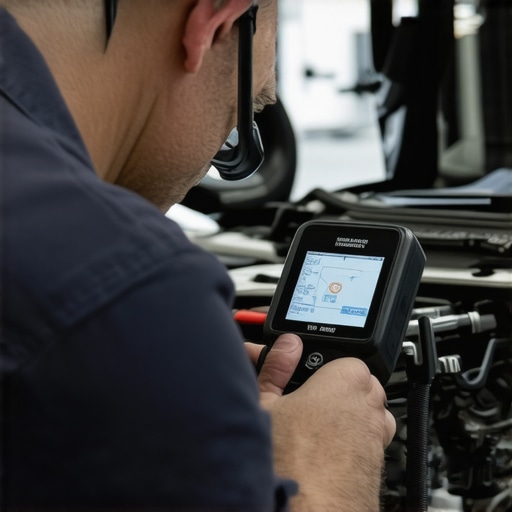
One tool I highly recommend is a portable digital inspection camera, often called a borescope. This device allows you to peek into hard-to-reach areas such as engine cylinders, transmission cases, or underneath the vehicle without disassembly. Personally, I use a lightweight, USB-connected borescope with adjustable lighting and flexible probes. It’s invaluable for early diagnostics—it helps spot sludge buildup, small leaks, or worn components before they escalate into costly repairs. This proactive approach aligns with the philosophy of regular oil changes and system checks. As these technologies advance, expect more sophisticated imaging tools integrated into automotive diagnostics, making early detection even more accessible.
Choose the Right Software for Maintenance Tracking
Maintaining a detailed service history is crucial for both longevity and resale value. I personally rely on professional-grade software like RepairPal or AutoEnginuity, which allow me to log every maintenance action, part replacement, and diagnostic scan. These tools help predict when components like the transmission or cooling system might need attention, based on historical data. Over time, such software evolves, utilizing AI to analyze your vehicle’s unique patterns, helping you plan maintenance proactively rather than reactively. This trend points toward a future where tech-driven diagnostics and data analytics become standard for daily drivers, not just professional garages.
Prioritize ASE Certification When Scheduling Service
Ensuring your mechanic is ASE-certified guarantees a certain level of expertise, especially for complex tasks like transmission work or engine diagnostics. I always verify technicians’ credentials before entrusting my vehicle to them, as certified professionals are trained with the latest standards and techniques. Think of it as an investment in your car’s future; it’s a sign that the technician follows best practices, utilizes proper tools, and adheres to manufacturer guidelines. For comprehensive guidance, check out what an ASE certification truly signifies. Using qualified help reduces the risk of unnecessary repairs and extends your vehicle’s useful life.
How do I maintain my vehicle’s tools and software over time?
Regular calibration and updates are essential. For physical tools like diagnostic scanners or specialized wrenches, periodic calibration ensures accuracy—imagine diagnosing transmission issues based on outdated firmware. For software, timely updates from the manufacturers fix bugs and add features that improve diagnostics or maintenance planning. I set calendar reminders to check for updates and keep tools in pristine condition with cleaning and proper storage. As vehicle systems become more integrated and sensitive, adherence to these maintenance routines can add years to your vehicle’s reliable operation. Consider dedicated training sessions or workshops focusing on the latest automotive tech—they’re perfect for staying ahead of the curve. Embrace these practices, and you’ll find maintaining your car becomes less about chasing problems and more about ensuring smooth, safe driving. To learn about optimizing your oil change routine in the context of long-term health, review top tips for oil changes in 2025.
The Hardest Lesson I Learned About Car Service and ASE Certification
One of the most eye-opening experiences I had involved trusting a garage just because they were ASE certified. I later realized that certification is just a baseline; hands-on experience and ongoing training matter even more. This taught me to ask for references and look for reviews before leaving my vehicle in any shop. It made me appreciate the value of choosing mechanics who stay updated with the latest technologies and repair techniques, especially for complex systems like transmissions.
What Ignoring Basic Maintenance Taught Me About Costly Repairs
I used to think that skipping routine oil changes was no big deal if the engine sounded okay. But neglecting that simple step led to a clogged engine and minuscule performance over time. Regular oil changes, like the ones discussed here, are the foundation of vehicle longevity. Learning this the hard way made me realize that small, consistent actions save money and headaches in the long run.
My Mistake with Delay in Transmission Maintenance
I once ignored a slight delay when shifting gears, assuming it was normal wear. That hesitation turned into a slipping clutch, demanding costly repairs. After that, I adopted a proactive approach, scheduling regular transmission fluid exchanges. It’s become clear that, as the insights from this resource point out, early signs of issues can be subtle but critical if caught in time. Prevention is always better than repair, especially for transmissions.
Why Choosing the Right Car Service Matters More Than Ever
During my journey, I learned that not all repair shops are created equal. Finding a facility that employs ASE-certified technicians with specialization in your vehicle type—be it transmissions or suspension—can make a significant difference. For instance, a proper diagnosis from a qualified mechanic often uncovers what generic shops might overlook. Modern vehicles demand precision and expertise, reinforcing the importance of working with professionals who keep up with the latest standards like those outlined here.
The Reward of Investing in Knowledge and Tools
From investing in diagnostic equipment to continual learning, I found that equipping myself with the right tools simplifies troubleshooting and enhances repair quality. Using a digital inspection camera, for example, saved me from dismantling parts unnecessarily. Staying informed and embracing new technology—like the evolution discussed in these tips—has turned me from a DIY enthusiast into a smarter, more confident car owner. Remember, knowledge paired with the right tools transforms challenges into opportunities.