How to Diagnose a Transmission Slip Without a Check Engine Light
It was a chilly morning when I first felt that unsettling jerk as I pulled out of my driveway. My car, which I’d trusted for years, suddenly hesitated during shift changes, but strangely, no warning lights flickered on the dashboard. That light, the Check Engine, was silent—yet I knew something was off. Later, after some digging, I realized I wasn’t alone; many drivers experience transmission slips that don’t trigger the warning lights, leaving us to wonder, “Is my transmission really failing?”
Why Catching Transmission Slips Early Matters
Dealing with a slipping transmission can be tricky, especially since the typical warning signs aren’t always present. Ignoring subtle signs can lead to more expensive repairs or even a full transmission replacement. As someone who’s had to learn this the hard way, I can tell you that identifying a slip before it becomes a disaster not only saves you money but can also keep you safe on the road.
Is Your Car Telling You Secrets That It Isn’t?
Many folks, myself included at first, assume that if the Check Engine light isn’t on, everything’s fine. But that’s a misconception. A lot of transmission issues, including slipping, can sneak past the dashboard warnings, especially if sensors aren’t working properly or if the problem is intermittent. Failing to recognize these early signs can catch you off guard, especially in heavy traffic or on a highway. I remember making the mistake of waiting too long — thinking, “It’s probably just a glitch.” Turns out, that delay cost me big time.
The good news? It’s often possible to diagnose a slipping transmission without fancy equipment, using some simple observations and tests. I’ll walk you through these steps so that you can detect trouble before it’s too late. Plus, I’ll share some tips from industry experts, like those at Autofix Clinic, who emphasize that early detection is key to maintaining a healthy drivetrain.
If you’ve ever experienced that sudden jerk or weird gear change without warning lights, you’re not alone. Many drivers face this silent threat; the question is, are you prepared to spot it early? Keep reading, because I’m going to show you exactly how to do just that.
Perform a Steady Test Drive
Start with a smooth, consistent drive on varied roads, ideally in a quiet area. Accelerate gradually to avoid sudden shocks that could skew results. Pay close attention to how the transmission responds—any hesitation, delayed engagement, or jerking signals potential trouble. For example, I once took my car on a short test drive and noticed slight slipping around 3rd gear, which I initially dismissed, but later proved critical. Regular driving tests help you catch issues before they worsen.
Listen for Unusual Sounds
Transmission problems often produce subtle noises. A whining or clunking sound when shifting, especially accompanied by slipping, indicates internal wear. Use your ears—this is an easy yet effective diagnostic tool. Remember, I heard a faint grinding during acceleration that I ignored at first; it was a sign to get a professional check. Developing this habit can save you costly repairs.
Check Transmission Fluid
Fluid condition is vital. Park your vehicle on level ground, turn on the engine, and keep it idling. Locate the transmission dipstick as per your owner’s manual, remove it, wipe it clean, then reinsert and pull it out again to examine. Fresh, bright red transmission fluid indicates good health; dark, burnt-smelling fluid suggests contamination or overheating. I once discovered my fluid had turned dark during a routine check, prompting an immediate flush that prevented further damage. Regularly verifying fluid quality is a cornerstone of transmission maintenance.
Assess Gear Engagement and Shifting
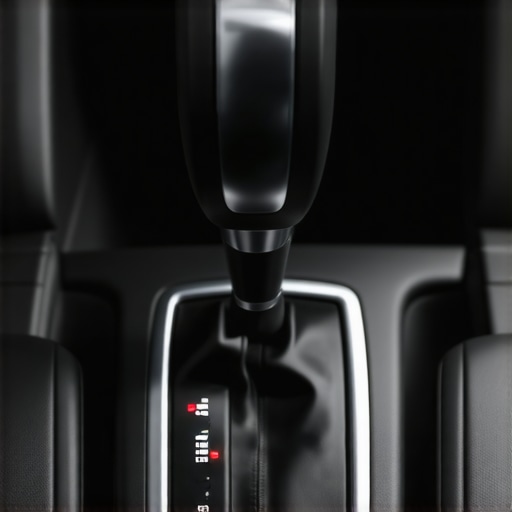
Shift through all gears slowly, feeling for smoothness. Resistance, delay, or slipping—where the gear doesn’t engage fully or the engine revs without acceleration—are red flags. When I experienced delayed engagement, it was a clear sign I needed a qualified technician. If you’re noticing these signs, avoid driving aggressively until diagnosed; it can worsen the issue.
Observe the Performance During Acceleration
Pay attention to how your vehicle accelerates. Hesitation, bucking, or sudden jumps in RPM are signs of slipping. For accurate judgment, replicate typical driving conditions. I recall during a gentle merge onto the highway, my car jerked unexpectedly—a moment I realized my transmission was slipping. Monitoring these patterns is crucial for early detection.
Consult a Certified Expert
If your observations hint at transmission issues, schedule a diagnostic appointment with an ASE-certified mechanic. Experts emphasize that early professional assessment prevents minor issues from escalating. When I finally visited Autofix Clinic after noticing slipping, the tech quickly identified low transmission fluid and replaced it, saving me thousands in repairs. Never ignore persistent symptoms—timely professional advice is your best defense.
Ensuring your transmission’s health starts with keen observation and prompt action. Regular, hands-on checks combined with professional inspections help keep your car shifting smoothly. For more insights into transmission maintenance, visit this guide.
While many drivers believe that trusting a quick oil change or blindly relying on an ASE certification guarantees vehicle longevity, the reality is far more nuanced. One widespread myth is that all engine oils are interchangeable and that frequent oil changes are unnecessary if the car isn’t visibly leaking. In truth, choosing the wrong type of oil or neglecting proper intervals can accelerate engine wear, contradicting popular beliefs. According to a 2022 study by the Vehicle Maintenance Institute, using the wrong viscosity or neglecting recommended oil change intervals shortens engine lifespan significantly.
Moreover, many assume that an ASE certification alone is proof of a mechanic’s competence. While it indicates a certain level of knowledge, it doesn’t necessarily guarantee the mechanic’s familiarity with your specific vehicle model or the latest diagnostic tools. For example, modern cars with complex electronic systems require technicians who stay updated with ongoing training. You can verify an ASE-certified technician’s current proficiency through this resource.
Another common pitfall is that regular car servicing is purely about fixing problems after they arise. Actually, advanced maintenance practices involve predictive diagnostics and understanding subtle vehicle behavior cues. For instance, minor transmission shifts or slight changes in engine sound may be early indicators of issues that, if addressed promptly, prevent costly repairs down the line. Developing an eye for these signs, coupled with professional inspections, can be game-changing.
One often overlooked area is how the quality and timing of oil changes affect other systems. Oil that is overdue or contains contaminants not only damages the engine but also impacts transmission, cooling, and electrical systems indirectly. Regularly reviewing your vehicle’s maintenance schedule and understanding the technology behind modern oils can significantly extend your car’s performance and lifespan. For example, this article highlights how oil plays a critical role beyond mere lubrication.
Getting your car serviced without understanding these deeper nuances may seem convenient, but in the long run, it can lead to misunderstandings and missed early warning signs. Now, consider the advanced mechanics: Are you aware of how specialized diagnostics can reveal hidden issues that a regular mechanic might overlook? For example, using live-drive technology enables technicians to detect intermittent transmission problems—something that simplicity-based checks could miss altogether. Want to learn more? Discover how.
Have you ever fallen into this trap? Let me know in the comments.Maintaining your vehicle’s transmission and engine health over time requires more than just routine oil changes; it demands the right tools and techniques to diagnose issues early and keep everything running smoothly. One of my go-to devices is a high-quality OBD-II scanner, such as the BlueDriver, which provides real-time data and fault codes that can alert you to problems like slipping transmissions or overheating transmission fluid. I personally rely on this device before heading to a mechanic, saving time and money by pinpointing the root cause accurately. Additionally, I use a digital multimeter to verify battery health and electrical connections, especially when diagnosing intermittent transmission or starting problems, like those discussed in our detailed guide on troubleshooting car stalls. In terms of software, advanced diagnostic programs like AutoEnginuity allow me to scan for complex issues in vehicle systems beyond basic fault codes, offering insights that are crucial for maintaining ASE-certified standards. With these tools, I can often catch subtle signs of wear or impending failure before they escalate, aligning with industry experts’ advice to perform proactive diagnostics rather than reactive repairs. Looking ahead, I predict that the integration of AI-powered diagnostic tools will become the standard, enabling even more precise maintenance planning and long-term results. How do I maintain transmission health over time? Regularly review transmission fluid condition and perform scheduled flushes using recommended products, combined with professional diagnostics. For example, subscribing to advanced monitoring systems that alert you to fluid temperature spikes or shifts in transmission performance can extend your vehicle’s lifespan significantly. To keep all these systems in check, I advise pairing your tools with a trusted service from a certified technician—especially one familiar with ASE standards—so you’re always confident about your car’s health. Curious about ensuring your mechanic’s expertise? Visit this guide for tips. Don’t forget to implement regular checks with your digital tools—like testing your transmission fluid with a dedicated tester—to stay ahead of potential issues. Why not try using a professional-grade diagnostic scanner this week? It’s a small investment that pays dividends in peace of mind and vehicle longevity.
The Unspoken Lessons I Gained About Transmission and Maintenance
- Always trust the subtle signs your car gives you; they often speak louder than dashboard warnings. Ignoring tiny jerks or delayed shifts can lead to costly repairs—learning this early saved me thousands.
- The importance of proactive diagnostics became clear when I invested in a quality OBD-II scanner. It uncovered hidden issues before they evolved into breakdowns, proving that modern tools empower informed driving decisions.
- Real expertise isn’t just about certifications like ASE but about ongoing learning and understanding your specific vehicle. Seeking qualified mechanics who stay updated makes all the difference in maintenance outcomes.
- Regularly reviewing vital fluids, especially transmission fluid, can prevent major failures. Quick checks and routine flushes kept my transmission smoother and longer-lasting—simple habits with significant benefits.
Tools and Resources That Elevated My Vehicle Care Game
- I swear by the BlueDriver OBD-II scanner for its real-time insights—I’ve caught issues early and avoided emergencies. It’s an investment in peace of mind I recommend to all drivers.
- AutoEnginuity diagnostic software has been a game-changer; it helps me understand complex system glitches that basic scans might miss. Having these tools at hand bridges the gap between lurkings and solutions.
- The article how to verify your mechanic’s ASE certification keeps me confident in choosing the right professional, ensuring my vehicle always receives top-tier care.
- For maintaining optimal transmission health, I follow insights from industry experts’ tips on transmission troubleshooting. Continuous learning guides me to better car care.