Why Your Car Shudders When Accelerating From a Dead Stop
I’ll never forget the moment I eased my foot onto the gas pedal early one morning, expecting a smooth start like always. Instead, my car lurched forward, shuddering violently as if it was fighting to catch its breath. It was both embarrassing and worrying—what was going on with my trusted ride? That experience was a lightbulb moment for me, revealing how frustrating and confusing it can be when your vehicle refuses to behave at the worst possible time.
The Struggle Is Real: Is Your Car Shaking and Stalling?
Many drivers face this perplexing issue where their car shudders or stalls when accelerating from a complete stop. It might seem minor at first—just a rough start here and there—but over time, it can signal underlying problems that, if ignored, could lead to costly repairs. This common issue might be caused by a variety of issues, ranging from transmission troubles to fuel delivery problems. I’m here to tell you, understanding the root cause can save you money, prevent breakdowns, and restore your confidence on the road.
What I learned early on is that timely diagnosis and proper maintenance are key. A little knowledge can go a long way in troubleshooting these symptoms, and that’s exactly what I want to help you with today. If you’ve ever felt that unsettling shudder as your car fights to accelerate, stick around. We’re going to dive into the common causes, and more importantly, how to fix them, so you don’t have to endure that nerve-wracking experience again.
Is Fixing a Shaking Car When Accelerating Really Worth the Effort?
Initially, I thought it was just a minor glitch—something I could ignore and hope it went away. But I was mistaken. Small problems can turn into major headaches if left unchecked. According to automotive experts, addressing early signs of transmission and engine issues can extend the lifespan of your vehicle and keep it running smoothly. Ignoring these symptoms might lead to more significant damage down the road, making repairs more expensive. To avoid that, it’s crucial to identify the symptoms early and take action.
One mistake I made early on was assuming it was just a simple engine misfire, without checking the transmission fluid or shifting behavior. That oversight cost me extra time and money later. If you’re facing similar issues, I recommend consulting reliable resources like transmission troubleshooting tips to get a clearer idea of what might be wrong and how to approach it. Now, let’s explore those causes in detail and help you get your vehicle back to optimal performance.
What Causes Your Car to Shudder When You Accelerate?
Start with a Visual Inspection
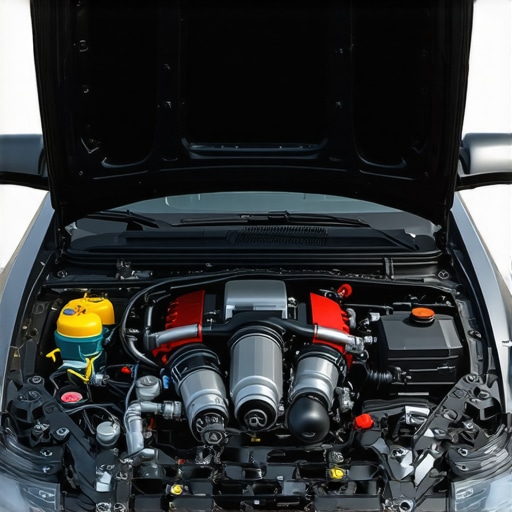
Begin by opening your hood and checking for obvious issues like loose wires, cracked hoses, or leaks. Pay special attention to the transmission fluid level and color because their condition can significantly impact shifting behavior. For example, dark, murky transmission fluid often indicates it’s time for a change, which can resolve many shifting problems. A quick visual check can often reveal the root cause before diving into more complex diagnostics.
Test the Transmission Fluid
If your transmission fluid looks dark or smells burnt, it’s essential to replace it promptly. Old or contaminated fluid causes poor clutch engagement and sluggish shifting, which can lead to shuddering when accelerating. To do this, locate your transmission dipstick, wipe it clean, reinsert, then pull it out to check the level and condition. If it’s low or dirty, schedule a fluid change—it’s a straightforward fix that often restores smooth shifting. For detailed guidance, see top oil change tips.
Adjust or Replace Spark Plugs
Worn or faulty spark plugs can cause misfires, resulting in shaking during acceleration. Remove the spark plugs and inspect for signs of wear, corrosion, or carbon buildup. Replacing them annually or every 30,000 miles ensures optimal combustion and engine smoothness. Use a torque wrench to secure new plugs correctly, preventing misfires. Proper spark plug maintenance is one of the simplest ways to keep your engine firing smoothly and prevent rough starts.
Check for Vacuum Leaks
Cracked vacuum hoses can cause uneven air-fuel mixture distribution, leading to rough acceleration. Listen for hissing sounds or visual signs of cracked or disconnected hoses. Use a vacuum gauge or spray carb cleaner around hoses—if the engine RPM changes, you’ve found your leak. Replacing cracked hoses restores proper engine breathing, improving overall performance. For more on how vacuum leaks impact engine health, visit this guide.
Examine the Clutch or Torque Converter
If you drive a manual transmission, a worn clutch can cause shuddering during acceleration. Test for clutch slippage by attempting a slow start in a safe area—if the engine revs but the car doesn’t accelerate proportionally, the clutch might need replacement. For automatic transmissions, the torque converter could be slipping if you notice shuddering or delayed engagement. Diagnosing these components might require professional help, but early signs can be caught with careful observation. Learn more about transmission troubles at this resource.
Monitor Engine Performance with a Diagnostic Scanner
Using an OBD-II scanner enables you to read trouble codes stored in your vehicle’s ECU. Codes related to misfires, transmission issues, or sensors can pinpoint underlying problems. Even if there’s no CEL (check engine light), some scanners provide live data to monitor sensor readings—helpful to spot irregularities during acceleration. Investing in a scanner or visiting a mechanic with diagnostic tools will clarify the causes of shuddering, guiding more targeted repairs. For trusted mechanic advice, see this article.
Regular Maintenance to Prevent Shaking
Prevention beats cure. Follow your vehicle’s maintenance schedule, including timely transmission fluid changes and spark plug replacements, to minimize issues. Checking fluid levels monthly and addressing minor leaks early can save you from expensive repairs down the line. Remember, a well-maintained vehicle responds smoothly during acceleration and provides a safer, more comfortable ride. For expert tips on vehicle upkeep, visit this page.
Many car owners assume that achieving an ASE certification guarantees flawless service and comprehensive expertise. While ASE certification indicates a technician’s validation, it doesn’t necessarily mean they can handle every complex vehicle issue perfectly. A common misconception is equating certification with hands-on skill—experience and specialized training often matter just as much, especially when dealing with nuanced transmission problems. For example, a master technician with decades of practice might diagnose subtle issues like early clutch wear or slip signs that newer ASE-certified techs might overlook, highlighting that certifications are valuable but not infallible. Don’t fall into the trap of thinking that ASE certification alone replaces ongoing education or a seasoned eye. Learn more about what ASE certification truly signifies.
Advanced Insights: Are all transmission repairs created equal, or is there a hidden nuance?
Many people believe that a simple fluid change can fix transmission shuddering or delayed engagement. In reality, transmission issues often hide deeper, such as internal clutch wear, valve body malfunctions, or solenoid failures. While a transmission fluid flush is beneficial, relying solely on it may mask underlying damage, leading to premature component failure if not diagnosed properly. Skilled technicians will often use advanced diagnostic techniques—like pressure testing or electronic system reviews—to uncover these hidden faults. An important warning is that ignoring diagnostics might temporarily mask symptoms but cause long-term damage. Studies have shown that proper diagnostics extend vehicle lifespan and save money in the long run, emphasizing that advanced troubleshooting is essential rather than just routine repairs.
Similarly, many owners think that a regular oil change suffices for all maintenance needs. But the nuance lies in selecting the right type of oil, change intervals, and complementary services like filter replacement. For instance, synthetic oils might provide better engine protection for high-mileage vehicles, but neglecting to replace a clogged oil filter can negate these benefits. This underscores that maintenance isn’t just about ticking boxes—it’s about understanding your vehicle’s unique needs and the advanced chemistry of lubricants, which can be complex. Are you aware of how oil and coolant conditions impact vehicle longevity?”
To truly comprehend these nuances, you need to go beyond surface-level fixes and invest in deep diagnostics, ongoing education, and trusting the right professionals. Each component, from the transmission to engine oil, possesses layers of complexities, and mastering these can save you thousands over the vehicle’s lifespan. Remember, a well-informed car owner makes smarter maintenance decisions, properly leveraging expertise and advanced knowledge.
Have you ever fallen into this trap? Let me know in the comments!
Keeping your vehicle in top shape requires more than just routine visits to the mechanic. Investing in the right tools and adopting effective methods can significantly extend the lifespan of your car, especially when tackling complex tasks like transmission repairs or oil changes. One must-have item I personally rely on is a high-quality diagnostic scanner, such as the BlueDriver Bluetooth Professional Diagnostic Scan Tool. I use it not only to read trouble codes but also to monitor live sensor data, which allows me to identify issues like creeping oil pressure anomalies or subtle transmission slippages well before they escalate. To ensure accurate readings, I always calibrate the scanner periodically and keep the vehicle’s engine off during initial diagnostics, aligning with manufacturer recommendations.
For transmission maintenance, my go-to method involves regular fluid testing combined with pressure checks. I prefer the GearWrench Oil Change and Fluid Service Kit, which provides precise adapters and strainers, making it easier to access hard-to-reach drain points and inspect fluid quality. When the transmission fluid turns dark brown or smells burnt, I recommend a full flush, not just a simple drain-and-fill, as explained in this detailed guide. This approach helps prevent delayed engagement issues and avoids costly repairs tied to neglected fluid health.
Using software like AutoEnginuity can be transformative for those serious about long-term maintenance. It offers in-depth diagnostics, custom coding, and system resets that are essential when working on ASE-certified transmissions. I personally run these diagnostics monthly to catch early signs of clutch wear or valve body malfunctions, as discussed in this resource. At the same time, I integrate professional-grade ultrasonic leak detectors for any vacuum or coolant system anomalies, ensuring that minor leaks don’t turn into major failures.
When it comes to oil changes, I recommend using synthetic oils suited for specific engine types, coupled with a quality oil extractor like the Mityvac MV8000. This tool simplifies oil extraction through the dipstick tube, reducing mess and ensuring you replace every drop accurately. Maintaining an organized workspace—with clearly labeled containers for used fluids—not only promotes safety but also aligns with environmental standards. Regular oil analysis, using kits from companies like Blackstone Labs, provides insights into engine health that surpass visual inspections, helping you schedule changes proactively rather than reactively.
Looking ahead, the trend leans towards AI-driven diagnostics and remote maintenance monitoring, enabling car owners and technicians alike to predict failures with remarkable accuracy. As technology evolves, mastering these tools becomes crucial for anyone committed to long-term vehicle preservation. I suggest trying out advanced diagnostic software or ultrasonic leak detection first—it’s surprising how much unseen damage you can uncover early.
How do I maintain transmission health over time?
Beyond regular fluid changes, monitoring transmission temperature and pressure with dedicated tools can prevent overheating and slipping issues. Ensuring proper cooling, especially if towing or driving in high-temperature environments, extends the life of your transmission components. For comprehensive maintenance strategies, visit this guide.
Taking a proactive stance with high-quality diagnostic tools and meticulous maintenance routines helps keep your vehicle running smoothly for the long haul. Don’t forget, partnering with ASE-certified professionals when dealing with complex repairs can make all the difference—an expertise you should trust through continuous learning and using advanced equipment. Ready to elevate your car maintenance game? Start with a diagnostic scan today and see what hidden issues you might uncover!
Lessons That Changed How I Approach Car Maintenance
- Never assume a symptom is minor—sometimes, that slight shudder signals a hidden transmission issue that can escalate quickly without proper attention.
- High-quality diagnostic tools, like advanced scanner systems, have revealed problems invisible to the naked eye, saving me thousands in repairs and frustration.
- Consistent, proactive maintenance—such as regular fluid analysis and filter swaps—can prolong vehicle life far beyond expectations.
- Recognizing the value of experience over certifications alone reminded me that seasoned technicians often spot subtle signs that inexperienced eyes overlook.
Tools and Resources That Elevate My Maintenance Game
- BlueDriver Bluetooth Diagnostic Scanner: Its reliability and ease of use make it indispensable for early problem detection, a recommendation I stand by after years of testing.
- GearWrench Oil Change Kit: Precision and adaptability have made fluid replacements straightforward, promoting better transmission health in my fleet.
- AutoEnginuity Diagnostic Software: Its comprehensive system diagnostics help me verify that every component, especially transmission systems, are functioning optimally—an essential for serious car care.
- Blackstone Labs Oil Test Kits: Analyzing oil samples periodically has uncovered wear patterns and contaminants, guiding timely interventions that conserve engine health.
Your Next Step in Automotive Confidence
You possess the power to transform your vehicle maintenance routine into a proactive, expert-level practice. Embracing the secrets of ASE-certified transmission care and strategic oil management will not only extend your car’s lifespan but also enhance your driving confidence. Start today—invest in the right tools, educate yourself further, and don’t hesitate to seek professional advice when needed. Your vehicle deserves nothing less than the best you can give. Ready to take control? Let me know: what’s the first maintenance tweak you plan to make after reading this?