Why your transmission fluid looks like strawberry milkshake
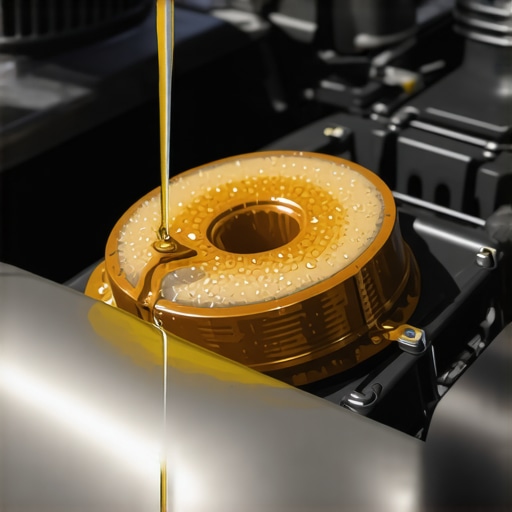
It was one of those frustrating mornings—imagine your car shifting roughly, and when you pop the hood, your heart sinks. There it is: transmission fluid that looks like a strawberry milkshake. Yeah, you read that right. I remember the first time I saw it; I thought someone had spilled a smoothie in my engine bay. Turns out, that’s a sign of something serious, and if left unchecked, it can lead to costly repairs.
Why Your Transmission Fluid is Turning Creamy and Why It Matters
I’ve been there. That bizarre pink, creamy goo can be a warning sign that your transmission is on the decline. What happens is, water, coolant, and contaminated debris mix with your transmission fluid, creating that milkshake-like consistency. This isn’t just an aesthetic issue—it affects how your vehicle shifts, accelerates, and even how long your transmission lasts.
Believe it or not, using contaminated fluid can double the rate at which your transmission wears out. According to automotive experts, degraded transmission fluid can significantly impair performance, eventually leading to complete transmission failure if neglected. This is why regular maintenance, such as fluid changes, is an absolute must for your peace of mind—and wallet.
Want to avoid the headache? Today, I’m going to walk you through how to identify this problem early, the true risks behind ignoring it, and the steps to get your transmission back in shape. Trust me, understanding this can save you a ton in repair costs later on.
Is Transmission Fluid Turning Pink Actually Worth the Hype?
Early on, I made a mistake many car owners do: I ignored that strange-looking reddish goo and thought it was nothing. Big mistake. It’s easy to dismiss signs like this, but as I learned, that goo is trying to tell you something—a sign that your transmission needs attention pronto. Skipping maintenance or dismissing early warnings can lead to catastrophic failures later. To ensure your car is in good hands, check out [What Does An ASE Certification Mean For Your Car’s Maintenance](https://autofixclinic.com/what-does-an-ase-certification-mean-for-your-cars-maintenance).
Curious if your own transmission fluid is compromised? Stay tuned—next, we’ll talk about how to recognize the symptoms before it’s too late. Remember, catching issues early keeps your car running smoother, longer.
Drain and Replace the Contaminated Transmission Fluid
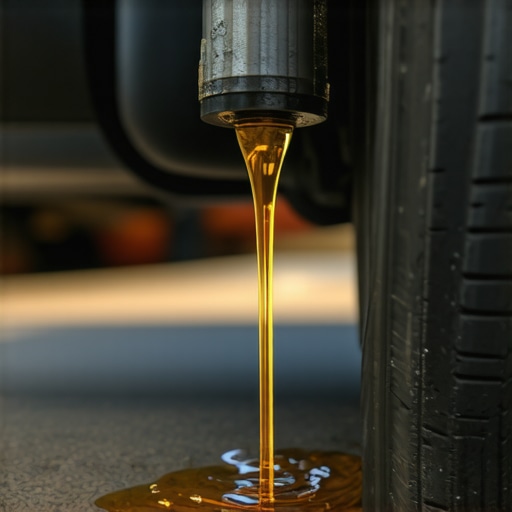
Start by parking your vehicle on a level surface, engaging the parking brake, and safely lifting the car if necessary. Locate the transmission fluid drain plug, which is typically at the bottom of the transmission pan. Loosen the plug with a socket wrench, allowing the strawberry milkshake-like fluid to flow into a drain pan. Be prepared for a mess—wear gloves and old clothes. Once drained, remove and clean the transmission pan thoroughly, scraping off any sludge or debris. Replace the drain plug securely.
Check and Replace the Transmission Filter
While the pan is off, inspect the transmission filter—it’s like a strainer catching debris before fluid circulates through the system. If it’s clogged or excessively dirty, replace it. Many filters are held by clips or screws—remove carefully, then install the new filter following the manufacturer’s instructions. This step prevents contaminated fluid from recirculating and ensures smooth shifting.
Refill Using Fresh, High-Quality Transmission Fluid
Refill the transmission with the manufacturer-recommended transmission fluid—this is similar to firing up a garden sprinkler with clean, fresh water after flushing out dirty water. Use a funnel to pour the fluid into the fill port, which may be accessible from the top or side of the engine bay. Check the vehicle’s owner manual or service guide for the correct fluid type and quantity. Avoid overfilling, as it can cause foaming and shifting issues. For accurate filling, use the vehicle’s dipstick or electronic level indicator as a guide.
Monitor Transmission Performance
Start the engine and let it idle in park for a few minutes, then shift through all gears to circulate the new fluid. Keep an eye on the transmission temperature and listen for unusual noises. Take the car for a test drive at varying speeds, paying attention to how it shifts and accelerates. If slippage, rough shifting, or strange noises persist, it might be time to consult an ASE-certified mechanic—find a trusted professional at our contact page. Proper diagnostics may reveal deeper issues like worn clutches or valve body problems that simple fluid changes can’t fix.
Schedule Regular Fluid Checks and Changes
Prevention beats repair—regularly inspecting your transmission fluid helps catch problems early. Check the fluid level and condition every 30,000 miles or as recommended in your vehicle’s manual. When inspecting, look for a pink or red color—if it appears milky or dark brown, it’s time for a change. This proactive approach can extend your transmission’s lifespan significantly, saving you money and headaches down the line. Learn more about the benefits at this article.
Remember the Role of Certified Mechanics
While DIY can be effective for minor maintenance, complex issues like contaminated transmission fluid often require expert attention. Always verify your mechanic’s credentials—an ASE certification guarantees a level of professionalism and expertise that ensures quality service. To verify, visit this helpful guide. This step prevents costly mistakes and ensures your car gets the proper care it deserves.
Many car owners believe they understand the basics of transmission and regular servicing, but the truth is, there are several misconceptions that can lead to costly mistakes. For instance, a widespread myth is that “if the transmission fluid isn’t dark, it’s healthy.” In reality, transmission fluid can look relatively clear yet still be contaminated or degraded internally, making visual checks alone insufficient. Advanced experts recommend testing the fluid’s properties with proper tools to truly gauge its condition.
Another often-overlooked nuance concerns the role of certified mechanics. While many think any mechanic can handle transmission repairs, choosing a technician with an ASE certification provides assurance of their expertise. An ASE-certified technician has undergone rigorous testing and adheres to industry standards, significantly reducing the risk of misdiagnosis or improper service. Verify your mechanic’s credentials by visiting this guide.
A common trap is assuming that an oil change is only necessary based on mileage. However, driving habits, climate, and vehicle age all influence oil degradation. Regular oil analysis can reveal contamination or breakdown signs that ordinary mileage checks might miss. This proactive approach can prevent engine wear, as supported by multiple studies emphasizing the benefits of tailored maintenance schedules tailored to actual engine conditions, not just mileage.
Consider the misconception that every car service provider offers the same quality. In reality, not all shops have technicians with the same level of training. For complex systems like transmissions or for advanced diagnostics, choosing a shop that prioritizes ongoing technician education and maintains a high standard of service is crucial. These shops often employ ASE-certified technicians and invest in continuous training—knowing this helps you avoid poor-quality repairs.
Understanding these nuances isn’t just an academic exercise; it directly impacts your vehicle’s longevity and safety. For example, neglecting to verify your mechanic’s credentials or misjudging oil health can lead to engine failure or transmission issues that are costly to fix. Always question common assumptions—what you think you know might be incomplete or outdated.
Have you ever fallen into this trap? Let me know in the comments. Remember, staying informed and choosing the right professionals ensures your car remains reliable for years to come.
Equip Yourself with the Right Tools for Long-Term Vehicle Health
Maintaining your car’s transmission and overall performance isn’t just about following the right procedures—having the proper tools is crucial. Personally, I rely on a combination of specialized equipment and trusted software to ensure my vehicle stays in excellent condition. For example, I always keep a high-quality digital multimeter from Fluke; it offers precise readings of battery and electrical system health, which is vital before performing any transmission diagnostics. Additionally, an OBD-II scanner like the Autel MaxiCOM is indispensable for reading error codes, monitoring sensor data, and ensuring the vehicle’s computer system is functioning correctly. These devices allow me to pinpoint issues swiftly, saving both time and money.
Investing in the correct hand tools is equally important. A professional-grade socket set with metric and imperial sizes, along with a torque wrench, ensures accurate assembly and disassembly, especially when replacing transmission filters or oil seals. Using subpar tools can lead to stripped bolts or improper torque, risking further damage.
Embrace Advanced Methods for Consistent Results
Beyond basic tools, incorporating software-based diagnostics and maintenance routines enhances your ability to keep the vehicle running smoothly. I recommend using automotive diagnostic software like the Mitchell UltraMate or OEM-specific apps—many car manufacturers now offer apps for real-time data, firmware updates, and troubleshooting guides. These resources, combined with my trusted scan tool, enable me to perform thorough checks periodically, catching potential issues before they escalate.
For regular oil and transmission fluid changes, I utilize a modular fluid extractor, which minimizes mess and ensures precise replacement. This method avoids overfilling and helps maintain optimal levels over time. Regular checks with a quality test strip can also reveal fluid contamination early, allowing timely interventions. Staying ahead of transmission problems is critical, especially as vehicle models evolve with more sophisticated systems.
How do I keep my transmission in peak condition over time?
Consistent maintenance involves scheduled fluid exchanges, diligent inspection for leaks, and using manufacturer-approved lubricants. As I mentioned in a previous post, leveraging high-quality transmission fluids and refrigerants tailored for your vehicle can extend its lifespan—learn more at this resource. Pairing these practices with professional diagnostics ensures that your transmission operates seamlessly for thousands of miles.
Looking ahead, I believe the future of vehicle maintenance will heavily depend on connected diagnostics, with real-time monitoring capabilities becoming more standard. This shift will empower car owners and technicians alike to address issues proactively—avoiding costly repairs and downtime.
If you haven’t already, try using a professional-grade scan tool combined with software updates regularly. It’s a game-changer in identifying and fixing transmission and engine issues early. For expert advice tailored to your vehicle, don’t hesitate to reach out to a trusted ASE-certified mechanic.
Lessons That Changed My Approach to Transmission Maintenance
- Often, I assumed that a clear or slightly pink transmission fluid meant everything was fine; turns out, internal degradation isn’t always visible, emphasizing the importance of professional testing over mere visual checks.
- One of my biggest surprises was learning that water contamination in transmission fluid can be sneaky—small amounts cause big damage—but regular fluid testing catches this early, saving costly repairs.
- Failing to replace a clogged transmission filter early on can lead to rough shifts and even transmission failure, making me realize that proactive filter inspection is a simple yet powerful step.
- I’ve come to appreciate that investing in the right diagnostic tools and certified mechanics isn’t a luxury but a necessity for preserving transmission health over the vehicle’s lifespan.
My Go-To Tools and Tips for Long-Term Transmission Reliability
For me, reliable tools like the Autel MaxiCOM scanner have been game-changers—those help me catch issues before they escalate. I also trust high-quality transmission fluids specified by manufacturers, which I find essential in preventing problems down the line. When it comes to selecting a mechanic, I always verify ASE certification—this small step filters out unqualified technicians and gives peace of mind. Additionally, reading trusted resources like this article has deepened my understanding of routine maintenance’s role in transmission longevity. Combining the right tools, knowledge, and professionals transforms maintenance from a chore into a safeguard for my vehicle’s future.
Take Charge of Your Transmission’s Future Today
Remember, the secret to a smooth-driving experience lies not only in fixing problems but in preventing them. Your transmission is central to your vehicle’s performance, and caring for it with insight and proper tools ensures reliability for miles ahead. So, why wait until a warning light appears or shifts become jerky? Start incorporating dedicated transmission checks into your routine now—your wallet, and your peace of mind, will thank you. Have you already begun implementing some of these practices? Share your experiences below!