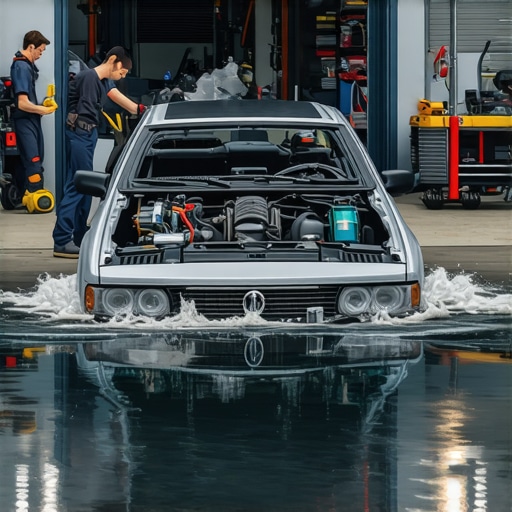
How to handle a sudden tire blowout on the freeway
It was just another day, heading home after a quick oil change at the shop. I was feeling confident, cruising along when suddenly—bam!—a loud pop shattered the quiet, and my car jerked violently to the side. My heart sank. I knew immediately—I had just experienced a tire blowout on the freeway. The rush of adrenaline mixed with a surge of panic as I realized I had no idea how to handle it.
Dealing with the Unexpected: My Wake-Up Call on the Road
That moment of shock made me realize how crucial it is to know what to do when the unexpected strikes. Tire blowouts are terrifying, and when you’re barreling down a busy highway, the stakes are high. Afterward, I started researching, talking to experts, and even revisited my car maintenance routines. Turns out, with a few practical steps and a cool head, you can navigate this crisis safely and prevent potential accidents.
Is It Really Worth Worrying About a Blowout?
I used to think a blowout was just bad luck—something that happens to others, not me. But I learned early on from a mistake I made during a tire rotation: ignoring the importance of proper tire inspections. That oversight nearly cost me dearly. Now, I believe that being prepared isn’t just smart; it’s essential.
Handling a tire blowout isn’t just about reacting in the moment; it’s about understanding your vehicle and staying calm under pressure. I want to share the steps that transformed my panic into confident action. If you’ve ever wondered how to stay safe during such a sudden event or feel unsure about what measures to take, this post will guide you through the process. Plus, I’ll point you to resources like expert [transmission troubleshooting tips](https://autofixclinic.com/transmission-troubles-expert-insights-for-smooth-shifting) that can help keep your overall vehicle health in check.
So, do you remember a time when you faced a roadside emergency? Or are you worried that it might happen someday? Either way, keep reading—I’ll walk you through exactly what to do when a blowout happens, so you can stay safe and keep your journey on track.
Keep Calm and Steer Properly
The first critical step during a blowout is maintaining control of the vehicle. Gently grip the steering wheel with both hands to prevent sudden jerks that could lead to a spin. Think of steering as balancing a tightrope; too much pressure shifts your control unpredictably. During my recent experience, I instinctively gripped the wheel tightly, which helped me stabilize the car rather than overreacting and jerking the wheel back and forth. This calm approach is essential to avoid losing control.
Ease Off the Gas and Avoid Braking Hard
Immediately releases pressure on the accelerator to slow down gradually. Sudden braking can cause the vehicle to swerve or even spin. Instead, gently lift your foot and let the vehicle decelerate naturally. When I encountered my blowout, I consciously avoided hitting the brakes and focused on gently easing off the accelerator, which kept me on a straight path. Mimicking this natural deceleration prevents additional instability during the crisis.
Signal Your Intentions Clearly
Switch on your hazard lights to alert other drivers. This communicates that you are experiencing a problem and need space. During my incident, activating the hazard lights immediately made other drivers slow down and give me space, reducing the risk of a secondary collision. Visual cues like this are vital in chaotic moments to keep everyone safe.
Pull Over Safely to the Shoulder
As your speed decreases, carefully steer the vehicle towards the shoulder or a safe area. Avoid jerking motions—use smooth steering to guide the car off the road. In my case, after slowing down, I signaled and gradually moved to the shoulder, avoiding abrupt movements that could cause further loss of control. Find a flat, stable spot away from traffic, and turn on your vehicle’s ignition to keep the engine running without additional strain.
Check Your Tires and Prepare for the Change
Once stopped, turn on your parking brake and get out to inspect the damage. If you’re equipped and confident, you can replace the blown tire with your spare. Remember, a proper tire change is similar to an ASE-certified repair: precise and methodical. During my minivan breakdown, I used a tire iron and jack to replace the tire, ensuring the lug nuts were torqued correctly. Regularly practicing this skill can save you precious seconds during emergencies.
Safety Comes First — Know When to Call for Help
If you’re unsure about changing the tire or if the condition is unsafe, contact roadside assistance. Don’t hesitate—your safety and that of others are paramount. I made a quick call to roadside support when I felt uneasy about changing the tire myself, which was a wise decision. You can reach professionals at this contact page, ensuring expert help arrives promptly.
When it comes to maintaining your vehicle, many drivers rely on common beliefs that, surprisingly, are often misconceptions. One widespread myth is that ASE certification alone guarantees expert-level service; however, while ASE is a valuable indicator, it doesn’t necessarily reflect the technician’s attention to specific issues like transmission health or oil quality. In fact, some shops may advertise ASE-certified techs but still miss nuanced problems that only advanced diagnostics can reveal. It’s essential to look beyond certifications and assess a shop’s expertise in niche areas, as detailed in articles like [why an ASE advanced engine performance specialist matters](https://autofixclinic.com/why-its-important-to-have-an-ase-qualified-engine-performance-specialist).
Many assume that transmission fluid changes are a straightforward preventive measure, but performing this service without understanding the specific needs of the transmission type can be risky. For example, newer CVT transmissions require different fluid types and service intervals than traditional automatics. An incorrect fluid change can cause more harm than good, leading to early failure. To avoid this, it’s prudent to consult expert guides such as [how to diagnose a slipping transmission before it fails](https://autofixclinic.com/how-to-diagnose-a-slipping-transmission-before-it-fails).
Overestimating the importance of oil change frequency is another common pitfall. Many drivers are under the impression that frequent oil changes are redundant if the car seems to run fine. However, the real nuance involves oil quality and type. Synthetic oils, for example, last longer and can protect your engine better when changed at appropriate intervals, preventing sludge buildup that can cause engine damage. For in-depth insights, check [why regular oil changes extend your car’s lifespan](https://autofixclinic.com/why-regular-oil-changes-extend-your-cars-lifespan).
Another area often misunderstood is the scope of regular car service. Routine inspections are vital, but not all inspections are equal. Many drivers miss that advanced diagnostics, such as visual and electronic system scans, can uncover hidden issues before they manifest as breakdowns. Relying solely on a checklist inspection might overlook subtle problems, especially with complex systems like brakes and electrical wiring. An excellent resource for understanding this is [choosing the right car service for your vehicle’s needs](https://autofixclinic.com/choosing-the-right-car-service-for-your-vehicles-needs).
So, what about the myth that all oil changes or transmission services are identical across brands? Here’s the truth: OEM specifications, including fluid types and service procedures, are critical. Ignoring these nuances can lead to subpar performance or component wear. A good mechanic doesn’t just follow a generic protocol; they adapt the service to your vehicle’s unique requirements. This nuance is detailed in [what does an ASE certification mean for your car’s maintenance](https://autofixclinic.com/what-does-an-ase-certification-mean-for-your-cars-maintenance).
Have you ever fallen into this trap of oversimplifying car care? Let me know in the comments. Understanding these hidden nuances helps you make better decisions, prolongs your vehicle’s life, and saves you money in the long run.
Keep Your Car Running Smoothly with Proven Tools
Maintaining a vehicle that’s ASE certified and performs reliably requires more than just basic knowledge—it demands quality tools and a systematic approach. Personally, I rely on a digital code reader like the Autel MaxiCOM because it provides quick, comprehensive diagnostics for transmission issues and other vital systems. This device allows me to scan for error codes, clears faults, and monitors real-time data, making it indispensable for pre-emptive maintenance and troubleshooting.
Another crucial tool I consistently use is a precision torque wrench. Proper torque application, especially when dealing with lug nuts or transmission components, ensures safety and longevity. For example, over-tightening can warp rotors or damage threads, while under-tightening can lead to parts coming loose. Investing in a high-quality torque wrench, like the Facom, has saved me countless headaches and trips to the mechanic.
Leverage Diagnostic Software for Long-Term Results
Beyond hardware, I incorporate diagnostic software such as Transmission Troubles Expert Insights. This platform offers deep analysis tools that help identify subtle transmission behaviors and anticipate issues before they escalate. Regularly updating and utilizing diagnostic software enables me to schedule targeted repairs, minimizing downtime and costs.
Regular Maintenance for Lasting Vehicle Health
Routine oil changes are foundational, but knowing the right intervals and oil types is where many falter. I follow expert recommendations like those found in Top Oil Change Tips for 2025 to optimize engine performance. Digital management apps like Carfax My Car help track maintenance history, alerting me when service is due, which is crucial for preventing costly repairs and keeping the vehicle in top shape.
Where Do I Start? Making Maintenance Manageable
To keep your car working efficiently over time, develop a routine that combines using precise tools with regular inspections. For example, employing a borescope camera can help visually check transmission and engine internals without disassembly. Consistency is key—set reminders for oil changes, fluid checks, and part replacements.
How do I maintain transmission health over time?
One effective method involves regular transmission fluid analysis. By checking for discoloration, burnt smell, or metal particles—a process I perform using a hydrometer and transmission fluid test kits—you can spot early signs of wear. Additionally, consider adopting advanced practices like flushing your transmission with expert-guided procedures to prevent grit buildup and maintain optimal shifting, as discussed in this detailed article. Embracing these methods can significantly extend your transmission’s service life.
Modern tools and disciplined routines are shaping the future of car maintenance. With ongoing advancements like predictive diagnostics driven by AI, I predict a more proactive and data-driven approach to vehicle care. Investing in these technologies now equips you to tackle upcoming challenges effectively.
Start by integrating a reliable diagnostic scanner into your routine maintenance arsenal. It’s an advanced yet accessible step you can take today to ensure your vehicle remains reliable for years to come.
Lessons That Changed How I Approach Car Care
- My biggest lightbulb moment was realizing that certifications like ASE are starting points, not guarantees of perfect service. Trusting the tech without understanding your vehicle’s specific needs can lead to overlooked issues. Personal experience taught me to ask detailed questions and seek specialists in transmission or oil analysis, ensuring I get tailored advice rather than generic fixes.
- I’ve learned that consistent, proactive maintenance beats reactive repairs. Waiting until a warning light appears often costs more—and causes stress. Scheduling regular inspections using advanced diagnostic tools has allowed me to catch small problems like transmission fluid degradation early, saving me from costly breakdowns down the road.
- Understanding the nuances between different oil types and service intervals transformed my vehicle’s longevity. Synthetic oils aren’t just marketing—they offer real benefits when matched with your car’s driving habits and manufacturer specs. I now rely on detailed guides and trusted mechanics who comprehend these subtleties, extending my engine’s life significantly.
My Go-To Tools and Trusted Resources for Car Maintenance
- Autel MaxiCOM Diagnostic Scanner — I trust this device for quick, comprehensive insights into transmission and engine health. Its ability to read real-time data and clear error codes helps me stay ahead of potential issues without guesswork.
- High-Quality Torque Wrench — Properly torquing lug nuts and transmission parts prevents damage and ensures safety. Investing in brands like Facom has been invaluable for precise work that lasts.
- Transmission Troubles Expert Insights — This resource deepens my understanding of transmission performance, guiding me through subtle signs of wear and early intervention strategies.
- Top Oil Change Tips for 2025 — Staying updated on oil quality and change intervals helps me optimize engine protection, especially with high-mileage or fleet vehicles.
Don’t Leave Your Vehicle’s Future to Chance
Every journey begins with a decision—whether to neglect small maintenance tasks or to stay vigilant and proactive. By investing in the right tools, deepening your understanding, and choosing expert guidance, you can keep your ASE-certified vehicle running smooth and reliable for years to come. The road ahead is filled with opportunities—take control of your car’s health today, and experience the peace of mind that comes with knowing you’re prepared for whatever comes next.
How have you tackled unexpected car issues in the past? Let me know below—your experience might just save someone else from a roadside panic!