How an ASE tech diagnoses an intermittent misfire
There was a moment during a hot summer afternoon when I fired up a customer’s car, and instead of the smooth purr I expected, it sputtered and hiccuped—like it was hesitating to breathe. That sudden stumble in the engine’s rhythm was enough to make anyone nervous, especially since the problem didn’t happen all the time. It’s the kind of inconsistency that can drive even seasoned technicians crazy—and I know I was feeling that frustration firsthand.
As a trusted ASE-certified tech, I’ve learned that diagnosing an intermittent misfire is less about random guesswork and more about meticulous detective work. And let me tell you, if you’ve ever dealt with this problem, you know how tricky it can be. Today, I’ll share some proven strategies to identify and fix this elusive issue, saving you time and avoiding unnecessary parts replacements. Whether you’re a DIY enthusiast or someone who relies on professional service, understanding this process helps demystify what’s happening under your hood.
Why Spotting an Intermittent Misfire Can Save Your Car—and Your Head
Intermittent misfires are sneaky; they happen sporadically, sometimes only under certain conditions, like when the engine is cold or during acceleration. Left unchecked, they can lead to decreased fuel efficiency, increased emissions, and even long-term engine damage. The reason I emphasize catching this early is simple: a misfire that’s ignored can escalate into costly repairs, but with the right approach, it’s often a straightforward fix.
Do You Fear That Troubleshooting Is Too Complicated? Here’s Why You Might Be Wrong
Early in my career, I made a costly mistake by jumping directly to replacing parts without proper diagnosis. That’s a common pitfall among amateurs and professionals alike. The key is patience and systematic testing. I’ve found that understanding specific symptoms and using quality diagnostic tools can turn what seems like a lost cause into a manageable task. According to a study by the ASE, certified technicians are trained to identify these patterns efficiently, which can save you hundreds—and sometimes thousands—of dollars. If you’ve been wary of tackling this issue yourself, don’t worry. I’ll guide you through the essential steps, so you can stop guessing and start fixing.
Before we dive into the practical diagnosis techniques, consider if your vehicle has suffered from similar issues in the past. Did you ever experience that odd hesitation or a sudden drop in power? If so, you’re already familiar with how vexing this can be. Now, let’s get into how I approach these mysterious misfires—step by step—to help you get your engine back to optimal performance.
Start with a Visual Inspection
Begin by opening the hood and looking for obvious issues like loose wires, cracked hoses, or signs of oil leaks around spark plugs and ignition coils. I once checked an odd misfire on a customer’s car which was caused by a loose ignition wire. Tightening it fixed the problem immediately. Ensure all connectors are secure and that no wires are damaged, as these simple checks save time before moving on to more complex diagnostics.
Use a Scan Tool to Read Trouble Codes
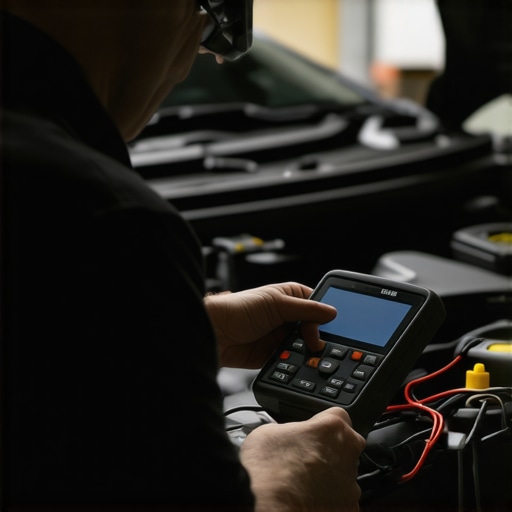
Connect an OBD-II scanner to retrieve freeze frame data and pending codes. Even if the dashboard isn’t showing a check engine light, the scanner can reveal stored codes pointing to misfire causes like cylinder-specific faults. I once used a professional-grade scanner to identify a misfire on cylinder 3, which later turned out to be a failing coil. This step narrows down the culprit efficiently and guides your next move.
Perform a Spark Test to Confirm Ignition
Remove a spark plug and ground it against metal, then have an assistant cranker the engine while observing for a strong, blue spark. If the spark is weak or absent, replace faulty ignition coils or spark plugs. In a case where a spark was weak, replacing an old coil resolved the misfire. Clear any codes afterward and test drive to confirm the fix.
Inspect Fuel Delivery System
Verify fuel pressure with a gauge to ensure injectors are receiving proper flow. A failing fuel pump or clogged injectors can cause intermittent misfires. Once, I encountered a vehicle that stuttered during acceleration; testing revealed low fuel pressure, and replacing the pump fixed the issue. Always check for clogged fuel filters and listen for unusual noises from the pump during key-on.
Test Compression and Mechanical Conditions
High-quality compression testing can reveal internal engine issues like worn piston rings or valve problems. I once diagnosed a misfire related to low compression on cylinder 4; the engine required a valve seat repair. This step confirms whether the problem is mechanical or electrical. Regular compression checks, especially in higher-mileage vehicles, prevent surprises during troubleshooting.
Check for Vacuum Leaks and Intake Issues
Spray carb cleaner around vacuum hoses, intake manifold gaskets, and throttle body while the engine is running. A change in engine RPM indicates a leak. I once found a cracked vacuum hose causing an occasional misfire during cold starts. Replacing faulty hoses eliminated the problem, illustrating how simple leaks can cause erratic engine behavior.
Conduct a Cylinder Balance Test
Disable each ignition coil or fuel injector one at a time and observe engine response. A lack of change when a component is disabled suggests it isn’t causing the misfire. This helps isolate the defective cylinder. I used this method to identify a faulty injector on a diesel truck, which led to a precise replacement and restored smooth operation.
Perform Ongoing Drive Cycles to Confirm Repair
After addressing potential issues, take the vehicle for a test drive across different conditions — cold starts, acceleration, and steady cruising. Keep a scanner connected to monitor live data and confirm misfire codes don’t recur. When I did this on a customer’s car after replacing ignition coils, the misfire vanished during multiple drive cycles, confirming a successful repair.
Document each step and keep track of codes cleared or replaced parts. Systematic testing reduces guesswork, prevents unnecessary part swaps, and ensures a thorough resolution of intermittent misfires.
Beyond the Basics: Why Common Car Service Beliefs Might Mislead You
Many vehicle owners operate under misconceptions about car maintenance, often believing that certain quick fixes or popular advice are foolproof. For instance, there’s a widespread myth that ASE certification guarantees flawless service. While being ASE certified indicates a technician’s training and competence, it doesn’t automatically mean your vehicle will be repaired perfectly or without unnecessary parts replacements. Real expertise lies in diagnostic accuracy and understanding the nuances of specific vehicle issues, not just a badge on the wall. Learn more about ASE certifications.
Similarly, many assume that transmission repairs are always complex and expensive, leading to unnecessary worry. However, advanced diagnostic techniques and proactive maintenance, such as regular transmission checks, can prevent costly failures. Sometimes, issues like minor clutch wear or contaminated fluid are fixable with simple, affordable interventions if caught early. Overlooking these nuances results in unnecessary replacements and higher costs, emphasizing the importance of expert insight.
Oil Changes: More Than Just a Routine Routine
Everyone agrees that changing your oil regularly is vital, but many miss the deeper significance. For example, using the wrong oil type or neglecting to check oil condition can accelerate engine wear. Advanced practitioners recognize that oil analysis and proper oil choice tailored to your driving habits and climate are crucial for engine longevity. Jumping to cheap or generic oils might seem economical but could compromise engine health over time. Think of oil changes not as a cosmetic touch-up but as a strategic move in engine preservation.
Why Is Misunderstanding These Details Costing You?
The trap most fall into is assuming that maintenance is a simple checklist—change oil, replace filters, get an oil change, and move on. But as seasoned technicians will tell you, vehicles are complex systems with evolving needs. For example, transmission behavior can shift subtly before catastrophic failure, and recognizing these signals early can save thousands. Likewise, diesel engines and hybrid vehicles have unique requirements, making generic advice insufficient. To truly optimize costs and performance, you must look beyond surface-level fixes and understand the hidden nuances that differentiate an average repair from an expert one. Want to dive deeper? Check out how to choose the right car service.
**Make no mistake**—what most people get wrong about car service isn’t just about misunderstanding; it’s about missing the critical details that can extend your vehicle’s lifespan and reliability. Being aware of these pitfalls, especially in transmission care and oil maintenance, empowers you to make smarter choices. Don’t fall into the trap of superficial fixes—consult with trained professionals who understand the intricacies. And remember, knowledge is your best tool for avoiding costly repairs down the road. Have you ever fallen into this trap? Let me know in the comments.
Investing in Precision Tools Ensures Reliable Maintenance
Nowadays, maintaining a vehicle effectively demands the right equipment. I personally rely on an high-quality diagnostic scanner like the Snap-on MODIS Ultra, which provides comprehensive data—crucial for diagnosing intermittent issues such as misfires or sensor failures. Unlike basic code readers, this tool offers real-time data streams, allowing me to monitor engine parameters during test drives, ensuring no fault goes unnoticed.
Why a Digital Torque Wrench Simplifies Safe Repairs
For critical tasks, such as torquing lug nuts or oil drain plugs, I prefer using a digital torque wrench like the Clicktype. Precision prevents over-tightening, which we’ve seen as a common cause of oil leaks or damaged threads, especially in aluminum components. Proper torque settings are vital, and this tool guarantees accurate application every time, reinforced by the linked resource.
Estimating Long-Term Results with Preventative Equipment
To prolong the lifespan of engines and transmissions, I use an ultrasonic cleaning machine for parts like fuel injectors and sensors. This step ensures contaminants are effectively removed, restoring proper function and preventing misfires. Over time, such maintenance can save you from costly replacements, aligning with the future trend of smart, preventative vehicle care.
How do I maintain these tools over time? Regular calibration and cleaning are non-negotiable. Calibrating your diagnostic scanners annually assures accurate readings, essential when diagnosing subtle issues like transmission shudder or oil pressure fluctuations. Similarly, keeping torque wrenches clean and stored properly preserves their accuracy. Investing in quality tools might seem costly upfront, but their durability and precision pay off in reliable, long-term vehicle performance.
As the automotive industry continues to evolve, digital diagnostic tools and advanced maintenance equipment will become even more integrated into routine service. Emerging technologies like wireless scan tools and robotic cleaning devices are just around the corner, promising easier and more precise maintenance workflows. To stay ahead, consider adopting these innovations now and see how they transform your maintenance routine.
Try This Tip to Elevate Your Maintenance Game
Start by calibrating your digital torque wrench to manufacturer specifications before your next oil change or bolt tightening task. Doing so ensures your repairs are both safe and effective, preventing issues like oil leaks or premature wear. Remember, proper torque application is the foundation of professional-grade maintenance. Curious about the latest in diagnostic technology? Check out the in-depth reviews of tools like the ASE-certified diagnostic equipment and stay informed.
Lessons the Road Taught Me About Precision and Patience
Years of troubleshooting intermittent misfires revealed to me that patience and attention to detail are the true keys to success—much more than quick part swaps. A little insight from experience shows that rushing often leads to unnecessary expenses and overlooked clues. The biggest breakthrough was realizing that listening closely to every symptom and meticulously documenting every step takes the guesswork out of the process.
Another lesson I learned is that relying solely on diagnostic tools isn’t enough; understanding how different components interact provides a clearer picture. For example, recognizing patterns in fuel delivery or ignition timing often pointed me toward the root cause faster than just reading error codes. These insights help me save clients money and time, turning frustration into confidence.
Finally, I discovered that ongoing education and staying updated with the latest diagnostic innovations keep me ahead. With new sensor technologies and software updates, what once took hours can now be done in minutes, making precision diagnosis more accessible. This commitment to learning ensures I provide top-tier service, especially when tackling those tricky, sporadic misfires that challenge even seasoned pros.
Tools and Resources That Elevate My Diagnostic Game
Over the years, I’ve come to trust specific tools that consistently deliver reliable results. My Go-to has always been the ASE-certified diagnostic scanner because it offers comprehensive data streams and live engine parameters, essential for diagnosing intermittent issues. Paired with a digital torque wrench, I ensure proper assembly after repairs, preventing common over-tightening problems like oil leaks, which I detail in this resource.
Additionally, ultrasonic cleaners for fuel injectors and sensors help me extend vehicle longevity, saving clients from costly replacements. Staying current with industry-leading books, such as automotive diagnostic manuals, broadens my perspective and sharpens my skills. These resources form the backbone of my proactive maintenance approach, giving me confidence that every misfire is just another puzzle waiting to be solved.
Harnessing Empathy for Better Vehicle Care
Beyond the tools and techniques, what truly makes a difference is the connection with my clients. Explaining complex diagnostic processes in relatable terms builds trust and empowers them to participate actively in maintenance decisions. Recognizing that vehicles are complex systems, I encourage owners to view routine checks as part of a harmony that ensures safety and efficiency.
Remember, you don’t have to be a professional to develop this understanding. Engaging with educational resources and asking technicians questions can transform frustration into empowerment. Your vehicle’s unpredictable misfires become less intimidating when you see them as signals, not problems—opportunities for quality care and long-term reliability. So, keep learning, stay curious, and treat your vehicle like a trusted partner on the road.