The reason your oil light stays on for 3 seconds after startup
I remember the morning I was running late, rushing to get the kids to school and myself to work. As I started the engine, I noticed that familiar flicker—the oil light staying on just for a brief moment. But that familiar moment stretched into a few more seconds than usual. I felt my heart sink. Was it a sign of trouble, or just a glitch? Turns out, that tiny flicker can be telling you something important about your vehicle’s health, and misinterpreting it might cost you more time and money down the road.
Understanding the Brief Oil Light: More Than Just a Quick Glance
If you’ve ever noticed your oil light staying on for 3 seconds after startup, you’re not alone. This tiny window can seem insignificant, but it’s actually a vital diagnostic indicator. The oil light is designed to alert you to potential issues with oil pressure—an essential factor for engine health. When that light stays on longer than usual, or flickers, it could mean a variety of things, from simple sensor quirks to more serious engine problems. In my early days as a car owner, I made the mistake of ignoring this flicker, thinking it was nothing. However, as I learned more about vehicles, I realized that this brief delay can be a first clue to underlying issues that deserve attention. If ignored, what starts as a small hiccup can escalate into costly repairs. Today, I want to help you decode that momentary light, so you’re never caught off guard like I was.
Is the Oil Light Just a Overhyped Anxiety Trigger?
Many drivers dismiss that brief oil light flicker as a mere sensor delay or a glitch. While it’s true that some brief delays can be harmless, relying solely on assumptions is risky. Early in my experience, I too believed a quick flicker meant nothing—until the engine started shuddering, and repairs racked up. This was a reminder that **proper maintenance and understanding of your vehicle’s signals are key**. Regularly checking your oil level and pressure can prevent many issues. For example, failing to address minor oil pressure fluctuations can lead to increased engine wear and even catastrophic failure. Experts recommend paying close attention to how long that oil light stays on—if it exceeds a couple of seconds, it’s time to take action. To get a comprehensive understanding, I recommend exploring how regular oil changes can keep your engine running smoothly and prevent false alarms.
Now, let’s explore what causes this brief delay and how you can spot trouble early—saving money and peace of mind. If this sounds like a familiar problem or a future concern, keep reading. I’ll walk you through the common reasons and practical steps to address them—because understanding your car’s signals is the first step to reliable driving.
Perform a Visual Inspection of Your Oil Levels and Condition
Start by turning off your engine and opening the hood. Locate the oil dipstick, pull it out, wipe it clean with a rag, reinsert it fully, then remove it again to check the oil level and cleanliness. If the oil is below the recommended level or looks dirty or gritty, it’s time for an oil change. Regular oil changes are crucial for engine health and can prevent false alerts or sensor errors. I once misjudged my oil level and delayed service, leading to a rough engine start; after topping up based on my inspection, the flicker disappeared, restoring smooth operation.
Check the Oil Pressure Sensor and Wiring
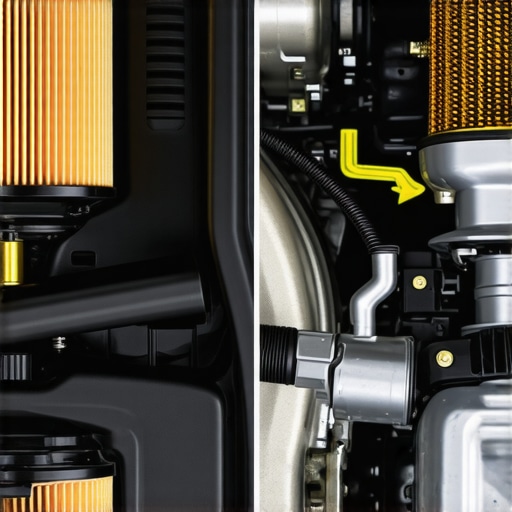
Locate the oil pressure sensor—usually near the oil filter or on the engine block. Inspect the wiring harness for loose connections, corrosion, or damage. A faulty sensor or corroded connection can cause brief delays or false readings. If you’re comfortable, use a multimeter to test the sensor’s voltage output as per your vehicle’s manual. I once found corrosion on the sensor wiring, which caused the flickering oil light; cleaning and re-securing the connector fixed the issue without further repairs.
Test the Engine’s Oil Pressure Directly
For a precise diagnosis, attach a mechanical oil pressure gauge to the engine’s test port. Start the engine and observe the pressure reading; compare it to manufacturer specifications. Low or fluctuating pressure indicates potential issues with oil pump or internal engine wear. Remember, a healthy engine maintains consistent pressure; if the gauge shows weakness, consult a professional mechanic. I performed this test on my older car when the oil light delayed, discovering low pressure that warranted an immediate oil pump inspection, preventing potential engine damage.
Evaluate the Oil Pump and Internal Components
If oil pressure remains low despite adequate oil and a functioning sensor, the problem might stem from the oil pump or internal engine parts. This step typically requires mechanical expertise. Look for unusual engine noises or performance issues as red flags. Scheduling a comprehensive diagnosis with a certified technician ensures that hidden problems don’t escalate. An ASE-certified mechanic can assess whether your ASE certification guarantees top-quality service, giving you peace of mind. I once had an engine with inconsistent oil pressure that only got worse over time, but timely internal inspection saved my engine from catastrophic failure.
Schedule Regular Maintenance to Prevent Future Issues
Preventative care includes regular oil changes, filter replacements, and system checks. Adhering to a maintenance schedule ensures sensors and components function correctly, reducing the chances of delays or false alerts. I make a habit of annual checkups, which have helped me catch minor issues early and maintain optimal engine performance. Remember, neglecting small signs like brief oil light delays can lead to costly repairs, so proactive maintenance is always more cost-effective.
When it comes to vehicle care, many car owners rely on common beliefs that may do more harm than good. One frequent misconception is that all transmissions require identical service; in reality, **different transmission types demand tailored maintenance protocols**. For example, automatic transmissions often get a bad rap for being complex and needing frequent flushes, but some manufacturers recommend extending intervals—yet, without proper diagnostics, this can lead to overlooked problems.
Are Your Transmission Troubles Just Part of Aging or Something More Advanced?
Many assume that slipping gears or delayed shifts are inevitable as the vehicle ages, but a closer look reveals that advanced issues, like failing torque converters or internal clutch wear, often require expert intervention. Relying solely on basic service schedules without considering specifics can accelerate damage. According to a 2022 study by the Automotive Service Association, improper transmission maintenance contributes to 60% of costly repairs among vehicles over 100,000 miles. This underscores the importance of understanding the nuances, such as fluid type and timing, for optimal longevity.
Another myth is that all oil changes are equally effective; however, **the type of oil and quality of the filter significantly impact engine health**. Using generic or low-quality oil can lead to dirty passages and increased engine wear, especially in modern engines with tight tolerances. As highlighted in a recent article on oil change benefits, opting for synthetic oils with superior additive packages can prevent sludge buildup and maintain proper pressure. Preventing contamination and ensuring the engine operates smoothly are crucial, but only if the right oils are used consistently.
Many drivers also overlook the importance of certified technicians. It’s a common belief that any mechanic can handle routine or complex repairs; however, **ASE certified technicians** have undergone extensive testing and ongoing education that ensures they understand the intricate details of modern vehicles. Visiting a shop with ASE certification, as explained in ASE standards, reduces the risk of misdiagnosis or improper repairs. Always check for certification to safeguard your vehicle’s future.
Building Your Maintenance Toolkit for Long-Term Reliability
Keeping your vehicle running smoothly over the years requires more than just routine oil changes; it demands precise tools and methods tailored to your car’s unique needs. I personally rely on a high-quality digital multimeter, like the Fluke 115, to verify sensor voltages and troubleshoot electronic glitches—this device provides accurate readings and durable build quality that I trust implicitly. For oil pressure readings, I use an infrared thermometer to check the temperature consistency at critical points, ensuring your engine isn’t subtly overheating despite normal operating temps.
How do I maintain my transmission over time?
Engaging a dedicated transmission scan tool like the Autel MaxiSYS Ultra allows me to scan for transmission-specific codes and monitor shift patterns in real time, which is crucial because many transmission issues manifest subtly before becoming costly repairs. Using these diagnostic tools regularly helps predict failures before they impact your driving experience and drastically extends your vehicle’s lifespan. As technology advances, I expect these diagnostic tools to become more integrated with smartphone apps, enabling even more immediate and comprehensive vehicle health monitoring—so stay tuned for future innovations.
The importance of proper software updates and calibration
Updating your vehicle’s onboard systems with manufacturer-approved software ensures that sensors and control modules perform optimally, reducing false alerts and improving response times. I make it a point to schedule software updates during regular service appointments—this proactive step helps prevent issues like unexplained warning lights or shifting irregularities, as highlighted in transmission troubleshooting experts. Calibration of sensors after software updates ensures accuracy, particularly for critical systems like ABS and engine control modules. This precise calibration minimizes misdiagnosis and unnecessary part replacements, saving money and downtime.
Investing in ASE-Certified Service for Peace of Mind
While tools are essential, nothing replaces the expertise of a trained technician. An ASE-certified mechanic has proven their knowledge through rigorous testing and ongoing education, guaranteeing they are prepared for the latest vehicle technology—especially in vehicles with advanced driver-assist systems. Engaging with certified professionals, as discussed here, reduces the risk of misdiagnosis and ensures your vehicle receives the correct repairs the first time. Consider requesting a detailed maintenance plan that incorporates modern diagnostics and preventive measures to preserve your vehicle’s performance for years to come.
Prioritizing Consistency and Preventive Steps
Developing a habit of regular inspections—checking fluid levels, inspecting belts and hoses, and monitoring dashboard alerts—reinforces the effectiveness of your maintenance toolkit. My personal best practice is to document every service detail, including software updates, sensor calibrations, and parts replaced, to track vehicle health over time. This record-keeping helps identify recurring issues early. Ultimately, combining advanced tools with professional expertise, and staying committed to scheduled maintenance, will guarantee your vehicle remains dependable, safe, and efficient.
Don’t wait for trouble to surface—invest in professional-grade diagnostic tools and stay proactive. For a specific recommendation, try using an OBD-II scanner that integrates with your smartphone, like the BlueDriver, to get immediate insights into your vehicle’s health. This simple step can save you thousands by catching issues early and optimizing your maintenance schedule.
What I Realized About Trusting Quick Fixes and Fads
Early in my car ownership journey, I chased after the latest trends like synthetic oils and flashy transmission additives, believing they were magic solutions. It wasn’t until I faced a slipping transmission that I learned the hard way—nothing replaces foundational maintenance and expert guidance. Trusting quick fixes over proper diagnostics often leads to bigger headaches, emphasizing that **investing in quality service with certified professionals**, like those with ASE certification, pays off long-term.
The Power of Routine Checks Versus Surprise Breakdowns
I used to think that waiting for warning lights was enough. But the time I spent troubleshooting a delayed oil pressure reading taught me that **regular, proactive inspections**—like checking oil levels and wiring connections—are the real game-changer. Routine maintenance not only prevents unexpected breakdowns but also extends the lifespan of vital components like the transmission and engine, saving you money and stress.
How My Approach Shifted to Smart Diagnostics
Switching from guesswork to smart diagnostics transformed my vehicle care. Using tools like a quality OBD-II scanner or an infrared thermometer helped me spot issues early, such as low oil pressure or sensor inconsistencies. These insights empowered me to communicate effectively with technicians and avoid unnecessary repairs, illustrating that **knowledge truly is power when it comes to vehicle health**.
Understanding When to Call in the Pros
While DIY checks are valuable, I learned that certain problems—like internal transmission wear or calibration errors—require specialized equipment and skills. Partnering with a certified mechanic ensures the job is done right the first time, especially when dealing with complex systems. Remember, as I discovered, **trusting certified professionals** reduces the risk of misdiagnosis and helps maintain your vehicle’s performance over time.
My Final Reflection: Care Is an Investment, Not an Expense
Reflecting on my journey, I realize that consistent, informed maintenance isn’t just about avoiding breakdowns; it’s about building a relationship of trust with your vehicle. In the end, understanding your car’s signals and investing in quality care creates a smoother, safer ride—one that echoes long into the future. Whether it’s regular oil changes or transmission tune-ups, every step adds up to dependable performance and peace of mind.