The reason your car shakes when you go over 60 mph
I’ll never forget the first time my car started to violently shake the moment I crossed 60 miles per hour. It was late afternoon, I was rushing home, and suddenly, my steering wheel jolted like it had a mind of its own. That unsettling sensation sent a clear message: something was off. I had just done a routine oil change, or so I thought, and felt confident in my maintenance routine. Little did I realize, that small vibration was a warning sign I couldn’t ignore.
Understanding the Why Behind That Wobble
Many drivers experience a similar issue — a persistent shake or vibration that kicks in once they hit a certain speed. It’s more common than you might think, and often misunderstood. The truth is, a car shaking over 60 mph can stem from various causes—ranging from misaligned wheels to worn suspension components or unbalanced tires. Recognizing the root of the issue early on can save you hundreds in repairs and keep your driving safe and smooth. If you’ve been wondering whether your problem is minor or something more serious, you’re in the right place.
Skeptical? Think It’s Just a Loose Wheel? Think Again!
Early in my car ownership journey, I made a costly mistake—assuming that a simple wheel tighten would fix the problem. Turns out, it was a worn-out wheel bearing causing the wobble, not a loose lug nut. That oversight nearly led me to replace parts unnecessarily. I learned the hard way that diagnosing car issues without proper knowledge can do more harm than good. For reliable insights into your vehicle’s health, consider reading about transmission problems and how to spot them early. Like me, you want to avoid rushing to conclusions without understanding the real cause.
Start with a Visual Inspection of Your Tires and Wheels
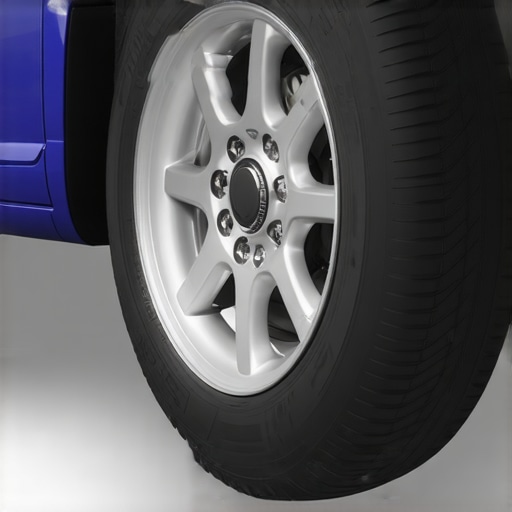
First, park your vehicle on a flat surface, engage the parking brake, and inspect all tires for visible damage or uneven wear patterns. Use a flashlight to check for cuts, bulges, or embedded debris. Then, ensure all lug nuts are properly tightened with a torque wrench, following the manufacturer’s specifications, to avoid a loose wheel causing vibrations. I recall a time I found a lug nut almost loose after a quick check, which was the culprit behind a persistent shake — tightening it resolved the issue immediately.
Balance Your Tires for a Smooth Ride
If visual inspection doesn’t reveal obvious issues, proceed to tire balancing. Unbalanced tires are a common cause of vibrations over 60 mph. Take your car to a professional or a capable tire shop equipped with a static or dynamic balancer. During my last trip, I watched as the technician used a professional balancer to detect uneven weight distribution, then added small weights to the rim edges. The result was a noticeably smoother ride at high speed. Regularly balancing your tires, especially if you frequently hit higher speeds, ensures even weight distribution and reduces strain on suspension components.
Check for Wheel Alignment and Suspension Problems
Misaligned wheels can cause uneven tire wear and vibrations. Use an alignment machine or schedule a professional alignment if symptoms persist. Additionally, inspect suspension components such as shocks, struts, and control arms for wear or damage. For instance, I once noticed my car pulling slightly to one side and vibrations at high speeds; a mechanic confirmed a worn-out shock absorber was to blame. Replacing worn suspension parts not only smooths your ride but also prolongs tire life and improves handling.
Test the Wheel Bearings
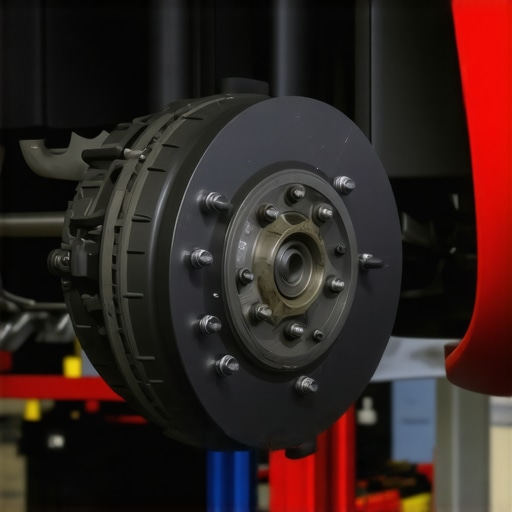
Worn wheel bearings are often overlooked but are a frequent cause of high-speed wobble. To test, lift the vehicle using a jack and grab the wheel at the top and bottom to see if there’s any looseness or roughness when turning. Alternatively, listen for humming or grinding sounds while driving. I managed to identify a failing wheel bearing by gently rocking the wheel during a manual inspection, which revealed excessive play. Replacing wheel bearings requires technical skill; if you’re unsure, consult a trusted mechanic or a professional service like regular maintenance routines to prevent further issues.
Ensure Your Suspension and Alignment Are Up to Date
After mechanical issues are addressed, confirm that your suspension is in good condition. Suspension problems often amplify vibrations and impact driving safety. Schedule regular check-ups, especially if your vehicle experiences harsh conditions or off-road driving, which can accelerate these issues. Keep in mind that maintaining proper alignment and suspension health is essential for a smooth, vibration-free drive, especially for high-speed cruising.
Address Transmission Issues if Necessary
If vibrations persist after tire and suspension checks, consider transmission problems. Transmission fluid degradation or clutch issues can produce abnormal sensations at high speeds. Look for signs like slipping gears or delayed acceleration, and consider fluid analysis or consultation with an ASE certified technician for precise diagnosis. Regular transmission maintenance, including fluid changes, plays a crucial role in vehicle stability and avoiding shaking during high-speed driving.
Many car owners operate under misconceptions about essential maintenance topics like ASE certification, transmission repairs, and oil changes. Let’s dissect some of these myths and reveal the hidden nuances that can make a real difference in your vehicle’s longevity and your wallet. For instance, a common belief is that ASE certification guarantees a mechanic’s competence, but the reality is more complex. While ASE-certified technicians have proven their knowledge through rigorous testing, their specialization, experience, and ongoing education often influence the quality of service more than the badge alone. According to automotive expert auto industry standards, verifying certifications is just the first step—asking for detailed explanations and checking reviews provide better insight into a mechanic’s true expertise.
Why Relying Solely onHow do I maintain my vehicle over time? Discover the tools I rely on for consistent performance and long-term reliability. Regular maintenance is crucial, and equipped with the right gear, you can ensure your car stays in top shape. I personally swear by a high-quality digital oil tester, which provides instant readings on oil health, helping me determine the optimal time for an oil change. This proactive approach prevents engine wear and saves money. Additionally, a precision torque wrench is indispensable; I use it to tighten lug nuts and critical suspension components precisely to manufacturer specifications, avoiding over- or under-tightening that can lead to issues down the line. For diagnostics, I depend on an OBD-II scanner with advanced features that not only read codes but also clear them and monitor live data, giving me real-time insights into my vehicle’s performance. This has been particularly useful in diagnosing transmission trouble, as early detection can prevent costly repairs, as detailed in expert insights on transmission troubleshooting. I also stay ahead of maintenance needs with a comprehensive maintenance log app, which tracks service intervals, oil changes, fluid replacements, and part replacements, ensuring no critical issue is overlooked. Moving forward, I predict that integrated digital monitoring systems will become standard, providing continuous real-time vehicle health updates directly to your smartphone, enabling even more proactive maintenance. Make this habit part of your routine by scheduling regular inspections and leveraging these tools. How do I maintain my car’s transmission over time? Implementing routine fluid analysis using a test strip, as explained here, can identify early signs of fluid breakdown, preventing transmission failure. Don’t wait for warning lights—start using diagnostic tools today to catch issues early and keep your vehicle running smoothly long-term. Incorporate a high-quality oil analysis kit into your maintenance routine; it’s a small investment for peace of mind and vehicle longevity. Stay proactive, stay prepared.Lessons Only Worn Tires Can Teach You
Lessons Only Worn Tires Can Teach You
One of my biggest surprises was realizing that my overlooked tire wear was a warning sign I ignored. It reminded me that paying close attention to small details can prevent bigger issues. Regularly inspecting tires for uneven wear not only saves money but also keeps you safe on the road. This experience made me value routine checks more than ever and trust my instincts over assumptions.
Why Experts’ Secrets Make All the Difference
Discovering that a wheel bearing was the real culprit showed me how vital it is to seek advice from trusted sources. My reliance on authoritative tools and resources like transmission expert insights helped me avoid costly mistakes. Knowing where to turn for reliable information transforms a frustrating experience into an empowering journey, saving your money and stress.
Maintaining the Intangible—Your Vehicle’s Health
Beyond inspections, I learned that proactive maintenance tools—such as a quality OBD-II scanner or a digital oil tester—are game-changers. These tools provided real-time insights into my car’s health, allowing me to act before problems worsened. Embracing technology in vehicle care isn’t just smart; it’s the future of long-term reliability and peace of mind.
Curated Recommendations for the Curious Car Owner
To stay ahead of potential issues, I recommend tools like a precision torque wrench, a trustworthy high-quality oil testing kit, and an advanced OBD-II scanner. These keep my vehicle in prime condition and help me diagnose problems early. Reading up on resources such as ASE certifications and expert articles guides my maintenance strategy. Remember, being equipped and informed makes a difference.
Your Turn to Make Infrastructure Work for You
Taking control of your vehicle’s health isn’t just about fixing problems; it’s about building confidence behind the wheel. With the right approach and tools, you can extend your car’s lifespan and enjoy smoother, safer rides. Trust your instincts, stay proactive, and don’t hesitate to seek expert advice when needed. Your car is more than just a machine—it’s your trusted partner on every journey.