Why your car feels like it’s floating at high speeds
It was late evening, and I was cruising along the highway when suddenly, I felt my car start to drift. The steering felt unresponsive, and the entire vehicle seemed to hover just above the pavement, like a boat on choppy waters. That moment hit me hard—I knew I was facing something more than just a rough ride. After a few seconds, I realized my car was exhibiting what many drivers dread: that strange floating sensation at high speeds.
Getting to the Heart of the Floaty Feeling
Many drivers, myself included initially, brush off that uneasy float as a minor alignment issue or just road imperfections. But often, it’s a sign of deeper, more critical problems that can compromise your safety. When your car starts to feel like it’s floating, it’s a clear signal that something isn’t right beneath the surface. The good news? With a little knowledge and attention, you can prevent this unsettling sensation from turning into a dangerous breakdown.
Is This Feeling Just a Normal Part of Driving?
Let me be honest—I’ve made the mistake early on of dismissing this sensation as just “normal.” I figured maybe it was just the rough patch of road or tire wear. But ignoring it only made things worse. It wasn’t until I learned about proper maintenance and took my vehicle to a trusted, ASE-certified mechanic that I discovered the real causes behind that floaty feeling. Did you know that inadequate tire balance or worn suspension components can cause your car to feel unstable at high speeds? It’s a common issue, but one easily overlooked if you’re not paying close attention.
Supporting this, automotive experts highlight that uneven tire wear and improper wheel alignment are among the top reasons vehicles feel unstable on the highway (source: https://autofixclinic.com/why-your-fleet-efficiency-drops-when-drivers-skip-this-check). My own experience taught me that addressing these issues promptly not only restores comfort but also significantly improves safety.
So, if you’ve ever felt that inexplicable float, you’re not alone—and it’s definitely worth fixing.
Next, we’ll dive into the practical steps you can take to identify and resolve these issues, ensuring your drives are smooth, safe, and float-free. Stay tuned.
Inspect Your Tires and Alignment
Start by examining your tires for uneven wear or low pressure, as these are common culprits. Use a reliable tire pressure gauge, preferably digital, to measure each tire’s PSI against the manufacturer’s specifications. If any tire is underinflated, inflate to the recommended level. Next, check your wheel alignment; a misaligned wheel can cause a floaty sensation, especially at high speeds. I once took my SUV to a certified mechanic who performed a full alignment, and my drive became noticeably smoother, restoring confidence in highway cruising.
Check the suspension components
Suspension parts like struts, shocks, and control arms absorb bumps but can wear out over time. To assess their condition, bounce each corner of your vehicle; if it continues to bounce more than once or twice, suspension issues are likely. For a more precise evaluation, consult an ASE-certified technician, as proper diagnosis ensures safety and future savings. Remember, worn suspension can cause instability similar to what I experienced on that foggy night. Regular inspection keeps you ahead of costly repairs.
Examine and Reset Your Vehicle’s Balancing
Uneven tire balancing can lead to vibrations and floaty feelings. Have your tires professionally balanced; this process involves adding small weights to wheels to ensure even weight distribution, akin to balancing a spinning top. I once noticed vibrations after a long road trip, and a quick balance at my local shop fixed the issue instantly. This is a cost-effective step that dramatically improves ride quality, especially at highway speeds.
Get a Professional Wheel Alignment
An improper alignment not only causes uneven tire wear but also leads to that unsettling float. Book an appointment with a trusted service provider, ideally one that specializes in comprehensive vehicle diagnostics. During alignment, technicians adjust the angles of the wheels to manufacturer specifications, which often resolves steering issues and improves stability. I learned this the hard way when ignoring alignment after hitting a pothole resulted in drifting and poor handling—correcting it restored my confidence behind the wheel.
Ensure Your Steering and Suspension Are in Top Shape
Suspension parts like bushings and control arms deteriorate with age. Have your mechanic inspect these components thoroughly. Modern ASE-certified technicians use specialized tools to diagnose issues that aren’t visible to the naked eye, preventing further damage. One winter, my suspension bushings cracked, causing a noticeable sway, but timely replacement brought back firm control. Regular service ensures these parts function optimally, keeping your vehicle steady on the road.
Perform Oil and Transmission Checks
Low or degraded oil can cause engine vibration and affect overall stability. Follow the tips outlined in top oil change tips to maintain optimal lubrication. Additionally, transmission issues can mimic the floaty sensation, especially slipping gears. If your transmission is shuddering or shifting harshly, consult an expert to perform a diagnostic, possibly involving a transmission fluid exchange. I experienced this firsthand when my vehicle shuddered during high-speed cruising—simple fluid replacement made a significant difference.
Book a Maintenance Check with Experts
When in doubt, scheduling a professional inspection is the safest course. Reliable service providers will review your vehicle comprehensively, addressing tire balance, alignment, suspension, and fluid levels. Regular checkups, guided by experienced ASE-certified technicians, can prevent the floaty feeling from recurring and ensure your safety on the highway.
When it comes to vehicle maintenance, many drivers rely on a basic understanding—schedule regular oil changes, get your transmission serviced, and trust that ASE certification guarantees quality repairs. But let’s dig deeper into these assumptions and uncover some nuanced truths that could save you money and prevent breakdowns.
First, *everyone assumes* that an oil change is just about swapping out old oil. However, the type of oil used and the timing of your intervals can significantly influence engine longevity. Synthetic oils, for instance, offer better protection at higher temperatures and are often overlooked in favor of cheaper conventional oils. Yet, choosing the right oil isn’t just a matter of price—it’s about matching your vehicle’s needs, driving habits, and climate. Learn more about top oil change tips to optimize your engine’s performance.
Next, a common myth is that transmission fluid is a ‘lifetime’ fill. Experts have shown that neglecting periodic transmission fluid exchanges can lead to slippage and expensive repairs. Transmission fluid breaks down over time, especially under heavy loads or towing. A forgotten or delayed fluid change can cause your transmission to overheat and fail prematurely. Be wary of this trap and consult a professional about transmission maintenance best suited for your vehicle.
But what about car service and the role of ASE certification? Many drivers believe ASE certification is simply a badge that indicates a mechanic has passed some tests. In reality, ASE-certified technicians possess a comprehensive understanding of vehicles and are trained to diagnose issues accurately. Nevertheless, certification alone doesn’t guarantee honest or thorough work. A technician might be certified but still cut corners or recommend unnecessary repairs. Always read reviews, ask questions, and verify the garage’s reputation through trusted sources.
An advanced concern that often goes unnoticed involves the *dormant risks* of neglecting small maintenance items. For instance, failing to replace a worn cabin air filter can subtly reduce air quality and hide issues like mold growth or mold spores, which can impact health over time. Similarly, ignoring minor fluid leaks or abnormal noises might be a symptom of larger problems lurking beneath the surface. Regular inspections by qualified professionals—preferably those with ASE certification—can catch these issues early, saving you from costly repairs down the line.
To illustrate, modern vehicles have complex electronic systems and sensors that require specialized knowledge to diagnose correctly. A study from automotive research indicates that errors in diagnostics often stem from technicians lacking proper training or misinterpreting sensor data. Therefore, insisting on technicians who are not just ASE-certified but also experienced with your specific vehicle make and model is crucial.
In conclusion, understanding these nuanced aspects of vehicle maintenance can empower you to make better decisions, ensure safety, and extend your car’s lifespan. Don’t fall into the trap of misconceptions—educate yourself and work with knowledgeable professionals. Want to learn how to spot a mechanic who might be cutting corners? Check out this guide. Have you ever fallen into this trap? Let me know in the comments.Maintaining your vehicle’s performance over the long term requires more than just basic knowledge; it demands the right tools and a systematic approach. As an enthusiast who has delved deep into automotive care, I can attest that quality equipment and software streamline diagnostics and preventive maintenance, saving you time and money.
Invest in Diagnostic Scanners and Vehicle-Specific Software
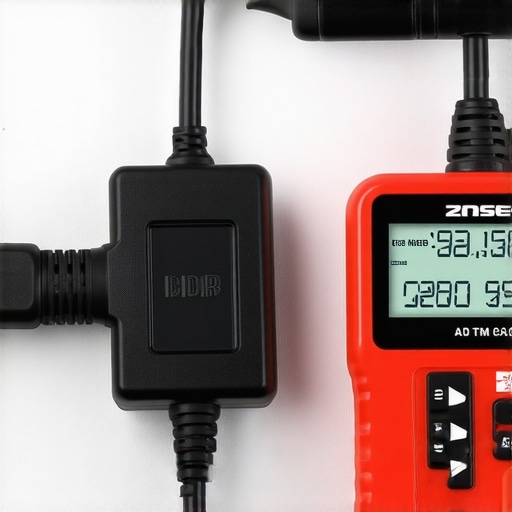
One of my essential tools is a high-quality OBD-II scanner, such as the Launch X431 PRO. Unlike generic scanners, this device provides comprehensive live data, supports multiple vehicle brands, and offers advanced code reading capabilities. I use it weekly to monitor engine health, transmission status, and sensor outputs—especially crucial when diagnosing intermittent issues that aren’t obvious during routine checks. Supporting this, automotive technical documentation emphasizes the importance of real-time diagnostics in preventing costly repairs (source). Keep in mind: investing in a tool that updates regularly ensures compatibility with newer vehicle models and software updates.
Utilize Advanced Maintenance Tracking Software
Next, I rely on a cloud-based service called Car Minder, which logs every maintenance activity—from oil changes to transmission flushes. This not only helps me schedule upcoming services based on mileage and manufacturer recommendations but also records part replacements, warranties, and technician notes. With this system, I can easily track when my next ASE-certified technician visit is due, ensuring no critical items fall through the cracks. The future of vehicle upkeep is undoubtedly digital, with AI-driven analytics predicting failures before they occur. For now, adopting such software streamlines routine checks and ensures you’re always a step ahead.
How do I keep my car functioning smoothly over time? Regularly updating your diagnostic tools and maintenance records, using certified technicians, and embracing digital management are key. Don’t forget, mastering these tools isn’t just for seasoned enthusiasts—modern vehicle care is increasingly tech-driven, making your investment in advanced equipment a smart move. Ready to take your maintenance game up a notch? Try integrating an OBD-II scanner like the Launch X431 PRO into your routine today, and watch how it transforms your understanding of your vehicle’s health. For more tips on choosing the right tools, see this guide. Better maintenance starts with the right gear—are you prepared to upgrade yours?
Hidden Truths I Only Learned Through Experience
One of my biggest lightbulb moments was realizing that regular maintenance isn’t just routine; it’s a safeguard against unexpected breakdowns. I used to believe that top-tier mechanics were only necessary when something visibly broke down, but I discovered that proactive care can save you time and money in the long run. For instance, I ignored subtle signs of suspension wear until a minor bump became a costly repair—teaching me that listening to your vehicle’s whispers is essential.
Another valuable insight was understanding that certifications like ASE aren’t guarantees of honesty, but they do indicate a certain level of knowledge. It’s tempting to trust every certified technician blindly, but personal research and asking the right questions make a big difference. I learned to verify their recommendations and always cross-reference with reputable sources like this resource for better confidence in my vehicle’s health.
Lastly, I underestimated the power of proper diagnostics. Investing in my own OBD-II scanner transformed my understanding of my car’s behavior. Recognizing that many issues can be caught early with real-time data inspired me to adopt tech tools, which I believe every car owner should consider. This proactive approach not only prevents costly repairs but also keeps you connected with your vehicle’s wellbeing.
Tools and Tips That Changed the Way I Care for My Car
My first recommendation is a quality OBD-II scanner like the Launch X431 PRO. Its comprehensive data and support for multiple brands make it invaluable. Regular scans keep me ahead of potential issues, especially with complex electronic systems, as detailed in this guide.
Next, I rely on digital maintenance trackers like Car Minder, which streamline scheduling and recordkeeping. By logging every service, I ensure timely oil, transmission, and brake checks, often catching minor problems before they escalate. This habit reinforces the importance of organized vehicle care and prevents oversight, as emphasized in this article.
Finally, education is key. Continuous learning through trusted sources and forums empowers you to make informed decisions. Investing in the right tools and knowledge turns car maintenance from a chore into a manageable, even enjoyable, part of vehicle ownership.
Your Turn to Reinvent Car Care
Mastering the nuances of vehicle maintenance doesn’t happen overnight, but every step you take toward understanding your car enhances safety, efficiency, and longevity. Whether it’s upgrading your diagnostic tools or adopting new routines, each change adds up to a more confident driving experience. Remember, the road to reliable transportation is built on proactive care and continual learning. Are you ready to take your car care to the next level? Share your experiences or questions below—I’d love to hear your journey toward smarter vehicle maintenance.