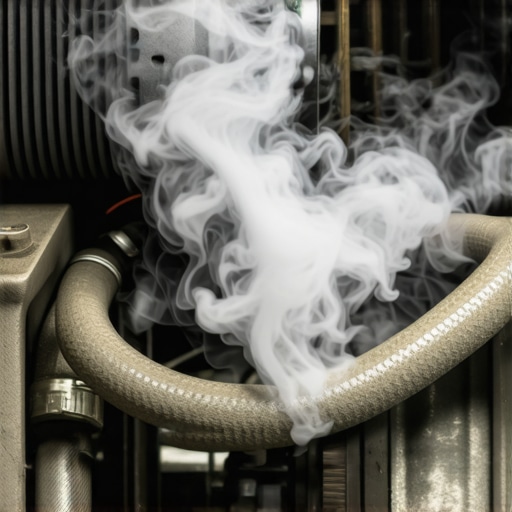
That whistling sound under your hood is a vacuum leak
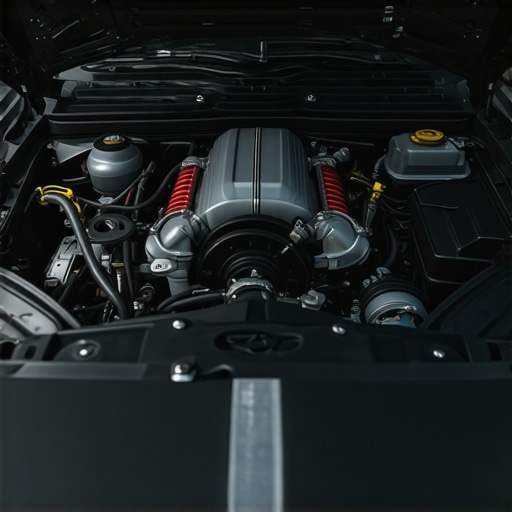
It was one of those mornings when I turned the key, expecting my usual smooth start, but instead, I was greeted with a sharp, annoying whistle coming from under the hood. At first, I thought it was just a normal engine sound—until I realized it persisted even after the engine warmed up. That high-pitched whistling was like a needle in my ear, and I knew something wasn’t quite right. I felt a mix of frustration and curiosity—was this just a minor issue, or something more serious?
Spotting the Silent Intruder: When a Whistle Becomes a Warning
For years, I had dismissed strange engine noises as minor glitches, but the whistle was different. It was continuous, loud enough to draw my attention, yet subtle enough to be easily overlooked. I soon learned that this particular sound is often a telltale sign of a vacuum leak—an issue that can cause poor fuel economy, rough idling, and even damage to essential engine components if left unaddressed. Initially, I underestimated the importance of addressing it promptly.
What made me finally dive into the problem was a simple realization: my car wasn’t running as smoothly as it used to, and I was spending more on fuel. That whistle kept ringing in my ears, reminding me that ignoring such a small sound might cost me big bucks down the line. After a bit of research, I discovered that vacuum leaks are more common than most drivers realize, and they tend to sneak up quietly.
If you’re wondering whether you’ve experienced this yourself, think about that moment when your engine is running, and there’s a faint high-pitched noise that just won’t go away. Or maybe your fuel efficiency has dipped, and your car feels a bit sluggish or unstable at idle. Sound familiar? If so, you’re not alone, and trust me, if I can fix it, so can you!
Before jumping into the fix, I decided to gather a bit of knowledge. One thing I learned early on was that a common mistake is assuming that all engine noises are normal or ignoring early warning signs. That was a mistake I made initially—assuming the whistle was just a quirky engine sound instead of investigating further. This oversight can lead to more costly repairs later. To get reliable advice, I turned to trusted sources, like [AutoFixClinic](https://autofixclinic.com/why-regular-oil-changes-extend-your-cars-lifespan), which emphasize the importance of timely maintenance.
Now, with the problem identified and my confidence boosted, I was ready to address my vacuum leak head-on. But how do you spot it quickly and effectively? That’s what I’ll cover in the next section—turns out, there’s more to this whistling mystery than meets the ear, and understanding it can save you a ton of trouble.
Locate the Leak’s Origin
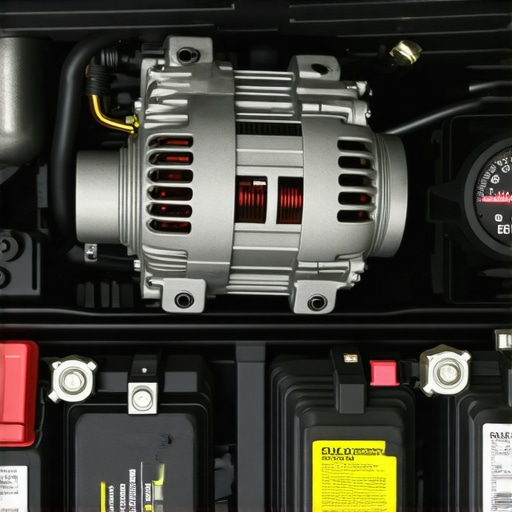
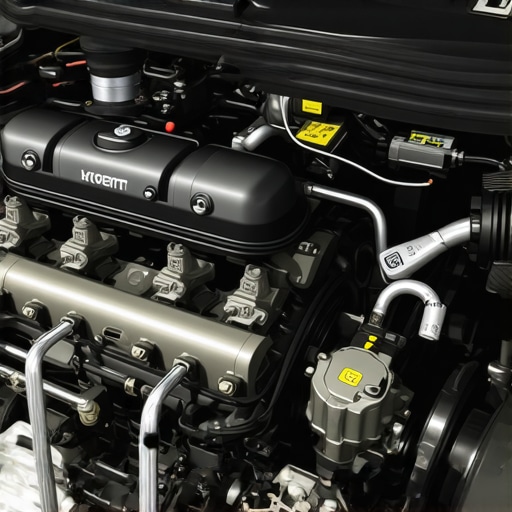
Start by inspecting the vacuum hoses connected to the intake manifold. Use a flashlight to check for cracks or disconnected hoses, especially at the connections, as these are common failure points. Feel for leaks by spraying a small amount of carb cleaner around the hoses and listen for engine RPM changes, which indicate where the leak might be.
Identify Common Trouble Spots
Focus on the rubber hoses near the throttle body and the intake seals. They tend to deteriorate over time, especially in extreme weather conditions. If you spot any brittle or cracked hoses, replace them with OEM-quality parts to ensure a reliable seal. Remember, a small crack here can produce that persistent whistle and lead to poor fuel economy.
Perform a Pressure Test
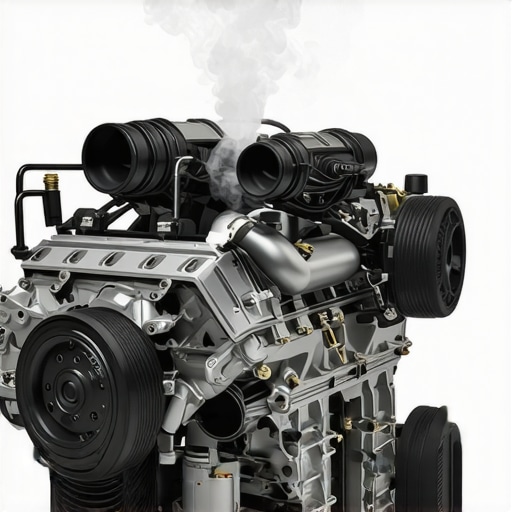
To be certain about the leak’s location, connect a vacuum pump or utilize a smoke machine designed for automotive use. Introduce smoke into the intake system; if the smoke escapes at a specific point, you’ve found your leak. This step is akin to a doctor using an X-ray to spot issues hidden beneath the surface—precise and effective.
Use DIY or Professional Tools
While tools like handheld vacuum testers are available, they require some mechanical understanding. For a more straightforward approach, many auto parts stores offer rental or testing services. If you prefer, visiting a certified mechanic ensures that the leak detection is accurate, particularly if you’re unfamiliar with engine diagnostics. An ASE-certified technician can also perform comprehensive repairs, safeguarding your investment.
Seal and Replace Damaged Components
Once you’ve identified the faulty hose or seal, replace it immediately. Use high-quality clamps to secure new hoses, ensuring no chance for air leaks. Applying a light coat of silicone lubricant can help slide hoses onto fittings more easily and prevent future cracks. Remember, sealing a leak is like patching a pothole—temporary fixes won’t last long if the original damage isn’t properly addressed.
Test Your Repair
After repairs, re-run the pressure test or perform a test drive to verify the whistle has disappeared. Keep an ear out for abnormal sounds or rough idling—their absence confirms a successful fix. Regular engine checks, including inspections of vacuum lines, can prevent recurring issues, saving you time and money in the long run.
Seek Expert Advice When Needed
If the whistle persists despite your efforts, it indicates deeper issues, possibly with the intake manifold gasket or the throttle body seal. In such cases, consulting a professional ensures that you don’t inadvertently cause further damage. An expert with ASE certification can perform a detailed diagnosis, providing peace of mind and restoring your vehicle’s smooth operation.
When it comes to car maintenance, many drivers are quick to trust popular advice or stereotypes, but in my experience, there’s often more complexity beneath the surface. A frequent misconception is that an ASE certification alone guarantees a mechanic’s expertise. While earning an ASE badge reflects a standardized level of knowledge, it doesn’t necessarily mean the technician is up-to-date with the latest vehicle technologies or knows how to handle complex diagnostics like modern transmissions or hybrid systems. According to a study by the National Institute for Automotive Excellence, ongoing education is crucial because vehicle systems evolve rapidly, and even ASE-certified techs need continuous training. Relying solely on certification can lead to oversight of newer issues, especially with advanced transmission control units or hybrid battery management modules. Additionally, many assume that periodic oil changes are just routine, but the real nuance involves choosing the right oil viscosity and formulation. For example, synthetic oils provide benefits like better cold-flow and thermal stability, which can significantly extend engine life if selected correctly—details that most car owners overlook. An insightful article from Autofix Clinic highlights that choosing the wrong oil can cause increased wear and mitigate the benefits of regular oil changes, emphasizing the importance of proper oil selection based on your vehicle’s specifications. Another widespread myth is that transmission maintenance isn’t necessary until symptoms appear. However, neglecting early signs, such as subtle shuddering or delayed shifts, can lead to costly repairs or complete transmission failure if not addressed timely. Regular transmission fluid analysis can reveal early signs of wear or contamination—servicing that often gets postponed until it’s too late. Remember, a little preventative maintenance goes a long way. The benefit of understanding these nuances is that your car can operate more reliably, save you money, and extend its lifespan. So, don’t fall into the trap of oversimplification—delve deeper into your vehicle’s needs and ask your mechanic about the specifics. Have you ever fallen into this trap? Let me know in the comments. For more detailed insights, check out [the importance of regular oil changes](https://autofixclinic.com/why-regular-oil-changes-extend-your-cars-lifespan) and how to understand what [ASE certification truly means](https://autofixclinic.com/what-does-an-ase-certification-mean-for-your-cars-maintenance). Understanding these advanced aspects will elevate your approach to vehicle care.Maintaining your vehicle’s performance over the long term requires more than just routine oil changes; it involves investing in specialized tools, adopting effective methods, and understanding the evolving landscape of automotive technology. As vehicles become more sophisticated, staying ahead with the right equipment can save you both time and money. One indispensable item I rely on is a high-quality scan tool compatible with OBD-II systems. The Autel MaxiCOM MK808, for example, offers extensive diagnostic capabilities, allowing me to quickly identify transmission faults or sensor issues before they escalate. This proactive approach ties directly into ASE-certified practices, which emphasize diagnostic precision to prevent major repairs. Regularly updating your vehicle’s firmware and software—either through the manufacturer’s portal or trusted third-party providers—ensures you’re equipped for the latest challenges, especially as transmissions grow more complex with electronic control units (ECUs).
For ongoing maintenance, I recommend a digital torque wrench like the Tekton Digital Click Torque Wrench. Precise torque application when replacing critical components such as transmission fluid plugs or wheel hubs prevents over-tightening, which can damage parts or cause leaks. Incorporating a reliable set of automotive-specific PPE gear protects you during inspections and repairs, maintaining a safe work environment.
Looking ahead, the trend in car maintenance is shifting toward more integrated digital solutions. Vehicle telemetry and remote diagnostics are becoming standard, making it essential to adopt apps and platforms that sync with your vehicle’s systems. Future tools may automize more diagnostic steps, but having a foundational set of hand tools—like a fuel pressure gauge and vacuum pump—remains indispensable for in-depth troubleshooting.
**How do I maintain my car’s transmission over time?**
The best approach is regular transmission fluid analysis combined with timely fluid exchanges, which help prevent overheating and wear. For instance, utilizing a transmission scan tool like the BlueDriver Bluetooth Professional OBD2 Scanner can monitor shift patterns and detect early signs of issues, allowing you to address problems before costly repairs become necessary. Remember, transmission health is critical to your vehicle’s longevity—a well-maintained transmission smooths out every shift and sustains performance.
A crucial tip is to follow the manufacturer’s recommendations for fluid type and change intervals—often outlined in the latest auto tips, such as [Top oil change tips for safe driving in 2025](https://autofixclinic.com/top-oil-change-tips-for-safe-driving-in-2025). Using the right synthetic oils or transmission fluids enhances lubrication and heat dissipation, extending component life. Incorporating these practices not only preserves your transmission but also contributes to overall vehicle reliability.
In the future, expect diagnostic tools to become even more integrated with vehicle networks, automating detection of issues that once took hours of manual testing. However, the most effective maintenance remains rooted in regular inspections, timely fluid changes, and utilizing precise tools. I encourage you to try out a professional-grade scan tool or torque wrench from your local auto parts store—these investments will pay dividends in keeping your car operating smoothly for miles to come.
What I Wish I Knew Before Ignoring Car Clues
One of my biggest lessons was realizing that persistent engine sounds, like a whistle, are often screaming for attention. Ignoring minor issues because they seem insignificant can lead to costly repairs, especially with transmissions. It taught me never to dismiss unusual noises and to trust my intuition about when something’s off. Consistently, I remind myself that early diagnosis saves lots of money and stress—so now, I approach every odd sound with curiosity rather than complacency.
Tools and Insights That Transformed My Approach
Investing in a good diagnostic scanner, like the BlueDriver, changed everything. Its ability to detect early transmission trouble signs prevented potential breakdowns. Regular transmission fluid analysis, combined with a solid understanding of your vehicle’s specific needs, is key. I trust resources like Autofix Clinic for advice tailored to modern vehicles because their insights help me stay ahead of issues that could cripple my fleet or personal ride. Getting familiar with top-tier tools and expert advice makes all the difference.
The Drive Toward Confidence and Continuous Learning
The most empowering aspect of understanding transmission care is the confidence it gives you. Knowing how to spot early signs of trouble and having the right tools means you become proactive, not reactive. So, whether you’re a DIY enthusiast or a busy fleet manager, prioritize ongoing education and quality equipment. Your vehicle—and your wallet—will thank you for it.