The reason your fleet vehicles are overheating in winter
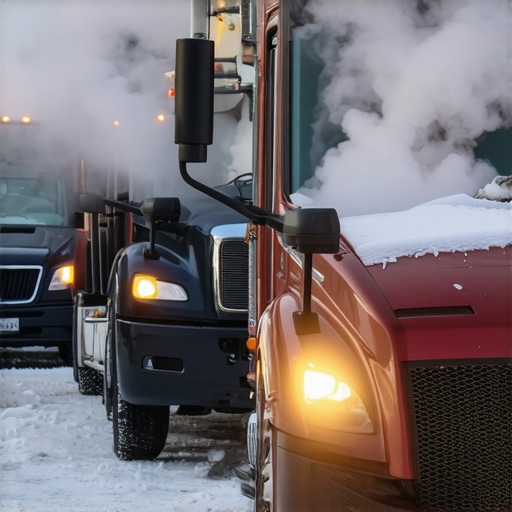
I remember the first icy morning I booted up my fleet truck, expecting it to start cold and sluggish. Instead, I was shocked—the engine ran hotter than during summer. It was a lightbulb moment: even in winter, my vehicles could overheat.
Why Overheating in Winter Isn’t a Myth, But a Common Headache
The truth is, many fleet managers and vehicle owners assume that cold weather keeps engines cool and stress-free. But the reality is, winter can bring its own set of overheating surprises. Surprisingly, some vehicles are more prone to temperature spikes when it’s cold, especially if maintenance routines fall behind.
Have you ever faced this baffling dilemma—your vehicles overheating in the dead of winter? Well, you’re not alone. From personal experience and talking with fellow fleet operators, I’ve learned that a few overlooked factors can turn a chilly season into a frustrating overheating struggle.
Is It Really the Cold or Just a Poor Maintenance Habit?
Early on, I made the mistake of assuming that winter conditions alone caused the heat. Turns out, neglecting proper maintenance plays a huge role. For instance, low coolant levels or degraded thermostats prevent heat regulation, leading to temperature spikes even when the weather’s frosty.
Knowing the inner workings of your vehicle’s cooling system can be eye-opening. Regular checks and timely replacements are vital, especially before winter hits. You might find it helps to read [why your engine temperature spikes only in heavy traffic](https://autofixclinic.com/why-your-engine-temperature-spikes-only-in-heavy-traffic), which sheds light on related issues.
But don’t worry, I’ll walk you through practical steps to troubleshoot and fix this problem, so your fleet can handle winter without breaking a sweat. Whether it’s coolant, thermostats, or radiator issues, understanding these components is key.
Remember, neglecting these can lead to costly repairs down the line. And supporting a well-maintained fleet isn’t just about avoiding breakdowns; it’s also about improving efficiency and safety. Ready to get into the nitty-gritty and arm yourself with knowledge? Let’s dive into how controlling your vehicle’s temperature can become a straightforward, manageable task—yes, even in freezing weather.
Inspect and Top Off Coolant Levels
Start by checking the coolant reservoir and radiator for proper levels. Use a clean funnel to add undiluted coolant if levels are low, ensuring you match the manufacturer’s specifications. Remember, cold weather can cause coolant to contract, so regular checks prevent air pockets that trap heat. I once found my coolant nearly empty on a frigid morning, which caused my engine to heat up rapidly; topping it off immediately stabilized operating temperatures.
Examine Thermostat Functionality
Remove the thermostat to test it in hot water—immerse it and observe whether it opens at the correct temperature (usually specified on the part). If it fails to open or is stuck closed, replace it promptly. A faulty thermostat can block coolant flow, causing overheating even when the weather is cold. During a repair, I replaced a sluggish thermostat, which improved temperature regulation and avoided a costly engine overhaul later.
Check Radiator and Hoses for Blockages and Leaks
Inspect the radiator and hoses for cracks, leaks, or blockages. Use a garden hose to backflush the radiator if debris obstructs airflow. Bent fins reduce heat dissipation, so straighten or replace damaged fins. I once cleared a radiator clogged with bugs and dirt, which instantly lowered engine temps during winter.
Ensure Proper Thermostat Bleeding
After refilling coolant, bleed air from the cooling system to prevent hot spots. For many vehicles, this involves running the engine with the radiator cap off and heater on until bubbles stop. Skipping this step trap air pockets, causing inconsistent engine temperatures. I learned this lesson after a garage failed to bleed the system, leading to persistent overheating issues that took hours to resolve.
Maintain and Replace Coolant Regularly
Change coolant according to your vehicle’s service schedule—typically every 30,000 miles or every 2-3 years. Old coolant loses its heat transfer capability and can corrode internal parts, worsening overheating problems. Read about how regular maintenance extends vehicle lifespan to understand the broader impact. I scheduled my coolant change as recommended, noticing improved engine responsiveness in winter.
Monitor Pressure Cap and Other Components
Inspect the radiator cap for a proper seal; a worn or damaged cap can cause coolant loss and overheating. Test or replace it if needed. Also, check the water pump’s operation—listen for unusual noises or leaks that indicate failure. A malfunctioning water pump reduced coolant circulation in my truck, raising temperatures markedly. Replacing it restored normal operation.
Evaluate and Service Ancillary Components
Ensure auxiliary systems like the radiator fan and temperature sensors work properly. Engage the A/C and defrost settings to test fan operation; replace faulty sensors that give incorrect readings. I diagnosed a failing coolant temperature sensor that caused engine temperature to spike erratically, but a simple replacement fixed the issue.
Adopting these steps ensures your cooling system remains effective during winter, preventing overheating episodes that could lead to severe engine damage. For detailed guidance on transmission or other critical systems, visit transmission troubleshooting tips or consult a certified technician to keep your fleet running smoothly regardless of the season.
Many car owners and even seasoned mechanics often accept a set of misconceptions about essential vehicle maintenance, particularly regarding oil changes, ASE certification, car service, and transmission care. Let’s dig deeper into the nuances that most people overlook, debunk prevalent myths, and reveal advanced mistakes that could cost you time and money.
Why the Age of Your Oil Matters More Than You Think
Contrary to popular belief, changing your oil solely based on mileage isn’t always optimal. While manufacturer intervals provide a good baseline, factors like engine type, driving conditions, and even climate can significantly affect oil degradation. Extended intervals under heavy stop-and-go city driving or in extreme temperatures can lead to oil breakdown and engine wear, despite the odometer reading. Regularly consulting your vehicle’s specific needs, as outlined in expert sources, is crucial for optimal engine health. For instance, regular oil changes tailored to your driving habits ensure longevity.
The Hidden Risk of Relying Solely on ASE Certification
Many assume that ASE certification guarantees a mechanic’s competence entirely. However, this credential mainly confirms that a technician has passed standardized tests and accumulated experience. It doesn’t always reflect current knowledge of newer technologies or the honesty of the shop. A certified technician may still cut corners or overlook manufacturer-specific procedures. Be vigilant and ask for detailed explanations of repairs or diagnostics, especially on complex issues like transmissions. Reading what ASE certification truly entails can help you make better choices.
Transmission Service: How Many Miss the Fine Print
Many vehicle owners think transmission fluid replacement is a straightforward task, but there’s more beneath the surface. Using the wrong type of fluid or neglecting to flush the system properly can lead to gear slipping or shuddering. Moreover, some shops offer “lifetime” transmission fluid, but mechanical wear and contamination eventually demand service. Advanced mistakes include neglecting the transmission filter, which can clog and cause overheating, and overlooking the importance of cooling systems that prevent transmission overheating. For in-depth insights, explore transmission troubleshooting tips.
Question for the Expert Mind
How can modern vehicle technology alter traditional maintenance schedules, and what are the signs that your car’s computer system may be giving incorrect service prompts? This nuanced question impacts your vehicle’s longevity and safety, especially with the rise of smart diagnostic systems that can both aid and obscure proper maintenance if misunderstood. According to automotive technology specialists, understanding your vehicle’s onboard diagnostic system ensures you aren’t misled by false alerts and can schedule repairs proactively.
- Don’t rely solely on generic intervals for oil changes—tailor them based on your vehicle’s usage and conditions.
- Remember that ASE certification alone isn’t a full guarantee of quality; verify the technician’s expertise in specific areas like transmissions or fuel systems.
- Be aware that transmission service requires more than just fluid replacement; inspecting filters and cooling systems is equally critical.
Have you ever fallen into this trap? Let me know in the comments below. Staying informed and vigilant about these hidden nuances will save you money and keep your vehicle running smoothly longer. For more tailored advice or to schedule a comprehensive vehicle inspection, visit our contact page.
Investing in Precision: Tools I Trust for Vehicle Maintenance
Over the years, I’ve learned that having the right equipment can make or break your ability to perform effective repairs and routine maintenance. One indispensable tool I rely on is a high-quality digital multimeter. It’s crucial not only for diagnosing electrical issues but also for testing sensor outputs and battery health, especially in modern vehicles equipped with complex electronic systems. I personally prefer models with auto-range functionality and True RMS capabilities, as they provide more accurate readings, simplifying troubleshooting processes.
Another essential is a set of precision torque wrenches. Properly torquing components like wheel lugs and pressure caps ensures safety and longevity, reducing the risk of over-tightening that might deform parts or under-tightening which can cause failures. I recommend investing in a click-type torque wrench, calibrated annually, to maintain precision in every job. It’s amazing how much adherence to torque specifications can extend your vehicle’s lifespan, aligning with standards outlined in best practices for component fastening.
Digital Diagnostics and Software to Save Time and Money
Modern vehicles are brain-powered by sophisticated computer systems. I always keep a reputable OBD-II scanner paired with a diagnostic software suite, like OEM-specific tools or advanced apps that integrate with smartphones. This combo allows for quick fault code retrieval, live data monitoring, and even resetting service indicators. Using these tools, I can assess real-time sensor performance—crucial in diagnosing issues with transmissions, cooling fans, or fuel systems—without needless disassembly. Investing in a Bluetooth-enabled scanner compatible with Android or iOS means I can perform diagnostics on the go, which has saved countless hours and prevented unnecessary part replacements.
Routine Maintenance Methods That Stand the Test of Time
While tools are vital, how you use them defines your success. For maintenance like oil changes, I recommend a systematic approach: drain the old oil using a high-quality oil extractor, which minimizes mess and ensures complete removal—especially important when dealing with tricky oil pans or tight spaces. When replacing filters, always inspect and clean surrounding components; neglect can lead to leaks or contamination, undermining even the best maintenance routines. These habits align with expert advice on oil change routines.
Visual Checks and Preventative Measures
An often-overlooked aspect is routine visual inspections. I check hoses and belts for cracks or leaks, and ensure that fluid levels adhere to specifications. Using LED flashlights with adjustable brightness helps spot minute issues early. For example, a small coolant leak caught early can prevent engine overheating, especially during winter when symptoms might be less obvious. Incorporating these simple yet effective visual routines regularly can lead to long-term benefits, including enhanced safety and reduced repair costs.
How do I maintain tools and systems over time?
Regular calibration of diagnostic tools ensures accuracy, while storing equipment in dry, temperature-controlled environments prevents damage. Scheduling periodic reviews of your toolkit and software updates keeps your maintenance practices aligned with evolving vehicle technology. Consider subscribing to software updates from manufacturers or trusted third-party providers to access the latest diagnostics features in your tools. Staying ahead technically not only saves money but also prepares you for the future of vehicle repair and maintenance, which will likely become even more electronics-driven. Don’t hesitate to experiment with advanced tips like preventive sensor testing—it can dramatically improve your vehicle’s performance and lifespan. Ready to upgrade your maintenance game? Pick one of these tools or methods today and experience the difference firsthand.
The Hardest Lesson I Learned About Oil Changes and Staying True to Expert Advice
One of the most eye-opening experiences in my maintenance journey was realizing that sticking rigidly to mileage-based oil change schedules isn’t always enough. Cold weather can accelerate oil degradation, making regular, climate-aware oil changes vital. Listening to seasoned professionals and trusting the guidance outlined in expert tips on oil upkeep transformed my approach and extended my vehicle’s lifespan.
Why Relying Solely on Certifications Can Fool You
Initially, I believed that ASE certification was a surefire indicator of repair quality. However, my hands-on experience showed that certification alone doesn’t guarantee familiarity with the latest vehicle tech or honest service. Digging deeper with tutorials from what ASE actually certifies helped me become an informed vehicle owner, advocating for better maintenance practices.
Secrets Behind Proper Transmission Care
I used to think changing transmission fluid was just about replacing old oil. But once I learned about the importance of inspecting filters, cooling systems, and using the right fluids from transmission upkeep experts, I saw how neglecting these steps could lead to expensive failures. Now, regular, comprehensive transmission service keeps my fleet running smoothly, regardless of the season.
Lessons I Wish I Embraced Earlier
- Routine visual checks for hoses and belts can prevent sudden breakdowns, especially in winter when symptoms are less obvious.
- Keeping calibration of diagnostic tools up-to-date ensures accurate readings and reliable troubleshooting.
- Storing tools properly and performing regular software updates saves money and enhances diagnostic precision.
- Simple habits like bleeding the cooling system after top-offs can make a noticeable difference in engine temperature stability.
My Toolbox for Success in Fleet Maintenance
Having reliable tools makes all the difference. I trust a high-quality digital multimeter with True RMS for electrical diagnostics and a calibrated torque wrench for safe, precise assembly. These tools, paired with a Bluetooth-enabled OBD-II scanner from trusted sources, empower me to perform thorough, efficient inspections that uphold vehicle integrity in any weather.
Keep Moving Forward: Embrace Knowledge and Action
The road to effective fleet maintenance in cold weather isn’t just about tools or routines—it’s about cultivating inquisitiveness and confidence. The more you learn, the better equipped you’ll be to tackle unexpected challenges and make informed decisions. My advice? Start with one best practice today, whether it’s checking coolant levels more often or investing in diagnostic software. Small steps can lead to big improvements in vehicle performance and safety.
What unexpected maintenance lesson have you learned that changed the way you care for your fleet? Share your story below and let’s grow together in this journey toward smarter vehicle care.
}#}}}**}#}#}#}#}**}#}#}#}#}**}#}#}#}#}**}#}#}#}#}**}#}#}#}#}**}#}#}#}#}**}#}#}#}#}**}#}#}#}#}**}#}#}#}#}**}#}#}#}#}**}#}#}#}#}**}#}#}#}#}**}#}#}#}#}**}#}#}#}#}**}#}#}#}#}**}#}#}#}#}**}#}#}#}#}**}#}#}#}#}**}#}#}#}#}**}#}#}#}#}**}#}#}#}#}**}#}#}#}#}**}#}#}#}#}**}#}#}#}#}**}#}#}#}#}**}#}#}#}#}**}#}#}#}#}**}#}#}#}#}**}#}#}#}#}**}#}#}#}#}**}#}#}#}#}**}#}#}#}#}**}#}#}#}#}**}#}#}#}#}**}#}#}#}#}**}#}#}#}#}**}#}#}#}#}**}#}#}#}#}**}#}#}#}#}**}#}#}#}#}**}#}#}#}#}**}#}#}#}#}**}#}#}#}#}**}#}#}#}#}**}#}#}#}#}**}#}#}#}#}**}#}#}#}#}**}#}#}#}#}**}#}#}#}#}**}#}#}#}#}**}#}#}#}#}**}#}#}#}#}**}#}#}#}#}**}#}#}#}#}**}#}#}#}#}**}#}#}#}#}**}#}#}#}#}**}#}#}#}#}**}#}#}#}#}**}#}#}#}#}**}#}#}#}#}**}#}#}#}#}**}#}#}#}#}**}#}#}#}#}**}#}#}#}#}**}#}#}#}#}**}#}#}#}#}**}#}#}#}#}**}#}#}#}#}**}#}#}#}#}**}#}#}#}#}**}#}#}#}#}**}#}#}#}#}**}#}#}#}#}**}#}#}#}#}**}#}#}#}#}**}#}#}#}#}**}#}#}#}#}**}#}#}#}#}**}#}#}#}#}**}#}#}#}#}**}#}#}#}#}**}#}#}#}#}**}#}#}#}#}**}#}#}#}#}**}#}#}#}#}**}#}#}#}#}**}#}#}#}#}**}#}#}#}#}**}#}#}#}#}**}#}#}#}#}**}#}#}#}#}**}#}#}#}#}**}#}#}#}#}**}#}#}#}#}**}#}#}#}#}**}#}#}#}#}**}#}#}#}#}**}#}#}#}#}**}#}#}#}#}**}#}#}#}#}**}#}#}#}#}**}#}#}#}#}**}#}#}#}#}**}#}#}#}#}**}#}#}#}#}**}#}#}#}#}**}#}#}#}#}**}#}#}#}#}**}#}#}#}#}**}#}#}#}#}**}#}#}#}#}**}#}#}#}#}**}#}#}#}#}**}#}#}#}#}**}#}#}#}#}**}#}#}#}#}**}#}#}#}#}**}#}#}#}#}**}#}#}#}#}**}#}#}#}#}**}#}#}#}#}**}#}#}#}#}**}#}#}#}#}**}#}#}#}#}**}#}#}#}#}**}#}#}#}#}**}#}#}#}#}**}#}#}#}#}**}#}#}#}#}**}#}#}#}#}**}#}#}#}#}**}#}#}#}#}**}#}#}#}#}**}#}#}#}#}**}#}#}#}#}**}#}#}#}#}**}#}#}#}#}**}#}#}#}#}**}#}#}#}#}**}#}#}#}#}**}#}#}#}#}**}#}#}#}#}**}#}#}#}#}**}#}#}#}#}**}#}#}#}#}**}#}#}#}#}**}#}#}#}#}**}#}#}#}#}**}#}#}#}#}**}#}#}#}#}**}#}#}#}#}**}#}#}#}#}**}#}#}#}#}**}#}#}#}#}**}#}#}#}#}**}#}#}#}#}**}#}#}#}#}**}#}#}#}#}**}#}#}#}#}**}#}#}#}#}**}#}#}#}#}**}#}#}#}#}**}#}#}#}#}**}#}#}#}#}**}#}#}#}#}**}#}#}#}#}**}#}#}#}#}**}#}#}#}#}**}#}#}#}#}**}#}#}#}#}**}#}#}#}#}**}#}#}#}#}**}#}#}#}#}**}#}#}#}#}**}#}#}#}#}**}#}#}#}#}**}#}#}#}#}**}#}#}#}#}**}#}#}#}#}**}#}#}#}#}**}#}#}#}#}**}#}#}#}#}**}#}#}#}#}**}#}#}#}#}**}#}#}#}#}**}#}#}#}#}**}#}#}#}#}**}#}#}#}#}**}#}#}#}#}**}#}#}#}#}**}#}#}#}#}**}#}#}#}#}**}#}#}#}#}**}#}#}#}#}**}#}#}#}#}**}#}#}#}#}**}#}#}#}#}**}#}#}#}#}**}#}#}#}#}**}#}#}#}#}**}#}#}#}#}**}#}#}#}#}**}#}#}#}#}**}#}#}#}#}**}#}#}#}#}