The truth about ‘lifetime’ spark plugs in modern cars
I remember the day like it was yesterday. I was in a rush, engine running a bit rough, and decided to ignore that tiny flicker of warning on my dashboard. After all, the service advisor told me my spark plugs were ‘lifetime’—what could possibly go wrong? Weeks later, my car gruntily refused to start on a cold morning. That was my lightbulb moment: trusting vague promises about ‘lifetime’ parts without understanding what they truly mean can set you up for costly surprises.
Why You Can’t Just Assume ‘Lifetime’ Means Forever
In the world of modern cars, the term ‘lifetime’ often appears in marketing and service literature, indicating a component’s supposed durability. But in reality, ‘lifetime’ is a vague term—one that can mean different things depending on the manufacturer or even the dealer. For spark plugs, it doesn’t necessarily mean they last the vehicle’s entire lifespan. Often, it reflects a period or mileage range within which they are expected to perform optimally, not indefinitely.
From experience and recent research, I’ve found that many vehicle owners equate ‘lifetime’ to never needing replacement. But the truth is, even high-quality spark plugs can degrade over time. Heat cycling, oil contamination, and carbon buildup can diminish their efficiency, affecting engine performance and fuel economy. So, assuming they won’t need replacement might save you a trip to the shop—until it doesn’t.
Early in my career, I mistakenly believed that these ‘lifetime’ plugs wouldn’t need changing ever. That was a rookie mistake. According to a study by the Motor & Equipment Manufacturers Association, nearly 80% of breakdowns could be prevented with regular maintenance, including timely spark plug replacements. Trusting vague labels can lead to neglecting what really matters: your vehicle’s health.
What We’ll Cover Today
So, if you’re wondering whether your ‘lifetime’ spark plugs are truly giving you the peace of mind they promise or secretly causing issues, you’re in the right place. I’ll walk you through how to identify signs of wear, when to replace them, and how to choose the right service plan to keep your engine running smoothly—because a well-maintained engine isn’t just about avoiding breakdowns; it’s about extending your car’s lifespan and saving money in the long run.
Is a ‘Lifetime’ Spark Plug Worth the Hype?
Many skeptics, including myself early on, worry that this marketing term is just another way to upcharge. I’ve learned the hard way that not all ‘lifetime’ parts are equal—some truly can last, while others need regular attention. It’s a question I struggled with initially: are these parts really worth the hype, or should I stick to the traditional replacement schedules? Keep reading, because I’ll share my personal insights and tips to help you make the best call for your vehicle.
Inspect Your Spark Plugs Regularly to Prevent Surprises
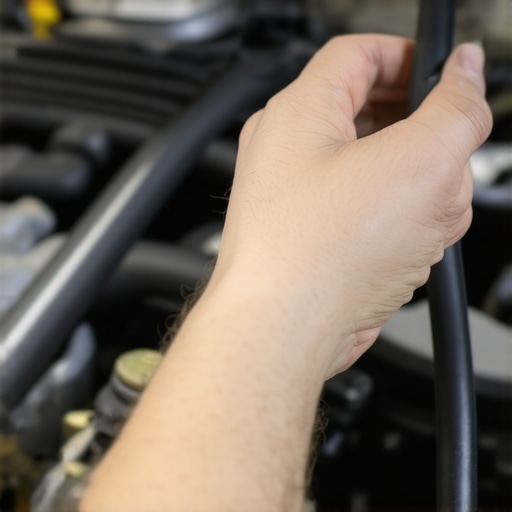
During a recent oil change, I decided to pull out my spark plugs to check their condition. Using a spark plug socket and a torque wrench, I removed each one, observing signs of wear such as carbon fouling and electrode erosion. This hands-on inspection helped me catch early degradation before it affected engine performance. Remember, if you’re unsure how to perform this, an ASE-certified mechanic can guide you through the process.
Set a Reminder for Your Next Oil Change Using the Top Tips
Sticking to a precise oil change schedule is crucial. I marked my calendar based on the manufacturer’s mileage and combined it with my driving habits. To ensure optimum engine health, I follow top oil change tips, like checking the oil level monthly and inspecting for leaks. This proactive approach can save you from costly repairs caused by neglect.
Choose the Right Oil for Your Vehicle’s Needs
Earlier, I learned that not all oils are created equal. I researched different types—synthetic vs. conventional—and their suitability for my vehicle’s age and usage. When selecting oil, consider viscosity, additives, and quality. For personalized advice, visit our car service options to find the best fit.
Use Proper Tools to Avoid Damage
Handling spark plugs and oil filters requires the right tools. I invested in a good torque wrench and a soft-bristle brush to clean around the engine bay. When I changed my oil, I ensured the drain plug was torqued to the manufacturer’s specifications to prevent leaks and damage. Improper tool use can lead to costly repairs, so familiarize yourself with proper techniques or consult professionals.
Monitor Engine Performance and Listen for Signs
After replacing my spark plugs and changing the oil, I took my car for a test drive. I noticed smoother acceleration and quieter operation. A key tip is to listen for irregular sounds or vibrations—these can signal underlying issues like misfiring or inadequate lubrication. Regular diagnostics can be performed using OBD-II scanners, or better yet, a certified technician can help identify early warning signs, backing up your efforts with expert insights.
Schedule Expert Checks for Complex Systems
While many maintenance tasks are DIY-friendly, some components like the transmission or cooling system still benefit from professional evaluation. For instance, I had my transmission fluid checked using a diagnostic tool, ensuring it wasn’t degraded. If you want to ensure comprehensive care, consult your trusted local auto specialist. Remember, regular expert inspections can catch issues before they escalate, saving you money and downtime.
Many vehicle owners operate under assumptions that, while widespread, are quite misleading and can inadvertently lead to costly repairs. For instance, the belief that all oil changes are interchangeable or that ASE certification guarantees flawless service overlooks critical nuances. Let’s explore some hidden truths about these topics to help you make smarter decisions and avoid common pitfalls.
Contrary to popular belief, not all oil changes are created equal, nor are they necessary at identical intervals for every vehicle. The misconception that more frequent oil changes always mean better engine health is a trap. Modern synthetic oils are designed to last longer, and vehicle manufacturers often specify longer intervals when using high-quality oils. Relying solely on the odometer reading or a fixed time frame without considering driving conditions can lead to unnecessary expenses or, worse, engine damage. To optimize your maintenance routine, consult your vehicle’s [owner’s manual](https://autofixclinic.com/why-regular-oil-changes-extend-your-cars-lifespan) and seek professional advice tailored to your driving habits.
But here’s an often-overlooked detail: transmission maintenance is equally critical and misunderstood. Many car owners ignore transmission service until symptoms become severe. The myth that transmission fluid never needs changing is just that—a myth. As detailed in [transmission troubleshooting insights](https://autofixclinic.com/transmission-troubles-expert-insights-for-smooth-shifting), regular fluid replacement prevents issues like rough shifting or slipping. Failing to heed these signs can result in expensive repairs or complete transmission failure. Remember, just because your transmission is shifting smoothly today doesn’t mean it’s immune to wear.
Now, let’s address the role of ASE certification. Many presume that an ASE-certified technician guarantees perfect repairs every time. While ASE certification indicates a level of competence and adherence to industry standards, it does not automatically translate to flawless service or honesty. Some mechanics might still cut corners or oversell unnecessary repairs. The key is to ask the right questions and seek transparent estimates. Verify certification details [here](https://autofixclinic.com/what-does-an-ase-certification-mean-for-your-cars-maintenance) and develop a relationship with trusted service providers.
Thinking about your car service schedule requires more than just following generic advice; it demands understanding these nuances. Overlooking these details can lead to premature part replacements, unexpected breakdowns, or inflated bills. Have you ever fallen into this trap? Let me know in the comments and share your experiences. Remember, being informed is the first step toward smarter car maintenance—and ultimately, saving money.
Investing in Reliable Equipment Makes the Difference
When it comes to keeping your vehicle running smoothly over the long haul, the right tools are non-negotiable. I’ve personally found that investing in a high-quality digital torque wrench, such as the Craftrite Digital Torque Wrench, ensures that fasteners like oil drain plugs or cylinder head bolts are torqued precisely to manufacturer specifications. This precision prevents damage and leaks that can cost a fortune to repair. Additionally, maintaining a set of quality ratchets, socket sets, and soft-bristle brushes helps me stay diligent without risking accidental scratching or stripping threads. These tools may seem like small investments, but they pay dividends in the form of fewer breakdowns and longer-lasting components.
For quick diagnostics, I rely on an ASE-approved diagnostic scanner. Its ability to read and clear error codes instantly is invaluable, saving me hours and unnecessary trips to the shop. Moreover, replacing generic OTC testers with specialized tools tailored for specific systems—like transmission fluid testers or coolant condition testers—has elevated my maintenance game. Remember, having the **correct equipment** isn’t just about comfort; it’s about accuracy, safety, and long-term savings.
Software and Planning for Consistent Performance
Beyond physical tools, I leverage software solutions to track maintenance schedules meticulously. My favorite is a customizable app that logs oil changes, filter replacements, and inspection dates, alerting me before critical milestones. This proactive approach ensures I never neglect essential upkeep, which is particularly important for transmission services. As detailed in transmission troubleshooting insights, regular fluid checks and timely changes extend the lifespan of gearboxes significantly. Modern software can even sync with your vehicle’s onboard computer via Bluetooth, providing real-time health metrics—demonstrating where your car might need immediate attention.
Anticipating the Tools of the Future
Looking ahead, I predict that AI-powered diagnostics and augmented reality (AR) assistance will become standard for DIY enthusiasts and professionals alike. Imagine wearing AR glasses that overlay exact torque specifications or warn you of potential pitfalls during repairs. The integration of machine learning to predict parts failure based on driving patterns could redefine maintenance intervals, making them smarter and more tailored. Already, companies like Bosch are developing such innovations, hinting that the tools we use now are just the beginning.
How do I keep tools and methods effective over time?
Consistency is king when maintaining a vehicle long-term. I schedule routine equipment checks, calibrate my torque wrench annually, and stay updated on the latest technology through online courses. Regularly cleaning and storing tools properly—like wrapping sensitive electronic devices in anti-static bags—extends their lifespan. Also, adhering to proper maintenance routines for your tools themselves ensures they will serve you well for years to come. Investing in the right equipment and staying educated not only streamlines repairs but fortifies your vehicle against unexpected issues.
Unspoken Truths That Changed My Car Care Game
One of the most profound lessons I learned is that trusting labels like ‘lifetime’ without understanding what they truly mean can lead to unexpected breakdowns. This realization pushed me to take a deeper interest in my car’s needs, rather than relying solely on marketing promises.
Another eye-opener was discovering how critical regular transmission fluid checks are, even if your car seems to shift smoothly. Delaying these simple maintenance steps can result in costly repairs down the line, making me appreciate the value of proactive care.
Lastly, understanding that an ASE certification isn’t a guarantee of perfect service—but rather a mark of competence—encouraged me to build trust through transparent conversations with my mechanic. These lessons have empowered me to make smarter, more informed decisions, turning car maintenance from a chore into a form of self-care.