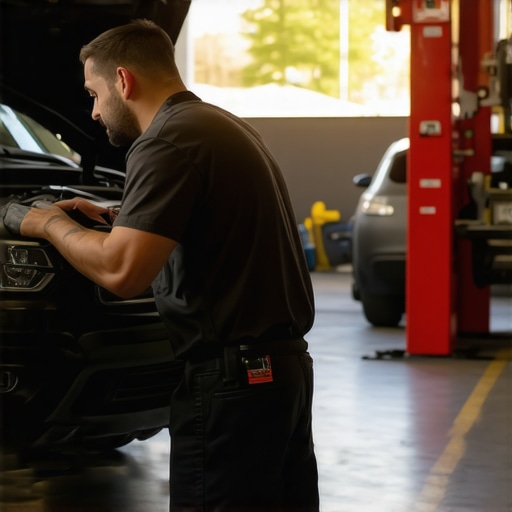
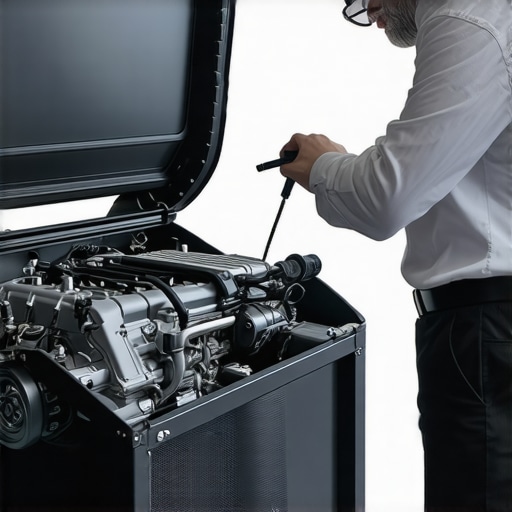
Why an ASE Advanced Engine Performance specialist matters
It was a hot summer afternoon when I realized I’d trusted my local garage’s quick oil change. A few days later, my engine started to sputter and lose power. That’s when I learned a harsh lesson: not all car repairs are created equal. I still remember the gut-wrenching feeling of watching my engine struggle, thinking, “Did I just waste money on a rushed job?” Since then, I’ve become quite the advocate for specialized expertise—particularly ASE Advanced Engine Performance technicians.
The Hidden Cost of Skimping on Expertise
When your car isn’t running smoothly, it’s tempting to go for the fastest, cheapest fix. But that quick oil change or basic tune-up might mask underlying issues that a general technician can miss. It’s like trying to fix a complex puzzle with a hammer—you might temporarily fix a piece, but often you just end up causing more damage.
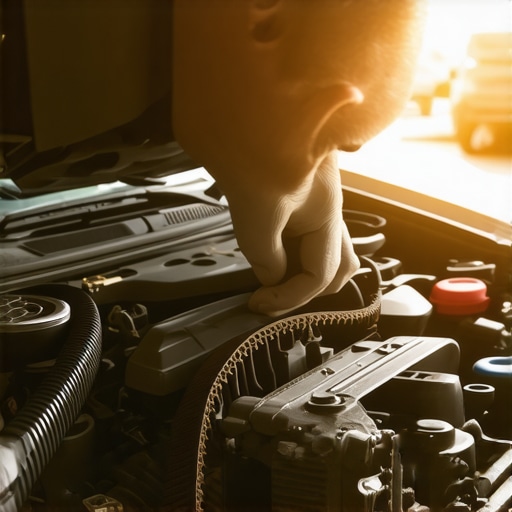
Think about it. Modern engines are an intricate dance of precision components. According to the National Institute for Automotive Service Excellence (ASE), vehicles today require specialized diagnostic skills to identify subtle problems that standard repairs overlook. An ASE Advanced Engine Performance specialist has the training and experience to recognize what isn’t immediately apparent—a misfiring fuel injector, a worn camshaft sensor, or even the early signs of a failing timing belt.
Early mistakes can be costly. I once had my headlight wiring fixed by a mechanic who lacked that advanced certification. A few weeks later, I faced a blown fuse and a dead engine. Trusting the wrong technician can lead to unnecessary repairs and compromise your vehicle’s lifespan.
So, what’s the real difference when you choose an ASE Advanced Engine Performance specialist? It boils down to expertise, precision, and peace of mind. If you’ve ever experienced unexplained stalling, rough idling, or inconsistent acceleration, this article is for you. I’ll walk you through why this specialization matters and how it can save your car—and your wallet—in the long run.
Now, let’s look at how you can identify these experts and why their knowledge is worth trusting with your vehicle’s heart and soul.
Identify a True Expert in Your Garage
Begin by verifying if the mechanic holds ASE Advanced Engine Performance certification. This credential indicates specialized training beyond basic repair skills, ensuring they can diagnose complex issues like misfiring fuel injectors or worn sensors. I once visited a shop where I asked if the tech was ASE-certified, and upon confirmation, I felt more confident about the diagnosis. You can confirm their certification by visiting our contact page to inquire or check their credentials.
Ask for Diagnostic Investigations
Rather than settling for a quick fix, insist on comprehensive diagnostics. A skilled ASE tech will use advanced scan tools and testing procedures to uncover hidden problems, such as subtle engine misfires or transmission slippage. When my transmission started shifting unevenly, the technician ran a detailed diagnostic, which revealed a failing torque converter and prevented costly damage later. For insights into diagnostic processes, visit this guide on transmission diagnostics.
Request a Transparent Repair Plan
Once issues are diagnosed, demand a clear repair plan with transparent costs and procedures. A reputable ASE specialist will explain the core concepts—like why a worn timing belt may cause engine failure or why regular oil changes extend your vehicle’s lifespan (see here). During my last service, I asked for a detailed step-by-step process before authorizing the work, which helped me understand Every repair’s purpose and avoid unnecessary expenses.
Trust Their Recommendations Based on Specific Expertise
Be cautious of shops that push unnecessary repairs. A real expert will recommend solutions grounded in their advanced training—like replacing failing sensors rather than just topping off fluids without diagnostics. I learned this when a mechanic suggested replacing my entire transmission based solely on generic symptoms, but after a second opinion from an ASE master tech (more here), the problem was a simple sensor issue, saving me hundreds.
Monitor the Repair Process and Ask Questions
Stay engaged during repairs. Ask technicians to show you worn-out parts or explain why specific procedures are necessary. When my mechanic showcased the worn clutch disc during a rebuild, it was clear how this specific part contributed to slipping issues I’d experienced. Visual confirmation reinforces trust and helps you learn more about your vehicle’s needs, as explained in this guide.
Follow Up After Service to Ensure Longevity
After repairs, schedule a follow-up inspection to confirm all issues are resolved and systems are operating optimally. Regular check-ins maintain your vehicle’s health and can prevent minor issues from escalating. I experienced this firsthand when I returned for a routine check, which revealed a small leak that was easily fixed before it compromised my transmission. Remember, ongoing maintenance aligns with the core advice from fleet maintenance tips.
Many car owners believe that an oil change is just a simple maintenance task and that any mechanic can handle it efficiently. However, this misconception overlooks crucial nuances that can impact your vehicle’s longevity. For instance, believing that all transmission issues can be fixed with basic fluid top-offs is a common mistake. In reality, complex problems like slipping gears often require specialized diagnostic expertise from ASE-certified technicians who understand the intricacies of modern transmissions.
Does Your Car Really Need a Full Transmission Overhaul Every Time It Misbehaves? A deeper look reveals that many shifting problems stem from sensor failures or minor clutches slipping due to wear, which can be diagnosed and repaired without complete replacements. Relying solely on generic advice can lead to unnecessary repairs and expenses, as detailed in transmission troubleshooting guides. Moreover, a misconception persists that ASE certification is just a badge, but in truth, it signifies a commitment to mastering the latest diagnostic tools and techniques—an essential for catching advanced engine nuances many overlook. This is especially critical when dealing with subtle issues like irregular idle speeds or misfires, which require a trained eye to detect early before they escalate. Believing that cheaper, unverified service providers can match such expertise is a trap that could cost you in the long run. Trusting an ASE Master Tech ensures that your vehicle receives the highest level of diagnostic precision, as explained in this guide. Another overlooked aspect is the importance of ongoing education for technicians. They must stay updated on evolving vehicle technology, such as direct injection engines or hybrid systems, which demand advanced troubleshooting skills. Relying on outdated or general knowledge can lead to misdiagnosis, unnecessary replacements, and even voided warranties. It’s also a mistake to think that routine oil changes aren’t critical for modern engines. According to experts, neglecting timely oil changes accelerates engine wear, leading to costly repairs down the line. Be cautious of shops that push for unnecessary oil top-ups without proper inspection; always ask for diagnostics first to prevent the “oops” of adding oil without fixing underlying issues. Remember, every part of your vehicle is interconnected. A minor transmission sensor failure can manifest as engine misfire or poor acceleration, which may be misdiagnosed if one isn’t trained to think beyond surface symptoms. This emphasizes the value of working with ASE-certified technicians who understand these nuanced interactions. Have you ever fallen into this trap of assuming quick fixes are enough? Let me know in the comments and share your experiences.Maintaining your vehicle over the long term requires more than just routine oil changes; it demands precise tools, disciplined methods, and an understanding of future trends. As vehicles become increasingly complex, DIY enthusiasts and professional technicians alike benefit from investing in specialized equipment. For example, a high-quality OBD-II scanner like the Autel Maxisys Elite provides comprehensive diagnostics, allowing you to identify issues before they escalate—saving time and money. I personally rely on this device because its advanced diagnostics help me pinpoint subtle engine misfires or transmission slippage that traditional code readers might miss. Moreover, embracing software like Mitchell1 or Alldata ensures access to factory repair information, which keeps diagnostics accurate and up-to-date, especially with hybrid and electric vehicles gaining ground. Looking ahead, I predict that AI-driven diagnostics and telematic data will revolutionize how we maintain our cars, enabling proactive repairs and reducing breakdowns. To effectively keep your car components in top shape over time, regular calibration of tools and staying informed about manufacturer updates are critical.How do I maintain my vehicle’s health without costly visits?
Employing a proactive maintenance routine—such as monitoring fluid condition and performing early transmission diagnostics—helps prevent major breakdowns. For instance, regularly checking your transmission fluid with a color and smell check, as explained here, can highlight early signs of wear.
Additionally, consistently inspecting vital parts like the serpentine belt or as the ASE certification implies, working with skilled professionals ensures your vehicle’s longevity. Using proper diagnostic tools and software enables you to catch potential issues in their infancy, similar to how a dedicated mechanic invests in precise equipment. Don’t forget, maintaining correct torque settings when replacing components, and following manufacturer-specific service intervals, play an essential role.
Looking to optimize your maintenance routine? Start with investing in a reliable scan tool like the Autel Maxisys Elite or Snap-on’s Solus Edge. These tools aid in early detection of problems, aligning with recommendations from AutoRepair Weekly, which emphasizes diagnostics as the foundation for effective maintenance. Remember, consistent upkeep and utilizing expert-approved methods will keep your vehicle operating reliably for years to come. Ready to take your car care further? Try calibrating your tools annually and incorporate scheduled diagnostics—your engine will thank you. For more detailed maintenance guides and to find qualified ASE-certified technicians, visit our contact page. Keep your vehicle in prime condition, and enjoy the road ahead!
Lessons That Changed My Approach to Car Care
One unexpected realization was how a small oversight, like neglecting a diagnostic check, can snowball into costly repairs. I once ignored subtle engine hesitations, thinking it was minor, only to end up replacing a costly component later. This taught me to trust expert diagnostics over quick fixes. Another lightbulb moment was understanding that staying updated with the latest vehicle technology—like hybrid systems—requires continuous learning from specialized ASE courses. Recognizing the difference between a trained technician and an amateur can save your vehicle from unnecessary expenses. Lastly, I discovered that proactive maintenance, such as regular transmission fluid analysis, can reveal hidden issues before they escalate, emphasizing preventive care over reactive repairs.