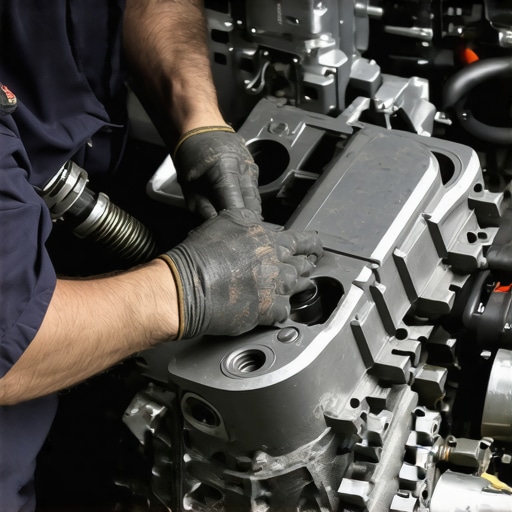
How to tell if your engine is suffering from low compression
Ever been stranded on the side of the road just when you thought everything was fine? Maybe your engine hesitated during acceleration, or you noticed a drop in fuel efficiency without an obvious reason. I remember the day I first realized my engine wasn’t running smoothly; it was a slow decline, but one that felt like an invisible weight pulling me down every time I turned the key. It’s a frustrating experience, one that can leave you scratching your head and wondering if your car is giving you subtle clues about its health.
The thing is, most car owners don’t immediately think about engine compression. Instead, they focus on more obvious issues like oil leaks or squeaky brakes. But if your engine isn’t producing enough compression, it can lead to a host of problems—loss of power, poor acceleration, and even increased emissions. Recognizing the signs early can save you a lot of money and prevent breakdowns in the middle of nowhere.
Today, I want to share my experience and guide you through the crucial signs that your engine might be suffering from low compression. Trust me, catching this problem early makes all the difference. I’ll also debunk some common misconceptions, so you’re not wasting time or money on unnecessary repairs. After all, a well-informed car owner is the best friend your vehicle can have.
Why Engine Compression Matters More Than You Think
Your engine relies on the perfect balance of air, fuel, and spark to run smoothly. Compression is what squeezes that mixture tightly inside the cylinders, ensuring maximum power output. When compression drops, the engine struggles to generate the same level of power, and that dull, sluggish feeling can be your first hint. But here’s the catch: these signs can be subtle, especially if you’re not familiar with how engines should sound or feel.
One of the most common mistakes I made early on was ignoring the signs of underperformance and assuming it was just a fuel issue or a worn-out spark plug. It wasn’t until I learned about engine compression testing that I truly understood the root cause. Compression tests are simple, affordable, and give you a clear picture of your engine’s health. For more tips on how to keep your vehicle running smoothly, check out our article on why regular oil changes extend your car’s lifespan.
Have you ever experienced a sudden loss of power that puzzled you? Or maybe your check engine light flickered briefly, only for you to dismiss it? These could be subtle signals that low compression is taking its toll. Next, let’s explore the most common warning signs so you can diagnose these issues before they become costly repairs.
Gather the Right Tools and Prepare Your Vehicle
Before diving into the diagnosis, ensure you have a reliable compression tester, which is an affordable yet essential tool for accurate readings. Park your car on a level surface, turn off all electrical systems, and let the engine cool down to avoid burns or inaccurate readings. Remove the spark plugs from all cylinders to facilitate compression testing, which can be done with the engine off. Refer to your vehicle’s manual to locate the spark plug ports and familiarize yourself with the process.
Perform the Compression Test Step-by-Step
1. Connect the Tester Correctly
Screw the compression tester into the first cylinder’s spark plug hole, ensuring a snug fit to prevent leakage. While doing this, I once forgot to tighten the tester properly, leading to an inaccurate low reading that almost caused me unnecessary worry about engine wear.
2. Crank the Engine
Ask an assistant to turn the ignition to the ‘On’ position or turn the key while you observe the gauge. Crank the engine for about 4-6 seconds until the needle stabilizes. Record the pressure reading; a typical healthy engine should have readings within the manufacturer specifications, often between 140-200 psi. Repeat this for each cylinder to compare results.
3. Document and Analyze Results
Write down the readings for each cylinder in order. Significant disparities—more than 10-15% difference from the highest to the lowest—may indicate problems like worn piston rings, valve leaks, or head gasket issues. During my first test, I noticed one cylinder consistently lower, which prompted me to seek a mechanic. That simple step saved me from a costly overhaul.
Diagnose and Take Action Based on Findings
If you find low compression in one or more cylinders, don’t rush into repairs. First, perform a ‘wet test’ by squirting a small amount of engine oil into the affected cylinder and retest. If compression improves, it suggests worn piston rings; if not, valves or head gasket may be at fault. Consider consulting an ASE certified professional for accurate diagnosis and repair—certifications like those ensure the technician is trained in the latest diagnostic techniques, which you can verify at how to verify your mechanic.
Whenever dealing with engine diagnostics, especially involving compression tests, prioritize safety and accuracy. Wear gloves and eye protection, and always follow your vehicle’s specific procedures. Remember, regular maintenance such as oil changes—detailed in why regular oil changes extend your car’s lifespan—can prevent many piston and valve issues from developing in the first place. Keeping a routine checkup schedule helps catch problems early, saving both money and time. And if the diagnostic results point toward routine wear, consider choosing a reputable car service that specializes in engine repairs, as discussed in choosing the right car service.
Many car owners operate under misconceptions when it comes to routine maintenance, especially regarding oil changes and selecting the right service professionals.
A common myth is that all oils are created equal, which isn’t true. Synthetic oils, for example, offer superior protection and longevity, but many assume that standard oils suffice for all driving conditions. In reality, choosing the right oil based on your vehicle’s usage—high mileage, stop-and-go traffic, or heavy loads—can significantly extend engine life. For detailed insights, check out why regular oil changes matter.
Another misconception involves the importance of ASE certification. While many believe that ASE-certified technicians always deliver perfect service, the truth is more nuanced. Certifications denote proven competence but don’t guarantee meticulous diagnostics or honest recommendations. A savvy car owner digs into certifications alongside reviews and specific experience. To understand what ASE certification really signifies, visit what ASE certification means.
When it comes to transmission repairs, many overlook the subtle signs of trouble, like slipping gears or delayed engagement. Some assume that a transmission fluid flush is a quick fix, but without addressing underlying issues or using proper diagnostic tools, this can be a costly mistake. Transmission problems are complex and require expert intervention, as outlined in transmission troubleshooting. One trap to avoid is neglecting regular fluid analysis, since contamination or breakdown can silently cause damage.
The hidden nuance most car owners miss is the importance of comprehensive inspections. Routine oil changes are critical, but neglecting other components like the transmission cooler, coolant system, or differential can lead to larger failures down the road. A holistic approach to vehicle maintenance—something a reputable, ASE-certified shop can provide—is key. As discussed at choosing the right car service, doing so saves money and extends vehicle lifespan.
Here’s a crucial question for advanced enthusiasts: How do different driving habits influence the frequency and type of maintenance required? For instance, high-performance driving can accelerate wear on transmission components, requiring more frequent flushes and inspections. Understanding these nuances can help you optimize maintenance schedules and avoid preventable breakdowns. For more expert insights, see diagnosing slipping transmissions.
In conclusion, moving beyond generic advice and understanding the detailed needs of your vehicle empowers you to make smarter maintenance decisions. Don’t fall prey to oversimplified beliefs—your car’s health depends on attention to detail. Have you ever fallen into this trap? Let me know in the comments.Maintaining your vehicle’s health isn’t just about applying random fixes; it requires the right tools, consistent routines, and an understanding of long-term care strategies. One tool I personally swear by is a **digital scan tool** like the *Snap-On Verus* or *Autel MaxiCOM*, which allows me to quickly diagnose engine codes, transmission issues, and sensor malfunctions without visiting the mechanic for minor alarms. These devices connect seamlessly via OBD-II, providing real-time data and error codes, greatly reducing diagnostic time and ensuring you catch problems early. Incorporating **software like OEM diagnostic programs**—which often require an ASE certification to operate effectively—ensures that you interpret data accurately, enabling precise repairs.
Investing in quality hand tools such as **torque wrenches rated accurately to 1-2% precision** helps in maintaining optimal fastening during routine work like oil changes or transmission fluid replacements. For instance, proper lug nut torque prevents uneven tire wear and potential wheel detachment. Additionally, **compression testers with adjustable adapters** are invaluable for diagnosing engine health. I prefer models that include a *pressure release valve*, making the testing process safer and more accurate. Regularly using these tools isn’t just about fixing problems—it’s about **preventing them**, saving time and money over the vehicle’s lifespan.
Speaking of tools, **transmission fluid testers** with dye and magnifying lenses help in early detection of contamination, particularly for fleets or high-mileage cars. Since transmission issues can silently escalate, investing in **infrared thermometers** helps monitor operating temperatures, which is essential for spotting cooling issues early. The trend in vehicle maintenance is moving toward **connectivity and data-driven diagnostics**, so staying updated with the latest digital tools prepares you for future demands. As technology evolves, expect software enhancements to provide predictive diagnostics, catching issues *before* they manifest in drivability problems.
> How do I maintain these tools over time? Proper cleaning after every use prevents corrosion—especially for internal components like sensors—and storing tools in cases or designated drawers keeps them calibrated. Regularly updating your digital diagnostic software ensures compatibility with the latest vehicle models, avoiding misdiagnoses. Consider setting a quarterly routine to calibrate and check tools, akin to performing a mini health check for your maintenance arsenal. Relying on high-quality tools like these has proved invaluable in my experiences—reducing trips to the mechanic and empowering me to perform advanced diagnostics myself.
For more insights on reliable maintenance, check out our guide on top oil change tips for safe driving in 2025. Remember, consistent use of precise tools—especially those supporting **ASE certification** standards—is crucial in maintaining your vehicle’s longevity. If you’re ready to elevate your DIY skills, I highly recommend trying out a comprehensive **compression tester with an integrated pressure relief**, which I personally use for quick engine health checks. Visit Contact us if you want personalized recommendations or troubleshooting tips for your specific vehicle.
Lessons That Changed My Approach to Car Care
One of the most eye-opening lessons I learned was that skipping routine checks can silently ruin your engine before you even realize there’s a problem. I once ignored a slight sluggishness in acceleration, which turned out to be early signs of low compression—a warning I missed due to assumptions about my vehicle’s condition. This underscored the importance of paying attention to subtle cues and trusting diagnostics over guesswork. Additionally, I discovered that many misconceptions about oil types—like believing all oils are interchangeable—can lead to unnecessary wear and tear. Investing time in understanding what your engine truly needs, and how certified mechanics approach diagnostics, makes a significant difference in maintaining vehicle longevity.