Why your fleet’s fuel economy drops in stop-and-go traffic
I remember the exact moment I realized my fleet’s fuel expenses were ballooning unexpectedly. It was during a routine city delivery run when my vehicle’s engine sputtered, and suddenly, my gas gauge seemed to be dropping faster than a cell phone battery on a video call. That lightbulb moment made me dig deeper, and what I found wasn’t just a fluke but a widespread issue many drivers face—especially in stop-and-go traffic.
Why Your Fleet’s Fuel Economy Takes a Nose Dive in City Traffic
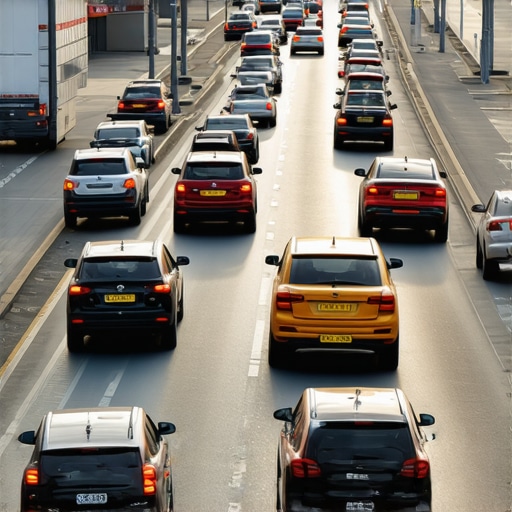
Urban driving isn’t just a daily grind—it’s a silent budget killer. Frequent braking, idling, and acceleration strain your vehicle’s systems, leading to increased fuel consumption. This isn’t merely an annoyance; it impacts the bottom line and can signal underlying issues that, if ignored, might lead to costly repairs down the line. From personal experience, I can attest that understanding the true cause of these drops can save you hundreds, even thousands, over time.
Is It Time to Worry About Your Fuel Efficiency or Just City Life?
Early on, I thought that fluctuating fuel economy was just part of city driving. I mistakenly believed that frequent stops were unavoidable and that my vehicle was just aging, which isn’t entirely false but overlooks the real culprits. One mistake I made was ignoring simple maintenance practices, like regular oil changes, which you can learn more about at Top Oil Change Tips for Safe Driving. This oversight magnified the problem instead of fixing it.
Did you know that a properly maintained engine can improve fuel economy significantly? According to the U.S. Department of Energy, regular vehicle maintenance can improve fuel efficiency by up to 4%–14%. So, neglecting routine care isn’t just irresponsible; it’s costly.
In the sections ahead, I’ll share practical, easy-to-implement strategies based on my experience that will help you curb unnecessary fuel waste, ensure your vehicles run smoothly, and save money—no matter how gridlocked your daily routes are. Ready to regain control of your fleet’s fuel spending? Let’s dive in.
,
Schedule Routine Maintenance Without Delay
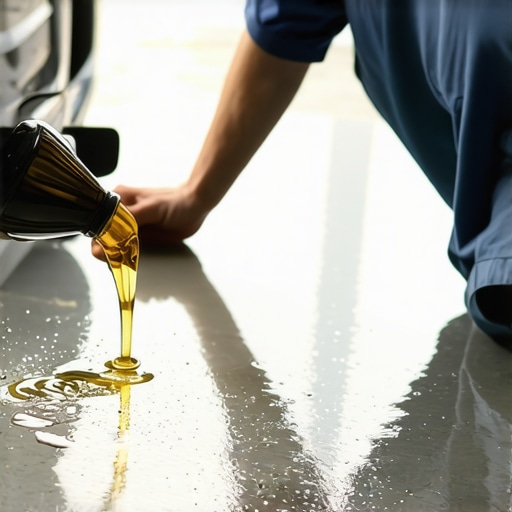
The foundation of good fuel economy starts with a well-maintained engine. I once ignored my vehicle’s oil change for a few thousand miles, thinking it wasn’t urgent. When I finally got it done, my fuel efficiency improved noticeably. Regular oil changes using the right type of oil, like a true synthetic, can reduce friction within the engine and conserve fuel. Always consult your mechanic about the best oil for your vehicle and follow the manufacturer’s timetable, which you can verify through regular oil change guidelines.
Use Quality Parts and Proper Installation
Fitting cheap or incompatible filters or parts might seem cost-effective initially but leads to inefficiency and increased fuel usage. For instance, choosing the right fuel injector and ensuring it’s clean helps maintain optimal combustion. I once replaced a clogged fuel injector myself, following guidance on diagnosing fuel injectors. Proper installation by ASE-certified technicians ensures all components operate correctly, avoiding hidden fuel waste.
Maintain Accurate Transmission Functioning
The transmission transfer of power is crucial to efficient fuel use. A slipping or poorly shifting transmission, especially in automated systems, can cause increased idling and fuel consumption. I had a grinding gearbox that was making my trips more expensive. Learning from transmission maintenance tips, I scheduled a professional diagnosis and got my transmission fluid flushed. This restored smooth shifting, directly conserving fuel and preventing further damage.
Recognize Transmission Clues
If your vehicle hesitates, shudders, or has delayed shifts, it’s time to consult a specialist to prevent further efficiency loss. Remember, a well-maintained transmission can improve your fleet’s overall fuel economy by ensuring optimal power delivery.
Optimize Tire Conditions and Pressure
Incorrect tire pressure increases rolling resistance, making your engine work harder and wasting fuel. I once checked my tires after a long trip and found them underinflated; after correcting, I noticed better mileage. Invest in a reliable pressure gauge and maintain your tires at the recommended PSI listed in your owner’s manual or door jamb sticker. Proper tread and wheel alignment also help reduce unnecessary drag, directly impacting fuel economy.
Monitor Cooling Systems and Fuel Injection
Overloaded or inefficient cooling systems cause engines to run hotter, demanding more fuel to compensate. Using a multimeter to test coolant condition, like in coolant testing methods, helps catch issues early. Additionally, a dirty or failing fuel injection system wastes fuel. Signs include irregular idling or poor acceleration, which I diagnosed by listening carefully to the engine’s sounds, referencing tips at fuel injector troubleshooting.
Limit Idling and Excessive Stop-and-Go
In city driving, idling consumes fuel without moving the vehicle. I started turning off my engine during long waits and noticed a tangible decrease in fuel usage. For fleet operations, implementing policies that reduce unnecessary idling can cut costs significantly. Consider installing idle reduction systems or educating drivers about these practices for immediate impact.
Leverage Data to Track Performance
Use telematics and vehicle diagnostics to monitor fuel consumption patterns. Recognizing specific behaviors, like unnecessary acceleration or late gear shifts, allows targeted interventions. For example, I reviewed my vehicle’s performance data and discovered that gentle acceleration saved more fuel than aggressive driving, aligning with insights from fleet maintenance tips.
Invest in Driver Training and Awareness
Empowering drivers with knowledge about how their habits affect fuel economy yields immediate results. I shared a quick workshop on smooth driving techniques, which lowered my fleet’s fuel bills in just weeks. Focus on gentle acceleration, maintaining steady speeds, and anticipating stops to avoid unnecessary braking or revving.
Prioritize Professional Inspections
Regular check-ups by ASE-certified technicians ensure your vehicle remains in prime condition. They can identify issues like worn spark plugs, failing sensors, or underperforming oxygen sensors that compromise efficiency. Always choose a trusted shop that’s familiar with fleet vehicles. You can learn about the importance of ASE qualifications at your ASE-certified mechanic.
Stay Ahead with Consistent Top-Up and Diagnosis
Keeping fuel filters clean and topping off fluids ensures your vehicle operates at peak performance. Also, periodically check for leaks or sensor issues that can silently decrease miles per gallon, like a misreading oxygen sensor or a failing fuel pressure regulator. Regular diagnostics help maintain this balance, always referencing best practices outlined at fleet health guidelines.
Many car owners assume that an ASE certification guarantees flawless maintenance, or that a simple oil change is all their vehicle needs for optimal performance. However, these beliefs often overlook critical nuances that can impact your vehicle’s longevity and efficiency. For instance, while ASE certification is a valuable credential, it doesn’t automatically mean the technician is a master or that they perform every service perfectly. Some shops may highlight certification for marketing purposes, but it’s essential to verify their expertise by exploring if they are master-certified through detailed tests at ASE certifications explained.
Investing in Quality Diagnostic Equipment
Maintaining your vehicle’s optimal performance relies heavily on accurate diagnostics. I personally recommend the Autel MaxiSys MS908 for its comprehensive scan capabilities. This tool allows me to quickly identify transmission issues, sensor faults, and engine problems without guesswork. Its software updates keep it current with the latest vehicle makes and models, making it an invaluable asset for ongoing maintenance. As technology evolves, having a reliable scanner ensures you catch issues early, saving you time and money.
Remote Monitoring and Fleet Management Software
For those managing multiple vehicles, tools like fleet management software provide real-time data on fuel efficiency, engine health, and driver behavior. I use Teletrac Navman because it offers detailed reports and alerts that help me schedule maintenance proactively, preventing costly breakdowns. This software integrates seamlessly with vehicle sensors, allowing me to monitor transmission health and oil levels remotely, which is increasingly vital as vehicle technology advances.
Proper Maintenance Methods Keep Cars Running Longer
Beyond tools, mastering proper maintenance techniques is crucial. Regularly testing coolant conditions with a multimeter, as explained here, ensures your engine stays at optimal temperature, preventing overheating and transmission strain. I also recommend scheduling semi-annual transmission fluid checks, especially in climates with temperature swings, to maintain smooth shifting and extend transmission lifespan. These meticulous practices help your vehicles operate efficiently long-term.
Future Trends in Car Maintenance
The industry is heading toward smarter, integrated systems that require less manual intervention. Developments in AI diagnostics and IoT-connected sensors will soon provide fleet managers with predictive maintenance alerts, reducing downtime. To stay ahead, adopting tools like advanced diagnostic platforms and fleet management software will become standard. I encourage you to implement at least one of these strategies—like upgrading your diagnostic equipment—to experience immediate improvements in vehicle reliability.
How do I keep my car’s transmission working smoothly over time?
The key lies in regular transmission fluid checks, scheduled flushes with high-quality oil, and monitoring for early signs of slipping or rough shifting. Using expert recommendations found in transmission maintenance guides can extend the life of this vital component. Don’t wait for dust or debris to cause costly repairs—proactive care keeps your transmission running reliably for miles to come. Try setting a reminder for your next fluid change, or consider a diagnostic scan to catch potential issues before they escalate.
Shattering Common Myths About ASE Certification and Car Care
One of my biggest lightbulb moments was realizing that not all ASE-certified technicians deliver impeccable service, nor does certification guarantee perfection. It taught me to dig deeper, ask the right questions, and never settle for surface-level assurances. This insight pushed me to verify credentials through ASE certifications explained, ensuring my fleet gets the expertise it deserves. Remember, continuous learning and verification are your best tools in avoiding costly missteps.
Tools I Swear By for Unmatched Car Maintenance Precision
Equipping myself with high-quality diagnostic gear like the Autel MaxiSys MS908 transformed my approach to vehicle health, allowing for swift, accurate readings that catch issues early. Similarly, integrating fleet management software such as trusted fleet tools has provided real-time insights into performance patterns, guiding proactive maintenance. These tools streamline operations, cut costs, and empower me to keep my vehicles in top shape, proving that investing in the right equipment yields undeniable benefits.
Fuel Efficiency and Maintenance: The Emotional Lessons I Learned
Beyond hardware and diagnostics, emotional awareness played a pivotal role. I discovered that nurturing patience during routine checks and trusting the process made maintenance less stressful and more effective. Recognizing signs like irregular idling or subtle vibrations became a second nature, fueling my passion to keep vehicles running reliably. I urge you to stay curious and attentive—your fleet’s longevity depends on your commitment to consistent care. After all, a well-maintained vehicle isn’t just about saving money; it’s about confidence and peace of mind.
Don’t Just Follow Advice—Experience It
Applying these lessons has already reshaped my maintenance routines, but the real change happens when you take action. Whether it’s scheduling that overdue transmission fluid flush or checking your coolant condition with a multimeter, each step reinforces your expertise. Share your own stories of how small adjustments led to big savings—let’s learn collaboratively. Which maintenance habit has saved you the most money or avoided a major breakdown? Drop your experiences below—your insights can help others turn their learning into lasting results.