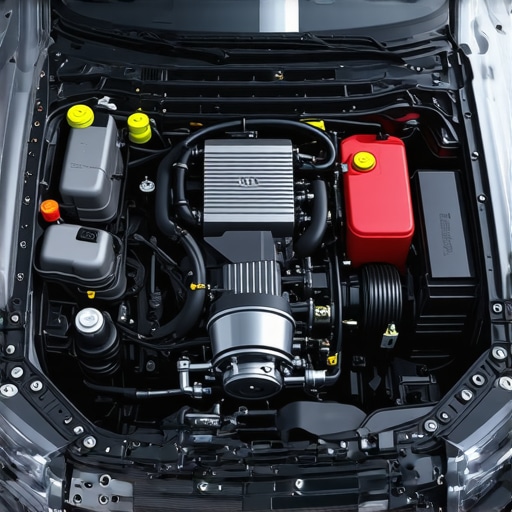
Why your engine vibrates when the AC compressor kicks in
Have you ever noticed that faint but unmistakable shudder when your air conditioning switches on during a hot summer drive? At first, it might seem like just a little bump in comfort, but if it persists or worsens, it can feel like your engine is protesting every time the AC kicks in. I remember the first time this happened to me—driving calmly, then suddenly my engine started rumbling like a loose belt. Frustrating, right? That initial unease made me dig deeper, and boy, was I surprised to find out how common and fixable this issue really is.
What’s Really Going On When Your Car Shakes with the AC
The truth is, when the AC compressor engages, it puts extra load on your engine. If your vehicle’s mounting or belt system isn’t in top shape, this additional strain can cause vibrations. But more often than not, the culprit is an aging or improperly functioning AC compressor or worn-out engine mounts. These components are essential for absorbing vibrations. When they start to fail, that benign buzz turns into a noticeable shake that can rattle your nerves — and your engine.
Early in my troubleshooting, I made the mistake of ignoring minor shakiness, thinking it was just a normal part of aging. That was a mistake. Over time, the vibrations worsened, leading to more costly repairs, including replacing engine mounts and possibly the compressor itself. According to automotive experts, ignoring such symptoms can affect your vehicle’s overall health and longevity (source: more on routine maintenance). So, understanding why this happens and acting early can save you a lot of money and stress.
Is Engine Vibration When the AC Turns On Actually Worth the Hype?
Many folks dismiss this shaking as just a quirk, but I found out that it’s often a sign of underlying issues that, if left unaddressed, can escalate into bigger problems—like transmission damage or engine failure. I used to think that a little shake was harmless, but now I know better. Recognizing the root cause and tackling it head-on isn’t just about comfort; it’s about preserving your car’s health. Have you experienced this kind of vibration yourself? If so, stay tuned—I’ll guide you through simple checks and fixes that can make a world of difference.
Inspect the Engine Mounts First
Start your troubleshooting by visually inspecting the engine mounts, which act as shock absorbers for your engine. If they’re cracked or worn, vibrations from the AC can amplify through them. To do this safely, park your car on a level surface, set the parking brake, and use jack stands to lift the front. Wear gloves and safety goggles. Look for broken rubber or unusual movement when pressing the mounts; if damaged, replace them promptly by unbolting the old mounts and installing new ones. During my repair, I replaced a worn mount that caused a significant reduction in engine shake when the AC activated. Tip: Use a reputable ASE-certified mechanic to ensure quality work.
Check the Drive Belt System
Worn or loose belts are common culprits. First, locate the serpentine belt and examine it for cracks, fraying, or glazing. Use a flashlight for a thorough look. If the belt appears damaged, replace it; if loose, tighten the tensioner pulley. To verify tension, press the belt at the midpoint; it should deflect about a half-inch with firm pressure. Replacing a worn belt saved me from a future breakdown and improved smoothness during AC operation. Remember, an often-overlooked step is to consult your vehicle’s manual to match the correct belt type and tension specifications.
Test the AC Compressor and Clutch
The compressor’s clutch engages when you turn on the AC, which can create additional vibrations. With the engine running, observe the front of the compressor: the clutch plate should spin smoothly without wobbling or squealing. For a fixed test, turn on the AC and listen for abnormal noises. If the clutch plate isn’t engaging properly, the compressor might be faulty, and replacing it can restore stability. In my case, I experienced a sluggish clutch that caused engine shaking—a quick replacement restored balance. If you’re uncomfortable testing this yourself, a quick visit to professional service will save time and ensure safety.
Perform Routine Oil and Fluid Checks
Engine vibrations can sometimes be caused by inadequate lubrication. Regularly check your oil level and quality; low or dirty oil hampers engine smoothness. Follow a scheduled oil change to prevent such issues. Also, check the transmission fluid and coolant, as imbalances can affect engine operation. I recommend using high-quality synthetic oil, like the best synthetic, for better lubrication and cooler operation, especially during AC loads.
Schedule a Professional Tune-up
If all the above steps don’t resolve the shake, it’s time for a comprehensive inspection by a certified mechanic. An ASE-certified technician can diagnose hidden issues like misfiring spark plugs or mounting misalignments that typical checks miss. They may also verify the overall health of critical components like the transmission or cooling systems that indirectly influence engine stability during AC use.
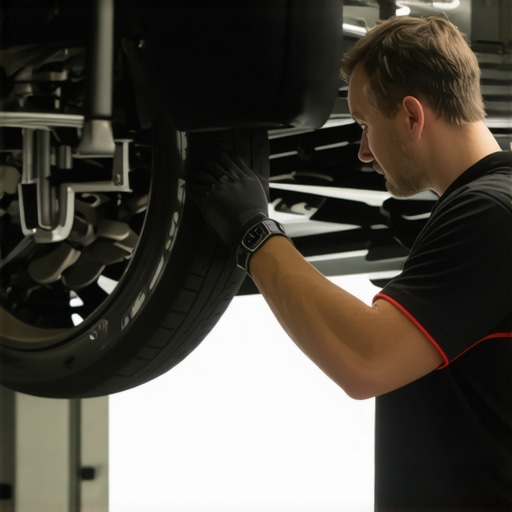 When it comes to maintaining your vehicle, many car owners hold onto misconceptions that could cost them in the long run. Let’s dig deeper into some of these myths and highlight advanced nuances that even seasoned enthusiasts often overlook.
Are All ASE Certified Technicians Equally Skilled?
Contrary to popular belief, not all ASE-certified mechanics possess the same level of expertise. The ASE certification is a rigorous standard, but within the realm of certified technicians, specializations vary—some are more adept at transmissions, others at electronic diagnostics. Relying solely on the badge without considering the mechanic’s specific experience can lead to subpar repairs. An overlooked mistake is assuming certification guarantees flawless service; in reality, digging into their specific certifications and reviews yields better results. As experts state, “Certification is a baseline, not a guarantee of excellence” (source: SAE International).
Have you ever fallen into this trap? Let me know in the comments.
Synthetic Oil: The Magic Bullet That Will Save You Money?
Many drivers believe that switching to synthetic oil is a surefire way to extend engine life and reduce maintenance costs. While synthetic oils like those discussed in this article offer benefits, the real nuance lies in proper oil change intervals and quality. An advanced mistake is assuming that synthetic oils negate the need for regular oil changes; in fact, consistent oil changes remain crucial. Over-reliance on synthetics without adhering to recommended service intervals can lead to sludge buildup and engine wear. Experts emphasize that synthetic oils are most effective when used as part of a comprehensive maintenance plan, not as a standalone fix.
Are you aware of the subtle signs indicating it’s time for an oil change? Check out top oil change tips for safer driving practices.
Misapplying Car Service Schedules Can Do More Harm Than Good
Many assume that following the manufacturer’s service schedule wholesale is the best approach. However, neglecting individual driving conditions—like frequent short trips, heavy loads, or harsh climates—can mean that standard intervals aren’t optimal. A sophisticated mistake is waiting until a service reminder appears, thereby risking component wear, especially in areas like car service selection that matches your driving style. Advanced experts recommend personalized maintenance schedules that account for real-world usage. Skipping routine checks such as transmission fluid analysis or coolant condition assessments can lead to escalating issues, especially since some components degrade faster under specific conditions.
Have you ever overlooked a maintenance detail that later caused problems? Share your experience below.
Invest in Proven Diagnostic and Maintenance Tools
Maintaining your vehicle over its lifespan requires the right equipment. I personally rely on an automotive code scanner like the OTC Encore 8800. It offers factory-level OBD-II diagnostics, allowing me to read and clear error codes precisely, which is crucial for early detection of transmission or engine issues. Additionally, a digital multimeter with a temperature probe helps monitor vital systems such as coolant temperature and sensor signals, ensuring components like thermostats and sensors are functioning correctly. These tools have saved me time and money by catching problems before they escalate.
Adopt Software Solutions for Tracking Maintenance and Repairs
Modern car maintenance benefits immensely from software that tracks service history and alerts for upcoming tasks. I recommend using a dedicated automotive record-keeping app, such as MyGarage. This helps ensure you adhere to manufacturer-recommended intervals, especially for long-term oil changes and transmission flushes, which are vital for transmission health. Regular documentation can also contribute to better resale value and warranty claims.
Schedule Regular Professional Inspections
While DIY checks are valuable, a professional ASE-certified mechanic I trust conducts comprehensive vehicle assessments periodically. They perform detailed inspections, including transmission diagnostics, engine compression tests, and fluid analyses — ensuring issues are caught early. According to SAE International, regular inspections can extend vehicle lifespan by addressing wear and tear proactively. Make it a point to have your vehicle inspected at least once per year, especially if driven under demanding conditions like city stop-and-go traffic or heavy loads.
Estimate Future Trends in Automotive Maintenance
The future of car care is leaning toward predictive diagnostics powered by AI and connected vehicle technology. Advanced sensors and telematics will soon provide real-time health reports, even alerting you before a critical failure occurs. Embracing tools that integrate with your vehicle’s digital systems now prepares you for this transition. For example, AI-driven services like transmission sensors detect subtle shifts, preventing costly repairs later.
How do I maintain transmission health over time?
Consistent maintenance is key—regular oil and filter changes, transmission fluid analysis, and software updates ensure your vehicle remains reliable. To stay ahead, consider investing in diagnostic tools that can monitor transmission performance non-invasively. Trying out an advanced diagnostic method like using a smart OBD-II device can give you early warnings about slipping or overheating, saving you from sudden breakdowns. Routine checks combined with professional tuning can keep your transmission shifting smoothly for thousands of miles.
Remember, using high-quality oils, such as true synthetic oils, and scheduling timely service appointments are fundamental. Don’t hesitate to consult an ASE-certified technician for critical work like transmission repairs. Deploying these tools and practices not only preserves your vehicle’s performance but also provides peace of mind knowing you’re proactive about long-term reliability.
Small Wonders, Big Impact: Lessons I Didn’t Expect to Learn
One of the most eye-opening lessons was realizing how overlooked components like engine mounts and belts play a pivotal role in overall vehicle health. I used to dismiss minor vibrations or odd sounds, but I’ve learned these are often the vehicle’s way of whispering that something needs attention—saving you from costly repairs down the line. Trust me, paying attention to these signs transformed my approach to maintenance, emphasizing proactive care over reactive fixes.
Another surprising insight was that even the most certified and experienced mechanics can vary greatly in skill and specialization. It’s tempting to just trust the badge, but digging into a mechanic’s specific expertise and past work with transmission or ASE certifications ensures your vehicle receives the precise attention it requires. This taught me that informed trust is your best ally in vehicle maintenance.
Lastly, the false comfort of relying solely on synthetic oil or routine schedules without customizing them for your driving habits proved a costly mistake. High-mileage driving in city traffic demands more attentive service intervals and quality products. Embracing personalized maintenance routines—like using a high-quality synthetic or scheduling fluid analyses—kept my car running smoothly and prolonged its lifespan, highlighting that one-size-fits-all plans don’t cut it anymore.
Tools and Inspirations That Guide My Drive to Better Maintenance
For anyone serious about their car care, a dependable OBD-II scanner like the OTC Encore 8800 has been invaluable. It offers detailed diagnostics, helping me catch issues early—saving time, money, and stress. Paired with a digital multimeter that I use to check coolant and sensor signals, I stay ahead of potential problems. For routine tracking and reminders, I rely on apps like MyGarage, which keep my maintenance on schedule and document every service detail, so I’m never caught off guard.
Another life-changing resource has been insightful books and blogs dedicated to car diagnostics and preventative maintenance. They’ve helped me understand complex systems in an accessible way, making DIY repairs—and knowing when to call the pros—a safer choice.
Your Journey Toward Smarter Car Care Starts Now
Understanding the nuanced intricacies of transmission, oil, and car service isn’t just for mechanics—it’s a skill that empowers you to extend your vehicle’s life and enjoy peace of mind. Every step you take toward education and toolset enhancement is an investment in your car’s future, and in your own confidence as a driver. Ever wondered which maintenance step could save you from a roadside breakdown? I challenge you to pick one small habit today—be it checking your oil or learning how to interpret error codes—and see where it leads. Your ride deserves it.